Quick answer
Zero drop trail shoes are not inherently dangerous, and they do not automatically fix your form. The drop number only tells you the heel-to-toe offset, not cushioning, grip, or stability. Expect a genuine adjustment period in your calves and ankles, and treat the switch as a gradual load change rather than a footwear upgrade.
What zero drop actually changes
Drop is a geometry measurement: the difference in stack height between heel and forefoot. Zero drop means those two numbers match. It says nothing about how soft or firm the midsole is, how much protection the outsole offers, or how the upper fits.
That matters because two zero drop trail shoes can feel completely different. A cushioned zero drop shoe and a firm, low-profile zero drop shoe share the same offset but ask different things of your feet and lower legs. When people compare zero drop vs traditional drop, they often attribute every difference to the drop number when fit, cushioning, and outsole are doing just as much work.
Why the first few weeks feel different
With a traditional drop, the heel sits higher, which can shift load toward the heel and midfoot. A zero drop platform puts the heel and forefoot on the same plane, so your ankle and calf are asked to manage a slightly different range of motion over the same distance.
That is a load change, not a defect. The practical fix is to keep your easy runs truly easy for a few weeks, shorten your first trail outings, and add vertical gradually. If you normally run technical descents, give those extra time because they demand the most ankle control.
Zero drop calf strain: what is actually happening
The calf strain myth usually starts with a real experience: someone switches to zero drop, keeps their old mileage, and their calves get sore. The soreness is a response to unfamiliar load, not proof that zero drop shoes injure calves.
The honest caveat is that zero drop does place more continuous demand on the calf and Achilles complex than a raised heel, especially if you are coming from a high-drop shoe and running the same pace and distance. If you have a history of calf or Achilles issues, treat the transition as a training decision, not just a shoe purchase, and consider alternating shoes while you adapt.
How to plan a zero drop running transition
A workable transition uses three levers: frequency, duration, and terrain. Wear the new shoes for one or two short runs a week at first. Keep those runs on forgiving ground rather than steep, rocky descents. Increase duration before you increase intensity.
Pay attention to how your feet feel at the end of a run, not just during it. Soreness that fades within a day is a normal adaptation signal. Soreness that lingers or changes how you walk is a sign to back off and rotate in your previous pair.
If you are choosing between models, remember that option types like color and size tell you nothing about the drop or cushioning. Check the specific model's stated geometry rather than assuming every shoe in a zero drop line behaves the same.
Zero drop shoe benefits worth expecting
The realistic benefits of zero drop are about consistency and feel. A level platform can give you a more uniform connection to the ground, which many trail runners find helpful for sensing terrain underfoot. It also removes the heel-to-toe offset as a variable, so your fit and cushioning choices become the main thing you tune.
What zero drop will not do is replace grip, waterproofing, or fit. On wet rock and rooty singletrack, outsole compound and lug pattern decide whether you stay upright. In cold, wet conditions, the upper and lining decide whether your feet stay dry. Those are separate features from drop, and they deserve their own attention.
Myth verdicts
- Myth: Zero drop shoes cause calf strain: Calf soreness after switching is a load response, not a guaranteed injury. The same mileage in a new offset is a new stimulus, and the calf and Achilles complex carries more continuous demand without a raised heel. Verdict: partly true in the short term, manageable with a gradual transition.
- Myth: Zero drop automatically improves your running form: Drop is geometry, not coaching. A level platform changes the angle your ankle works through, but it does not teach cadence, posture, or foot placement on its own. Verdict: false. Form changes come from practice, not from the drop number.
- Myth: You need to replace all your shoes at once: Alternating between a zero drop pair and your existing shoes lets you add load gradually and keeps your total mileage from spiking. Use the new pair for short, easy sessions first. Verdict: false. Rotate, then commit once the short runs feel normal.
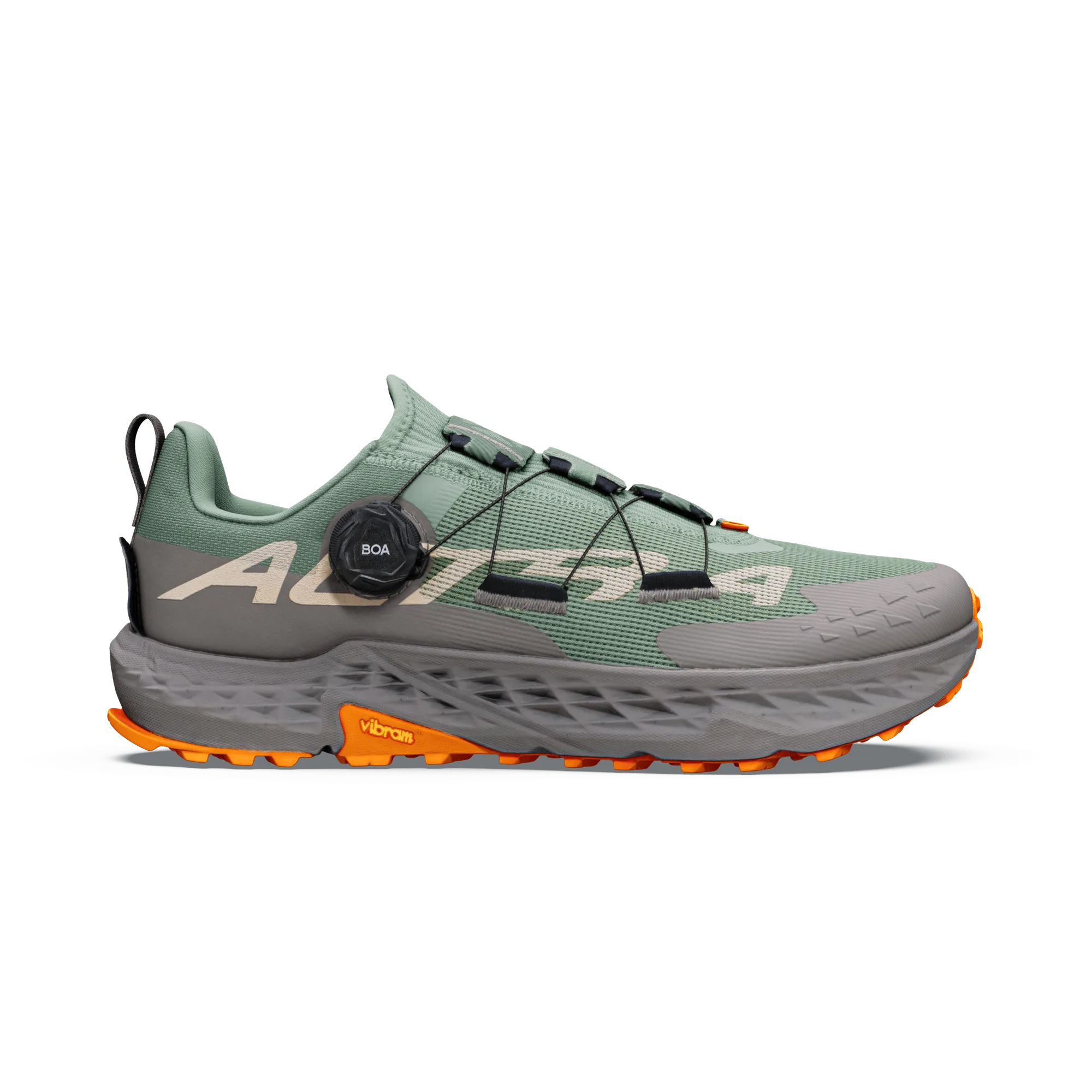
- Myth: Zero drop is only for minimal shoes: Cushioning and drop are separate specifications. A zero drop shoe can still have a cushioned midsole, as the Timp 5 BOA shows, so you are not forced into a firm, thin ride. Verdict: false. Check cushioning and outsole separately from drop.
Zero drop trail models and what each one is built for
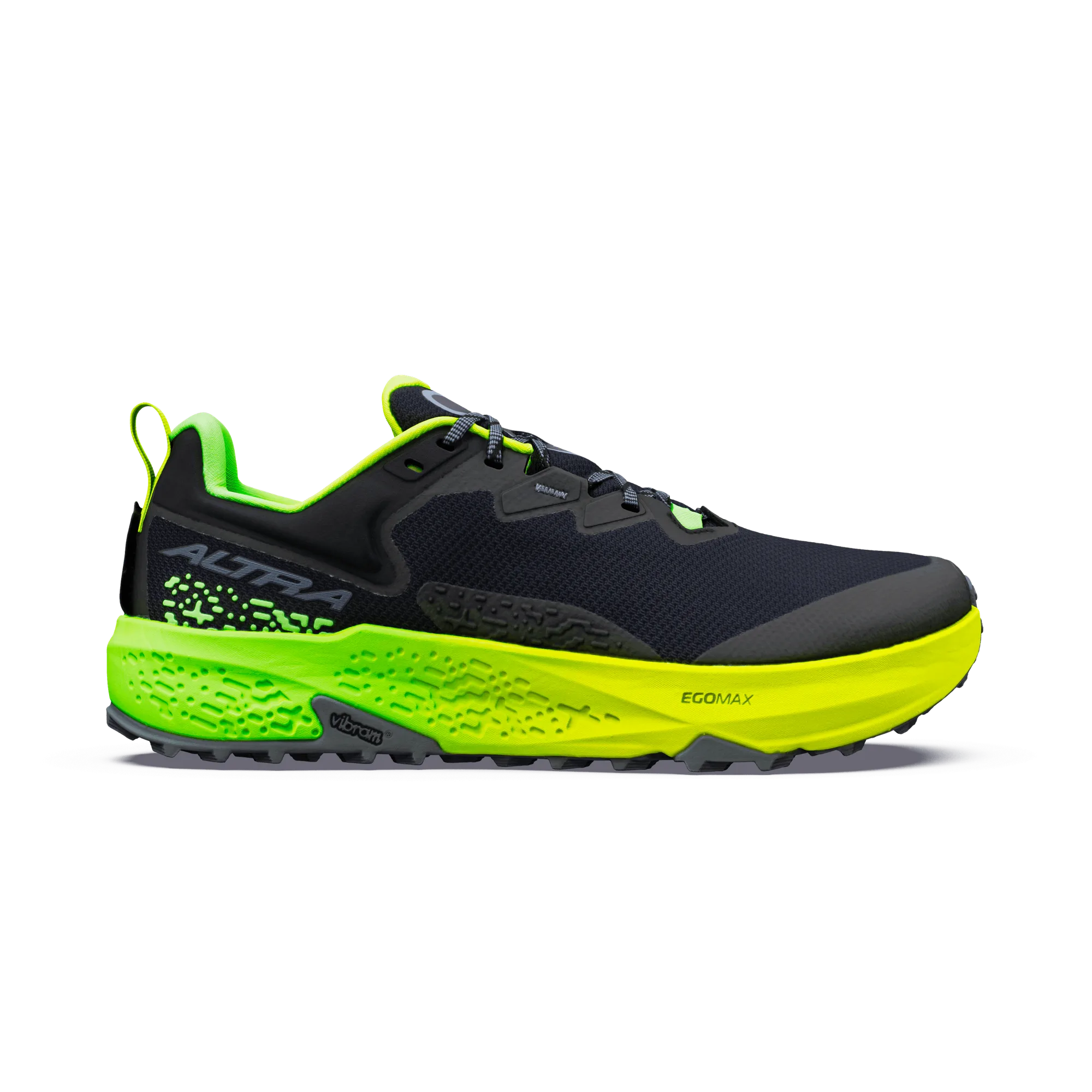
- Men's Timp 6: The Men's Timp 6 uses a redesigned Vibram Megagrip outsole and a soft rolled mesh upper, with updated fit construction intended to improve step-in feel, durability, and comfort. If your transition concern is traction and comfort on varied terrain, the outsole and upper are the features doing that work, not the drop number.
- Men's Timp 5 BOA: The Men's Timp 5 BOA uses the BOA PerformFit Wrap Configuration system for on-the-go adjustment, with a cushioned midsole and a Vibram Megagrip outsole. A dial-based fit system lets you loosen or tighten mid-run, which is useful while your feet and ankles adapt to a new platform.
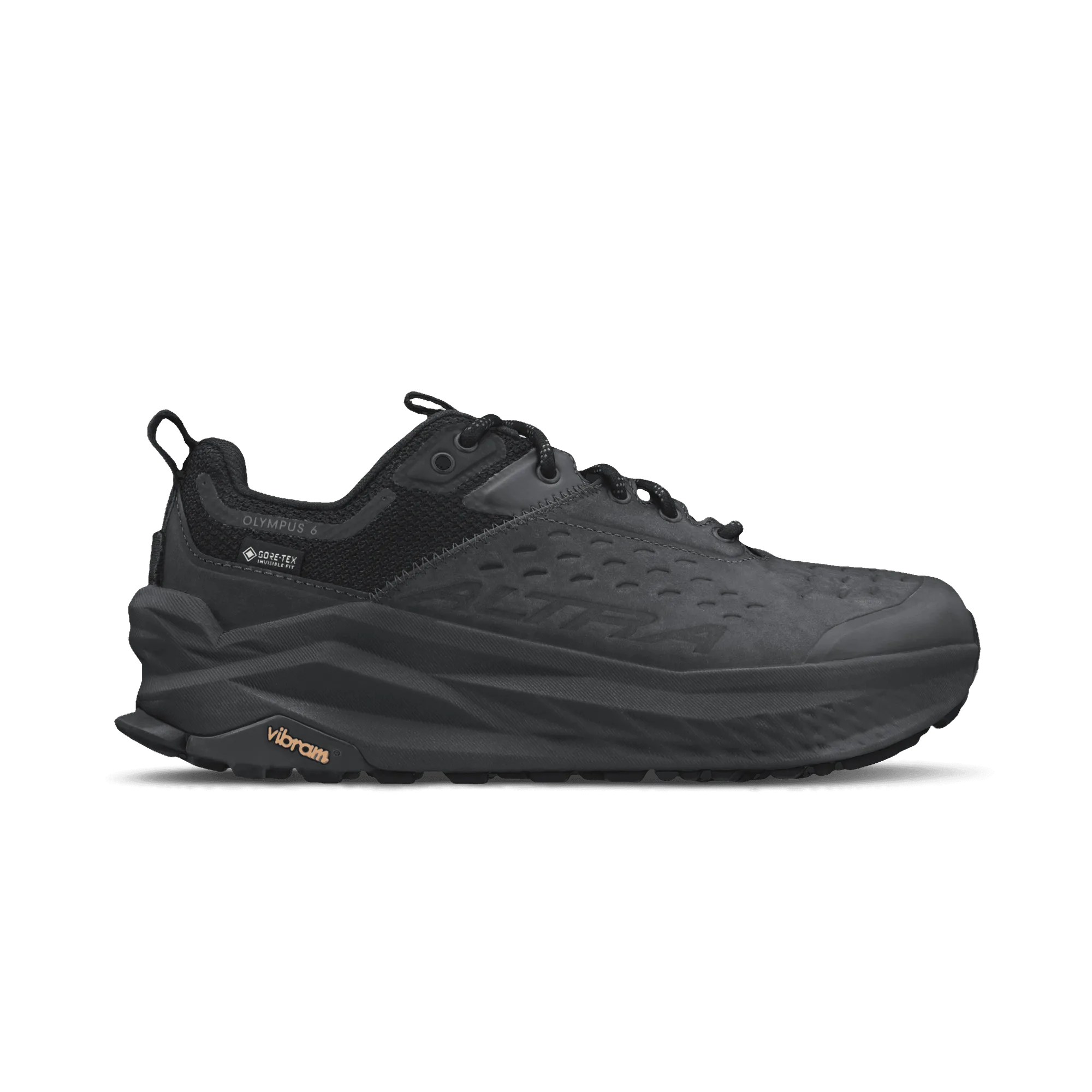
- Women's Olympus 6 Hike Low GTX: The Women's Olympus 6 Hike Low GTX features GORE-TEX Invisible Fit waterproof lining, a leather upper, a constructed collar for a stable fit on technical terrain, and a grippy outsole. For wet or technical days, waterproofing and a stable collar matter more to your experience than whether the shoe is zero drop.