Quick answer
Measure the finished opening first, then add 1 to 2 inches to choose your zipper length. The zipper tape must extend past both ends of the opening so you can anchor it in a seam. If your opening is 7 inches, use an 8- or 9-inch zipper. Never match the zipper length exactly to the opening or you will have no tape to sew into the seam allowance.
Why zipper length and opening size are not the same number
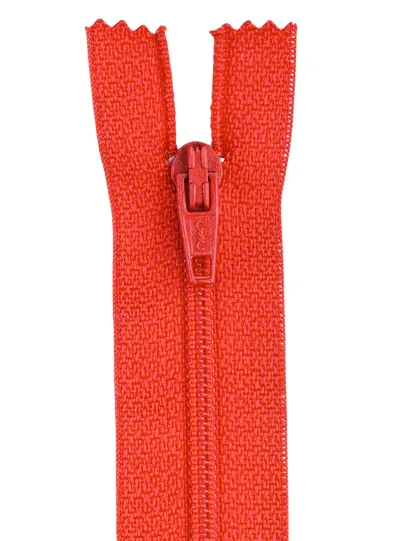
A zipper's stated length measures the usable zipper track from the top stop to the bottom stop, not the full length of the tape. The tape extends beyond those stops by roughly half an inch on each end. When you install a zipper, you sew through the tape, not the teeth. That means the opening you cut in your fabric can be shorter than the zipper, but it cannot be longer. If the opening is longer than the zipper track, the slider will not close the gap.
For a bag or pillow, the opening is the finished gap where you want access. For a garment, the opening is the seam line where the two fabric edges meet. In both cases, the zipper tape needs to be caught in the seam at both ends. A zipper that is too short leaves exposed fabric edges. A zipper that is too long can be shortened, but only if you have the right tools and the zipper has metal or plastic teeth you can remove without damaging the tape.
How to measure the opening you actually need
Close your project or hold the two fabric pieces together as they will be worn or used. Mark where you want the opening to start and stop with pins or a fabric marker. Measure between those marks along the seam line, not along the curve of the fabric. For a pillow, measure the width of the pillow insert at its widest point. For a bag, measure the finished top edge where the zipper will sit. Write the number down. This is your opening measurement.
If you are working from a pattern, the pattern piece usually tells you the finished opening. Check the pattern's cutting layout or instruction sheet for a zipper placement line. If the pattern does not specify, measure the seam where the zipper will be inserted. Do not measure the zipper itself and assume it will fit. The zipper you buy comes after you know the opening.
Choosing zipper size: add overlap, then round up
Add 1 inch to your opening measurement for a standard seam allowance of 1/2 inch on each end. Add 2 inches if you are working with thick fabric, a bag with bulky seams, or a pillow where you want extra tape to anchor into the side seams. Then round up to the nearest available zipper length. Zippers commonly come in even lengths like 7, 9, 12, 14, 16, 18, 20, and 22 inches. If your opening is 11 inches, add 2 inches for a bag and choose a 14-inch zipper. The extra tape gets trimmed or hidden in the seam.
For a zipper for pillow projects, a 14-inch zipper fits a 12-inch opening with 1 inch of tape on each side. For a zipper for bag projects, a 16-inch zipper often works for a 14-inch opening because bag seams are thicker. Always check the zipper's actual tape length before sewing. Some zippers have longer tape than others even at the same stated length.
What to do when you only have a shorter zipper
If your zipper is shorter than your opening plus overlap, you have two options. First, you can shorten the opening by sewing a deeper seam at one or both ends. This works for bags and pillows where the opening is not fixed by a pattern. Second, you can add a zipper extension or a flap, but that changes the design. If neither works, buy a longer zipper and shorten it. Shortening a zipper is easier than lengthening one.
To shorten a zipper, sew a bar tack across the teeth at your desired length, then cut the tape and teeth about 1/2 inch beyond the bar tack. Use sharp scissors and avoid cutting the tape too close to the bar tack. This method works for nylon coil and plastic zippers. Metal zippers require metal snips and can damage your fabric scissors, so keep a separate pair for metal.
Step-by-step: measure and choose your zipper
- Close the project and mark the opening: Pin the fabric pieces together as they will be finished. Mark the start and end of the opening along the seam line with a fabric marker or pins. Common mistake: measuring along the fabric's cut edge instead of the seam line. The seam line is where the zipper tape will actually be sewn.
- Measure between the marks: Use a flexible tape measure and record the distance in inches. For a pillow, measure the insert width. For a bag, measure the finished top edge. Checkpoint: write the number down. Do not rely on memory.
- Add 1 to 2 inches for overlap: Add 1 inch for standard seams or 2 inches for thick fabrics and bag seams. This extra tape anchors the zipper into the seam allowance. Common mistake: adding too little. If the tape barely reaches the seam, the zipper will pull out with use.
- Round up to the nearest zipper length: Choose the next available zipper length above your adjusted measurement. For example, an 11-inch opening plus 2 inches equals 13, so choose a 14-inch zipper. Checkpoint: if the zipper is more than 2 inches longer than needed, plan to shorten it or adjust your opening.
- Verify tape length before sewing: Lay the zipper next to your opening. The tape should extend at least 1/2 inch past each end. If it does not, choose a longer zipper. Common mistake: assuming all zippers have the same tape length. Measure the actual tape, not just the stated zipper length.
Kits and fabric that make measuring easier
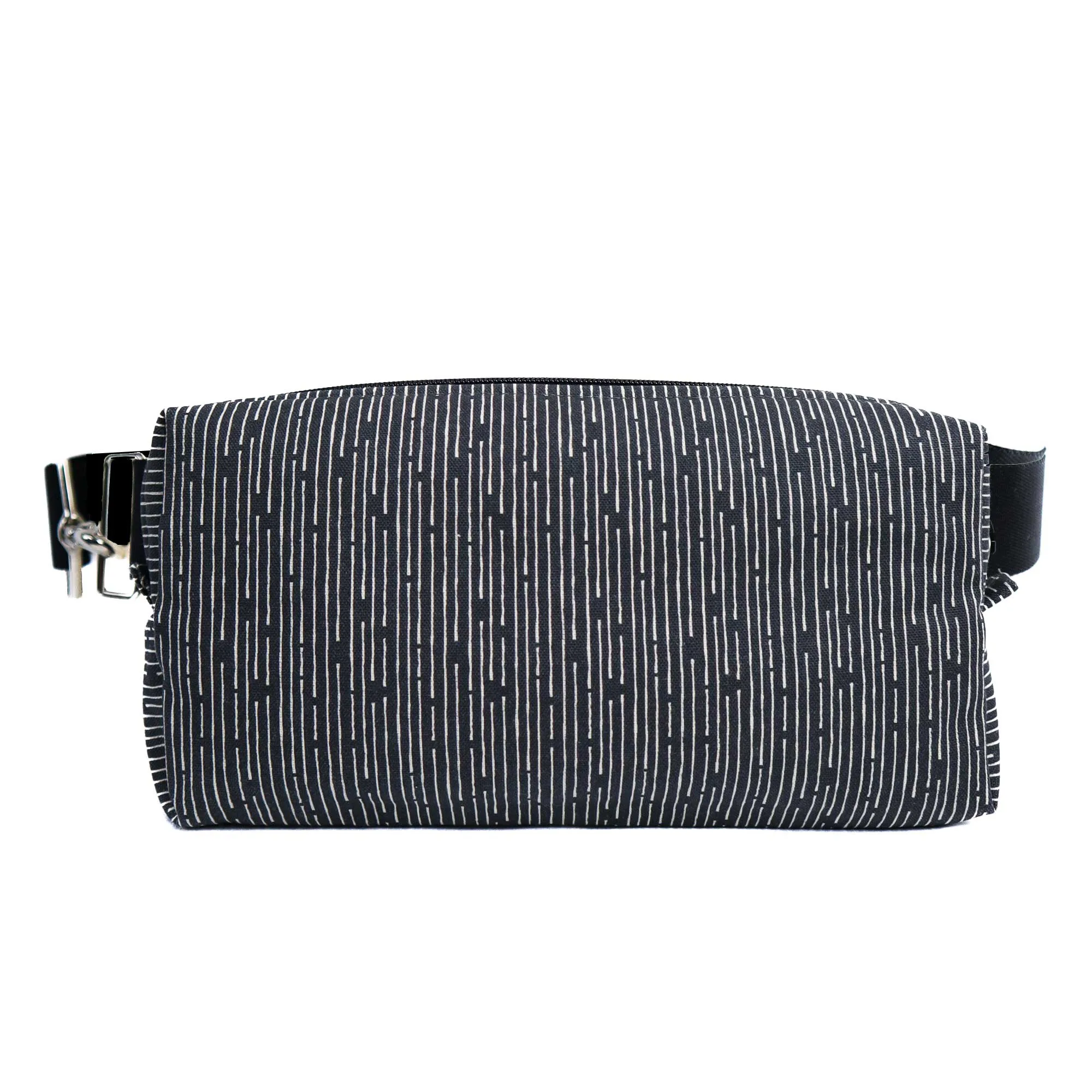
- Belt Bag Sewing Kit: Belt Bag Sewing Kit includes an adjustable strap and a secure closure. The kit's strap and closure are already sized, so you only need to measure the zipper opening for the main compartment. Check the kit instructions for the finished opening before buying a zipper.
- Bees Cream from Sweet Little Friends by Gabriela Dachin for Paintbrush Studios: Bees Cream from Sweet Little Friends is 100% cotton, 44/45 inches wide, 143 GSM, with 3-5% shrinkage. This medium-weight quilting cotton is stable enough for zipper installation in pillows and small bags. Pre-wash to account for shrinkage before you cut your opening.