Quick answer
For quilting and bag projects, choose the zipper style based on whether the opening needs to separate completely. Non-separating zippers are the standard for pouches and quilted bags because they stay closed at one end. Separating zippers are for jackets and items that open fully. When replacing a pull, match the slider to the tape size and type; the tape itself is the fabric strip holding the teeth, and its width and material affect how it sews into seams.
What zipper pulls and zipper tapes actually are
A zipper pull, also called a slider, is the part you grab to open and close the zipper. It runs along the teeth and can often be replaced if it breaks or wears out. The zipper tape is the woven fabric strip on each side of the teeth; it is what you sew into your project. Tape width, tooth type, and tape material determine how the zipper behaves in a seam. For quilting and bag making, you will usually work with zipper tape that is flexible enough to turn corners and strong enough to hold up to repeated use.
Separating vs non-separating zippers: the core choice
Separating zippers come apart completely at the bottom, with two separate tapes that can be joined or split. They are used for jackets, cardigans, and projects that need to open fully. Non-separating zippers have a fixed bottom stop that keeps the tapes joined; they are the default for bags, pouches, pillow covers, and quilted cases. When choosing zippers for bags, a non-separating zipper is almost always the right call because it prevents the bag from splitting open at the bottom. If you are making a garment that opens flat, choose separating.
Zipper tape sizes and how they affect sewing
Zipper tape sizes are usually given as a number, such as #3, #5, or #10. The number refers to the width of the teeth when zipped, in millimeters. Smaller numbers like #3 are lightweight and flexible, good for garments and small pouches. Larger numbers like #5 or #10 are heavier and better for bags that carry weight. The tape width also matters: wider tape gives more room to sew without hitting the teeth, while narrower tape is easier to hide in a seam. For quilted bags, #5 is a common middle ground. Always check the tape width against your pattern; if the pattern specifies a size, substituting a different size can change the fit of the zipper opening.
Zipper pull replacement: when and how
If the zipper teeth and tape are still in good shape but the pull is broken or missing, you can often replace just the pull. Zipper pull replacement requires matching the slider to the tape size and type. A #5 slider will not work on a #3 tape. Also, separating and non-separating zippers use different sliders, so check that the replacement is designed for your zipper style. To replace, remove the old slider by cutting the top stops or unpicking the stitching, then slide the new pull onto the teeth and secure new top stops. If the tape is worn or the teeth are damaged, replace the whole zipper instead.
Quilting zipper types and project matching
In quilting, zippers appear in bags, pouches, quilted jackets, and organizers. For a quilted pouch, a non-separating zipper with a #3 or #5 tape works well. For a quilted jacket, you need a separating zipper that matches the garment length. Some quilters prefer zipper tape that can be customized with fabric tabs or pulls, which is common in bag making. When buying zippers, consider the tape color and material; cotton tape is easy to sew but may fray, while polyester tape is durable and resists stretching. If your project uses a lot of zippers, buying by the yard or in bulk can be more economical than individual packs.
Trade-offs when choosing zippers
- Non-separating vs separating: Non-separating zippers keep the bottom closed, which is safer for bags and pouches. Separating zippers open fully, which is necessary for jackets and garments. Choose non-separating for bags, separating for garments.
- Smaller vs larger zipper tape sizes: Smaller sizes like #3 are lightweight and flexible but may not hold heavy loads. Larger sizes like #5 or #10 are stronger but bulkier and can be harder to sew into tight curves. Match the zipper size to the weight of the bag contents and the pattern recommendations.
- Replacing the pull vs replacing the whole zipper: Replacing just the pull is cheaper and faster if the tape and teeth are intact. Replacing the whole zipper is necessary if the tape is worn, the teeth are damaged, or the zipper is sewn in permanently. Inspect the tape and teeth before deciding; if in doubt, replace the whole zipper.
Products that pair well with zipper projects
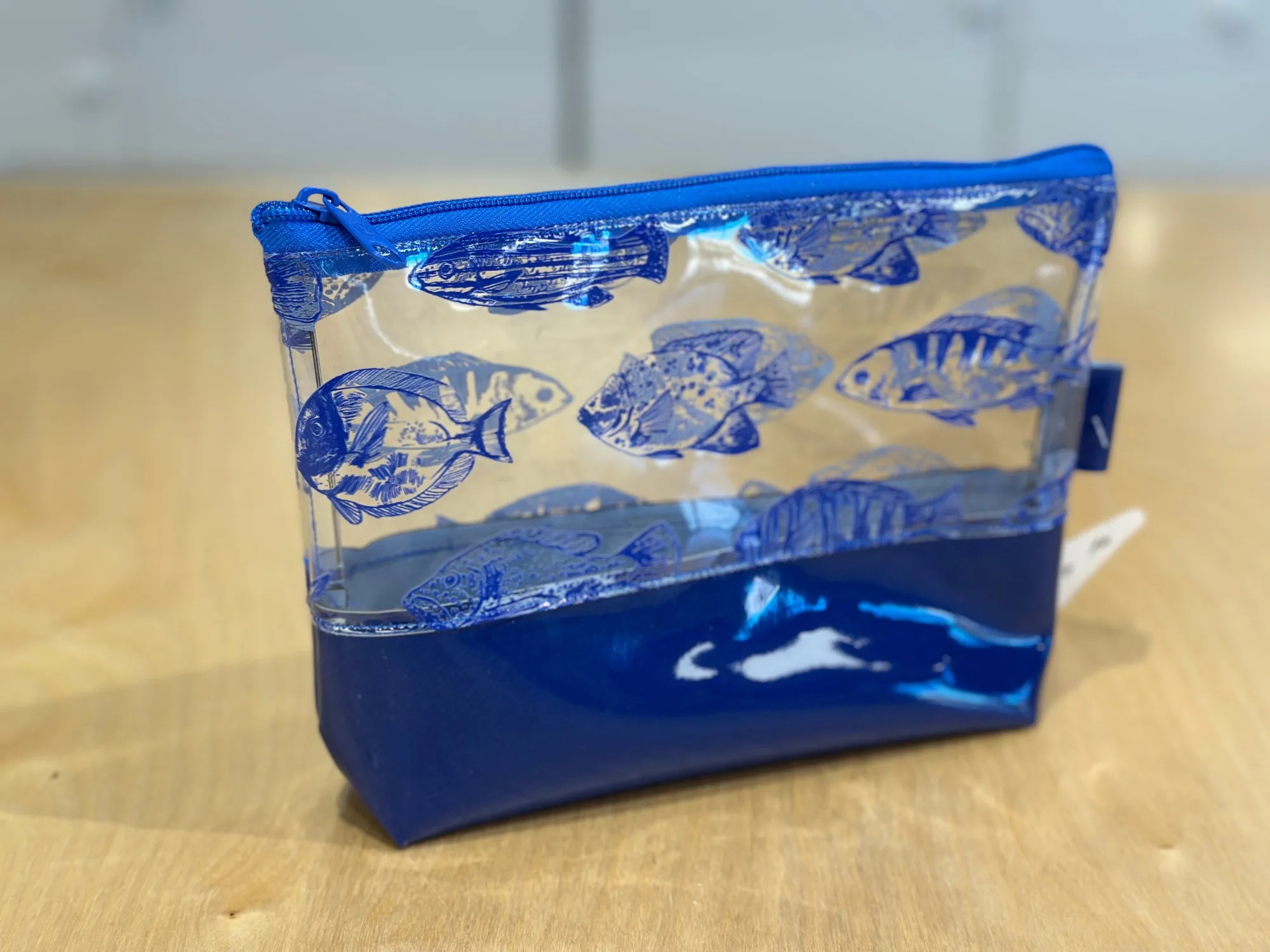
- Clear Vinyl Bag #524 - Coastal Fish with Royal Blue Base: Clear Vinyl Bag #524 - Coastal Fish with Royal Blue Base: clear vinyl, sturdy zip closure, fun print, and sized for sewing supplies, cosmetics, travel essentials, or craft tools. A ready-made zippered pouch that shows how a non-separating zipper works in a see-through bag; useful for storing zipper pulls and tapes.
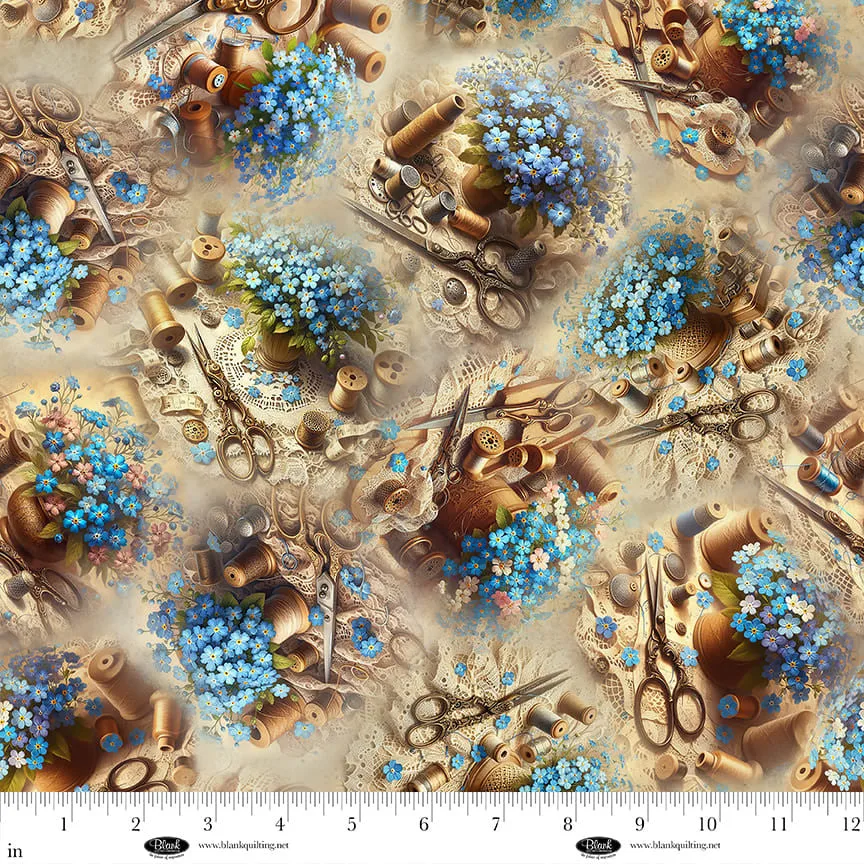
- Forget Me Not - Flowers on Doilies - Cream - Yardage: Forget Me Not - Flowers on Doilies - Cream - Yardage: cotton yardage from the Forget Me Not collection by Blank Quilting Corporation, designed by Marilyn Lee, featuring sewing-themed motifs and a soft blue and cream palette. A quilting-weight cotton that can be used to make custom zipper tabs, pouch exteriors, or binding that coordinates with zipper tape.
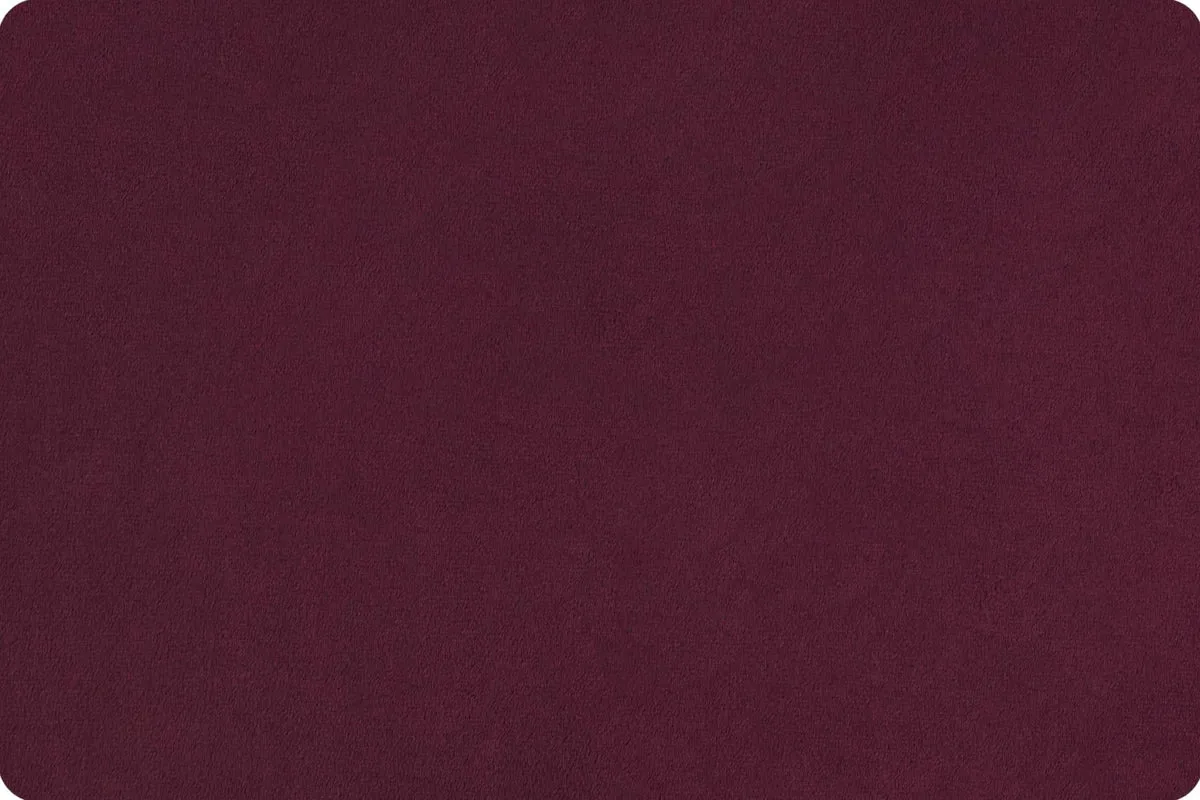
- Extra Wide Solid Cuddle 3 Plumwine Yardage: Extra Wide Solid Cuddle 3 Plumwine Yardage: 90-inch wide, 100% polyester Cuddle minky plush from Shannon Fabrics, suitable for seamless quilt backings, tablecloths, curtains, or large throw blankets. Useful for cozy projects where a zipper might be used in a duffel or storage bag; the wide width reduces piecing for large backing pieces.
Which zipper should you choose?
Best for
- Bag makers who need a secure, non-separating zipper for pouches and totes.
- Quilters making quilted jackets or garments that require a separating zipper.
- Sewists replacing a broken pull on a zipper with intact tape and teeth.
Not for
- Projects that need a fully separating zipper but are sewn with a non-separating style.
- Heavy-duty bags where a lightweight #3 zipper may fail under load.
- Garments where a non-separating zipper would prevent the item from opening flat.