Hyperpigmentation—whether it's melasma, post-inflammatory marks, or sun spots—requires a disciplined sun protection strategy. While any broad-spectrum sunscreen helps, the choice between a tinted formula and an untinted one can significantly impact your results. ZO Skin Health offers both options, and understanding the difference is key to preventing dark spots from worsening.
In this comparison, we'll examine the ZO Skin Health Smart Tone SPF 50 (a tinted mineral sunscreen) against untinted ZO sunscreens like Daily Sheer Broad-Spectrum SPF 50. We'll discuss how iron oxides in tinted formulas block visible light—a crucial factor for hyperpigmentation—and help you decide which suits your skin type and lifestyle.
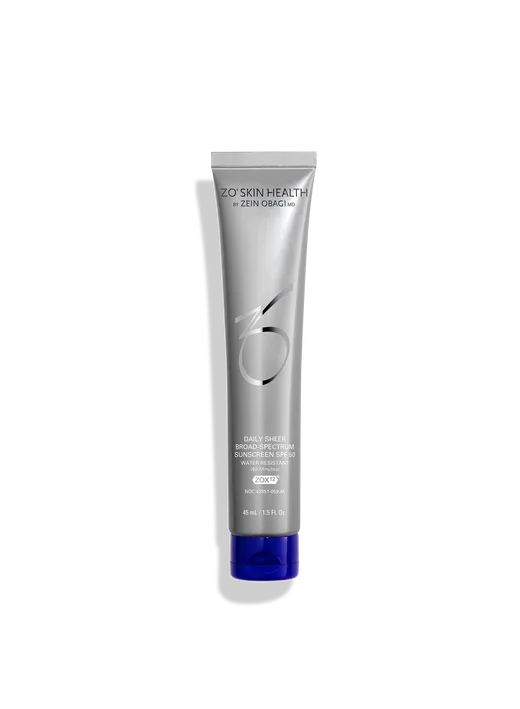
Daily Sheer Broad-Spectrum SPF 50
Why Tinted Sunscreens Matter for Hyperpigmentation
Hyperpigmentation is triggered not only by UV rays but also by visible light (especially high-energy visible, or HEV, light). Untinted sunscreens typically block UVB and UVA but allow visible light to penetrate, which can stimulate melanocytes and worsen conditions like melasma. Tinted sunscreens contain iron oxides—mineral pigments that physically block visible light, offering an extra layer of defense.
For this reason, dermatologists often recommend tinted formulas for patients with melasma or stubborn dark spots. ZO Skin Health Smart Tone SPF 50 is designed with this in mind, combining zinc oxide with iron oxides to provide broad-spectrum UV protection and visible light defense in one step.
- Visible light can trigger melanin production, especially in darker skin tones.
- Iron oxides in tinted sunscreens block HEV light, reducing hyperpigmentation risk.
- Smart Tone SPF 50 offers a universal tint that adapts to most skin tones.
ZO Smart Tone SPF 50: Key Features and Benefits
ZO Skin Health Smart Tone Broad-Spectrum SPF 50 is a 100% mineral sunscreen with a sheer, universal tint. It provides high-level UVA/UVB protection while also shielding against visible light. The lightweight, non-greasy formula works well under makeup and leaves a natural, satin finish that suits a range of skin tones.
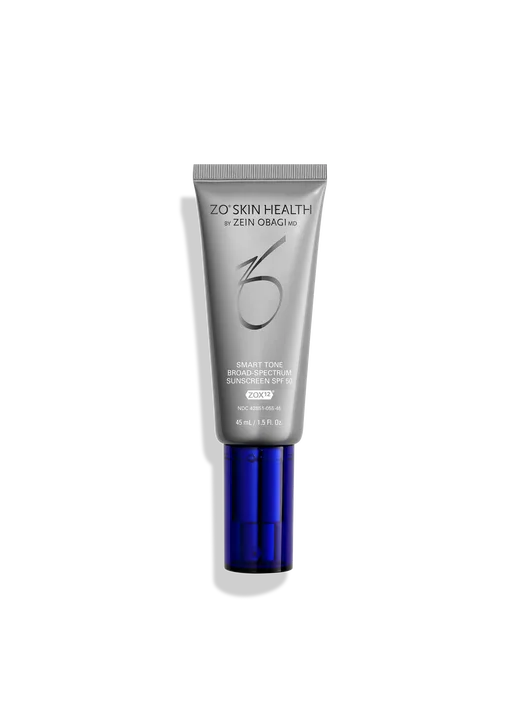
Smart Tone Broad-Spectrum SPF 50
One standout benefit is its ability to help prevent hyperpigmentation from progressing. By blocking both UV and visible light, it addresses the two main triggers of melanin overproduction. Additionally, its antioxidant complex helps neutralize free radicals, further supporting an even skin tone. For those with melasma or post-inflammatory hyperpigmentation, this tinted option is often a go-to.
- SPF 50, broad-spectrum mineral protection (zinc oxide).
- Universal tint with iron oxides for visible light defense.
- Antioxidants help fight environmental stressors.
- Suitable for sensitive skin and post-procedure use.
Untinted ZO Sunscreens: Daily Sheer SPF 50 and Others
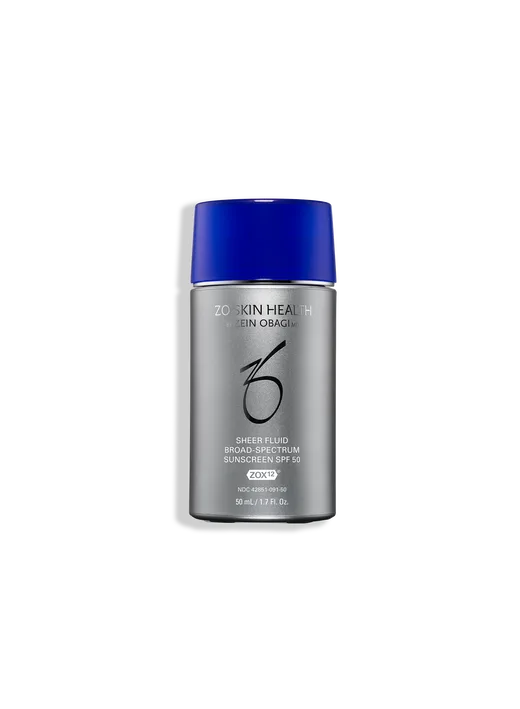
ZO Skin Health also offers excellent untinted sunscreens like Daily Sheer Broad-Spectrum SPF 50. This lightweight, chemical sunscreen provides high protection without a white cast, making it ideal for daily wear under makeup or alone. It's a great choice for those who prefer an invisible finish or have oily skin.
However, untinted formulas do not block visible light. If you're managing hyperpigmentation, they still protect against UV but may leave you vulnerable to HEV-induced darkening. For maintenance on days when you don't need tint, an untinted option can work, but it's not the optimal choice for active hyperpigmentation treatment.
- Daily Sheer SPF 50 offers a weightless, invisible finish.
- Chemical filters absorb UV rays effectively.
- No tint means no visible light protection.
- Better for those without hyperpigmentation concerns.
Smart Tone vs Untinted: A Side-by-Side Comparison
To help you decide, here's a quick comparison of the two types for hyperpigmentation management:
When it comes to preventing dark spots, Smart Tone's iron oxides give it a distinct advantage. Untinted sunscreens are still essential for UV protection, but they lack the visible light defense that tinted formulas provide.
- UV protection: Both offer SPF 50 broad-spectrum coverage.
- Visible light protection: Smart Tone yes; untinted no.
- Finish: Smart Tone has a sheer tint; untinted is clear.
- Makeup wear: Both work well, but tinted can double as a base.
- Skin tone match: Smart Tone adapts; untinted suits all.
Which Should You Choose for Hyperpigmentation?
If you're actively treating melasma, dark spots, or post-inflammatory hyperpigmentation, ZO Smart Tone SPF 50 is the stronger choice. Its ability to block visible light can make a meaningful difference in preventing new pigmentation. It's also a versatile product that can be worn alone or under makeup, simplifying your routine.
On the other hand, if you don't have significant hyperpigmentation or prefer an invisible finish, Daily Sheer SPF 50 is a reliable daily option. You can also alternate: use Smart Tone on high-exposure days or when your pigmentation is more active, and a lighter untinted formula when you're mostly indoors.
- For melasma or stubborn spots: choose Smart Tone SPF 50.
- For everyday, no-fuss protection: Daily Sheer SPF 50 works.
- Consider layering: apply untinted sunscreen first, then a tinted foundation or powder.
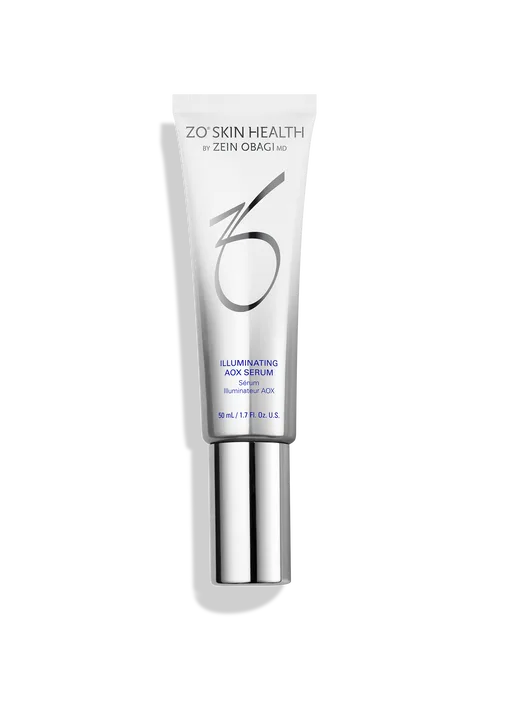
Ultimately, the best sunscreen for hyperpigmentation is one you'll wear consistently—and one that blocks both UV and visible light. ZO Smart Tone SPF 50 offers that comprehensive protection with a natural tint, making it a powerful ally in your fight against dark spots. Pair it with a targeted treatment like ZO Illuminating AOX Serum for enhanced brightening, and you're on your way to a more even complexion.