Quick Answer
If you cook a variety of rice types and want precise, adaptive results, choose a Neuro Fuzzy model. If you mainly cook standard white rice and prefer a simpler, more budget-friendly option, a Micom model will serve you well. Both use fuzzy logic, but Neuro Fuzzy adds a sensor that adjusts cooking power automatically.
Understanding Micom and Neuro Fuzzy Technology
Zojirushi's Micom (microcomputer) rice cookers use a built-in microcomputer to control cooking temperature and time based on a fixed menu of settings. They offer multiple cooking functions like white rice, brown rice, and porridge, and they maintain temperature with a keep-warm cycle.
Neuro Fuzzy models go a step further: they include a sensor that monitors the cooking temperature and automatically adjusts the heating power to compensate for variations in water amount, rice type, and even room temperature. This results in more consistent, tailored results with less manual adjustment.
Key Differences at a Glance
The main difference is the level of automation. Micom models rely on preset programs, while Neuro Fuzzy models use a sensor to fine-tune the cooking process. This means Neuro Fuzzy can handle a wider range of conditions without you having to tweak water ratios or settings.
In practice, Neuro Fuzzy models often produce slightly better texture for delicate rice types like sushi or jasmine, and they're more forgiving if you accidentally add a bit too much or too little water. Micom models are simpler and generally more affordable, making them a solid choice for everyday white rice.
How to Choose Between Micom and Neuro Fuzzy
Start by considering your cooking habits. If you make rice several times a week and mostly cook standard white rice, a Micom model will be efficient and easy to use. If you experiment with different rice varieties, cook for guests, or want the best possible texture, a Neuro Fuzzy model is worth the investment.
Also consider your budget and counter space. Neuro Fuzzy models tend to be larger and more expensive. Check the capacity you need: Zojirushi offers 3-cup, 5.5-cup, and 10-cup models in both lines. For most households, a 5.5-cup model is a good balance.
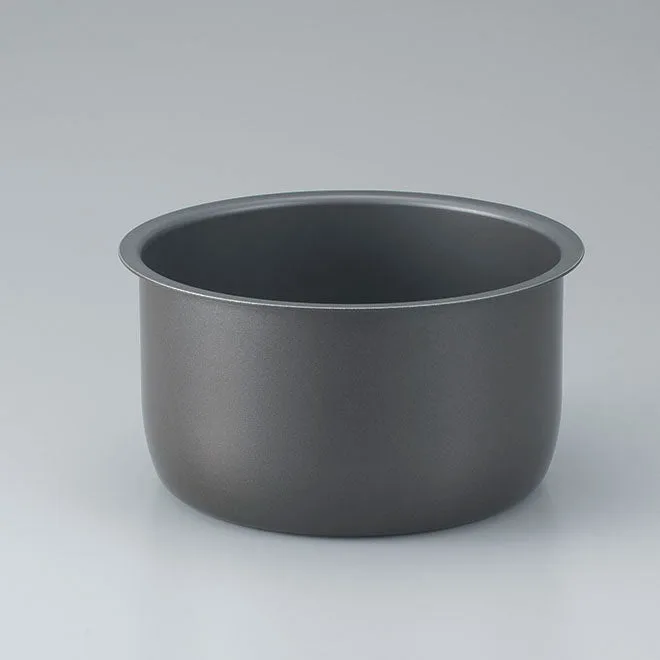
Don't forget that the inner cooking pan is model-specific. If you ever need a replacement pan, you must match the exact model number—pans from different models are not interchangeable. For example, the Pan (B257) is designed for NS-TGC10 / WAC10 / WPC10 / WXC10 (5.5 Cup Model) only.
Decision Rules for Micom vs. Neuro Fuzzy
- Rule 1: Evaluate your rice variety: If you cook more than two types of rice (e.g., sushi, jasmine, brown, mixed grain), choose Neuro Fuzzy for its adaptive sensor. If you stick to standard white rice, Micom is sufficient. More variety = Neuro Fuzzy; simplicity = Micom.
- Rule 2: Consider your tolerance for adjustment: Neuro Fuzzy automatically compensates for water and temperature variations, so you don't need to tweak settings. Micom requires you to select the correct program and use precise water ratios. Prefer hands-off? Go Neuro Fuzzy.
- Rule 3: Set a budget and capacity: Micom models are generally more affordable and smaller. Neuro Fuzzy models cost more and are often larger. Choose a capacity that matches your household size—5.5-cup is typical for 2-4 people. Match size and price to your needs.
Replacement Parts to Keep in Mind
- Pan (B257) for NS-TGC10 / WAC10 / WPC10 / WXC10 (5.5 Cup Model): This inner cooking pan is for NS-TGC10 / WAC10 / WPC10 / WXC10 (5.5 Cup Model). Inner cooking pans from different models are NOT INTERCHANGEABLE. When your pan wears out or gets scratched, you need the exact match for your cooker model. Ordering the wrong pan will not fit properly and could affect cooking performance.
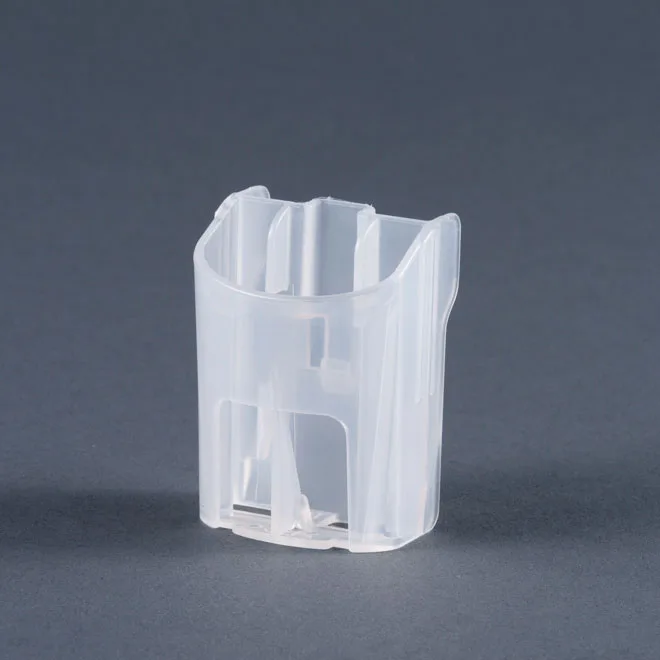
- Spatula Holder for NH-VBC / NL-GAC / NP-HCC/HBC/HTC/NVC/NWC/GBC / NS-YAC: This spatula holder is designed for use with a range of Zojirushi rice cooker models, including NH-VBC, NL-GAC, NP-HCC, NP-HBC, NP-HTC, NP-NVC, NP-NWC, NP-GBC, and NS-YAC. If you lose or break the spatula holder, this replacement part keeps your spatula clean and within reach. It's a small, affordable accessory that fits many models, so check compatibility before ordering.
Which Zojirushi Rice Cooker Fits You?
Best for
- Home cooks who prepare a variety of rice types and want consistent, adaptive results
- Anyone who values hands-off cooking and is willing to pay more for precision
Not for
- Budget-conscious buyers who only cook standard white rice and want a simple, affordable appliance
- Those with limited counter space who prefer a compact, no-frills cooker