Schnelle Antwort
Unterwäsche kündigt ihr Ablaufdatum nicht an. Sie verblasst, dehnt sich und wird so allmählich dünner, dass man sich anpasst, ohne es zu merken. Das Ergebnis ist eine Schublade voller Teile, die technisch noch funktionieren, aber ihre Aufgabe nicht mehr richtig erfüllen.
Dieser Leitfaden trennt Symptom von wahrscheinlicher Ursache, gibt dir eine Korrekturmaßnahme zum Ausprobieren und sagt dir, wann du mit Reparieren aufhören und ersetzen solltest. Dieselbe Logik gilt für BHs, Slips, Socken und Strumpfhosen, sodass du pro Teil eine klare Entscheidung treffen kannst.
Unterwäsche: Wenn Dehnung und Ausdünnung das Ende bedeuten
Das erste Anzeichen ist meist der Bund. Wenn er sich rollt, verdreht oder sogar bei richtiger Größe Spuren hinterlässt, verliert das Elastan seine Rückstellkraft. Stoff, der am Gesäß oder Schritt dünner wirkt oder kleine Löcher in der Nähe der Nähte bekommt, ist ebenfalls am Ende seiner Lebensdauer. Diese Veränderungen treten schneller auf, wenn du heiß in der Maschine wäschst oder im Trockner trocknest.
Bevor du etwas ersetzt, versuche eine sanfte Wäsche in kaltem Wasser und Lufttrocknung. Wenn das Gummiband danach immer noch nicht zurückschnappt, wird es sich nicht mehr verbessern. Ein stützender Slip oder Shorty sollte einen normalen Tag lang an Ort und Stelle bleiben, ohne dass du ständig nachjustieren musst. Wenn du ihn wiederholt hochziehen musst, ist die Passform hin, selbst wenn der Stoff noch gut aussieht.
Prüfe zuerst den Bund: bleibt er nach dem Loslassen gedehnt, ersetze ihn.
- Halte den Stoff gegen das Licht: dünne, durchscheinende Stellen bedeuten, dass er ausgetragen ist.
- Halte eine kleine Anzahl Alltagsstücke im Umlauf, damit jedes länger hält.
- BHs: Band, Körbchen und Bügel sagen dir die Wahrheit
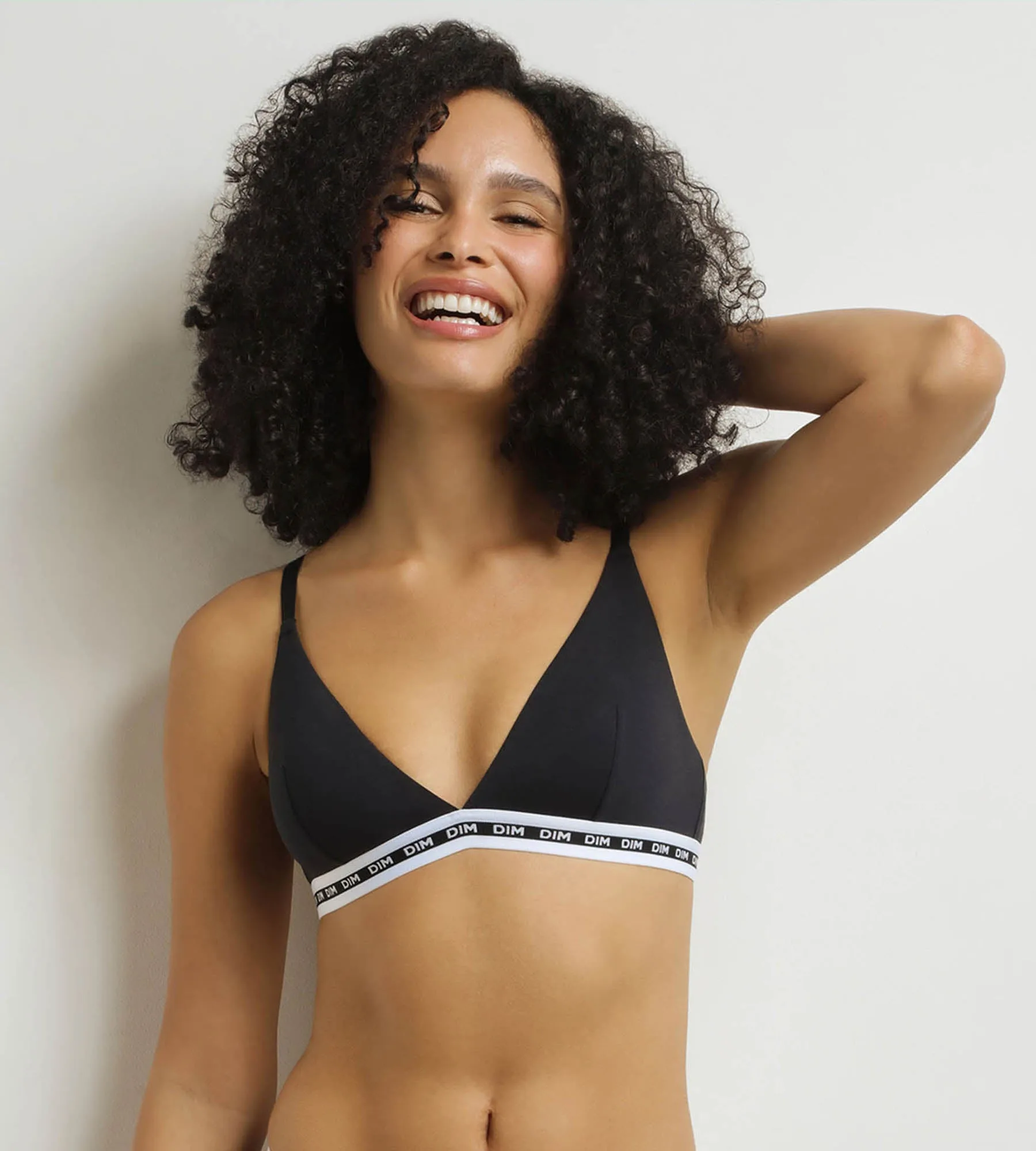
Die Lebensdauer eines BHs hängt davon ab, wie oft du ihn trägst und wie du ihn wäschst. Das zuverlässigste Signal ist das Unterbrustband: Es sollte auf dem lockersten Haken waagerecht und fest sitzen. Wenn du bereits auf den engsten Haken gewechselt hast und das Band immer noch hochrutscht, ist das Gummi am Ende. Körbchen, die Falten werfen oder klaffen, obwohl sie vorher glatt saßen, deuten ebenfalls auf ausgeleiertes Gewebe hin.
A bra's lifespan depends on how often you wear it and how you wash it. The most reliable signal is the band: it should stay level and snug on the loosest hook. If you have moved to the tightest hook and the band still rides up, the elastic is done. Cups that wrinkle or gap when they used to fit smoothly also point to stretched fabric.
Wires that poke, bend or escape the channel are a stop sign. A corrective action like bending the wire back rarely lasts, and a poking wire can scratch or irritate. If the wire has broken through, replace the bra rather than repair it. Rotating three or four bras and washing them in a mesh bag will delay this moment.
- Band rides up in back: tighten straps once, then replace if it still rides.
- Wires poke or break through: replace immediately, do not try to sew them back.
- Cups bubble or wrinkle: the fabric has stretched, replacement is the fix.
Socks and tights: small failures add up fast
Socks wear out from the heel and toe first because that's where friction and moisture concentrate. If the heel feels thin or you can see light through it, the next wash may turn it into a hole. Cuffs that leave deep marks or slide down inside shoes mean the elastic has given up. For tights, a run that keeps growing or a waistband that rolls down all day is a clear replace signal.
You can extend life by air drying and avoiding hot wash cycles, but once a run starts in a high-friction area, repair is usually temporary. Keep a spare pair of everyday tights and socks so a failure doesn't force a rushed purchase. If you wear tights often, rotate between at least two pairs to let the elastic recover between wears.
- Heel or toe feels thin: replace before it becomes a hole.
- Cuff leaves marks or slides down: elastic is spent, replace.
- Tights run at the toe or waistband: repair only if the run is small and not under tension.
When to repair, when to replace, and when to choose a different style
Repair makes sense for a loose hook, a small seam opening, or a minor run that isn't in a stress zone. Replace when the core function fails: support, coverage or staying in place. If you keep replacing the same style every few months, the problem may be the fit or fabric rather than wear. In that case, choose a different construction or material instead of buying the same piece again.
For example, if cotton briefs keep stretching at the waist, a style with a wider waistband or a modal blend may hold up better for your routine. If bras consistently lose shape, check your size and rotation before blaming the bra. The goal is not to keep everything forever, but to keep pieces that genuinely work for you.
- Repair: loose hook, small seam gap, minor run away from stress points.
- Replace: broken wire, stretched band, thin fabric, repeated adjusting.
- Choose differently: same failure twice in a row means the style or size is wrong.
Diagnosis: symptom, cause, action, stop point
- Waistband rolls or leaves marks: Elastane has lost recovery, often from hot washing or tumble drying. Try a cool gentle wash and air dry. If it still rolls or marks, the elastic is spent. Stop repairing and replace when the band no longer stays flat after one gentle wash.
- Bra band rides up or wires poke: The band elastic has stretched, or the wire has bent or broken through the channel. Tighten straps once to test; if the band still rides up, or the wire pokes, it's done. Replace immediately if a wire is exposed; do not try to sew or bend it back.
- Socks thin at heel or tights run repeatedly: Friction and moisture wear the yarn thin. Small runs away from stress points can be repaired temporarily, but heel and toe failures usually spread. Replace when you can see light through the heel or a run keeps growing after repair.
DIM pieces that show what good construction looks like
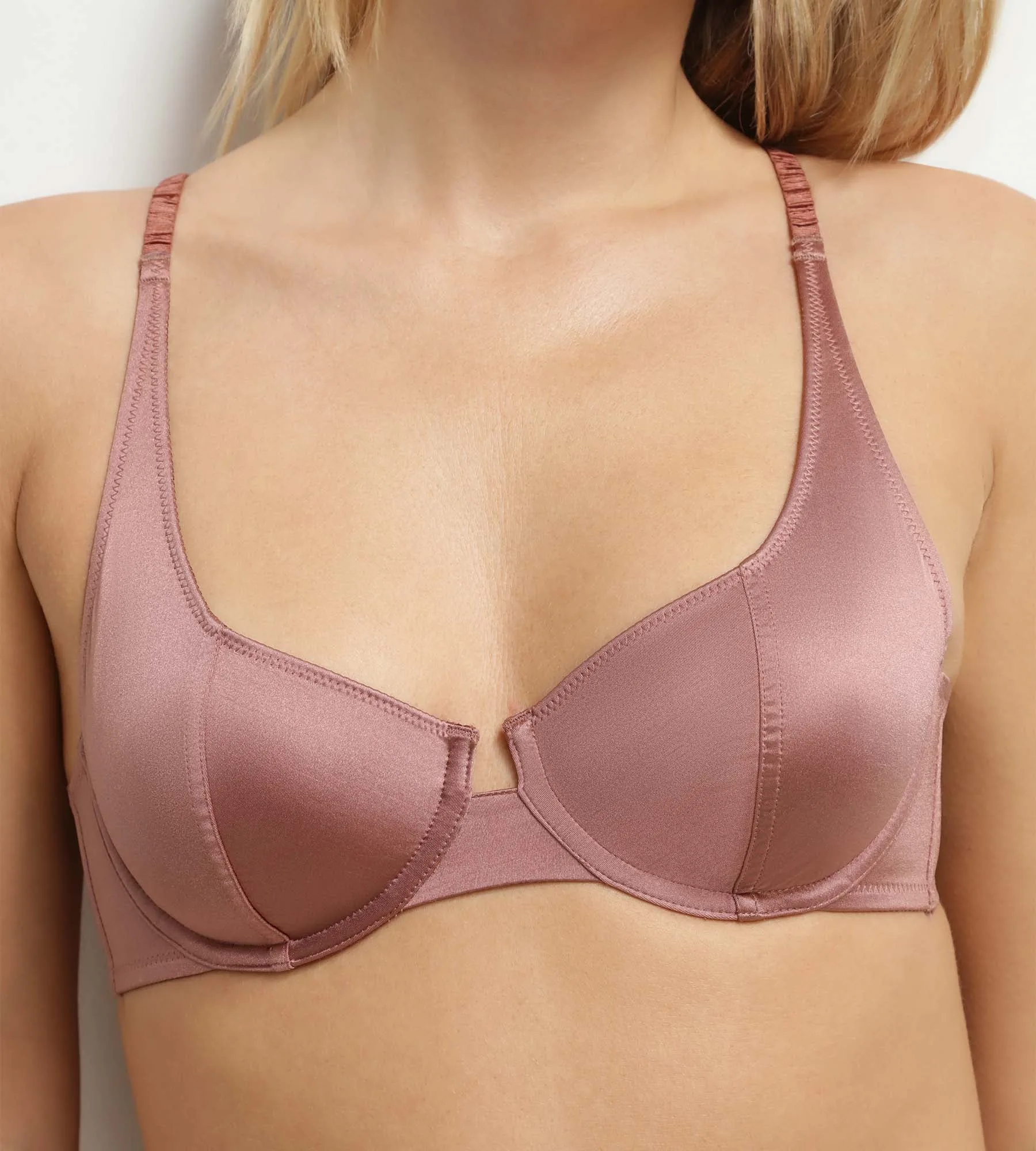
- Soutien-gorge balconnet à armatures en dentelle Marron Chocolove: Balconnet construction with underwires and a vertical seam for assured support, satin fabric with a smooth texture, clean edges, gathered straps and discreet golden adjusters. A bra with a defined band and structured cups gives you clearer fit signals: when the band or wire starts to fail, you'll notice it sooner, so you can replace before discomfort sets in.
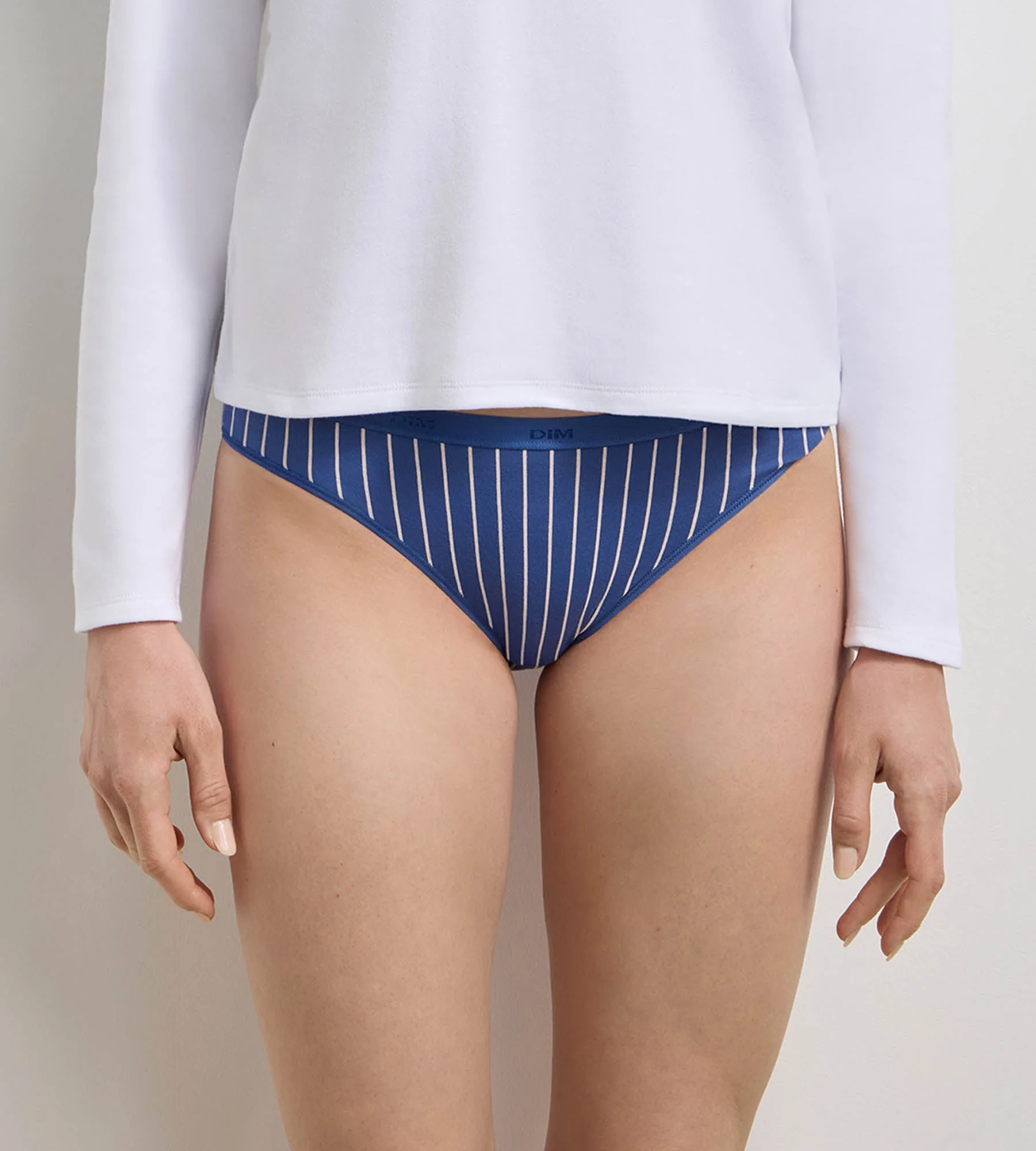
- Lot de 5 culottes matin doux Les Pockets Coton: Cotton composition with elastane for suppleness, classic brief shape, matin doux colour, pack of 5. A multi-pack lets you rotate daily pairs so each one gets rest between wears, which slows elastic fatigue and makes the replace-or-keep decision easier to track.
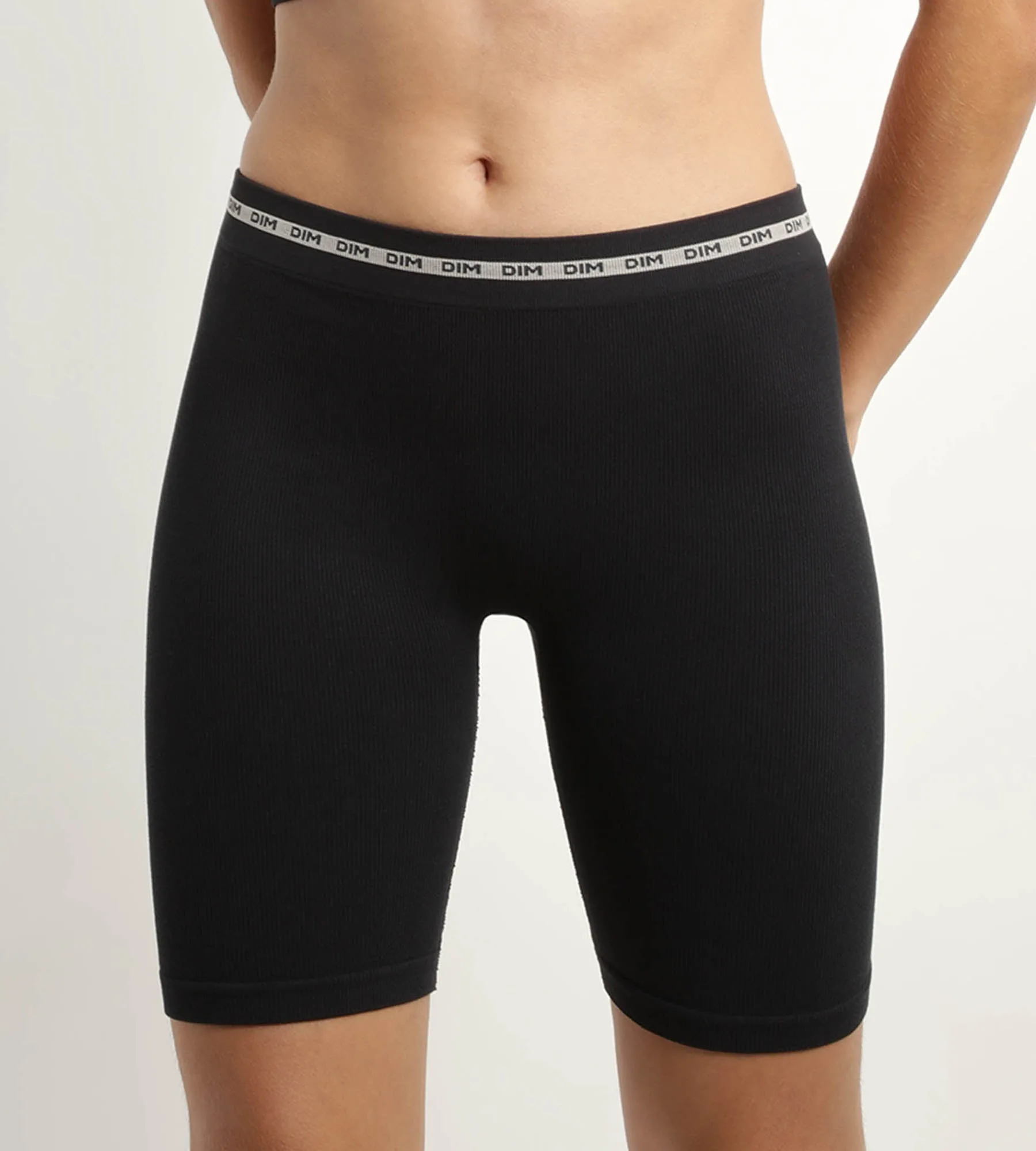
- Cycliste femme en modal polyamide côtelée Noir Dim Icons Seamless: Modal polyamide and cotton blend, mid-thigh length, ribbed knit, invisible waistband with subtle DIM logo, black colour. A seamless ribbed cyclist short is a good example of a piece where a stretched waistband or thin knit is obvious; if it starts rolling or feeling loose, that's your cue to replace.
Use the checks above once a season: stretch the waistbands, look for thin spots, and test whether bras still stay level. If a piece passes, keep it in rotation. If it fails, replace it without guilt, and if the same failure keeps happening, change the style or fabric rather than buying the same one again.