クイックアンサー
ウエストゴムの復元力がなくなる、生地が薄くなったり破れたりする、フィット感が保てなくなったら、下着を交換しましょう。ブラジャーはバンドがずり上がったりワイヤーが突き出たりしたら交換時期、ソックスはかかとが薄くなったりカフスが伸びたりしたら、タイツは伝線やたるみが頻繁になったら交換です。まだ快適でサポート力があるなら使い続けて大丈夫。2つ以上当てはまったら、手放す時です。
下着は、突然「寿命です」と知らせてくれるわけではありません。色褪せ、伸び、薄くなりが少しずつ進むので、気づかないうちに慣れてしまいます。その結果、引き出しには、一応使えるけれども本来の役割を果たせなくなったものが溜まっていきます。
このガイドでは、症状から考えられる原因を切り分け、試すべき対処法を示し、修理をやめて買い替えるべきタイミングを説明します。ブラ、ショーツ、ソックス、タイツにも同じ考え方が使えるので、アイテムごとに迷わず判断できます。
下着:伸びや薄さが限界のサイン
最初のサインはたいていウエストバンドです。サイズが合っているのに、よれたり、ねじれたり、跡が残ったりする場合は、伸縮素材の復元力が失われています。お尻やクロッチ部分の生地が薄くなった、縫い目の近くに小さな穴ができた、という場合も寿命です。高温の洗濯や乾燥機を使うと、こうした変化は早まります。
捨てる前に、ぬるま湯で優しく洗って自然乾燥を試してみてください。それでもゴムが戻らなければ、改善は見込めません。サポート力のあるショーツは、普通の一日を過ごす間、何度も直さなくても位置を保てるはずです。何度も引き上げなければならないなら、見た目が良くてもフィットは終わっています。
- まずウエストバンドをチェック:手を離しても伸びたままなら交換。
- 布地を光にかざす:薄く透ける部分があれば寿命です。
- 日常用のものを少数ローテーションで使い、それぞれの寿命を延ばしましょう。
ブラジャー:バンド・カップ・ワイヤーが真実を教えてくれる
ブラジャーの寿命は、着用頻度と洗濯方法で決まります。最も確実なサインはバンドです。最も緩いフックで水平でぴったりしているべきです。もし最もきついフックに変えてもバンドがまだ上がってくるなら、ゴムは寿命です。以前はきれいにフィットしていたカップにシワや隙間ができるのも、生地が伸びた証拠です。
ワイヤーが突き出る、曲がる、またはチャネルから飛び出すのは、ストップサインです。ワイヤーを曲げて戻すような修正はめったに長持ちせず、突き出たワイヤーは肌を傷つけたり刺激したりすることがあります。ワイヤーが突き破った場合は、修理せずにブラジャーを交換してください。3〜4枚のブラジャーをローテーションし、メッシュバッグで洗うと、この瞬間を遅らせることができます。
- Band rides up in back: tighten straps once, then replace if it still rides.
- Wires poke or break through: replace immediately, do not try to sew them back.
- Cups bubble or wrinkle: the fabric has stretched, replacement is the fix.
Socks and tights: small failures add up fast
Socks wear out from the heel and toe first because that's where friction and moisture concentrate. If the heel feels thin or you can see light through it, the next wash may turn it into a hole. Cuffs that leave deep marks or slide down inside shoes mean the elastic has given up. For tights, a run that keeps growing or a waistband that rolls down all day is a clear replace signal.
You can extend life by air drying and avoiding hot wash cycles, but once a run starts in a high-friction area, repair is usually temporary. Keep a spare pair of everyday tights and socks so a failure doesn't force a rushed purchase. If you wear tights often, rotate between at least two pairs to let the elastic recover between wears.
- Heel or toe feels thin: replace before it becomes a hole.
- Cuff leaves marks or slides down: elastic is spent, replace.
- Tights run at the toe or waistband: repair only if the run is small and not under tension.
When to repair, when to replace, and when to choose a different style
Repair makes sense for a loose hook, a small seam opening, or a minor run that isn't in a stress zone. Replace when the core function fails: support, coverage or staying in place. If you keep replacing the same style every few months, the problem may be the fit or fabric rather than wear. In that case, choose a different construction or material instead of buying the same piece again.
For example, if cotton briefs keep stretching at the waist, a style with a wider waistband or a modal blend may hold up better for your routine. If bras consistently lose shape, check your size and rotation before blaming the bra. The goal is not to keep everything forever, but to keep pieces that genuinely work for you.
- Repair: loose hook, small seam gap, minor run away from stress points.
- Replace: broken wire, stretched band, thin fabric, repeated adjusting.
- Choose differently: same failure twice in a row means the style or size is wrong.
Diagnosis: symptom, cause, action, stop point
- Waistband rolls or leaves marks: Elastane has lost recovery, often from hot washing or tumble drying. Try a cool gentle wash and air dry. If it still rolls or marks, the elastic is spent. Stop repairing and replace when the band no longer stays flat after one gentle wash.
- Bra band rides up or wires poke: The band elastic has stretched, or the wire has bent or broken through the channel. Tighten straps once to test; if the band still rides up, or the wire pokes, it's done. Replace immediately if a wire is exposed; do not try to sew or bend it back.
- Socks thin at heel or tights run repeatedly: Friction and moisture wear the yarn thin. Small runs away from stress points can be repaired temporarily, but heel and toe failures usually spread. Replace when you can see light through the heel or a run keeps growing after repair.
DIM pieces that show what good construction looks like
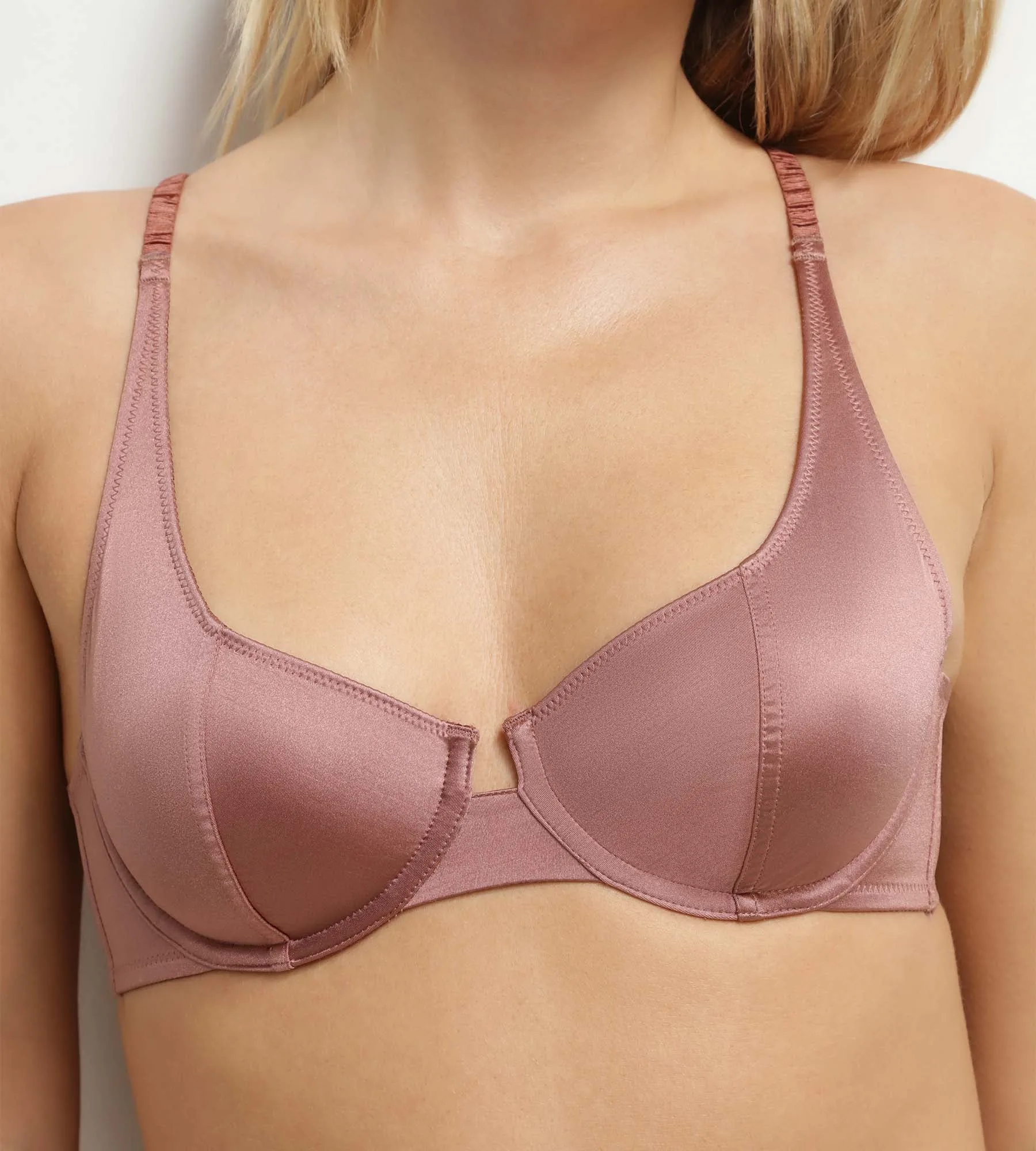
- Soutien-gorge balconnet à armatures en dentelle Marron Chocolove: Balconnet construction with underwires and a vertical seam for assured support, satin fabric with a smooth texture, clean edges, gathered straps and discreet golden adjusters. A bra with a defined band and structured cups gives you clearer fit signals: when the band or wire starts to fail, you'll notice it sooner, so you can replace before discomfort sets in.
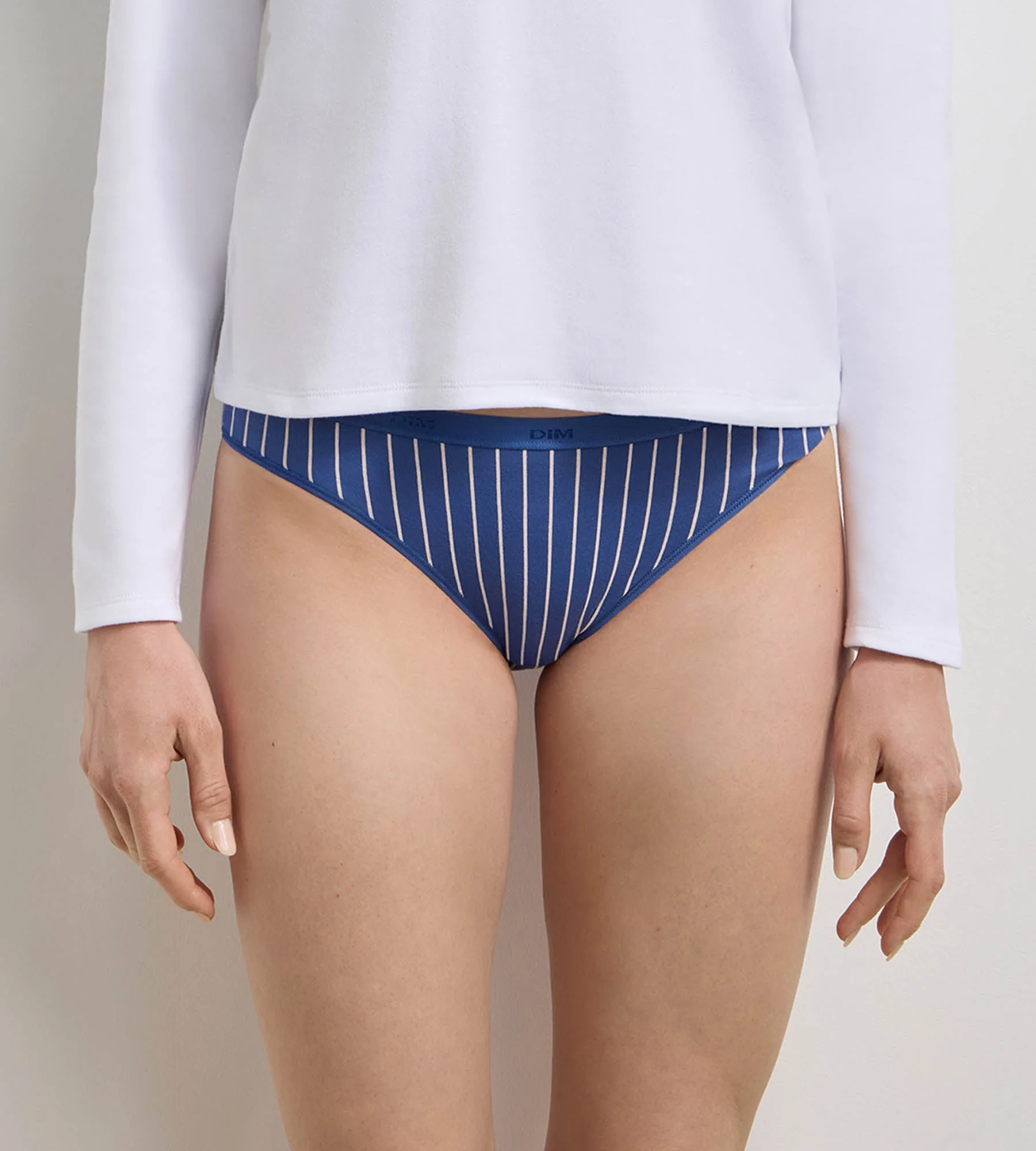
- Lot de 5 culottes matin doux Les Pockets Coton: Cotton composition with elastane for suppleness, classic brief shape, matin doux colour, pack of 5. A multi-pack lets you rotate daily pairs so each one gets rest between wears, which slows elastic fatigue and makes the replace-or-keep decision easier to track.
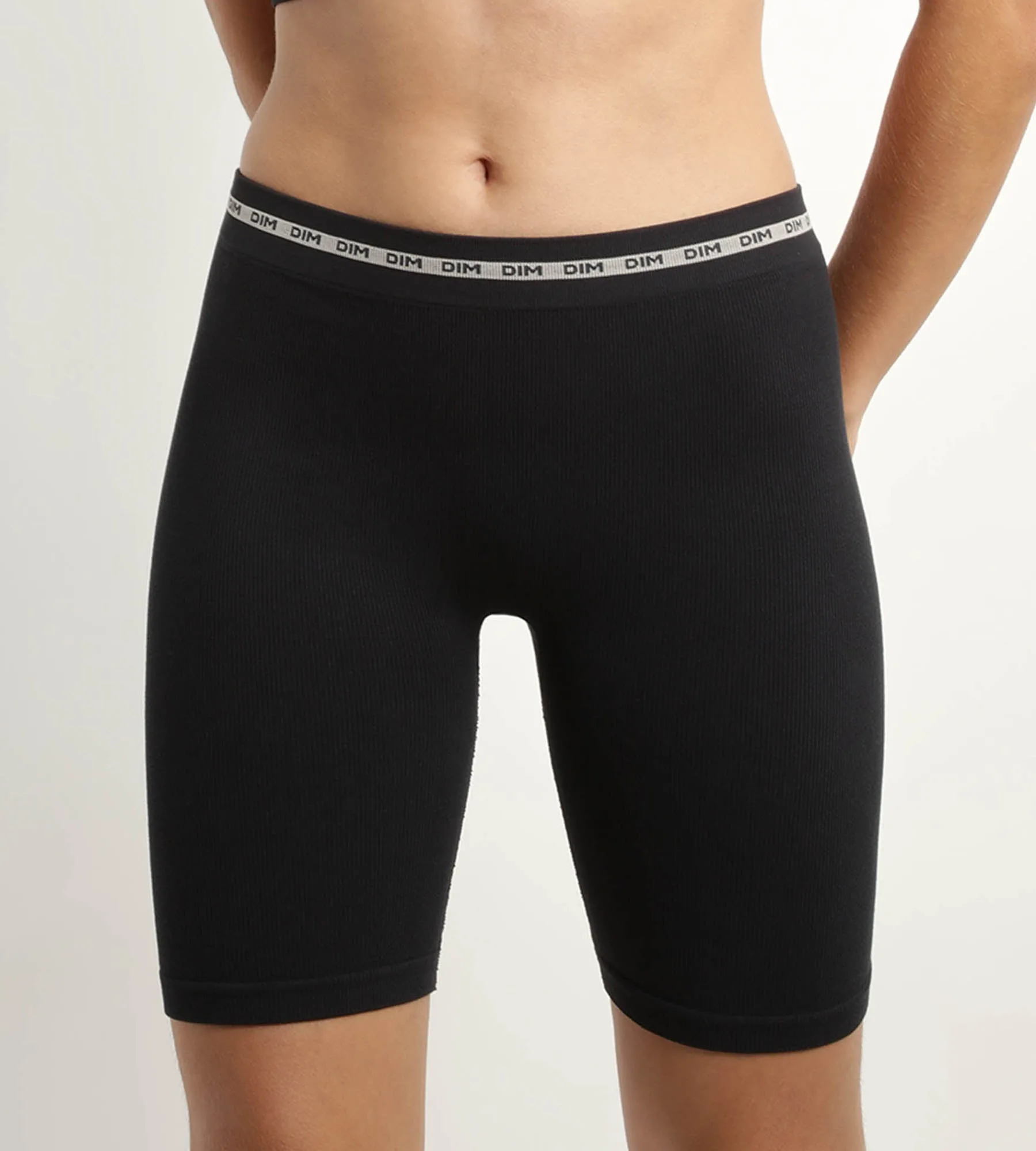
- Cycliste femme en modal polyamide côtelée Noir Dim Icons Seamless: Modal polyamide and cotton blend, mid-thigh length, ribbed knit, invisible waistband with subtle DIM logo, black colour. A seamless ribbed cyclist short is a good example of a piece where a stretched waistband or thin knit is obvious; if it starts rolling or feeling loose, that's your cue to replace.
Use the checks above once a season: stretch the waistbands, look for thin spots, and test whether bras still stay level. If a piece passes, keep it in rotation. If it fails, replace it without guilt, and if the same failure keeps happening, change the style or fabric rather than buying the same one again.