빠른 답변
속옷은 탄력이 회복되지 않고, 원단이 얇아지거나 찢어지거나, 착용감이 더 이상 유지되지 않을 때 교체하세요. 브라는 밴드가 올라가거나 와이어가 찌르면, 양말은 뒤꿈치가 얇아지거나 밴드가 늘어나면, 타이즈는 올이 나거나 처짐이 잦아지면 교체 시기입니다. 여전히 편안하고 지지력이 있다면 계속 착용해도 되고, 위 체크 중 두 가지 이상 해당되면 버리세요.
속옷은 교체 시기를 알려주지 않습니다. 색이 바래고, 늘어나고, 얇아지는 변화가 너무 서서히 일어나서 자연스럽게 적응해 버리기 때문입니다. 그 결과 서랍에는 기술적으로는 작동하지만 제 역할을 제대로 하지 못하는 속옷이 쌓이게 됩니다.
이 가이드는 증상을 원인과 구분하고, 시도해 볼 교정 조치를 제시하며, 언제 수리를 멈추고 교체해야 하는지 알려드립니다. 브라, 팬티, 양말, 타이츠 모두 동일한 논리가 적용되므로 품목별로 명확한 결정을 내릴 수 있습니다.
속옷: 늘어나고 얇아지면 교체 시기
첫 번째 신호는 보통 허리밴드입니다. 사이즈가 맞는데도 밴드가 말리거나 비틀리거나 자국을 남긴다면, 엘라스테인의 회복력이 떨어지고 있다는 뜻입니다. 엉덩이 또는 가랑이 부분의 원단이 얇아지거나, 솔기 근처에 작은 구멍이 생기는 것도 수명이 다했다는 신호입니다. 뜨거운 물 세탁이나 건조기 사용은 이런 변화를 더 빠르게 만듭니다.
Before replacing, try a gentle wash in cool water and air dry. If the elastic still doesn't snap back, it won't improve. A supportive brief or shorty should stay in place through a normal day without constant adjusting. When you have to tug it up repeatedly, the fit is gone even if the fabric looks fine.
- Check the waistband first: if it stays stretched after you let go, replace.
- Hold fabric up to light: thin, see-through spots mean it's worn out.
- Keep a small number of everyday pieces in rotation to make each last longer.
Bras: band, cups and wires tell you the truth
A bra's lifespan depends on how often you wear it and how you wash it. The most reliable signal is the band: it should stay level and snug on the loosest hook. If you have moved to the tightest hook and the band still rides up, the elastic is done. Cups that wrinkle or gap when they used to fit smoothly also point to stretched fabric.
Wires that poke, bend or escape the channel are a stop sign. A corrective action like bending the wire back rarely lasts, and a poking wire can scratch or irritate. If the wire has broken through, replace the bra rather than repair it. Rotating three or four bras and washing them in a mesh bag will delay this moment.
- Band rides up in back: tighten straps once, then replace if it still rides.
- Wires poke or break through: replace immediately, do not try to sew them back.
- Cups bubble or wrinkle: the fabric has stretched, replacement is the fix.
Socks and tights: small failures add up fast
Socks wear out from the heel and toe first because that's where friction and moisture concentrate. If the heel feels thin or you can see light through it, the next wash may turn it into a hole. Cuffs that leave deep marks or slide down inside shoes mean the elastic has given up. For tights, a run that keeps growing or a waistband that rolls down all day is a clear replace signal.
You can extend life by air drying and avoiding hot wash cycles, but once a run starts in a high-friction area, repair is usually temporary. Keep a spare pair of everyday tights and socks so a failure doesn't force a rushed purchase. If you wear tights often, rotate between at least two pairs to let the elastic recover between wears.
- Heel or toe feels thin: replace before it becomes a hole.
- Cuff leaves marks or slides down: elastic is spent, replace.
- Tights run at the toe or waistband: repair only if the run is small and not under tension.
When to repair, when to replace, and when to choose a different style
Repair makes sense for a loose hook, a small seam opening, or a minor run that isn't in a stress zone. Replace when the core function fails: support, coverage or staying in place. If you keep replacing the same style every few months, the problem may be the fit or fabric rather than wear. In that case, choose a different construction or material instead of buying the same piece again.
For example, if cotton briefs keep stretching at the waist, a style with a wider waistband or a modal blend may hold up better for your routine. If bras consistently lose shape, check your size and rotation before blaming the bra. The goal is not to keep everything forever, but to keep pieces that genuinely work for you.
- Repair: loose hook, small seam gap, minor run away from stress points.
- Replace: broken wire, stretched band, thin fabric, repeated adjusting.
- Choose differently: same failure twice in a row means the style or size is wrong.
Diagnosis: symptom, cause, action, stop point
- Waistband rolls or leaves marks: Elastane has lost recovery, often from hot washing or tumble drying. Try a cool gentle wash and air dry. If it still rolls or marks, the elastic is spent. Stop repairing and replace when the band no longer stays flat after one gentle wash.
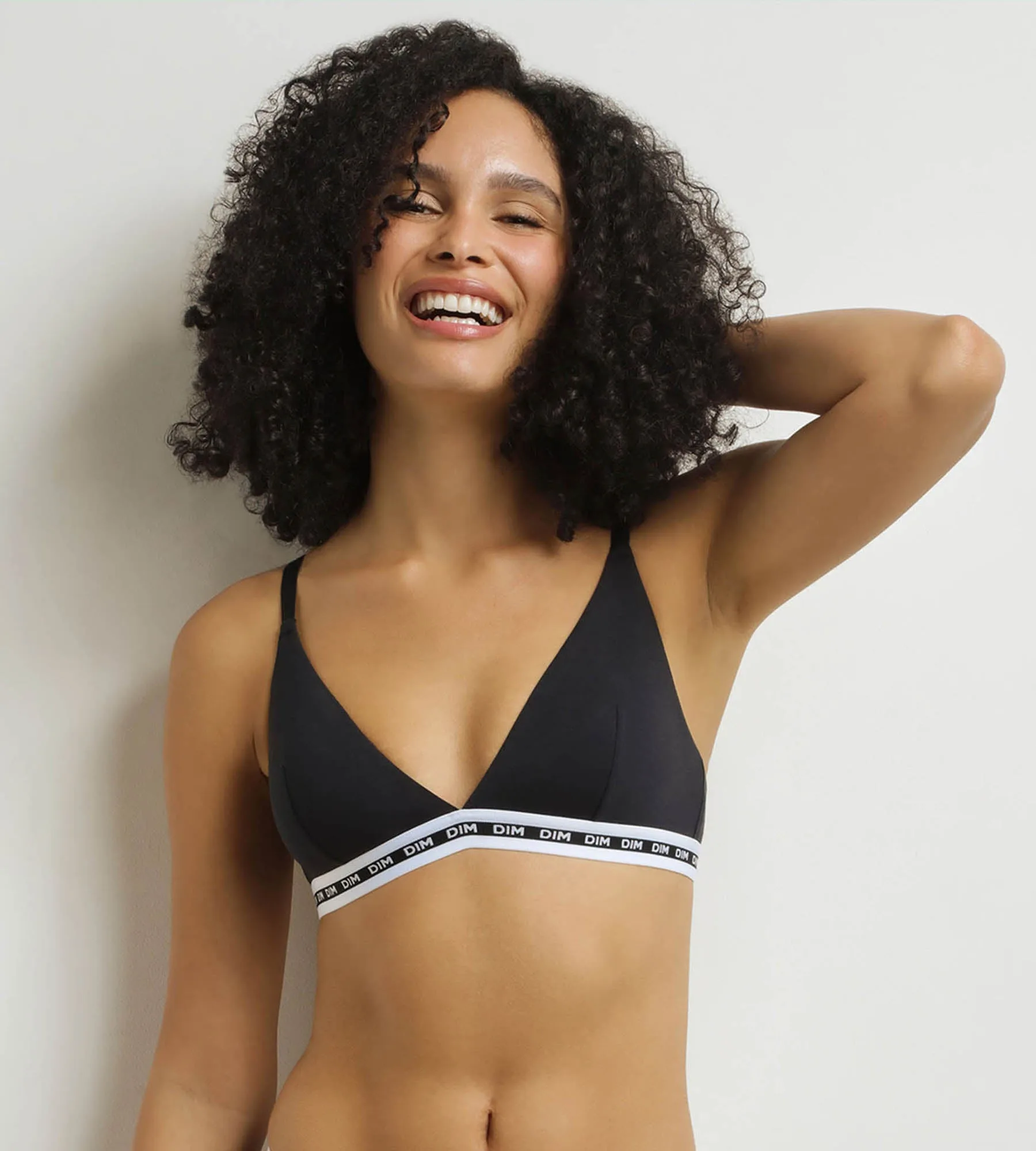
- Bra band rides up or wires poke: The band elastic has stretched, or the wire has bent or broken through the channel. Tighten straps once to test; if the band still rides up, or the wire pokes, it's done. Replace immediately if a wire is exposed; do not try to sew or bend it back.
- Socks thin at heel or tights run repeatedly: Friction and moisture wear the yarn thin. Small runs away from stress points can be repaired temporarily, but heel and toe failures usually spread. Replace when you can see light through the heel or a run keeps growing after repair.
DIM pieces that show what good construction looks like
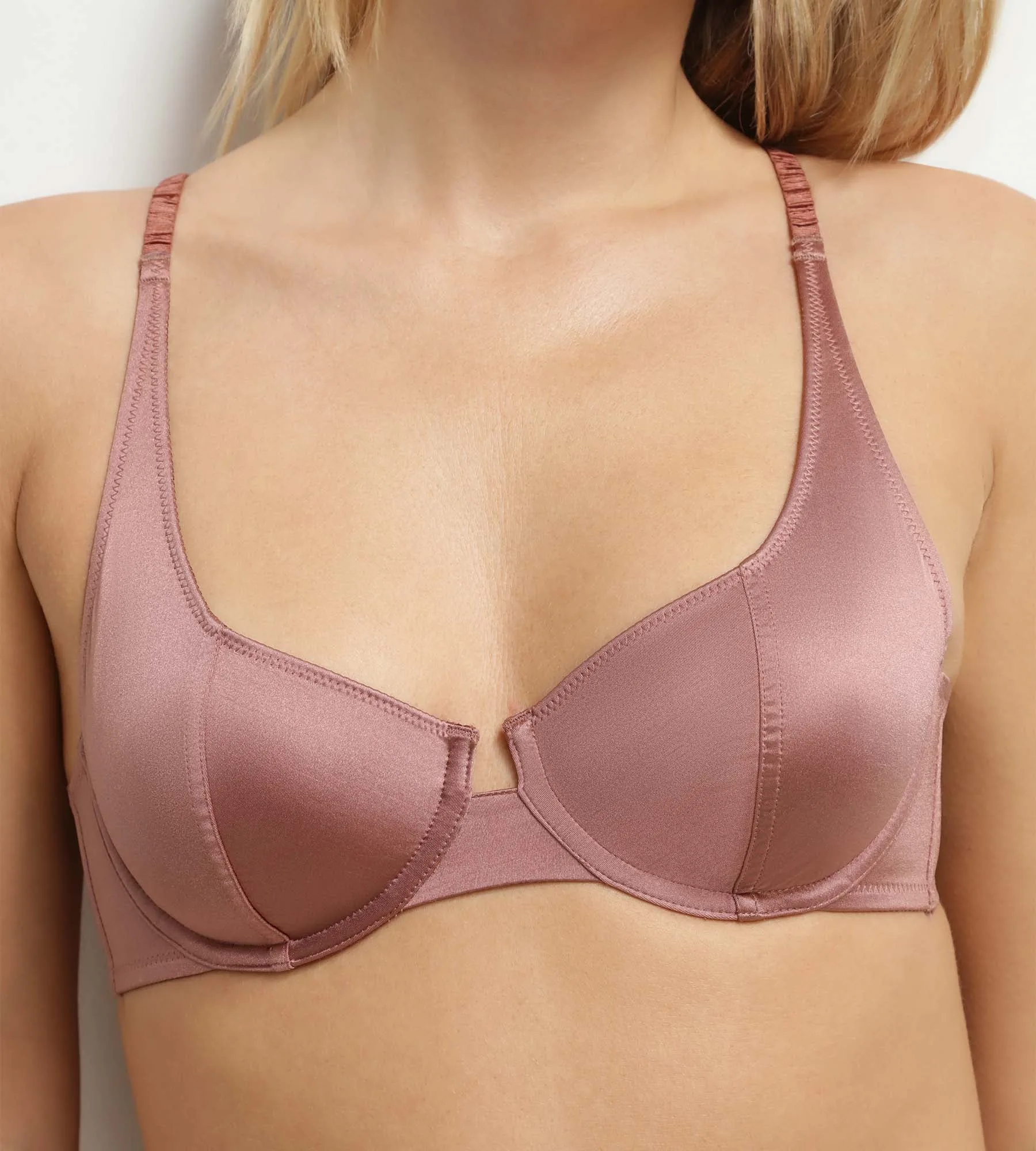
- Soutien-gorge balconnet à armatures en dentelle Marron Chocolove: Balconnet construction with underwires and a vertical seam for assured support, satin fabric with a smooth texture, clean edges, gathered straps and discreet golden adjusters. A bra with a defined band and structured cups gives you clearer fit signals: when the band or wire starts to fail, you'll notice it sooner, so you can replace before discomfort sets in.
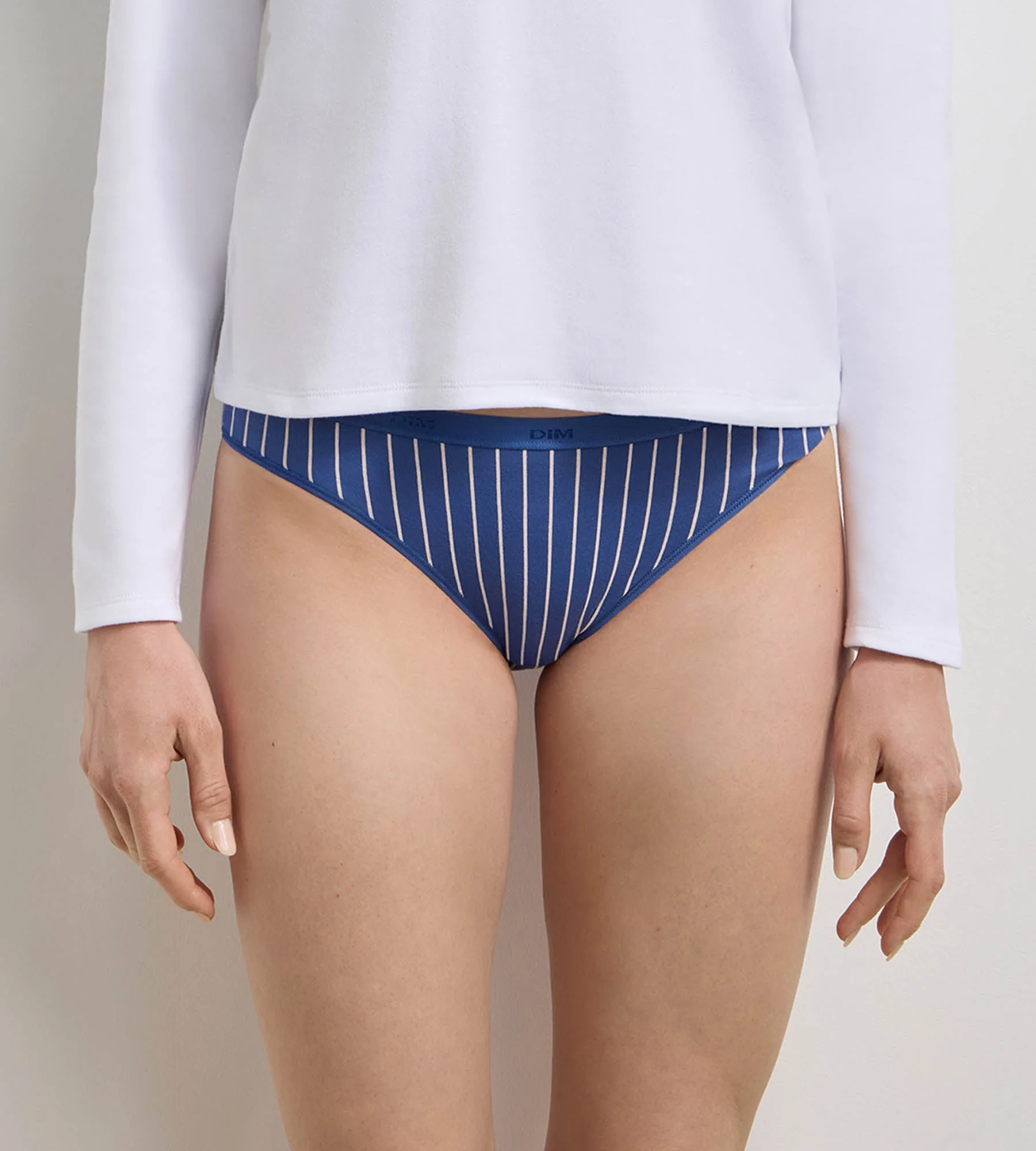
- Lot de 5 culottes matin doux Les Pockets Coton: Cotton composition with elastane for suppleness, classic brief shape, matin doux colour, pack of 5. A multi-pack lets you rotate daily pairs so each one gets rest between wears, which slows elastic fatigue and makes the replace-or-keep decision easier to track.
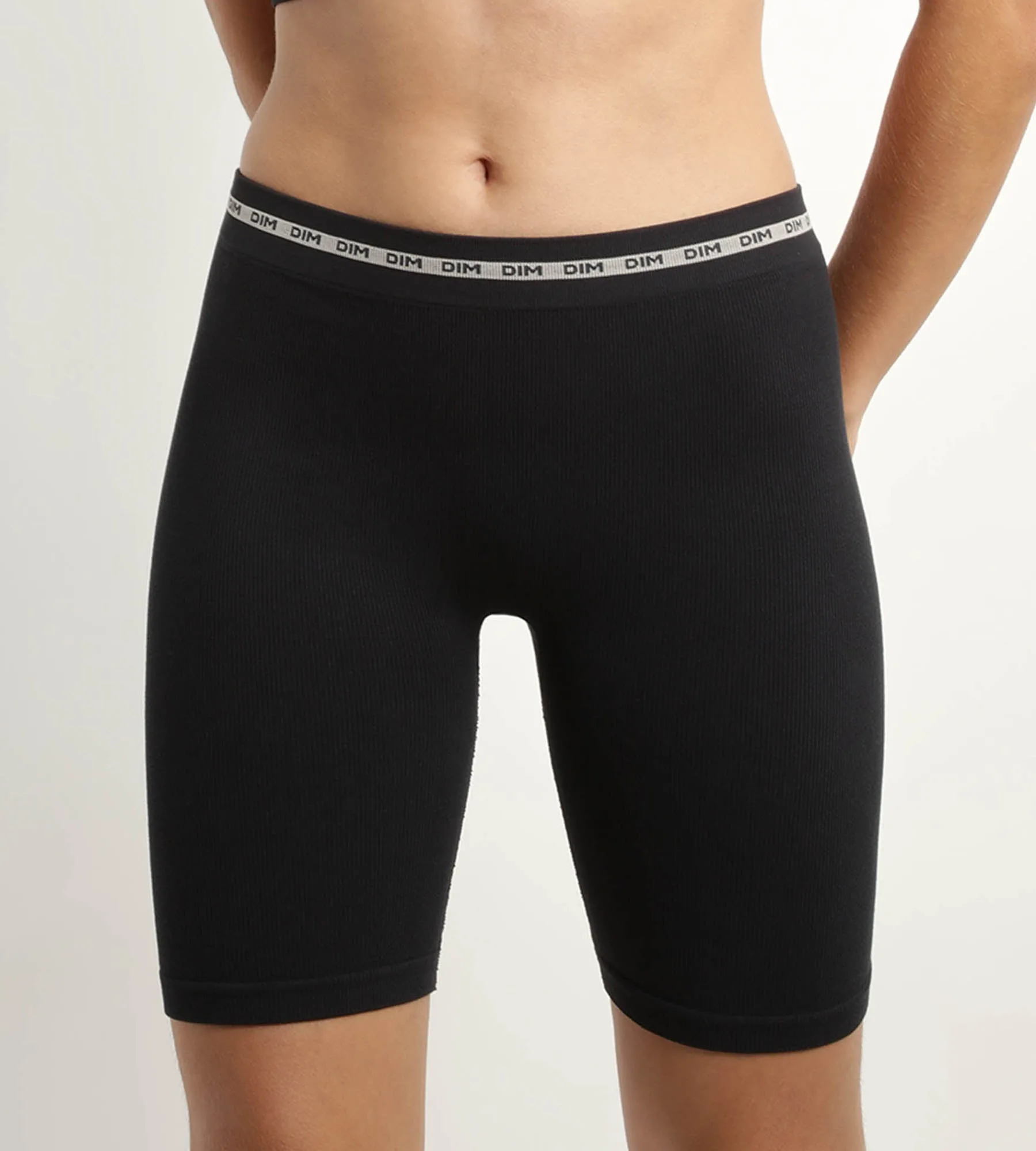
- Cycliste femme en modal polyamide côtelée Noir Dim Icons Seamless: Modal polyamide and cotton blend, mid-thigh length, ribbed knit, invisible waistband with subtle DIM logo, black colour. A seamless ribbed cyclist short is a good example of a piece where a stretched waistband or thin knit is obvious; if it starts rolling or feeling loose, that's your cue to replace.
Use the checks above once a season: stretch the waistbands, look for thin spots, and test whether bras still stay level. If a piece passes, keep it in rotation. If it fails, replace it without guilt, and if the same failure keeps happening, change the style or fabric rather than buying the same one again.