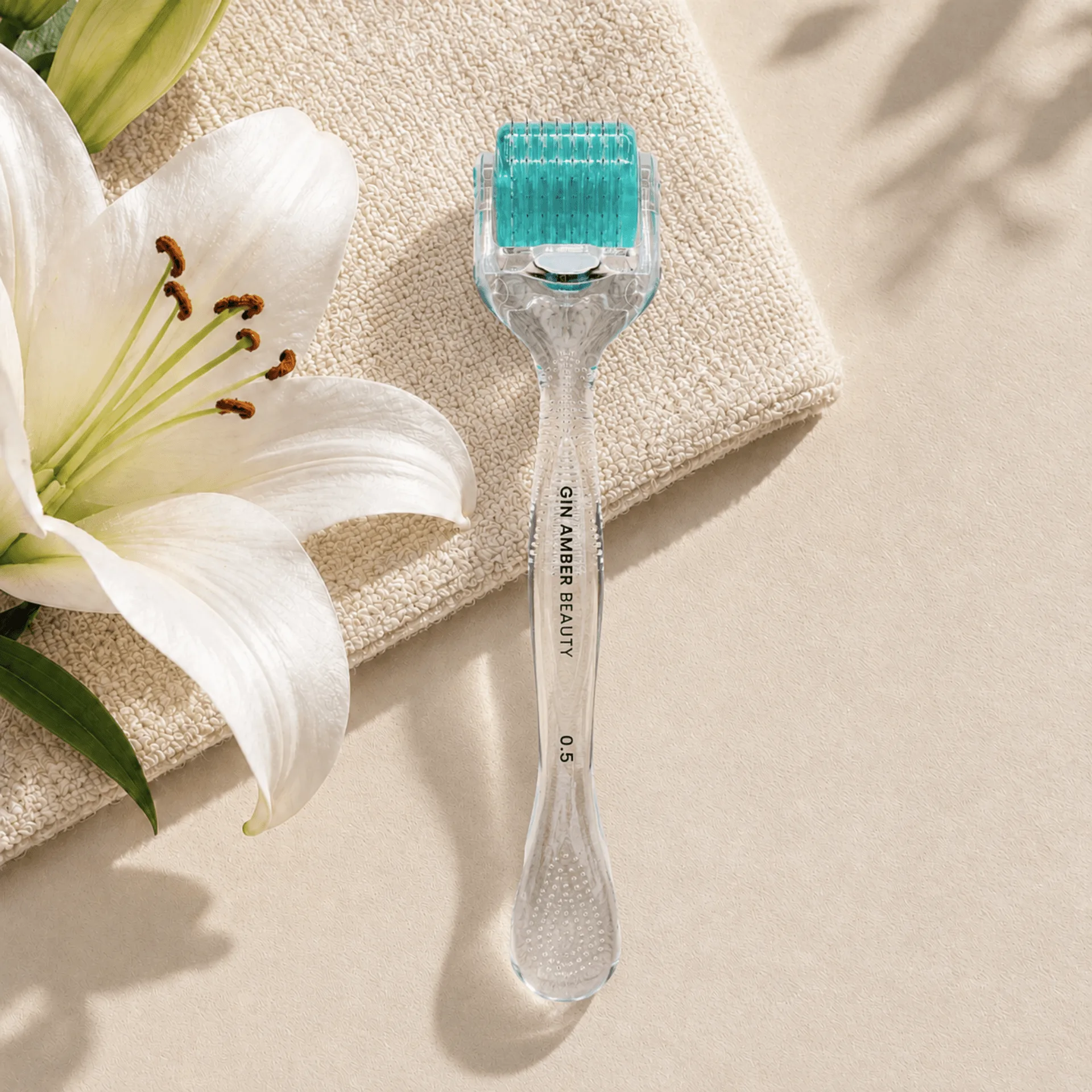
If you're looking to step up your skincare game and address deeper wrinkles, acne scars, or stretch marks, a 1.0mm dermaroller might be the tool you've been searching for. This needle length is considered the sweet spot for at-home microneedling – deep enough to stimulate collagen production in the dermis, yet still manageable for home use when done correctly. In this guide, we'll explore the benefits, potential risks, and essential best practices to help you use a 1.0mm dermaroller safely and effectively.
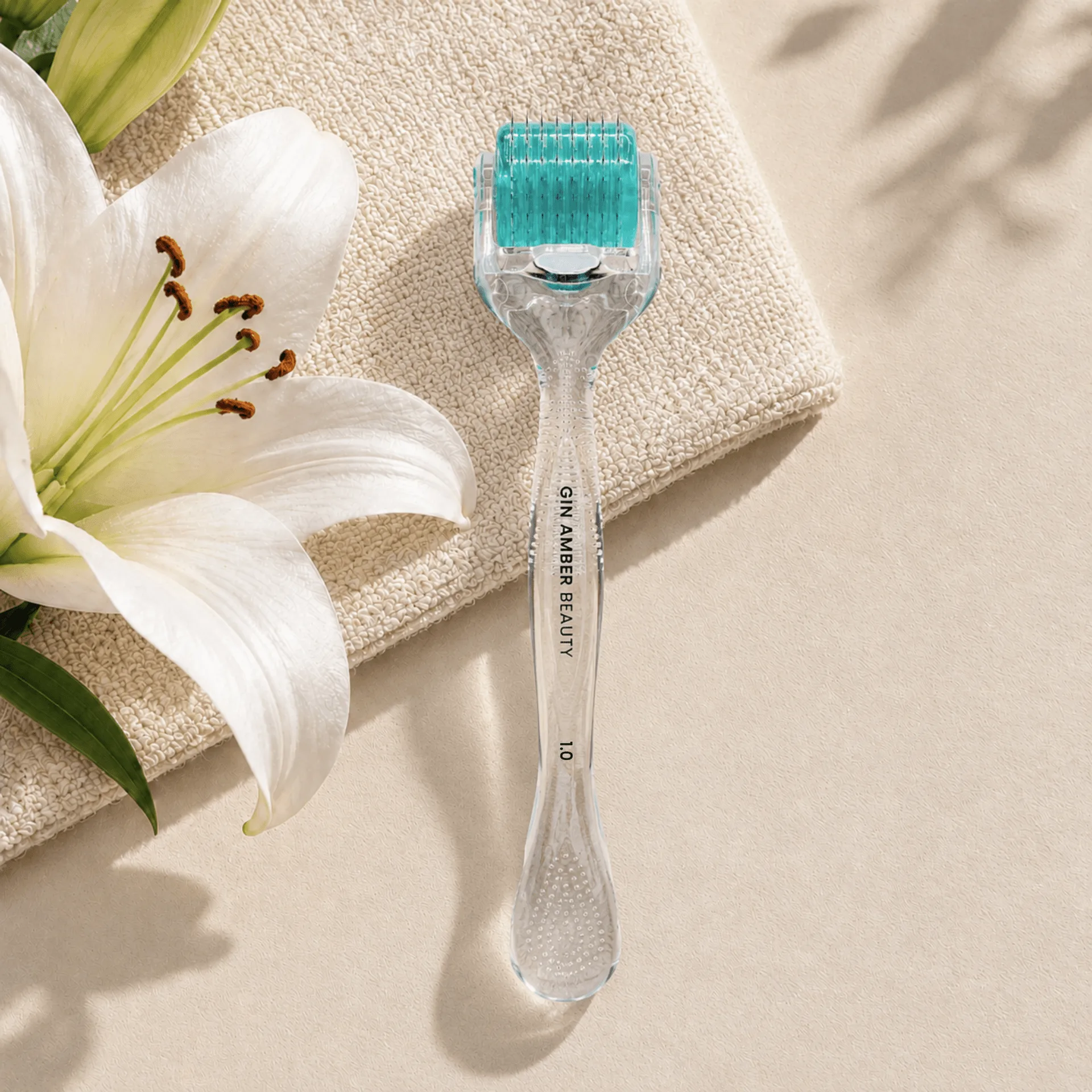
1.0mm dermaroller
Microneedling, also known as collagen induction therapy, works by creating controlled micro-injuries in the skin. These tiny punctures trigger your body's natural healing response, boosting collagen and elastin production. While 0.25mm and 0.5mm rollers are great for product penetration and surface rejuvenation, the 1.0mm depth reaches deeper into the skin, making it ideal for tackling more stubborn concerns. However, with greater depth comes greater responsibility – proper technique and aftercare are non-negotiable.
What is a 1.0mm Dermaroller?
A 1.0mm dermaroller is a handheld device covered in hundreds of tiny, sterile needles that are 1.0 millimeter long. When rolled across the skin, these needles create microscopic channels in the epidermis and upper dermis. This depth is significantly deeper than the 0.25mm or 0.5mm rollers, which only affect the outermost layers. The 1.0mm length is often recommended for treating more pronounced issues like deep acne scars, surgical scars, and stretch marks.
Unlike professional treatments that use numbing cream and can go up to 2.5mm, the 1.0mm roller is considered safe for home use by many dermatologists, provided you follow strict hygiene and technique guidelines. It's a powerful tool that can yield impressive results, but it's not for beginners. If you're new to microneedling, it's wise to start with a shorter needle length and gradually work your way up.
- Ideal for deep wrinkles, acne scars, and stretch marks
- Stimulates collagen production in the dermis
- Requires careful preparation and aftercare
Benefits of Using a 1.0mm Dermaroller at Home
The primary benefit of a 1.0mm dermaroller is its ability to stimulate significant collagen production. Collagen is the protein responsible for keeping skin firm and youthful. As we age, collagen production naturally declines, leading to wrinkles and sagging. By creating controlled micro-injuries, the roller prompts your skin to produce more collagen, filling in fine lines and improving overall texture.
Another major advantage is enhanced product absorption. The micro-channels created by the needles allow serums and creams to penetrate deeper into the skin, making your skincare products more effective. For example, applying a vitamin C serum or hyaluronic acid after rolling can deliver these ingredients directly to the deeper layers where they can work their magic. This is why many skincare enthusiasts pair their dermaroller with a high-quality serum, such as the Natural 2.5% Retinol Serum (Anti-Aging), to maximize anti-aging benefits.
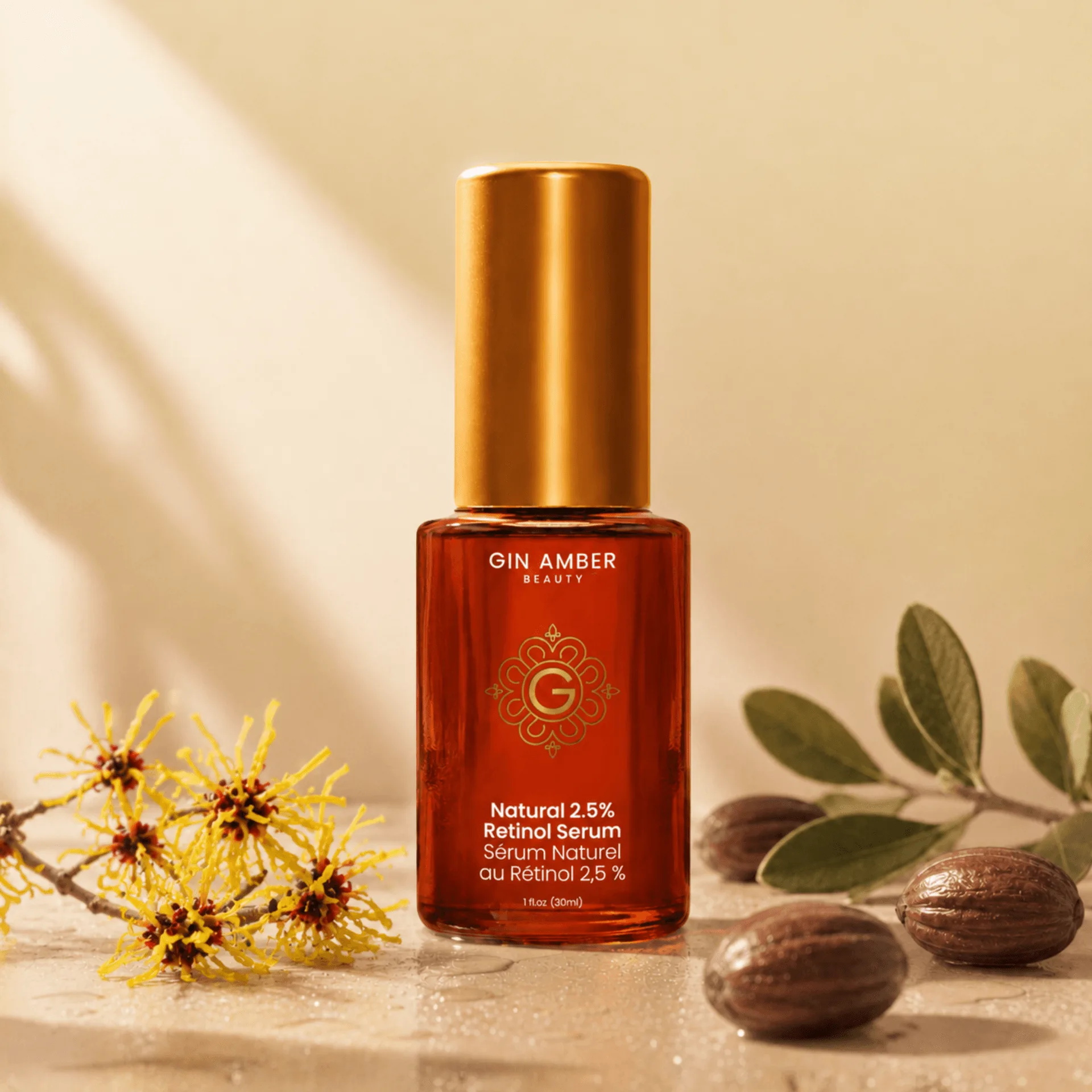
Natural 2.5% Retinol Serum (Anti-Aging)
Regular use of a 1.0mm dermaroller can also help reduce the appearance of scars, including acne scars and stretch marks. The collagen remodeling process helps to smooth out uneven skin texture and promote a more even skin tone. Many users report noticeable improvements after several sessions, making it a cost-effective alternative to professional microneedling treatments.
- Stimulates collagen and elastin production
- Improves absorption of skincare products
- Reduces the appearance of scars and stretch marks
- Cost-effective alternative to in-clinic treatments
Risks and Side Effects
While a 1.0mm dermaroller offers impressive benefits, it's not without risks. The most common side effects include redness, swelling, and mild discomfort immediately after the procedure. These symptoms typically subside within 24 to 48 hours. However, if you use the roller too frequently, apply too much pressure, or fail to sterilize it properly, you can cause skin damage, infection, or hyperpigmentation.
There's also a risk of scarring if you use the roller on active acne or broken skin. The needles can spread bacteria and worsen breakouts. Additionally, using a 1.0mm roller on sensitive areas like the under-eye region is strictly forbidden, as the skin there is too thin and delicate. Always avoid the eye area and any open wounds or lesions.
To minimize risks, it's crucial to follow best practices, including proper sterilization of your roller, using a clean and sanitized face, and avoiding the procedure if you have any skin infections or conditions like eczema or psoriasis. If you have a history of keloid scarring or are pregnant, consult your dermatologist before using a dermaroller.
- Redness, swelling, and mild pain are common but temporary
- Risk of infection if not sterilized properly
- Avoid using on active acne, broken skin, or under-eye area
- Consult a professional if you have skin conditions or are pregnant
Best Practices for Using a 1.0mm Dermaroller
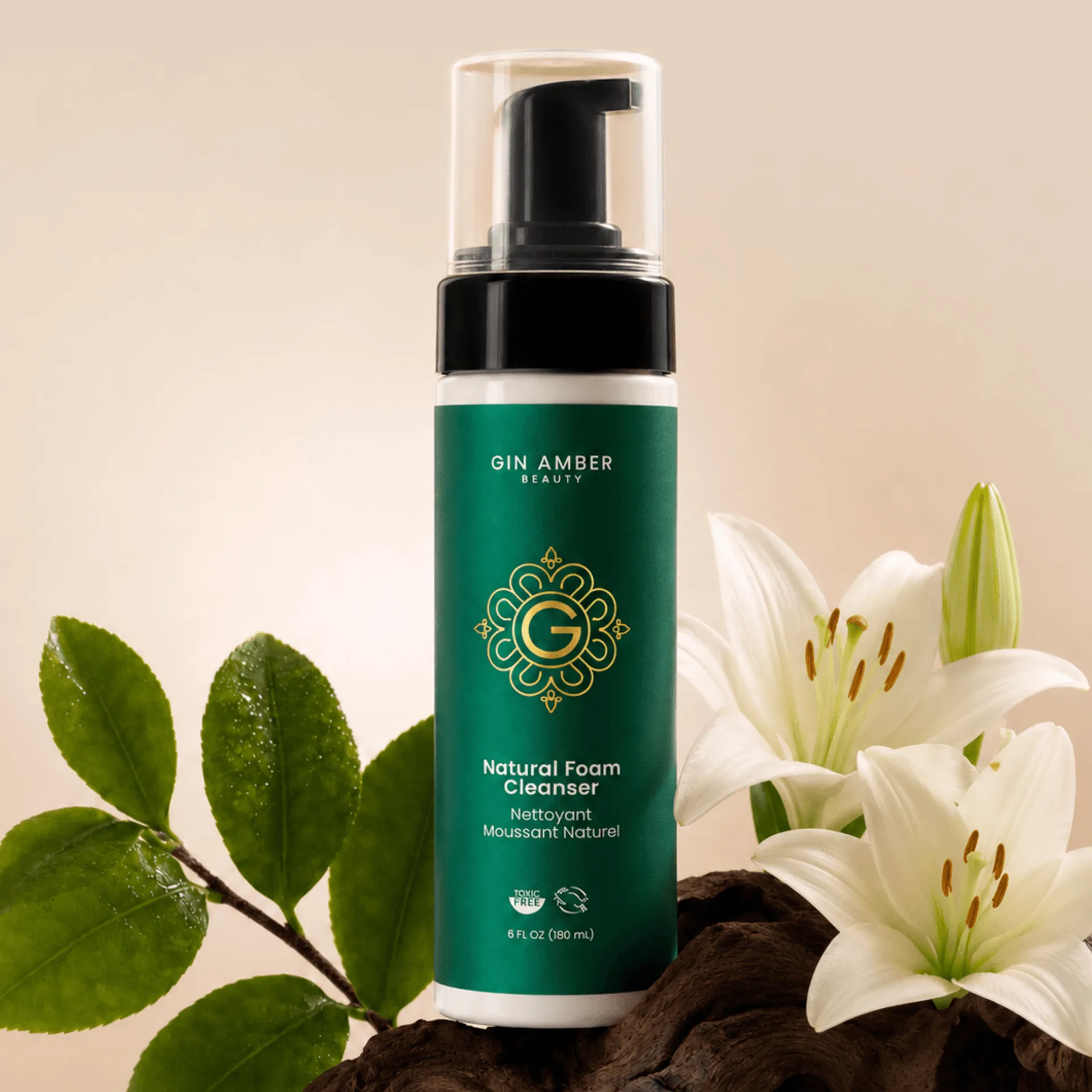
Before you begin, ensure your dermaroller is clean and disinfected. Soak it in 70% isopropyl alcohol for at least 30 minutes, then rinse with sterile water and let it air dry. Your face should be thoroughly cleansed and free of makeup or dirt. You can use a gentle cleanser like the Natural Foam Cleanser (180mL) to prepare your skin. Pat dry and apply a numbing cream if you have a low pain tolerance, though it's not strictly necessary for 1.0mm needles.
Start by dividing your face into sections: forehead, cheeks, chin, and nose. Roll the dermaroller vertically, horizontally, and diagonally over each section about 4-5 times, using light to moderate pressure. You should feel a slight prickling sensation but not intense pain. Avoid dragging the roller; instead, use a stamping motion for more precise pressure. After rolling, you may notice pinpoint bleeding – this is normal and indicates you've reached the dermis.
After the procedure, apply a soothing serum or hyaluronic acid to calm the skin and promote healing. Avoid active ingredients like retinol or acids for at least 24 hours. Keep your skin moisturized and protected with sunscreen, as your skin will be more sensitive to UV rays. Clean your roller again with alcohol and store it in a clean, dry place.
How often should you use a 1.0mm dermaroller? Most experts recommend every 4-6 weeks to allow your skin to fully heal and regenerate. Using it more frequently can cause damage and increase the risk of side effects. Consistency is key – you'll likely see the best results after 3-6 sessions.
- Sterilize the roller before and after each use
- Cleanse your face thoroughly before the procedure
- Roll in multiple directions with light pressure
- Apply a soothing serum post-treatment
- Wait 4-6 weeks between sessions
Choosing the Right Dermaroller and Accessories
When selecting a 1.0mm dermaroller, quality matters. Look for a device with medical-grade stainless steel needles that are firmly set and evenly spaced. The 1.0mm Dermaroller Head is a popular choice because it's replaceable, allowing you to swap out the head for a fresh one to maintain hygiene and effectiveness. This is more economical than buying a whole new roller each time.
Pair your dermaroller with a nourishing serum to enhance results. The Natural 2.5% Retinol Serum (Anti-Aging) is an excellent option to use a few days after your microneedling session, as retinol can help accelerate cell turnover and boost collagen production. However, avoid applying retinol immediately after rolling, as it may irritate the skin. Instead, use a hydrating serum like hyaluronic acid right after, and introduce retinol into your routine a couple of days later.
For those with sensitive skin, consider using a 0.5mm dermaroller for maintenance between 1.0mm sessions. This allows you to maintain skin health without over-stressing your skin. Always listen to your skin – if it's still red or irritated, wait longer between sessions.
- Invest in a high-quality roller with replaceable heads
- Use hydrating serums immediately after rolling
- Consider a shorter needle for maintenance sessions
A 1.0mm dermaroller is a powerful at-home tool for addressing deep wrinkles, scars, and stretch marks. When used correctly, it can stimulate collagen production and dramatically improve your skin's texture and tone. Remember to prioritize safety by following best practices, using sterile equipment, and giving your skin ample time to heal. If you're ready to elevate your skincare routine, explore our collection of dermarollers and accessories to find the perfect match for your needs.