Quick answer
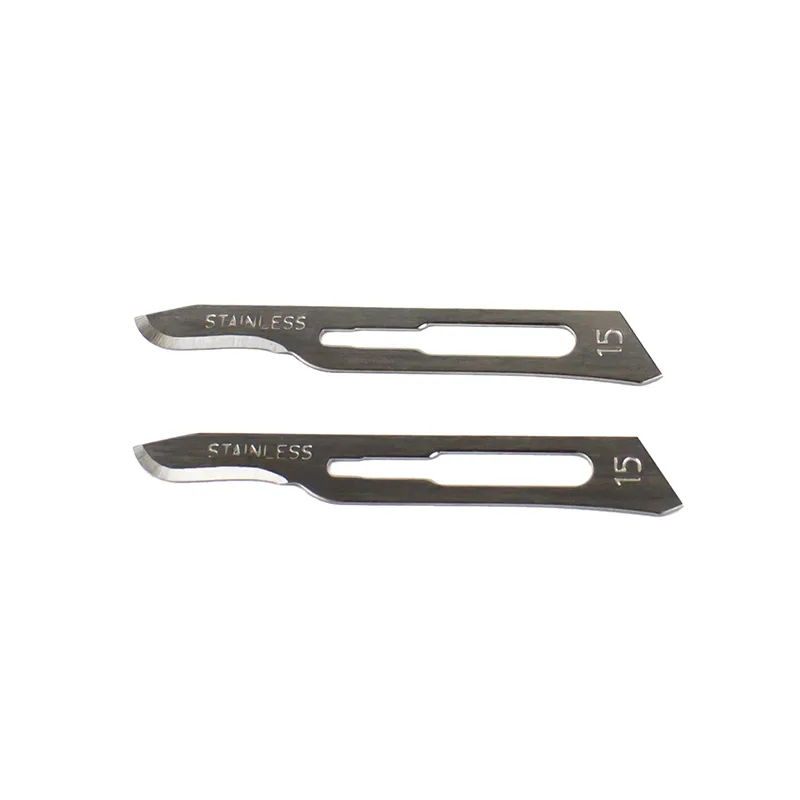
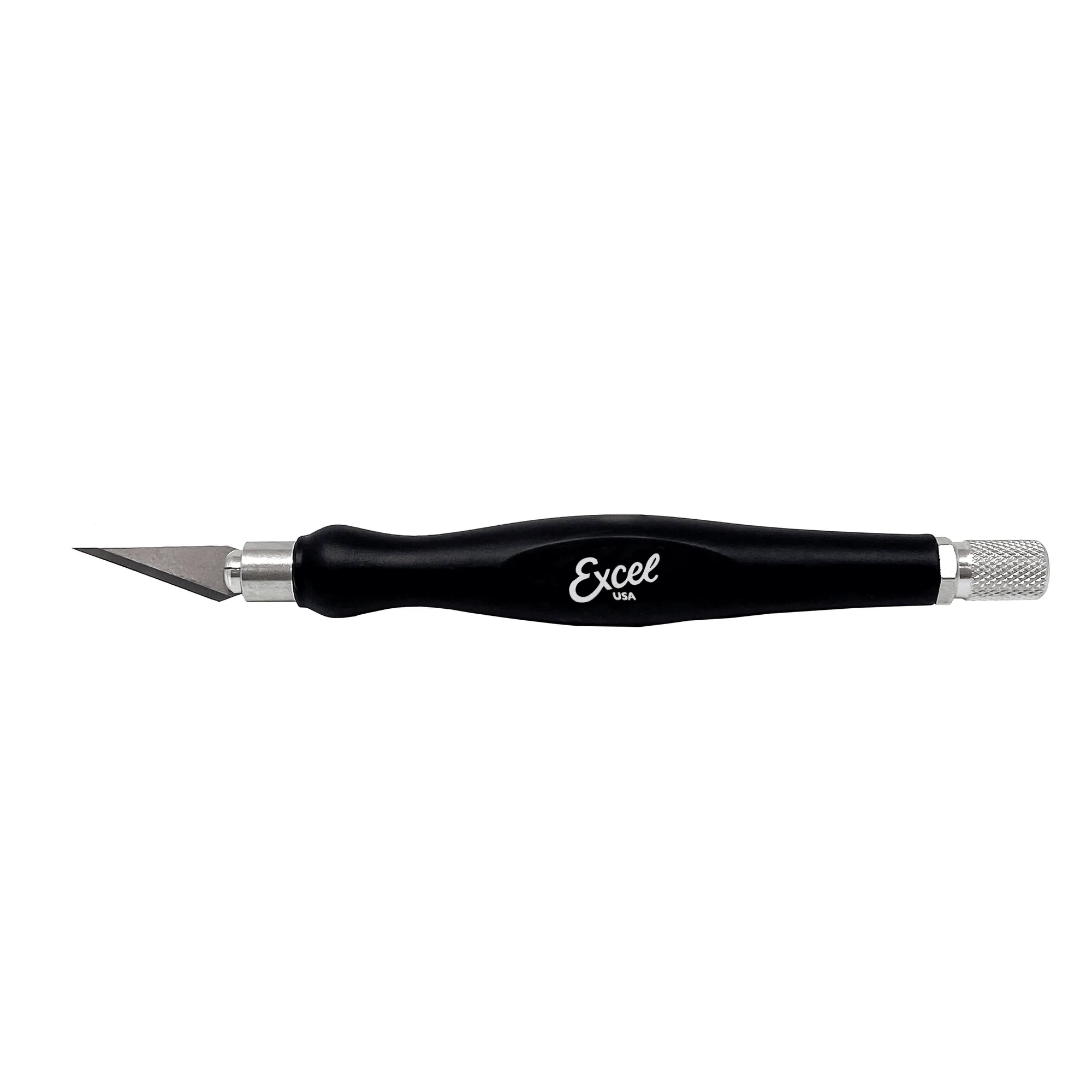
The #15 surgical scalpel blade is ideal for short, precise incisions in lightweight materials like paper, cardstock, stencils, film, photographs, tape, plastic, cork, wood, vinyl, cloth, leather, cardboard, and foam boards. Its small curved cutting edge gives you exceptional control for fine detail cutting, but it is not built for heavy-duty or deep cuts.
What makes the #15 scalpel different from a standard hobby blade
The #15 blade has a small, curved cutting edge that is the most popular blade shape for precision work. Unlike a straight #11 blade or a heavy-duty snap-off knife, the #15 is designed for short, sweeping cuts and tight curves. Its stainless steel construction resists corrosion, which matters if you work with damp materials or adhesives. The trade-off is that the blade is thin and not meant for prying, scoring thick board, or cutting through multiple layers at once.
When to reach for the #15 and when to put it back
Reach for the #15 when you need to cut a stencil from acetate, trim a photograph, slice vinyl for a decal, or carve a fine line into leather. It also works well on cork, thin wood veneer, and foam boards. Put it back when you need to cut thick cardboard, corrugated board, or multiple layers of fabric—those jobs call for a snap-off blade or a heavier craft knife. The #15 excels at precision, not power.
Diagnosis: Is the #15 scalpel blade right for your project?
- Symptom: You are making short, curved cuts in paper, vinyl, stencil film, or thin leather, and you need a clean edge without tearing. The #15 blade is a strong candidate.
- Likely cause: A straight blade or a snap-off knife can struggle with tight curves or delicate materials, often tearing or skipping. Switching to a curved blade solves the issue.
- Corrective action: Use the #15 surgical scalpel blade with a light touch, letting the curved edge do the work. Replace the blade as soon as you feel drag to maintain precision. Change blades frequently for best results.
- Stop or choose another option: If you need to cut thick cardboard, multiple fabric layers, or make long straight cuts through dense material, the #15 is not the right tool. Consider a 9mm snap-off blade or a heavy-duty hobby knife instead. For heavy cutting, choose a different blade.
Product facts
- #15 Surgical Scalpel Blade: Excel Blades #15 Surgical Blade Stainless Steel – 2 pcs. Made from stainless steel. This blade has a small curved cutting edge and is the most popular blade shape ideal for making short and precise incisions. Used with: paper, card-stock, stencils, film, photographs, tape, plastic, cork, wood, vinyl, cloth, leather, cardboard, foam boards and most other light-weight crafting. Used for: medical profession,… The stainless steel material means the blade resists rust and stays sharp longer when used with adhesives or in humid environments. The curved edge lets you rock the blade through curves without lifting, giving you cleaner lines on stencils and vinyl decals.