Quick Answer
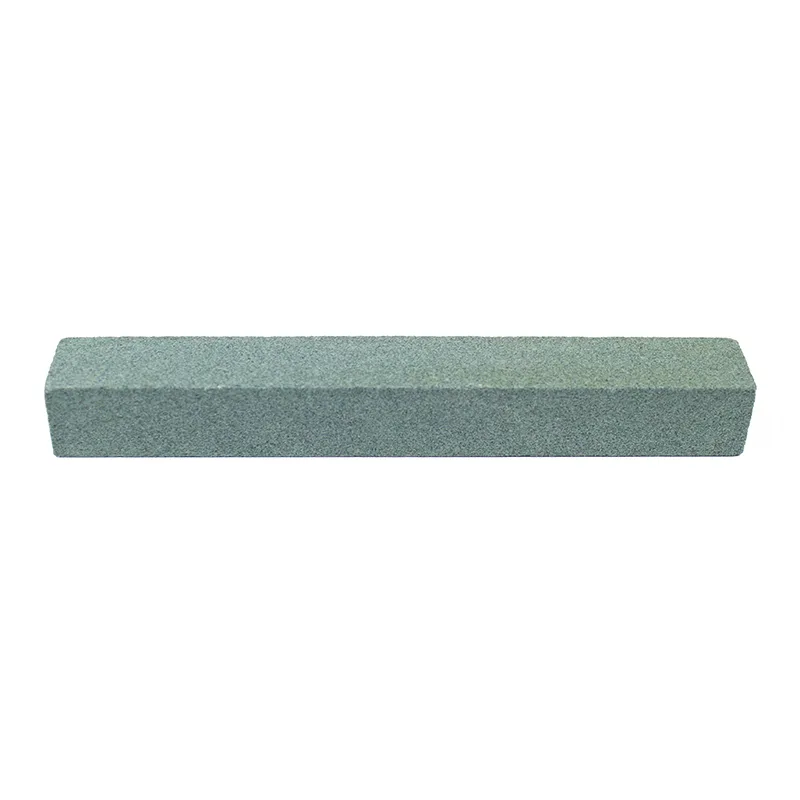
Use the Excel Blades 3 1/2" Sharpening Stone to refresh the edge of your hobby knife blades. A few light passes at the correct angle restore cutting performance without damaging the blade. This stone works dry or with light oil, making it a simple addition to any blade maintenance routine.
Why Hone Instead of Replace?
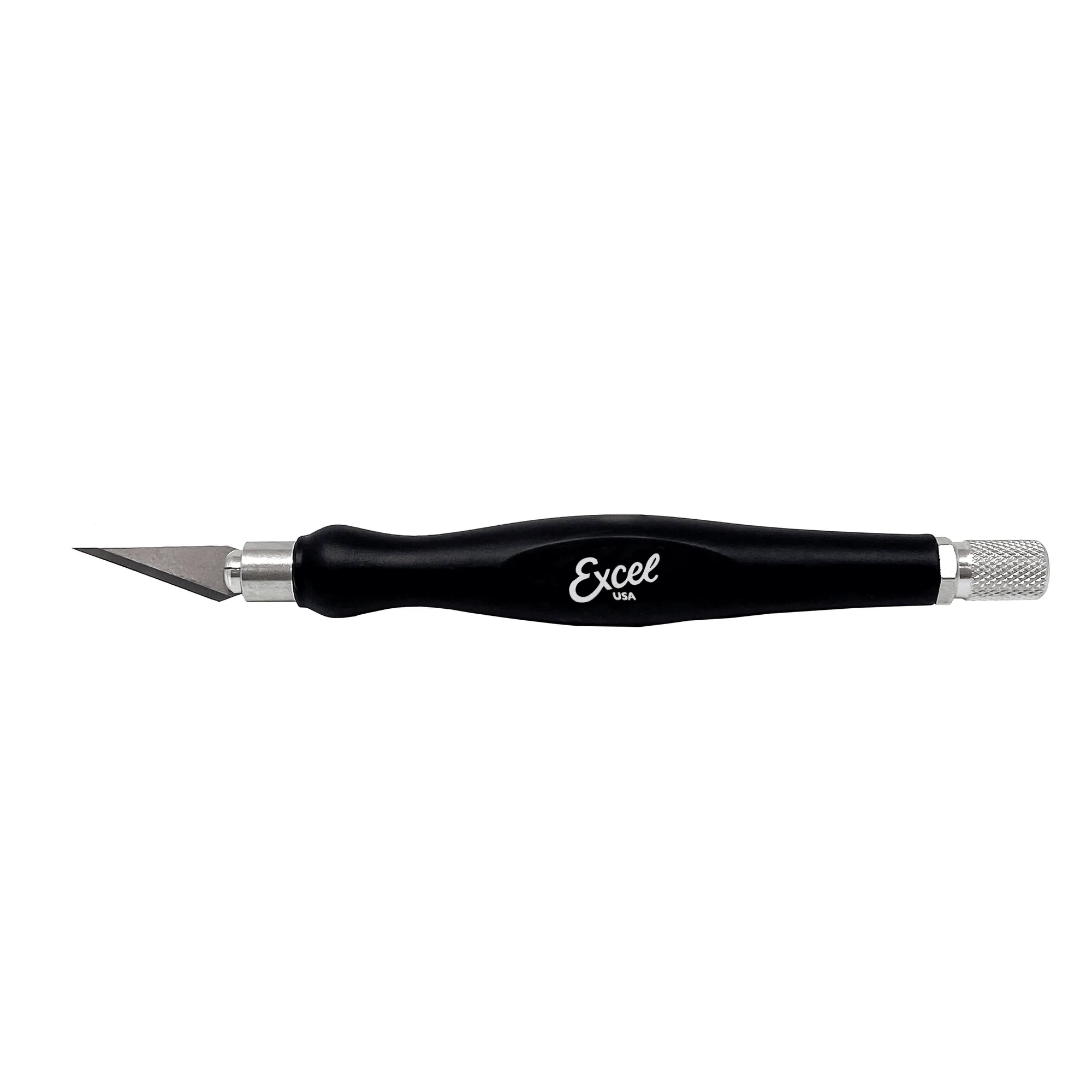
Honing a craft blade with a sharpening stone removes tiny burrs and restores the edge, extending the blade's useful life. This is especially helpful for hobbyists who work through several blades in a single project. While replacing blades is sometimes necessary, honing saves money and reduces waste when the blade is still structurally sound.
Choosing the Right Stone for Craft Blades
The Excel Blades 3 1/2" Sharpening Stone is made of ceramic, a material that provides a consistent, fine grit suitable for small hobby blades. Its compact size makes it easy to handle and store. You can use it dry or with a light oil—both methods work well. The stone is also useful for honing chisels, gouges, and routers, so it serves multiple tools in your workspace.
How to Hone Craft Blades in 4 Steps
- Step 1: Prepare the Stone and Blade: Place the sharpening stone on a flat, stable surface. If using oil, apply a few drops of light oil to the stone. Clean the blade with a dry cloth to remove adhesive or debris. Checkpoint: A dirty blade can scratch the stone. Always wipe the blade clean first.
- Step 2: Find the Correct Angle: Hold the blade at roughly 20 degrees against the stone. For most hobby knife blades, this angle matches the factory bevel. If you are unsure, start shallow and increase until you feel the edge make full contact. Common mistake: Too steep an angle will grind away metal too quickly; too shallow will not sharpen the edge.
- Step 3: Draw the Blade Across the Stone: With light pressure, draw the blade across the stone in a sweeping motion, moving from the base to the tip. Repeat 5-10 times on one side, then switch to the other side. Checkpoint: Use consistent, light pressure—pressing hard can chip the blade or wear the stone unevenly.
- Step 4: Test and Finish: Wipe the blade clean and test the edge on a piece of scrap material. If it cuts cleanly, you are done. If not, repeat steps 2-3. For a final polish, strop the blade on leather or cardboard. Verdict: A properly honed blade should cut without tearing. If the edge still feels dull after several passes, the blade may be too worn and should be replaced.
Product Spotlight
- 3 1/2" Sharpening Stone: 3.5-inch sharpening stone made of ceramic. May be used dry or with light oil for honing chisels, gouges, routers or any other metal objects. The ceramic material provides a fine, consistent grit ideal for small craft blades. Using it dry is convenient for quick touch-ups, while light oil can help reduce friction during extended use.