Quick answer
Choose 35mm film for portability, lower cost per frame, and a wider selection of cameras and lenses. Choose 120 film (medium format) for noticeably larger negatives with finer grain and more detail, ideal for large prints or scanning. Your decision depends on whether you prioritize convenience or maximum image quality.
Image quality and negative size
The most significant difference between 35mm and 120 film is the negative area. A standard 35mm frame measures 24x36mm, while a 120 frame can be 6x4.5cm, 6x6cm, or 6x7cm depending on the camera. That's roughly 2.7 to 4.6 times more surface area, which translates to finer grain, smoother tonal transitions, and more resolution for enlargements.
Medium format's larger negative also gives you more latitude when scanning—you can extract greater detail and dynamic range from a 120 frame. However, this quality comes with a trade-off: 120 film costs more per shot, and medium format cameras are heavier and bulkier than 35mm SLRs or rangefinders.
Camera size and handling
35mm cameras are compact, lightweight, and easy to carry for long days of shooting. They offer fast autofocus, motor drives, and a huge range of lenses from wide-angle to telephoto. This makes 35mm ideal for street photography, travel, and event work where speed and mobility matter.
Medium format cameras are larger and slower to operate. Most are manual-focus, waist-level finders that require a deliberate shooting pace. The trade-off is that the bigger viewfinder and negative encourage careful composition, which many photographers find rewarding for portraits, landscapes, and studio work.
Cost per frame and film availability
35mm film is widely available and cheaper per frame than 120. A 36-exposure roll of black-and-white 35mm film costs around $8, while a 120 roll of the same emulsion gives you only 12 frames (in 6x6) or 15 frames (in 6x4.5). That means each 120 frame costs about 2–3 times more than a 35mm frame.
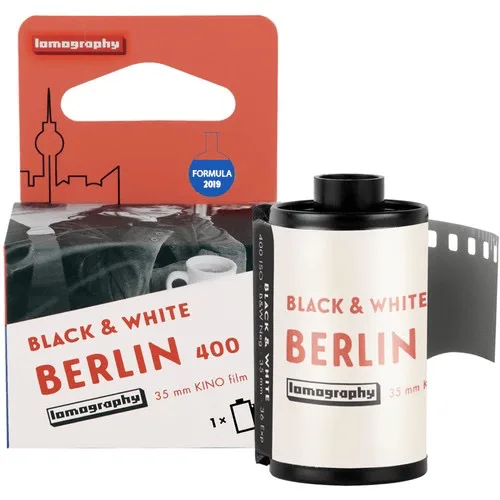
For example, the LOMOGRAPHY Berlin Kino Black and White 400 ISO 35mm film offers 36 exposures of rare cine-style emulsion for about $8.07—a great value for experimenting with monochrome looks. In 120 format, the same film would cost more per shot and yield fewer frames, so it's best reserved for scenes where you want maximum quality.
That said, 120 film is still produced by major manufacturers like Kodak, Ilford, and Fujifilm, and it's available through specialty retailers. If you're just starting out, 35mm is more forgiving because you can afford to shoot more rolls to learn.
Trade-offs at a glance
- Negative size: 35mm: 24x36mm. 120: up to 6x7cm (about 4.6x larger). Larger negatives = finer grain and more detail, but fewer shots per roll.
- Camera portability: 35mm bodies are small, light, and often have autofocus. Medium format cameras are heavy, manual, and require a tripod more often. Choose 35mm for mobility; choose medium format for deliberate, tripod-based work.
- Cost per frame: 35mm: ~$0.22/frame. 120: ~$0.50–$0.70/frame depending on format. 35mm is better for learning and high-volume shooting; 120 is for when you want the best possible image from every frame.
Product facts
- LOMOGRAPHY Berlin Kino Black and White 400 ISO 35mm x 36 exp.: Berlin Kino Berlin Kino - Capture life’s most elusive moments in everlasting monochrome charm with this rare black and white cine film. Inspired by the New German Cinema sweeping through Berlin in the 1960s, our original Berlin Kino Film emulsion was an utter blockbuster. However, as German cinema evolved through time, adapting to meet the innovatory spirit of its founding fathers, so did our film formula. Refined… This 35mm cine film gives you 36 frames of a unique black-and-white look at a low per-frame cost, making it a great choice for testing the 35mm format without a big investment.
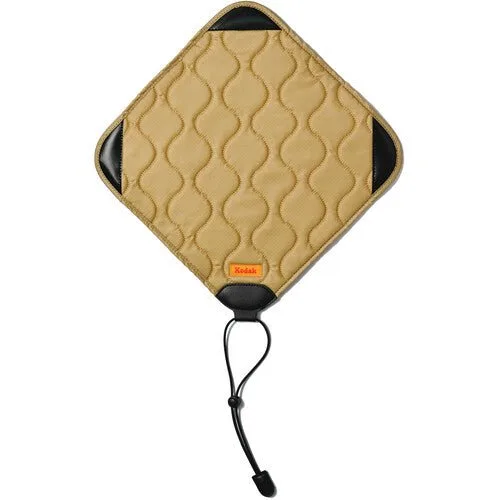
- Kodak Camera Wrap (Khaki, Medium): This medium, khaki Camera Wrap from Kodak is designed to protect your camera while holding it secure. Made from water-repellent textile and quilted cloth, it guards against dust and moisture. The hook-and-loop fasteners provide a secure closure, and the elastic cords tighten the wrap securely around your camera. If you choose a medium format camera, a protective wrap like this Kodak Camera Wrap helps cushion the larger body and prevent dust from entering the lens mount or film back during transport.
Which format fits you?
Best for
- Street, travel, and event photographers who need a fast, portable camera with many lens options (choose 35mm).
- Portrait and landscape photographers who want maximum detail for large prints or high-resolution scans (choose 120).
Not for
- Budget-conscious beginners who want to shoot many rolls to learn—120 film costs more per frame and cameras are pricier.
- Photographers who need autofocus or motor drive—most medium format cameras are manual focus and single-shot.