Quick Answer
Choose a 4-season tent if you'll camp in heavy snow, strong winds, or below-freezing temperatures; choose a 3-season tent for spring, summer, and fall camping in moderate weather. 3-season tents are lighter and more breathable, while 4-season tents prioritize strength and snow load. For most campers, a 3-season tent is the practical choice; reserve 4-season for serious winter conditions.
When you're shopping for a tent, you'll quickly see terms like '3-season' and '4-season.' These labels tell you what weather the tent can handle, but they don't tell the whole story. Understanding the differences—and the trade-offs—will help you pick a tent that matches your adventures without overpaying or under-protecting.
This guide breaks down the key differences between 3-season and 4-season tents, including materials, weight, ventilation, and cost. You'll also get clear decision rules to apply when you're comparing options, plus a look at how Kelty tents fit into the picture.
What Do Tent Season Ratings Mean?
Tent season ratings are a simple way to categorize a tent's intended use, not a strict temperature rating. A 3-season tent is designed for spring, summer, and fall—conditions that can include rain, wind, and mild cold, but not heavy snow or extreme cold. These tents typically use lighter fabrics and more mesh for ventilation, keeping weight down and airflow up.
A 4-season tent, on the other hand, is built to withstand winter conditions: heavy snow, strong winds, and freezing temperatures. It has a more robust frame, fewer mesh panels, and a full-coverage rainfly that can handle snow load. The trade-off is weight, bulk, and reduced breathability. Some 4-season tents are also used for high-altitude mountaineering, but they're not all designed for extreme expeditions.
- Season ratings are about weather resistance, not a specific temperature number.
- 3-season tents are often called '3.5-season' if they have some extra wind resistance.
- 4-season tents are also called 'winter tents' or 'mountain tents.'
Key Differences: Weight, Materials, and Ventilation
Weight is often the biggest deciding factor. A 3-season tent like the Kelty Discovery Trail 2P is designed for backpacking—it's freestanding with a dome design and uses lighter materials to keep pack weight down. A 4-season tent, by contrast, uses heavier poles and thicker fabrics to resist snow and wind, so it's bulkier and heavier, which matters if you're carrying it on your back.
Materials also differ. 4-season tents have more solid fabric panels and a full-coverage rainfly that extends to the ground, which helps block wind and snow. 3-season tents rely on mesh panels for ventilation and a rainfly that may not reach the ground, which improves airflow in warm weather but leaves gaps that wind can exploit. Ventilation is a trade-off: 4-season tents are warmer but can get stuffy in mild weather, while 3-season tents breathe better but let in cold drafts.
- Check the denier of the fly and floor—higher numbers mean heavier, more durable fabric.
- Look for a full-coverage fly on 4-season tents; it's essential for snow and wind.
- Mesh panels are great for summer but reduce warmth in winter.
When to Choose a 3-Season Tent
If you camp from spring through fall, in conditions that include rain, wind, and mild nights, a 3-season tent is likely all you need. These tents are lighter, more packable, and more affordable, making them ideal for backpacking, car camping, and family trips. They're also more breathable, so you'll stay comfortable on warm nights.
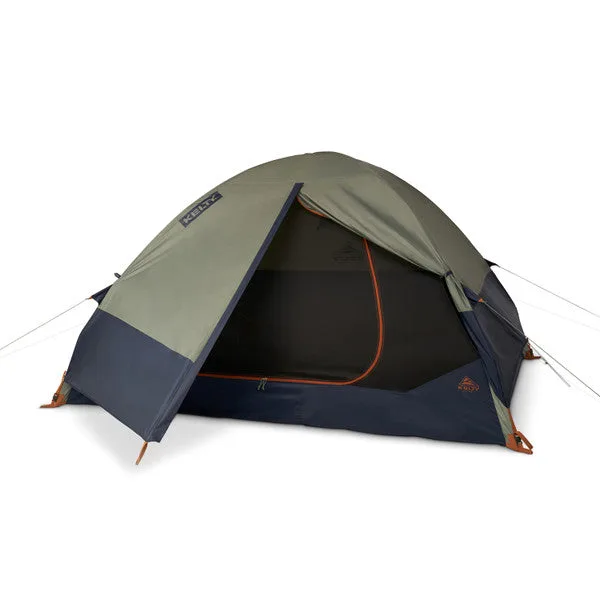
For example, the Kelty Late Start 4P Tent is designed for fast, easy setup with Quick Corner technology and pre-bent poles for more living space—perfect for family car camping in three-season weather. The Ashcroft 3P Tent is another 3-season option that includes a full-coverage rainfly and taped seams for wet weather, plus a vent to improve airflow on humid nights. These tents are built for comfort and convenience in moderate conditions.
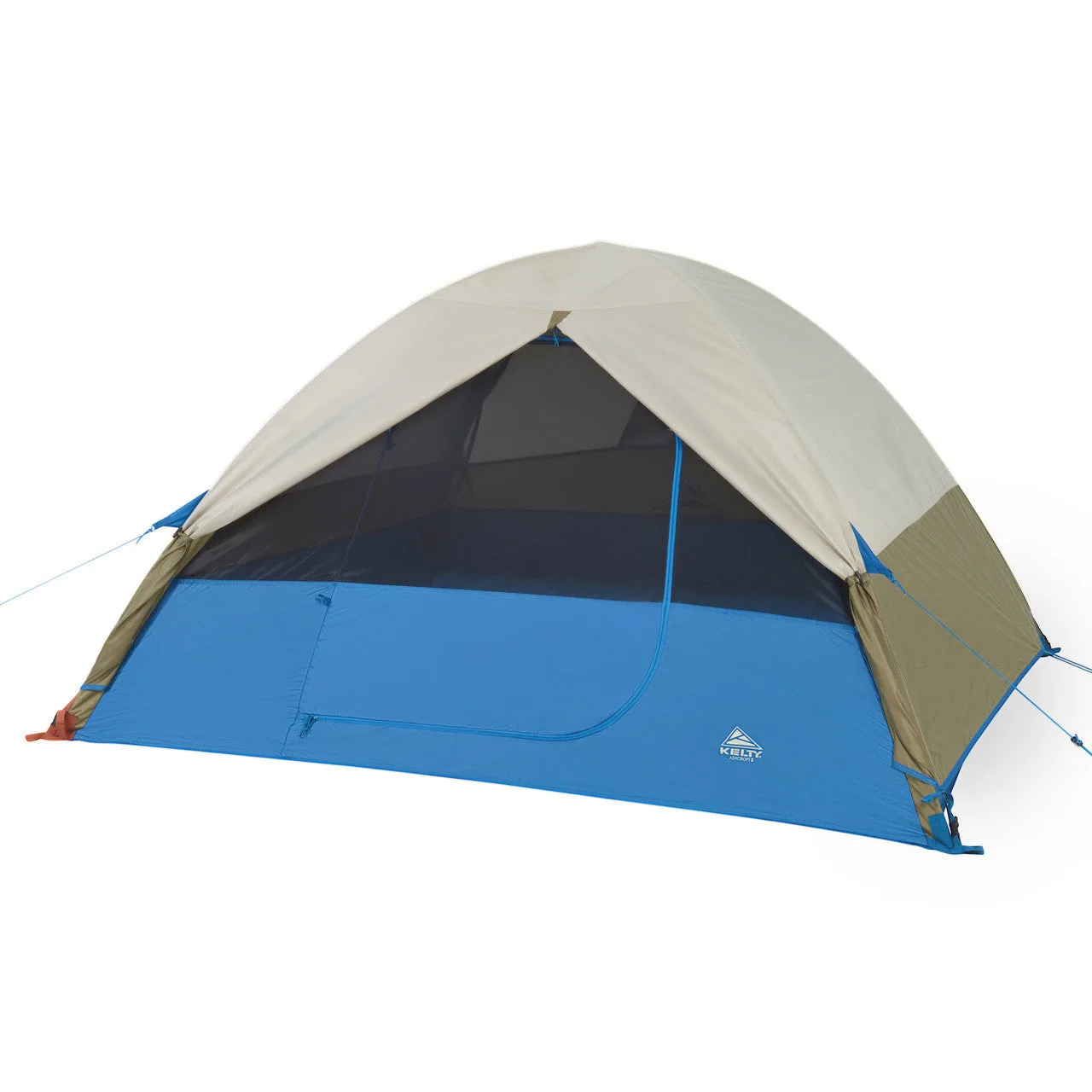
Ashcroft 3P Tent
- 3-season tents are the best choice for most campers who stick to fair-weather trips.
- They're lighter and easier to pack, which matters for backpacking.
- Look for features like pre-bent poles and quick setup to save time at camp.
When to Choose a 4-Season Tent
Choose a 4-season tent if you plan to camp in winter, at high altitudes, or in areas with heavy snow and strong winds. These tents are built to shed snow, resist wind, and retain heat. They often have a lower profile to reduce wind resistance and stronger poles to handle the load. If you're a winter camper, a 4-season tent is a worthwhile investment for safety and comfort.
However, 4-season tents are heavier and more expensive, and they can be uncomfortably warm and stuffy in mild weather. If you only camp in winter occasionally, you might consider a 3-season tent with a robust rainfly and guylines, but for serious winter use, a dedicated 4-season tent is the right call. When choosing, look for a full-coverage fly, snow skirt (if available), and strong pole construction.
- 4-season tents are essential for winter camping and high-altitude trips.
- They're heavier and pricier, so consider how often you'll use it.
- A 4-season tent can double as a 3-season tent in mild weather, but it's not ideal.
Decision Rules for Choosing Between 3-Season and 4-Season
- Rule 1: Match the season rating to your coldest expected conditions: If you'll camp in temperatures below freezing or in snow, choose a 4-season tent. For anything above freezing, a 3-season tent is sufficient. Check the forecast and your comfort level before buying.
- Rule 2: Prioritize weight for backpacking, strength for car camping: If you're carrying your tent on your back, a lighter 3-season tent is the better choice. If you're car camping and weight isn't an issue, you can afford the extra heft of a 4-season tent for better weather protection. Think about how you'll transport the tent.
- Rule 3: Consider ventilation for comfort in mild weather: 3-season tents have more mesh and better airflow, which is great for warm nights. 4-season tents are more enclosed and can get stuffy, so they're less comfortable in summer. If you camp in summer, a 3-season tent is more versatile.
Kelty Tents at a Glance
- Late Start 4P Tent: The Late Start doesn’t care if you worked late or got stuck in traffic—it knows your goal is FAST setup, so you can start enjoying Mother Nature ASAP. That’s why everything about this tent says “easy,” from Kelty Quick Corner technology for lightnin’-fast setup in any weather (or in the dark), to pre-bent poles for larger living space. This is a 3-season family tent that prioritizes quick setup and space, making it a great choice for car camping and weekend trips in mild weather.
- Ashcroft 3P Tent: Built for the elements, this tent includes a full coverage rain fly and taped seams, plus the fly features a vent to increase airflow on those humid nights. A free-standing, dome design with Quick Corners allows for fast, easy setup once you arrive, and pre-attached guylines help stabilize the tent in windy conditions. The Ashcroft 3P is a 3-season backpacking tent that handles rain and wind well, but it's not designed for heavy snow—so it's best for spring through fall adventures.
Which Tent Fits Your Adventure?
Best for
- 3-season tent: Campers who stick to spring, summer, and fall in moderate weather, and who value lighter weight and better ventilation.
- 4-season tent: Winter campers, high-altitude hikers, and those who face heavy snow and strong winds and need maximum weather protection.
Not for
- 3-season tent: Winter camping in heavy snow or extreme cold—it won't provide enough warmth or snow load resistance.
- 4-season tent: Warm-weather camping where breathability and light weight are priorities—you'll overheat and carry unnecessary weight.
Choosing between a 3-season and 4-season tent comes down to the conditions you expect and how you'll use the tent. For most campers, a 3-season tent offers the best balance of weight, comfort, and cost. If you're a dedicated winter camper, invest in a 4-season tent for safety and warmth. Use the decision rules above to make a confident choice, and remember that the right tent is the one that fits your adventures.