Quick Answer
4G security cameras are becoming the go-to choice for remote monitoring because they don't rely on Wi-Fi or wired internet. If your property lacks reliable broadband, a cellular camera keeps you connected; if you already have strong Wi-Fi, a Wi-Fi or PoE system often costs less and delivers higher resolution.
Why 4G Connectivity Is Changing Remote Monitoring
Traditional security cameras depend on Wi-Fi or Ethernet, which limits placement to areas with stable internet. 4G LTE cameras bypass that constraint by using a cellular network, so you can monitor barns, construction sites, vacation homes, or rural gates where broadband doesn't reach. The trade-off is a monthly data plan and potential signal gaps in dead zones. For many users, the flexibility outweighs the recurring cost.
Key Trade-Offs: 4G vs. Wi-Fi vs. PoE
Wi-Fi cameras are affordable and easy to install but suffer from interference and limited range. PoE systems deliver constant power and reliable 4K video but require running cables. 4G cameras sit in the middle: no cables for data, but you'll need to manage power (solar or battery) and cellular data. Choose 4G when wiring is impractical and Wi-Fi is unreliable. Choose PoE when you need maximum resolution and 24/7 recording without data caps.
What to Look for in a 4G Security Camera
Start with resolution: 2.5K or 4K gives you clearer identification. Check power options—solar panels reduce maintenance. Confirm the camera supports the LTE bands used by your carrier. Look for AI features like person detection to cut false alerts and save data. Finally, verify local storage or cloud plans; some cameras record to microSD, others require a subscription.
Decision Rules for Choosing a 4G Camera
- If your site has no Wi-Fi and no power: Choose a solar-powered 4G camera like the Defender AI GO or EverWatch. They combine cellular connectivity with solar charging. Best for remote or off-grid locations.
- If you need the sharpest detail: Prioritize 4K resolution. The EverWatch offers 4K, while the AI GO provides 2.5K. Higher resolution helps with identification. 4K is worth the investment for critical monitoring.
- If you have reliable Wi-Fi and power: A Wi-Fi or PoE system like the Sentinel NVR delivers 24/7 recording without cellular data costs. Skip 4G if you can run cables or have strong Wi-Fi.
Defender Cameras for Remote Monitoring
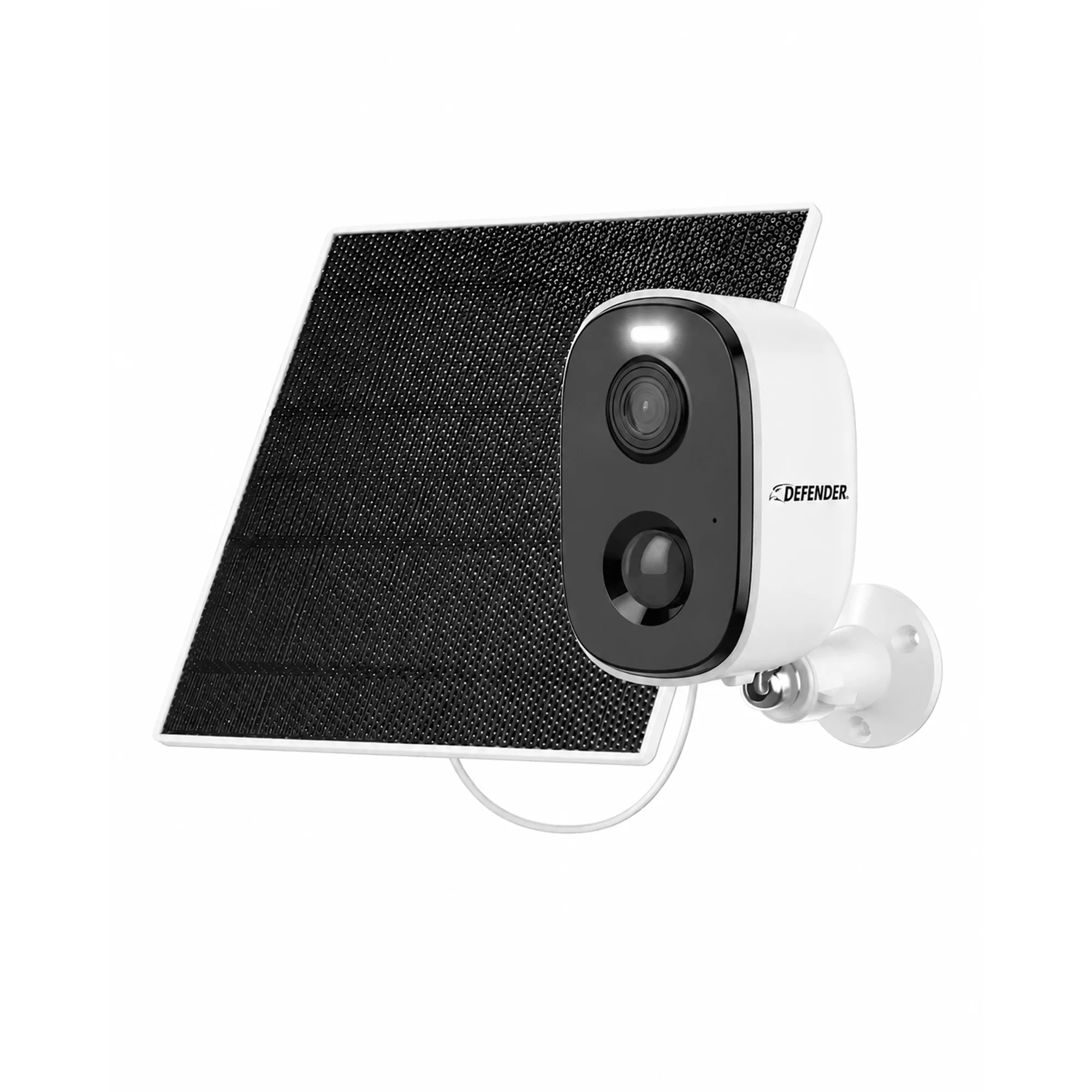
- Defender AI GO 24/7 Recording 2.5K Wireless Camera with Solar Panel: The Defender AI GO is a wireless security camera engineered for continuous 24/7 recording at 2.5K resolution with an integrated solar panel. Ideal for locations without power outlets, the solar panel helps maintain charge while 24/7 recording ensures you don't miss events.
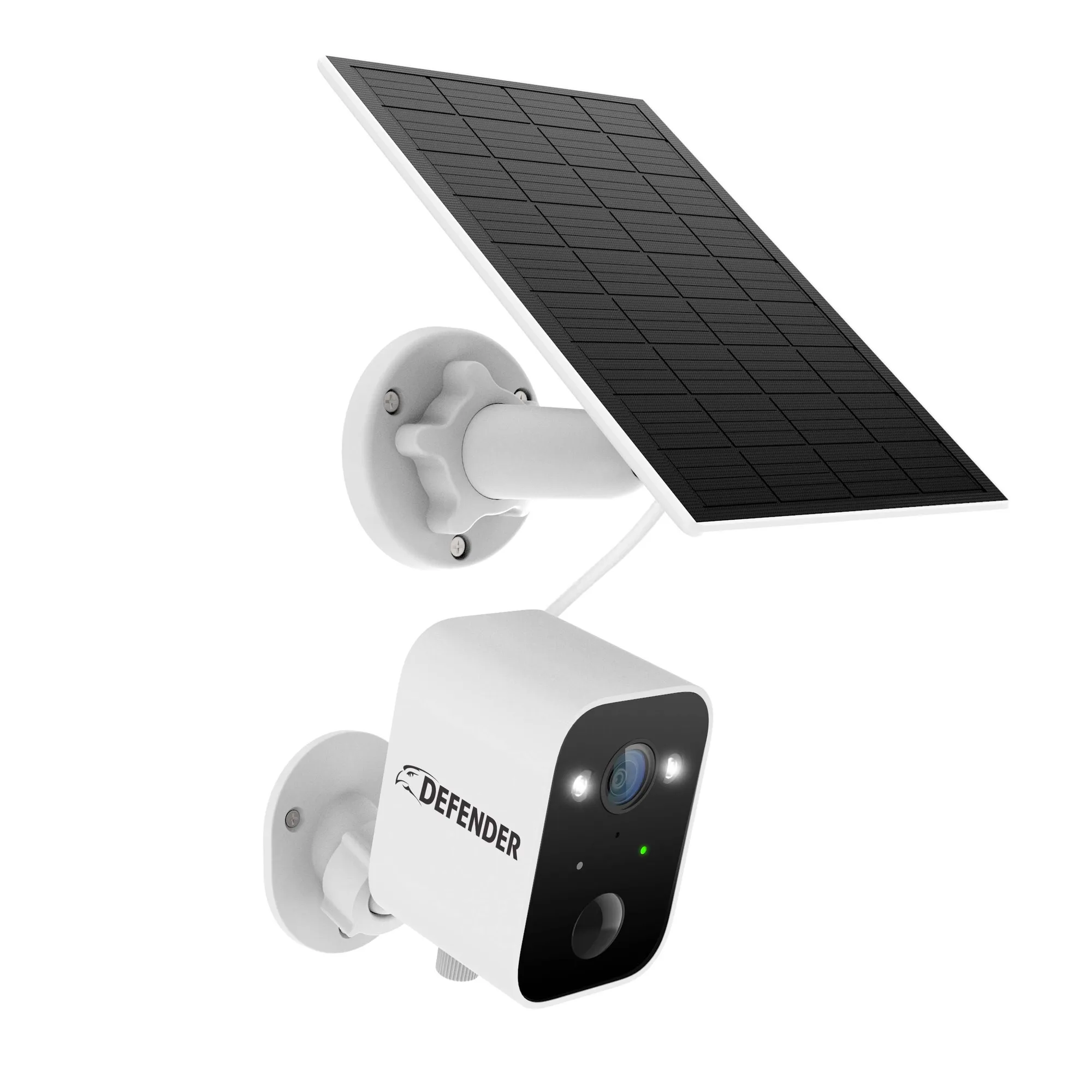
- Solar Powered 4K AI EverWatch Wireless Security Camera, 3W Solar Panel: The Defender Solar Powered 4K AI EverWatch Wireless Security Camera features a 3W solar panel and 4K video resolution. Higher resolution means more detail for identifying faces or license plates, and the 3W panel supports reliable solar charging in sunnier climates.
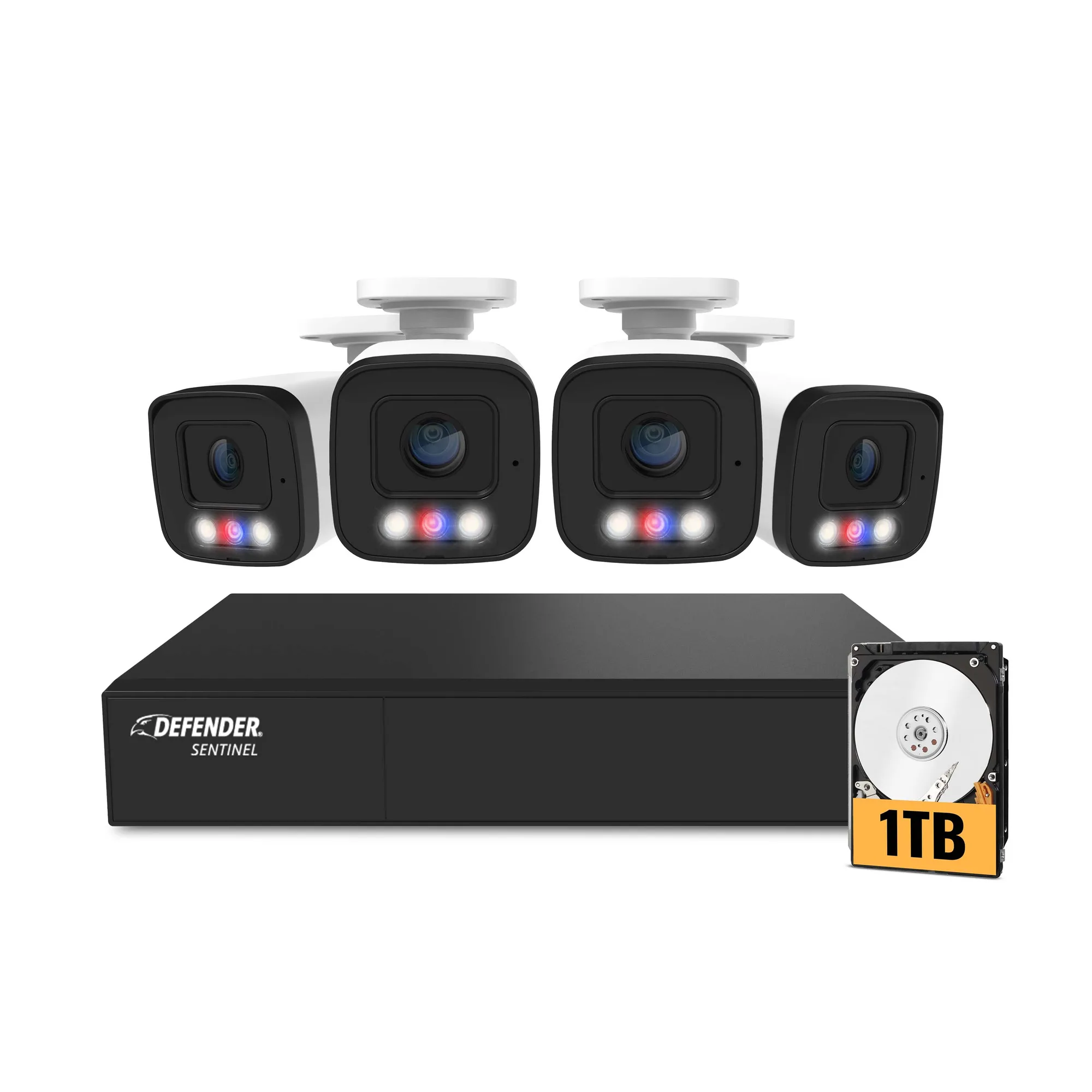
- AI POWERED Sentinel 4K Ultra HD Wired 8 Channel PoE NVR Security System, 4 Metal Cameras & 1TB HDD: The AI POWERED Sentinel 4K Ultra HD Wired 8 Channel PoE NVR Security System includes four metal cameras and a 1TB HDD. For fixed sites with wiring, this system provides 4K clarity and local storage without monthly fees, though it requires Ethernet cabling.
Is a 4G Security Camera Right for You?
Best for
- Remote properties without broadband or electrical wiring
- Construction sites, farms, or vacation homes needing temporary monitoring
- Users who want easy installation without running Ethernet cables
Not for
- Locations with strong Wi-Fi and power where PoE offers higher resolution and no data fees
- Budget-conscious users who want to avoid monthly cellular data plans