Quick Answer
Acne patches usually fall off because the skin isn't clean and dry, the patch is placed over a product layer, or the area is too oily or creased. To improve adhesion, cleanse and dry the area thoroughly, skip heavy skincare under the patch, and press it on for a few seconds. If patches still won't stay, consider a different size, shape, or formula.
You peel off the backing, press the patch onto a fresh breakout, and within an hour it's curling at the edges or gone entirely. It's frustrating—especially when you're relying on the patch to protect the pimple overnight. The good news is that adhesion problems are usually fixable with a few simple adjustments to your routine.
In this guide, we'll walk through the most common reasons why acne patches don't stick, step-by-step fixes, and when it's better to switch to a different type of patch rather than keep fighting a losing battle.
Why Do Acne Patches Fall Off?
The most common culprit is residue on the skin. Oils, sweat, moisturizer, serum, or even leftover cleanser can create a barrier that prevents the adhesive from bonding. Even if your skin looks clean, products with silicones or oils can linger and sabotage adhesion.
Another frequent issue is placement on a curved or creased area, like the side of the nose or the chin crease. Patches can't conform well to these spots, so they peel off with movement. Additionally, if you're using a patch that's too small for the blemish, the edges may lift as the hydrocolloid absorbs fluid and swells.
- Always start with a freshly cleansed, completely dry face.
- Avoid applying patches over thick creams, oils, or serums.
- Choose a patch size that fully covers the pimple with a small margin.
How to Make Acne Patches Stay On: Step-by-Step Fixes
Begin by washing your face with a gentle cleanser and patting the skin dry with a clean towel. Wait at least 5 minutes to ensure the skin is completely dry—moisture is the enemy of adhesion. If you use any spot treatments, apply them and let them absorb fully before placing the patch.
When applying, press the patch firmly from the center outward for 10–15 seconds. The body heat helps the adhesive bond. If you're using a patch during the day, apply it after your skincare has dried and before makeup—or skip makeup on that area entirely, as powders and foundations can loosen the edges.
For overnight wear, avoid applying heavy occlusive moisturizers on top of the patch. If you're prone to sweating or have oily skin, consider using a patch with stronger adhesion or a larger size that covers more surface area.
- Cleanse, dry, and wait—don't rush the drying step.
- Press each patch for 10–15 seconds to activate the adhesive.
- Skip makeup and heavy creams over the patch during wear.
When to Switch to a Different Patch Format
If you've tried the basics and patches still won't stay, the issue may be the patch type itself. Traditional hydrocolloid patches work well on flat, accessible areas but can struggle on curved or oily zones. If you're dealing with an under-the-skin bump or a cystic spot, a microneedling patch might be a better fit—it uses tiny dissolvable needles to deliver ingredients below the surface, and the patch itself is designed to stay put even on stubborn breakouts.
For daytime wear, ultra-thin patches are designed to be discreet and flexible, which can help them adhere better under makeup. If you're using a patch that's too thick or rigid for the area, switching to a thinner, more flexible option can make a big difference.
- Microneedling patches can be more secure on bumpy or cystic areas.
- Ultra-thin day patches are more flexible and less likely to peel under makeup.
Diagnosis: Patch Not Sticking? Work Through This Checklist
- Symptom: Your acne patch peels off within a few hours, often curling at the edges or falling off during sleep. Identify the pattern: does it happen right after application or later?
- Likely Cause: The most common causes are oily or product-coated skin, moisture under the patch, placement on a curved area, or a patch that's too small for the blemish. Check your prep routine and patch size before blaming the product.
- Corrective Action: Cleanse and dry the skin thoroughly, wait a few minutes, press the patch on firmly, and avoid layering heavy products underneath. If the patch still lifts, try a thinner or larger patch, or switch to a microneedling format for under-the-skin bumps.
- Stop or Switch: If you've tried multiple fixes and patches still won't stay, it may be time to switch to a different patch type or consult a dermatologist for persistent adhesion issues. Don't force a patch that won't stick—choose an alternative that fits your skin's needs.
Patch Options That Improve Adhesion
- Acne Dots - 10 Pack: Overnight pimple patches powered by clean hydrocolloid technology and 0.5% Salicylic Acid to target the look of blemishes and breakouts, while Retinol and Aloe Vera help smooth and condition skin. Clinically proven to visibly reduce the appearance of blemishes in as little as 4 hours while helping protect against picking. A classic hydrocolloid patch is a solid choice for flat areas like the cheek or forehead. Its clean formula and proven results make it a reliable overnight option when adhesion isn't an issue.
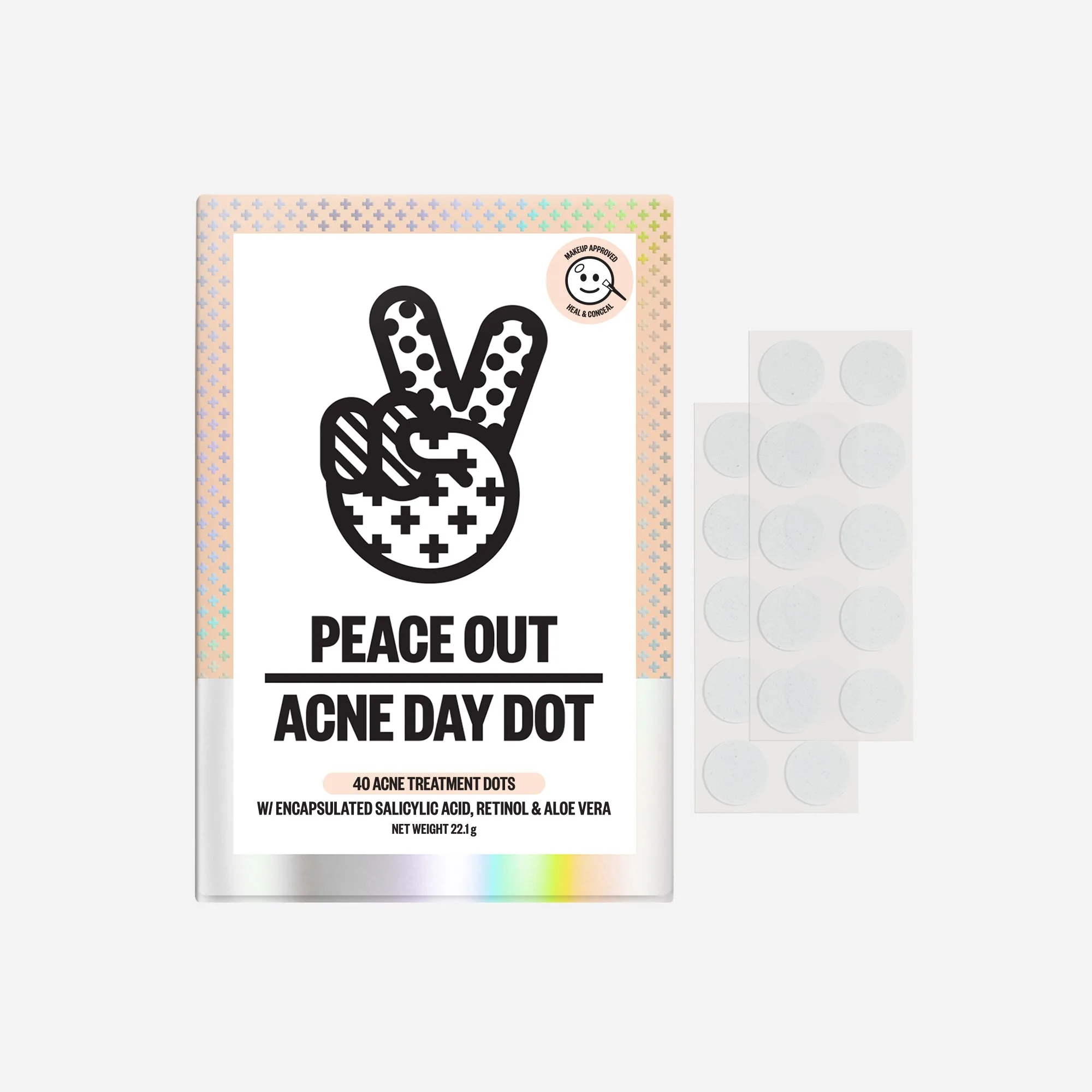
- Acne Day Dots - Jumbo: Ultra-sheer acne day patches and invisible pimple patches, 61% thinner than the original dot, with Salicylic Acid for daytime blemish treatment and Retinol and Aloe Vera for skin smoothing and conditioning under makeup. 40-pack value size that protects pimples and prevents picking. If your patches keep lifting under makeup, this ultra-thin design is more flexible and less noticeable. It's a practical fix for daytime wear when you need protection without sacrificing discretion.
- Early Stage Acne Dots: Microneedle pimple patches with 430 self-dissolving microneedles and clean hydrocolloid technology that deliver 2% Salicylic Acid and Niacinamide below the surface to treat early-stage, cystic, and under-the-skin breakouts without irritation, gently clearing bumps before they appear for visibly clearer skin. For under-the-skin bumps that won't come to a head, these patches deliver ingredients below the surface and can stay in place better on uneven skin. They're a good alternative when standard patches won't stick to a cystic area.
Acne patches not sticking is a common annoyance, but most causes are easy to fix with better prep and application. Cleanse, dry, and press firmly—and if that doesn't work, consider a different patch format. With the right approach, you can keep your breakout protected and let the patch do its job.