Quick answer
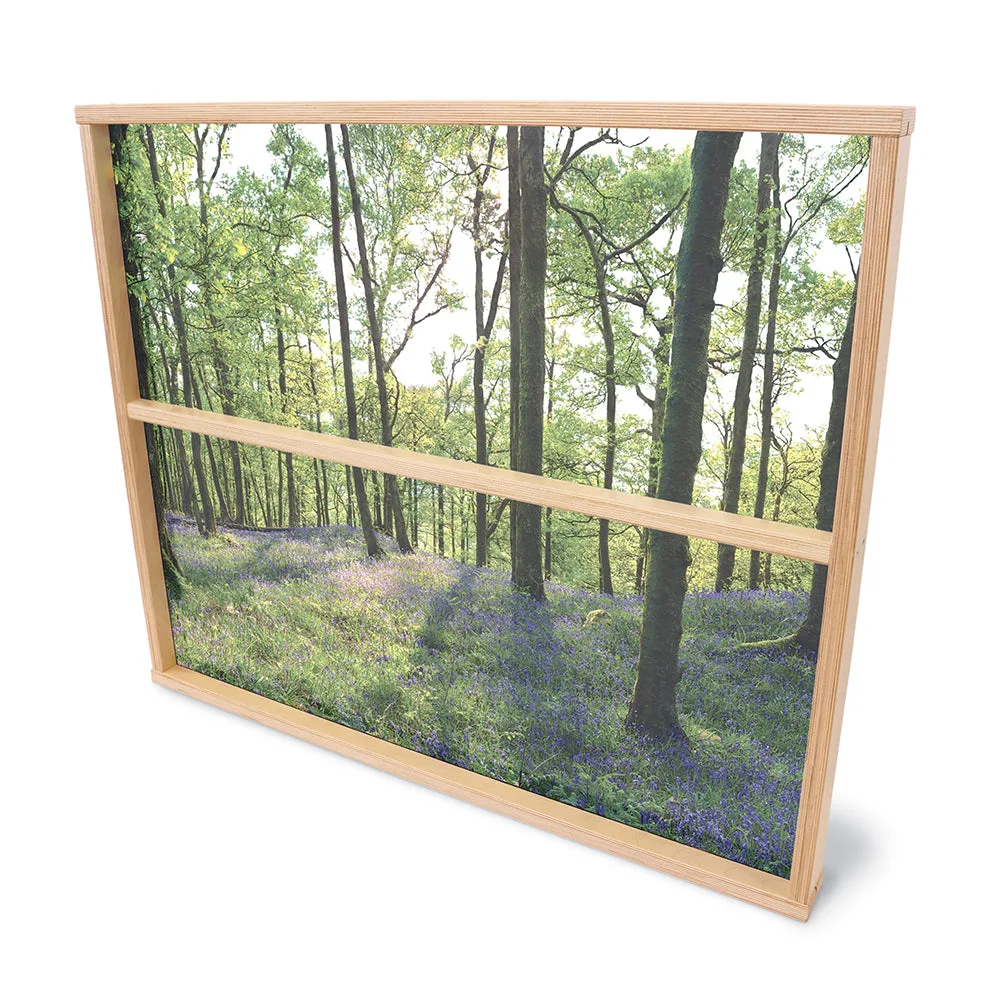
Choose an acrylic divider when you want defined learning zones without losing sight of children, and fabric when you need to absorb sound or block sightlines in a quiet corner. Acrylic panels like the Nature View 36" Acrylic Woodland Divider Panel keep supervision easy; fabric panels dampen noise but hide children from view. Neither material is universally better, so match the panel to the zone.
Light and sightlines: the biggest practical difference
Acrylic panels transmit light and keep children visible, so you can define a block corner or reading nook without creating a blind spot. That matters in early childhood rooms where supervision ratios are tight and staff need to scan the whole room from one position. A clear acrylic divider with a printed scene, such as the Nature View panel, still gives children a sense of enclosure while you keep eyes on them.
Fabric panels block sightlines and absorb some sound, which suits calm-down corners, testing areas, or spaces next to a noisy hallway. The trade-off is that you lose the visual sweep; a teacher standing at the door may not see a child seated behind a fabric screen. If your room already has blind corners, fabric dividers make supervision harder, not easier.
Shipping, assembly, and how the divider arrives
Acrylic panels are bulky and often ship by truck with a longer lead time. The Nature View panel, for example, ships via truck in 4-6 weeks, so it is not a solution for a room you need to reconfigure next week. Plan acrylic purchases around the start of a term or a scheduled furniture delivery.
Fabric dividers typically pack flat or fold, which makes them easier to store and move between rooms. Before ordering either type, measure the opening you want to divide and check door widths and hallway turns; a panel that cannot reach the room is a return waiting to happen.
Cleaning and daily wear
Acrylic wipes clean with a damp cloth and mild soap, which matters in art, sensory, and snack zones where fingerprints and splashes are constant. Avoid abrasive cleaners and paper towels that can scratch the surface. Fabric covers need vacuuming or spot cleaning and will hold dust, glue, and paint over time, so keep fabric dividers away from the messiest centers.
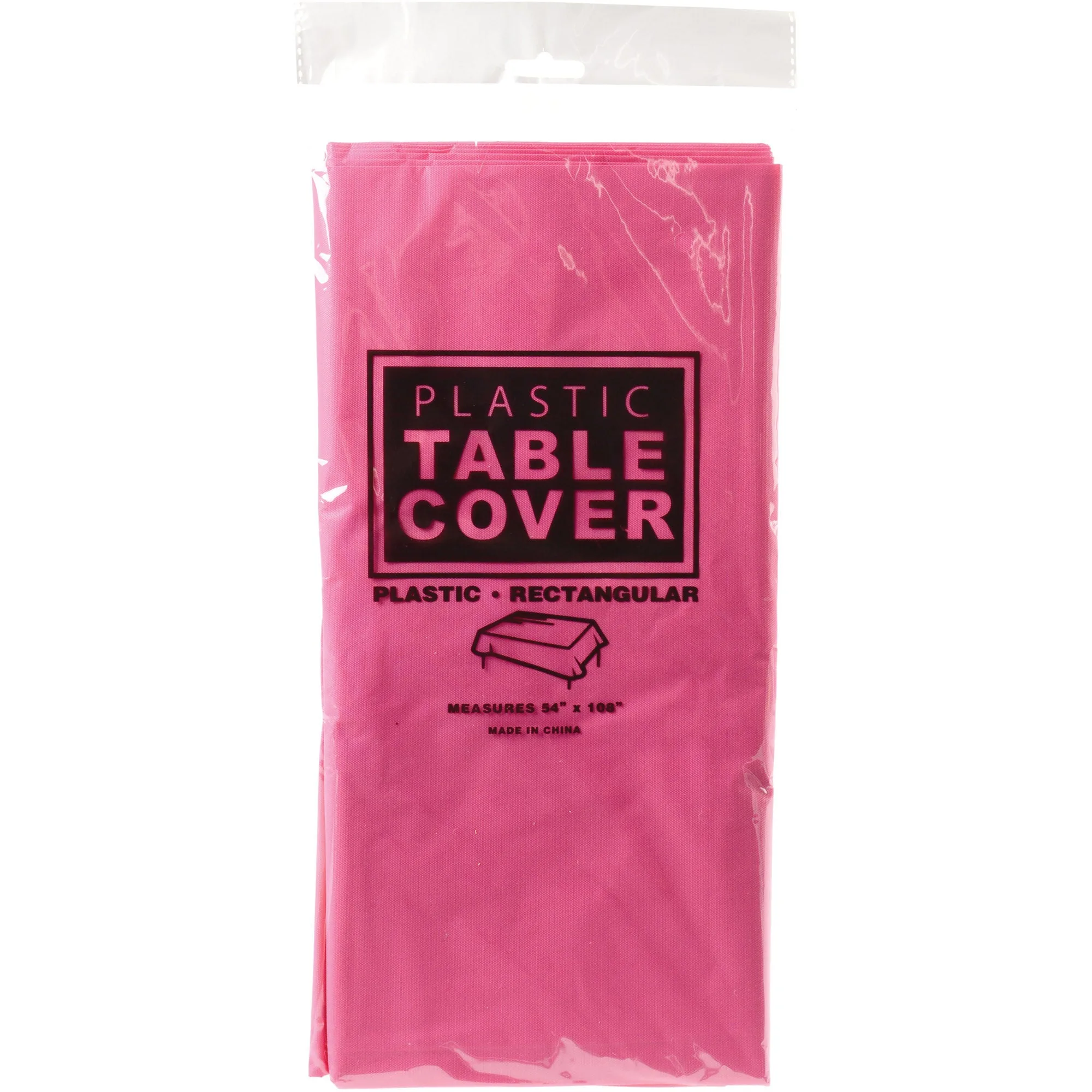
For table protection during those messy activities, a wipe-clean cover such as the Lightweight Classroom Table Cover (108" x 54") is a simpler purchase than replacing a stained fabric divider. The cover fits standard 108" x 54" activity tables and wipes clean after finger paint, crafts, and STEM projects.
How to zone a room with dividers
Start with the traffic path: children should be able to move from the entry to the bathroom and the main gathering area without walking through a center. Place acrylic dividers along active paths where you need visibility, and reserve fabric for dead-end quiet zones. Low panels define a center without walling it off; tall panels create more separation but also more blind spots.
Anchor freestanding panels so they cannot tip, and leave at least one open side on every zone so children are not trapped behind a divider. If your room doubles as a dining or nap space, choose dividers you can move or fold daily rather than fixed partitions.
Trade-offs to weigh before you buy
- Supervision vs. sound control: Acrylic keeps sightlines open so one teacher can scan multiple zones; fabric absorbs some noise but blocks the view. Choose acrylic for active rooms, fabric only for quiet corners you can still see into.
- Lead time vs. budget: Acrylic panels often ship by truck with multi-week lead times; fabric dividers usually arrive faster and cost less. Order acrylic around term planning, not mid-year emergencies.
- Cleaning effort: Acrylic wipes clean in seconds; fabric needs vacuuming and spot treatment and holds stains from art and snack time. Keep fabric away from paint, glue, and food centers.
- Stability and safety: Freestanding panels need anchoring or weighted bases, and every zone should keep at least one open side. Walk the room after setup and check for blind spots and tipping risks.
Grounded product facts
- Nature View 36" Acrylic Woodland Divider Panel | Clear Classroom Partition: Freestanding 43.25" W x 3" D x 36.25" H clear acrylic panel printed with a woodland scene; ships via truck in 4-6 weeks. The clear acrylic keeps children visible for supervision while the printed scene gives the zone a calm, nature-themed identity; the long truck lead time means you should order well before a term starts.
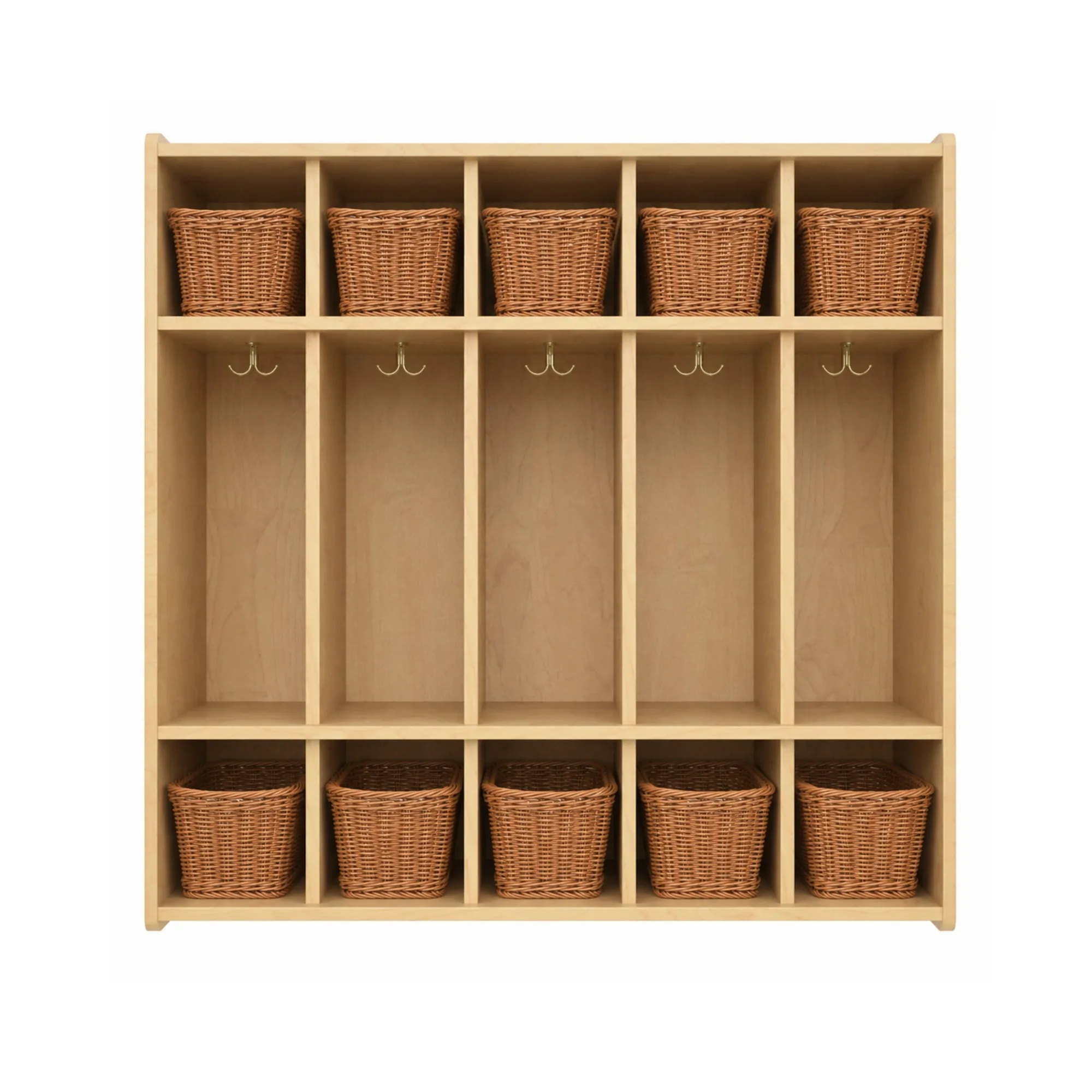
- 5-Section Preschool Locker & Basket Organization Center: 5-section preschool locker with four woven storage baskets; ships in 2-3 business days from warehouse stock. A fast-shipping entryway organizer solves the same "define a zone" problem at the classroom door, so you can pair a slow-shipping divider with a quick entryway fix.
- Lightweight Classroom Table Cover – 108" x 54" Wipe Clean: Wipe-clean table cover, 108" L x 54" W, fits standard classroom activity tables for art, sensory, and STEM projects. Protecting tables is cheaper than replacing stained fabric dividers, and the wipe-clean surface suits the messy centers where fabric would suffer most.
Which divider fits your classroom?
Best for
- Rooms where one teacher must supervise several centers at once
- Nature-themed or calm-down zones that still need visibility
- Art and sensory areas that need wipe-clean surfaces
- Programs planning purchases a term ahead of delivery
Not for
- Spaces that need immediate delivery next week
- Rooms where you must fully block sound or sightlines
- Tight budgets that cannot absorb truck shipping
- Areas with no way to anchor a freestanding panel