Action figures are more than just collectibles; they are miniature works of art waiting to be showcased. Whether you're a seasoned collector or a newcomer, capturing your figures in stunning photographs can elevate your appreciation and share your passion with the world. This guide will walk you through essential action figure photography tips, from basic setup to advanced techniques, ensuring you can take epic shots that do your figures justice.
Photographing action figures presents unique challenges and opportunities. Unlike portrait or landscape photography, you have complete control over your subject, allowing for creative freedom. But with that control comes the need for careful planning and technique. In this article, we'll cover everything from choosing the right equipment to mastering poses and lighting, helping you transform your collection into a visual masterpiece.
Essential Equipment for Figure Photography
You don't need a professional studio to start taking great action figure photos. A basic DSLR or mirrorless camera with a kit lens is more than sufficient, but even a modern smartphone can produce impressive results. The key is understanding your equipment's limitations and working around them. A tripod is a game-changer, ensuring sharp images during longer exposures, especially in low light.
Consider investing in a macro lens for capturing fine details, but if that's out of budget, extension tubes can turn your existing lens into a macro-capable one. Lighting is crucial; natural window light is a great starting point, but portable LED panels or a simple desk lamp can give you more control. For backgrounds, use seamless paper, textured fabric, or even a computer monitor displaying a suitable backdrop.
- Use a tripod to avoid camera shake and enable longer exposures.
- Try a macro lens or extension tubes for detailed close-ups.
- Experiment with natural light, LED panels, or desk lamps for controlled lighting.
Mastering Action Figure Poses
A dynamic pose can make or break an action figure photo. Study the character's personality and source material to choose a pose that feels authentic. For example, a heroic stance with a confident gaze works for characters like the Hot Toys 1/6 Scale Television Masterpiece Series - Death Trooper (The Mandalorian), while a martial arts ready position suits Jada Toys Street Fighter II - Fei Long (Reissue).
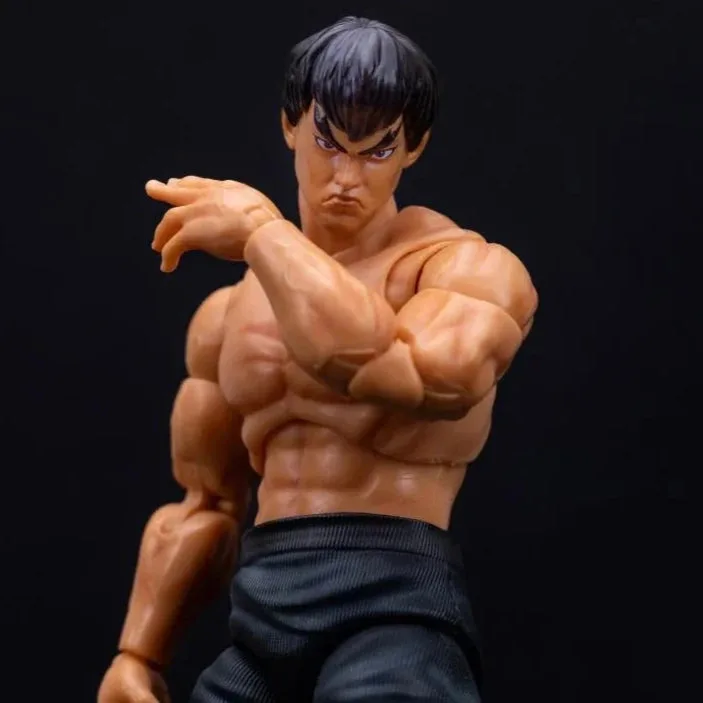
Jada Toys Street Fighter II - Fei Long (Reissue)
When posing, pay attention to the figure's joints and balance. Use a figure stand if needed to prevent falls, and adjust limbs to create a natural flow. Consider the line of action, which is the imaginary line that runs through the figure's body, conveying movement and energy. A curved line often looks more dynamic than a straight one. Practice with different figures to understand their articulation limits.
- Research the character to choose a pose that fits their personality.
- Use a figure stand for balance and stability.
- Focus on the line of action to create dynamic, natural-looking poses.
Lighting Techniques for Dramatic Shots
Lighting is the soul of photography. For action figures, you can use a single light source to create dramatic shadows, or multiple lights to highlight details. A common technique is Rembrandt lighting, where a key light is placed at a 45-degree angle, creating a small triangle of light on the shadowed cheek. This adds depth and mood to your shots.
Experiment with colored gels on your lights to create a cinematic feel, or use a flashlight to simulate a spotlight on your figure. For a more natural look, bounce light off a white card to fill in shadows. Remember to adjust your camera settings accordingly; lower ISO for less noise, and use a smaller aperture (higher f-stop) for greater depth of field, keeping the entire figure sharp.
- Use a 45-degree key light for Rembrandt-style shadows.
- Add colored gels for a cinematic atmosphere.
- Bounce light to fill in unwanted shadows.
Setting the Scene: Backgrounds and Props
The background sets the stage for your action figure. A clean, uncluttered background keeps focus on the subject, while a themed background can tell a story. Use textured surfaces like concrete, wood, or grass to add realism. For sci-fi figures, a dark backdrop with subtle lighting can create a futuristic vibe.
Props can enhance the narrative. For example, the Generation Toy - GT-11 Red Bull can be posed with a simple road diorama to emphasize its speed. Similarly, the Fantastic Model - FM-03 Warhorse might look great with a medieval-style backdrop. Don't overdo it; the figure should remain the star. Use props to complement, not distract.
- Choose a background that complements the figure's theme.
- Use props to add context, but keep focus on the figure.
- Experiment with different textures and colors.
Post-Processing for That Professional Finish
Post-processing is where you can polish your photos. Basic adjustments like cropping, straightening, and correcting white balance are essential. Use editing software like Adobe Lightroom or free alternatives like GIMP to enhance colors, adjust contrast, and remove any distracting elements.
For more advanced edits, consider focus stacking to achieve sharpness throughout, or use layers to composite multiple shots. But remember, the goal is to enhance, not to completely alter the image. Keep your edits natural to maintain the realism of your figure photography.
- Start with basic adjustments: crop, straighten, and white balance.
- Use editing software to enhance colors and contrast.
- Try focus stacking for macro shots to get full sharpness.
With these action figure photography tips, you're well on your way to capturing epic shots of your collection. Remember to practice and experiment with different techniques to find your unique style. For your next shoot, consider featuring the Transformers Masterpiece Gattai - MPG-08 Trainbot Yamabuki - Raiden Combiner, a complex figure that offers endless posing possibilities. Happy shooting!