Quick answer
Look for an ADHD book for teens that speaks directly to the teenager, uses a relatable tone, and addresses real-life challenges like school, relationships, and future planning. Avoid books that feel like a textbook or a lecture.
Why tone and format matter more than length
Teens with ADHD often struggle with sustained attention. A book that uses short chapters, bullet points, or a Q&A format can feel less overwhelming than dense paragraphs. The tone should be respectful and empowering, not condescending. Look for books that acknowledge the frustration of hearing "you're just lazy" while offering practical strategies, not just sympathy.
A book written by someone who understands ADHD from the inside—or by professionals who work directly with teens—will usually hit the right note. Avoid books that seem to be written for parents or teachers and then marketed to teens; they often miss the mark.
Content that actually helps day to day
The best ADHD books for adolescents cover concrete topics: getting through high school, managing homework, dealing with depression or learning disabilities, and planning for life after school. Look for a book that addresses the social and emotional side of ADHD, not just symptoms and medication.
A strong self-help book for teens will also include strategies that can be used right away, like how to break down a big assignment or how to talk to teachers about accommodations. Avoid books that are heavy on theory or research without actionable steps.
Decision rules for choosing an ADHD book for teens
- Check the intended audience: The book should be written directly for teenagers, not for parents or teachers. Look for language like "for teens" or "a teenager's guide." Avoid books that talk about teens in the third person.
- Look for a reader-friendly format: Teens with ADHD benefit from short chapters, bullet points, Q&A sections, or checklists. A dense textbook-style layout will likely be abandoned. Flip through the book and see if the structure invites browsing.
- Prioritize real-world topics: The book should cover school, friendships, family dynamics, and future planning. If it only talks about symptoms and medication, it's not a complete guide. Look for chapters on depression, learning disabilities, and life after high school. A book that addresses co-occurring conditions like depression or learning disabilities can be more helpful than one that focuses only on ADHD.
- Consider the author's credibility: Books written by ADHD specialists, psychologists, or authors with personal experience tend to be more trustworthy. Check the author bio to see if they have relevant credentials or a track record of working with teens.
- Avoid books that shame or blame: Steer clear of books that use a critical tone or imply the teen just needs to try harder. The best books validate the teen's experience and offer support without judgment.
Product facts
-
ADHD: A Teenager's Guide: Written for a teenager who is tired of hearing "You're just lazy!" and "I know you can do better!" This comprehensive guide features everything teens want to know about ADHD. Chapters address getting through high school and college, depression, learning disabilities, and life after school. The question and answer format makes it easy to read. The Q&A format and teen-focused tone help keep a reluctant reader engaged, and the coverage of real concerns like college and depression makes it useful beyond just symptom management.
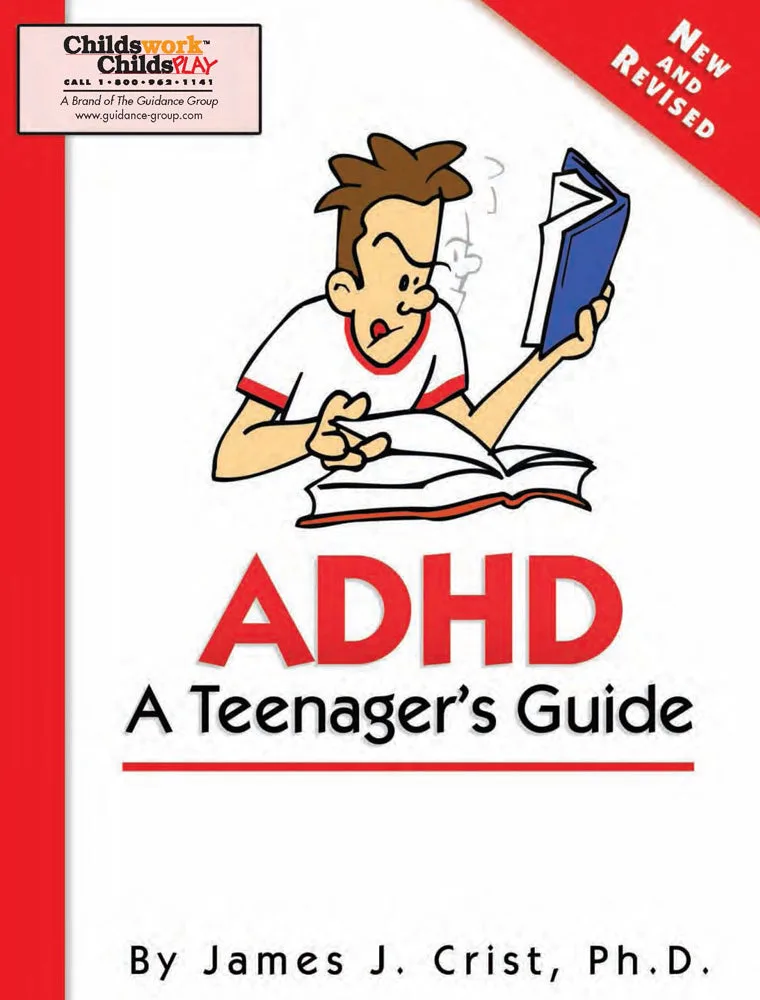
ADHD: A Teenager's Guide
Who this guide is for
Best for
- Parents or caregivers looking for a self-help book their teen will actually read
- Teens who want a relatable, non-judgmental guide to managing ADHD
Not for
- Adults seeking a clinical or medical reference about ADHD
- Parents who want a book written primarily for them to help their teen