Quick Answer
For most homes, adhesive corner protectors are safer because they eliminate drilling risks and are easier to install correctly. However, screw-on protectors may be better for high-impact areas or surfaces where adhesives don't stick well.
Why Adhesive Protectors Are Safer for Most Homes
Adhesive corner protectors avoid the need for drilling, which can weaken furniture or create sharp edges if screws are placed incorrectly. They also reduce the risk of injury during installation, making them a practical choice for parents who are not DIY-savvy.
The Fred Safety Adhesive Corner Protector uses a two-component design: a hard inner shell and a softer outer layer. This structure absorbs impact effectively while the SecureHold™ adhesive keeps it firmly in place, so it stays put during everyday bumps.
When Screw-On Protectors Make Sense
Screw-on corner protectors are typically more secure on surfaces where adhesives fail, such as textured wood, brick, or furniture with uneven finishes. They also withstand repeated heavy impact better, making them suitable for very active toddlers or high-traffic areas.
However, screw-on installation leaves permanent holes in furniture, which may be unacceptable if you plan to remove the protectors later or if the furniture is rented or valuable.
Trade-Offs at a Glance
- Installation effort: Adhesive protectors are peel-and-stick, taking seconds to apply. Screw-on protectors require drilling, which takes more time and skill. If you're short on time or not handy, choose adhesive.
- Furniture damage: Adhesive protectors leave no permanent marks when removed (though residue may remain). Screw-on protectors leave holes that are hard to repair. For rented or valuable furniture, adhesive is the safer choice.
- Holding strength: Adhesive protectors rely on surface cleanliness and smoothness; they may not stick to rough or porous surfaces. Screw-on protectors provide a mechanical hold that works on almost any material. If your furniture has a textured finish, consider screw-on.
- Impact resistance: Adhesive protectors absorb shock well but can be dislodged by very forceful impacts. Screw-on protectors are more likely to stay in place under repeated heavy bumps. For very active toddlers or high-traffic areas, screw-on may be more reliable.
Product Facts
-
Fred Safety Adhesive Corner Protector (x8) - Pure White: This adhesive corner protector features a hard inner shell and a softer shock-absorbing outer layer, with SecureHold™ adhesive for firm placement. The two-component design provides excellent impact protection while the adhesive keeps it securely attached, reducing the risk of the protector shifting or falling off.
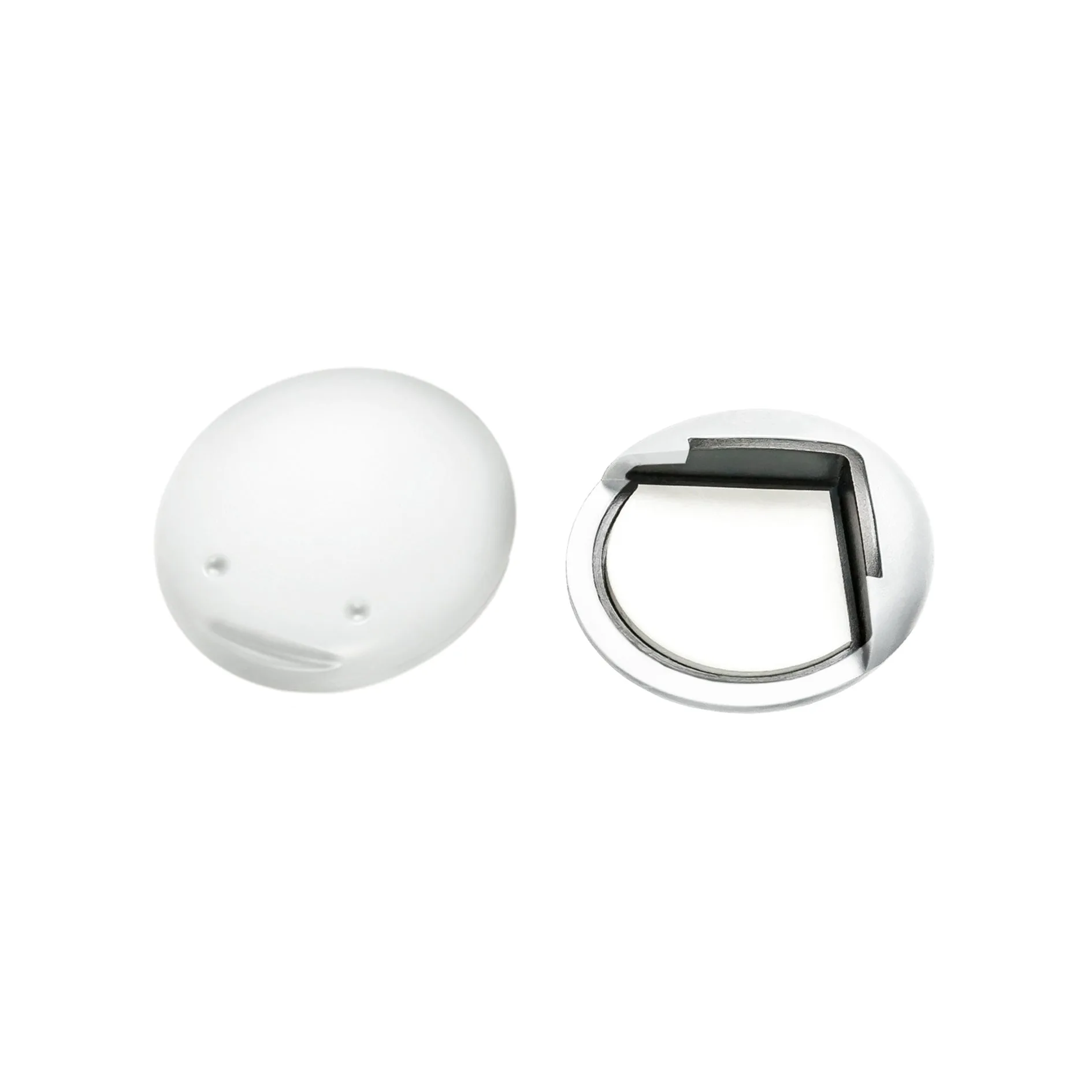
Fred Safety Adhesive Corner Protector (x8) - Pure White
-
Fred Safety Adhesive Corner Protector (x8) - Dark Grey: Available in dark grey, this adhesive corner protector uses the same SecureHold™ adhesive and shock-absorbing design as the white version. The dark grey option blends with darker furniture, so you can childproof without drawing attention to the protectors.
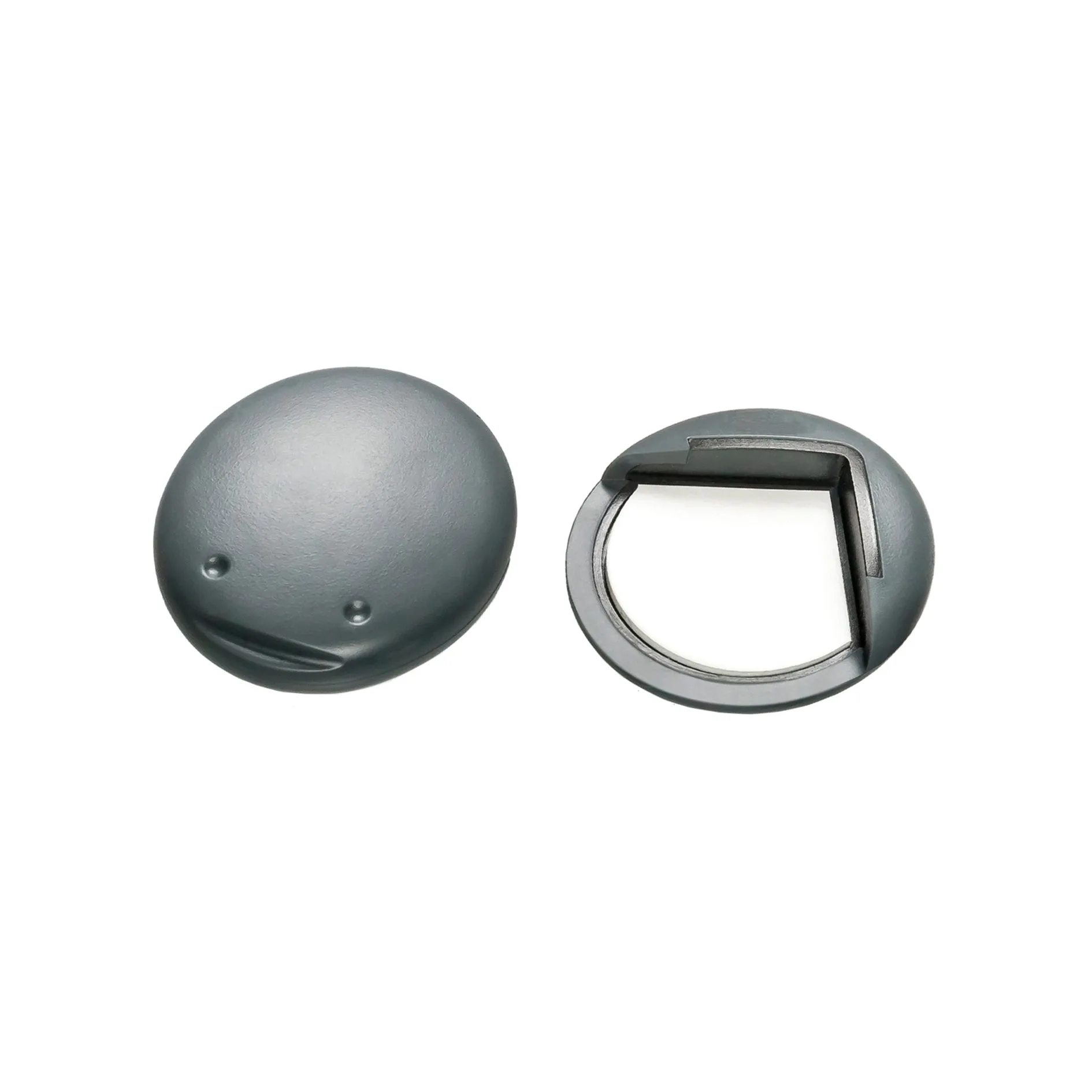
Fred Safety Adhesive Corner Protector (x8) - Dark Grey
Which Should You Choose?
Best for
- Parents who want a quick, no-drill installation on smooth surfaces like painted wood or plastic.
- Renters or those who want to avoid permanent damage to furniture.
Not for
- Homes with textured or uneven surfaces where adhesives won't bond well.
- Areas with extremely high impact or very active toddlers where a screw-on hold is more dependable.