Quick answer
Age spots and freckles are not the same. Freckles are usually genetic and fade with sun protection, while age spots are accumulated sun damage that persists. To treat each effectively, start by identifying what you have, then use targeted brightening skincare and consistent SPF.
Not every brown spot on your skin is an age spot, and not every freckle needs treatment. The confusion is understandable: both appear as flat, pigmented areas, and both darken with sun exposure. But their causes, behavior, and best treatments differ, so knowing what you're looking at changes your routine.
This guide helps you tell age spots from freckles using visible clues, explains why they respond differently to skincare, and shows how to fade dark spots with practical, product-based steps.
Freckles vs. age spots: what actually causes each
Freckles are largely genetic. They often appear in childhood on fair skin and fade when you limit sun exposure. They are a sign that your skin produces melanin in response to UV light, but they are not considered sun damage in the same way age spots are.
Age spots, also called liver spots or solar lentigines, are the result of years of UV exposure. They tend to appear later in life on areas that get the most sun, like the face, hands, and chest. Unlike freckles, they do not fade much on their own and often need active ingredients to lighten.
- Freckles: appear early, fade with less sun, often genetic.
- Age spots: appear later, persist without treatment, linked to cumulative sun exposure.
How to identify age spots at home
A simple way to tell the difference is to watch how the spot behaves. Freckles tend to darken in summer and lighten in winter. Age spots stay fairly consistent year-round, even when you are careful about sun protection.
Another clue is location and shape. Freckles often appear in clusters on the nose and cheeks. Age spots are usually larger, more irregular, and appear on the forehead, temples, hands, and décolletage. If a spot changes shape, color, or size, see a dermatologist rather than self-treating.
- Check whether the spot fades in winter: freckles do, age spots usually don't.
- Look at location: age spots favor sun-exposed areas like hands and temples.
- Watch for changes: any evolving spot needs a professional exam.
How to fade dark spots and even tone
Once you've identified age spots, the goal is to reduce excess pigment and support skin renewal. Look for brightening skincare that addresses tone and texture, and pair it with a tool that helps ingredients absorb better.
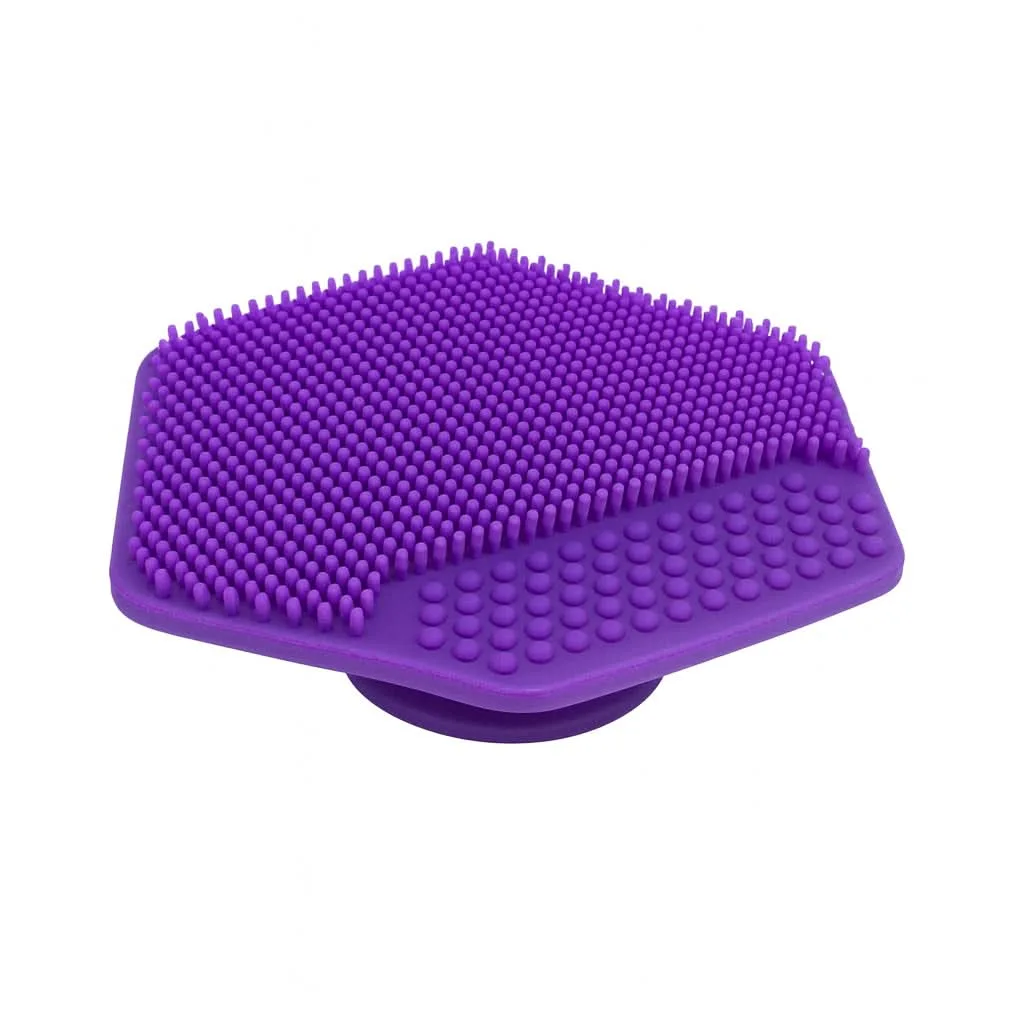
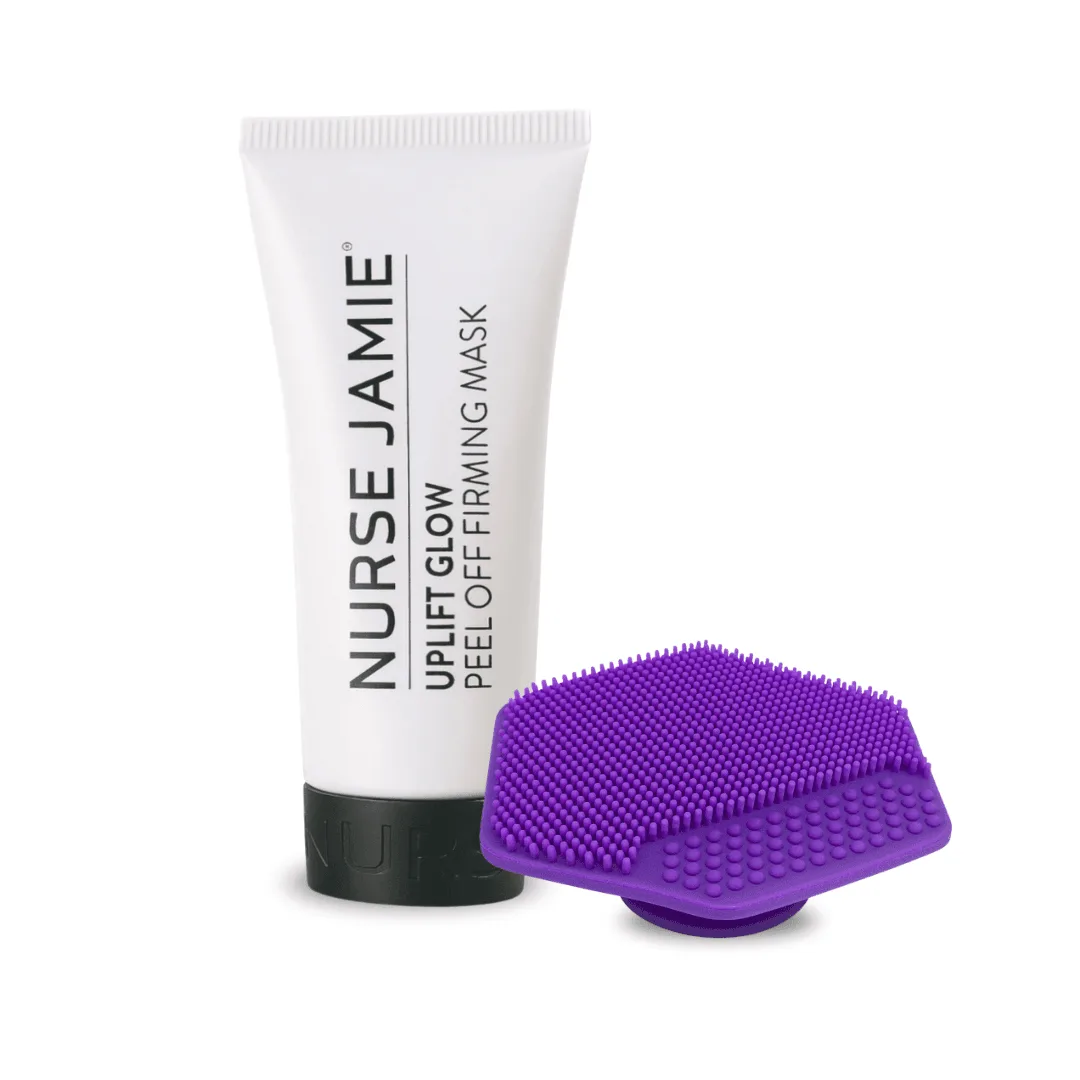
The Nurse Jamie Buff N Shine Kit pairs the ExfolibandTM with California Gold Bronzer Oil. The exfoliation step gently smooths away dullness, which can help brightening products work more effectively. The bronzer oil adds a golden finish that can make spots less noticeable while you treat them.
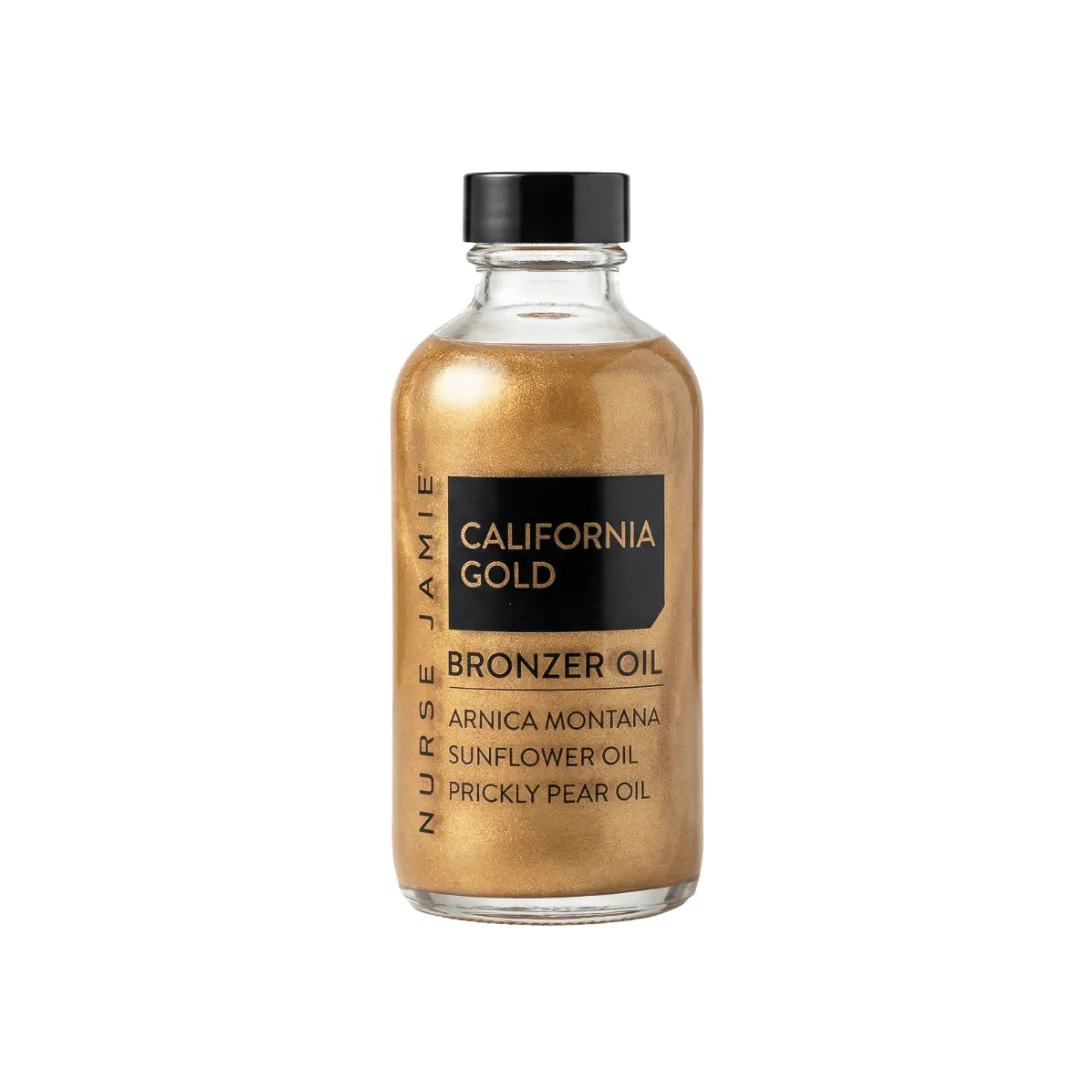
California Gold Bronzer Oil
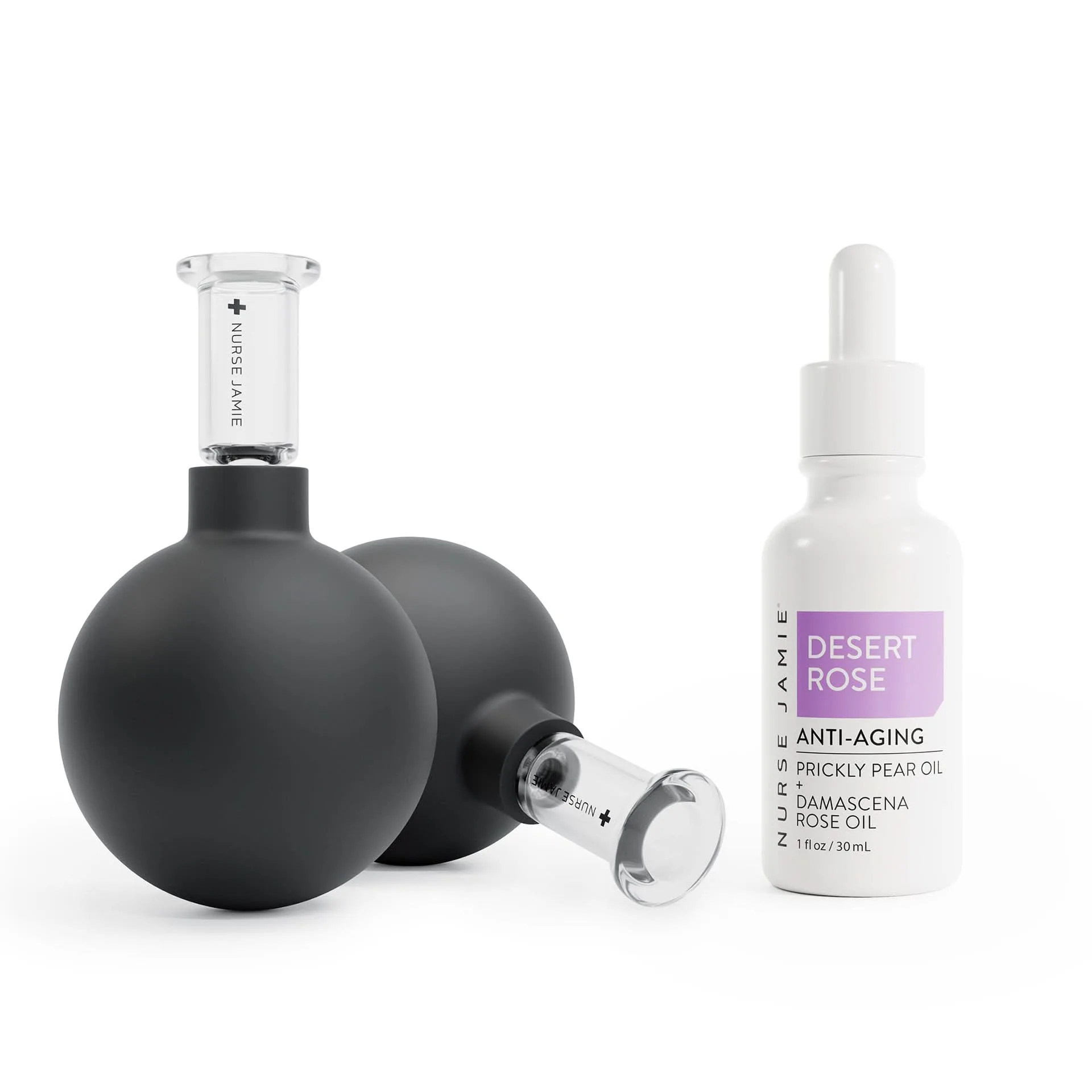
For a more targeted approach, consider the Desert Rose Anti-Aging Oil. Its botanical blend includes Damascena Rose Oil and Prickly Pear Oil, which help soothe and hydrate while supporting a more even tone. Consistent hydration keeps the skin barrier healthy, which supports any brightening effort.
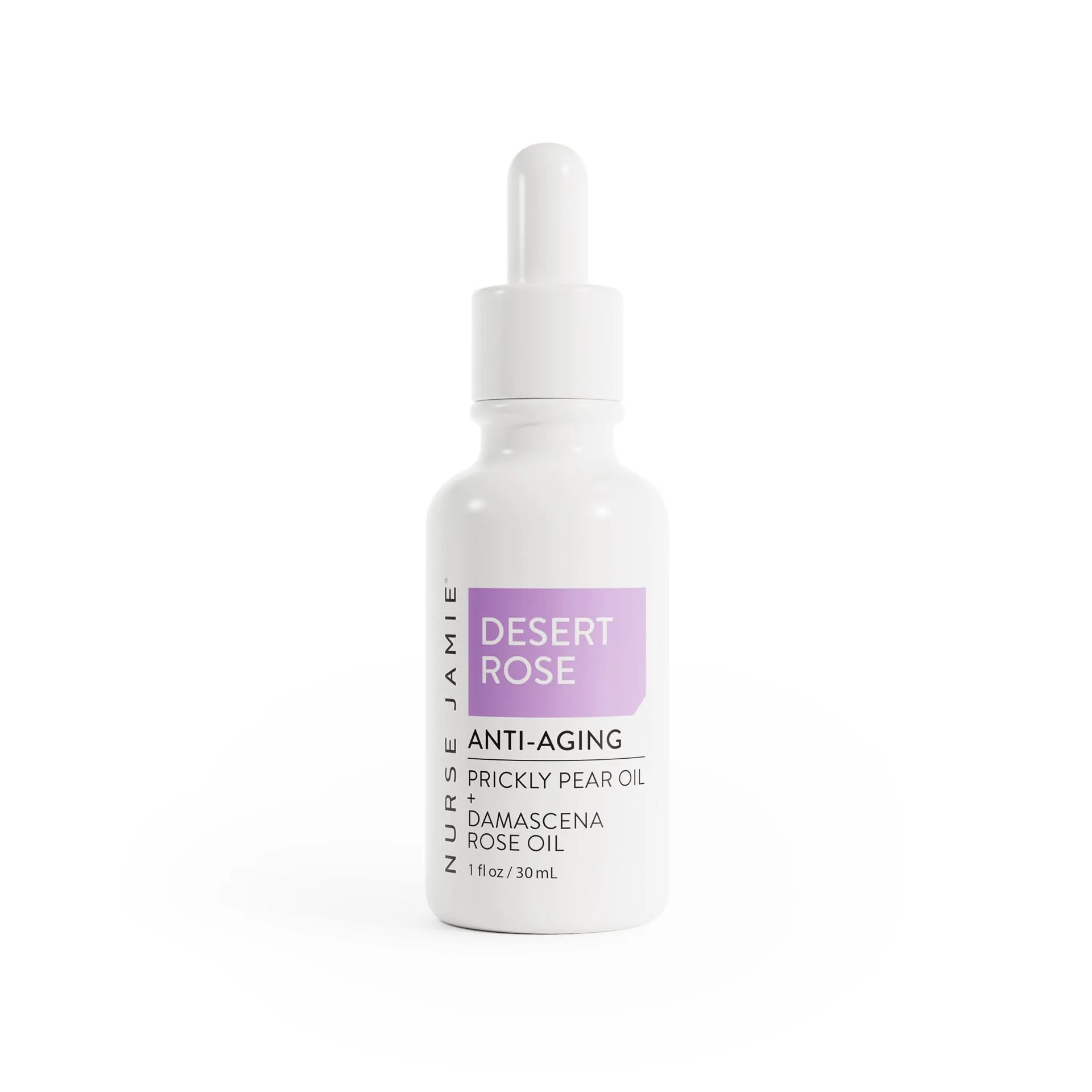
Desert Rose Anti-Aging Oil
- Exfoliate gently to remove dull surface cells before applying brightening products.
- Use antioxidant-rich oils to support skin barrier health and even tone.
- Always pair spot treatments with daily SPF to prevent new darkening.
Freckles: do they need treatment?
Freckles are not a skin condition that requires treatment. Many people like them, and they often fade with consistent sun protection. If you want to lighten freckles, the same brightening approach works, but the results are usually faster because freckles are less deeply pigmented.
The key is to avoid treating freckles and age spots the same way. Harsh exfoliation or aggressive lighteners may irritate freckle-prone skin without much benefit. A gentle routine that supports skin tone and hydration is a safer starting point.
- Freckles often fade with SPF alone; age spots usually need active care.
- If you lighten freckles, use gentle exfoliation and hydrating oils.
- Don't assume one product fits both: match the treatment to the spot type.
Myth vs. fact: age spots and freckles
- Myth: Freckles and age spots are the same thing: Freckles are genetic and fade with less sun; age spots are cumulative sun damage that persists. Treating them the same way can irritate freckle-prone skin without addressing deeper pigment. Identify your spot type before choosing a product.
- Myth: Age spots will fade on their own: Unlike freckles, age spots rarely fade without active help. They need consistent brightening skincare, gentle exfoliation, and daily SPF to visibly lighten. Plan for a consistent routine, not a quick fix.
- Myth: You need harsh lighteners to fade dark spots: Gentle exfoliation and barrier-supporting oils can help fade dark spots without irritation. Harsh products can damage the skin barrier and make pigmentation worse over time. Start gentle and stay consistent for the best results.
Products that help with age spots and tone
- Buff-N-Shine Kit: Pairs the Nurse Jamie ExfolibandTM with California Gold Bronzer Oil for skin that feels polished, nourished, and radiant. Gently exfoliates and preps skin. Regular gentle exfoliation removes dull surface cells so brightening ingredients can penetrate more effectively and your skin looks more even.
- Desert Rose Anti-Aging Oil: Formulated with Damascena Rose Oil to calm inflammation and Prickly Pear Oil to soften, hydrate, and help prevent the appearance of fine lines and wrinkles. A healthy, hydrated skin barrier supports even tone and helps your skin recover from sun exposure, which is key to fading dark spots over time.
Age spots and freckles may look alike, but they behave differently. Freckles often fade with sun protection, while age spots need consistent brightening care. Identify what you have, protect your skin daily, and use gentle exfoliation and hydrating oils to support a more even tone.