If you’ve ever wondered why your skincare routine isn’t delivering that lit-from-within glow, the missing piece might be exfoliation. An AHA/BHA exfoliating cleanser is a powerful yet gentle way to smooth skin texture, unclog pores, and brighten your complexion—all without harsh scrubbing. But to get the most out of it, you need to know exactly how to use it.
In this guide, we’ll walk you through the benefits of AHA and BHA, how to incorporate an exfoliating cleanser into your routine, and how to pair it with dermarolling for even better results. By the end, you’ll have a clear roadmap to smoother, more radiant skin.
What Are AHA and BHA? Understanding the Dynamic Duo
AHAs (alpha hydroxy acids) are water-soluble acids that work on the skin’s surface to dissolve the bonds between dead skin cells. They’re excellent for improving texture, fading dark spots, and boosting radiance. Common AHAs include glycolic acid, lactic acid, and mandelic acid.
BHAs (beta hydroxy acids) are oil-soluble, meaning they can penetrate into pores to dissolve excess sebum and unclog them. Salicylic acid is the most well-known BHA, and it’s a game-changer for blackheads, whiteheads, and acne-prone skin. Together, AHA and BHA provide a comprehensive exfoliating effect—smoothing the surface while clearing out pores.
- AHA: brightens and smooths surface texture
- BHA: cleans out pores and reduces oiliness
- Both: promote a more even skin tone and softer feel
Why Choose an Exfoliating Cleanser?
An exfoliating cleanser combines the cleansing step with chemical exfoliation, saving time and simplifying your routine. Unlike a separate exfoliating toner or serum, a cleanser is rinsed off, which makes it a gentler option for beginners or those with sensitive skin. It’s also an easy way to introduce acids without overwhelming your skin.
When used consistently, an AHA/BHA cleanser can help reduce the appearance of fine lines, fade hyperpigmentation, and prevent breakouts. It’s a versatile addition to any skincare regimen, especially for mature skin that needs extra help with cell turnover.
Step-by-Step: How to Use an AHA/BHA Cleanser
Start by wetting your face with lukewarm water. Apply a small amount of the cleanser to your fingertips and gently massage it onto damp skin in circular motions, avoiding the eye area. Let it sit for 30 to 60 seconds—this allows the acids to work—but don’t leave it on longer than the label recommends. Rinse thoroughly with cool water and pat dry.
For best results, use your AHA/BHA cleanser in the evening, as chemical exfoliants can increase sun sensitivity. Follow with a moisturizer to lock in hydration. In the morning, always apply a broad-spectrum sunscreen (SPF 30 or higher) to protect your freshly exfoliated skin.
- Use 2-3 times a week to start, then increase as tolerated
- Don’t combine with other strong actives like retinol on the same night
- Patch test new products to avoid irritation
Pairing Your Cleanser with Dermarolling for Enhanced Results
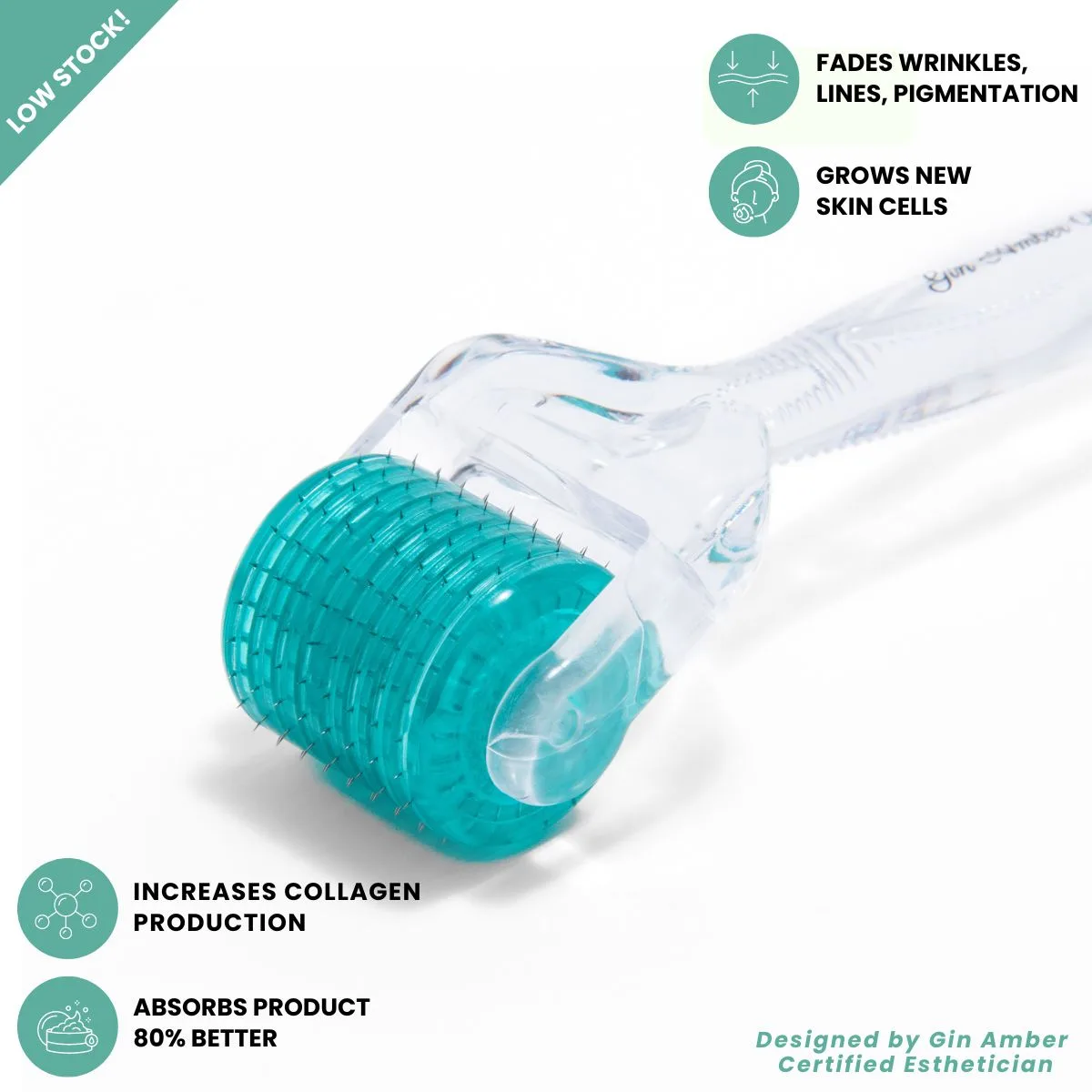
If you’re already using a dermaroller to boost collagen and improve skin texture, an AHA/BHA cleanser can complement your routine beautifully. Dermarolling creates micro-channels that allow your skincare products to penetrate deeper, making your exfoliating cleanser more effective. However, timing is key: never use an acid cleanser immediately after dermarolling, as your skin is temporarily compromised.
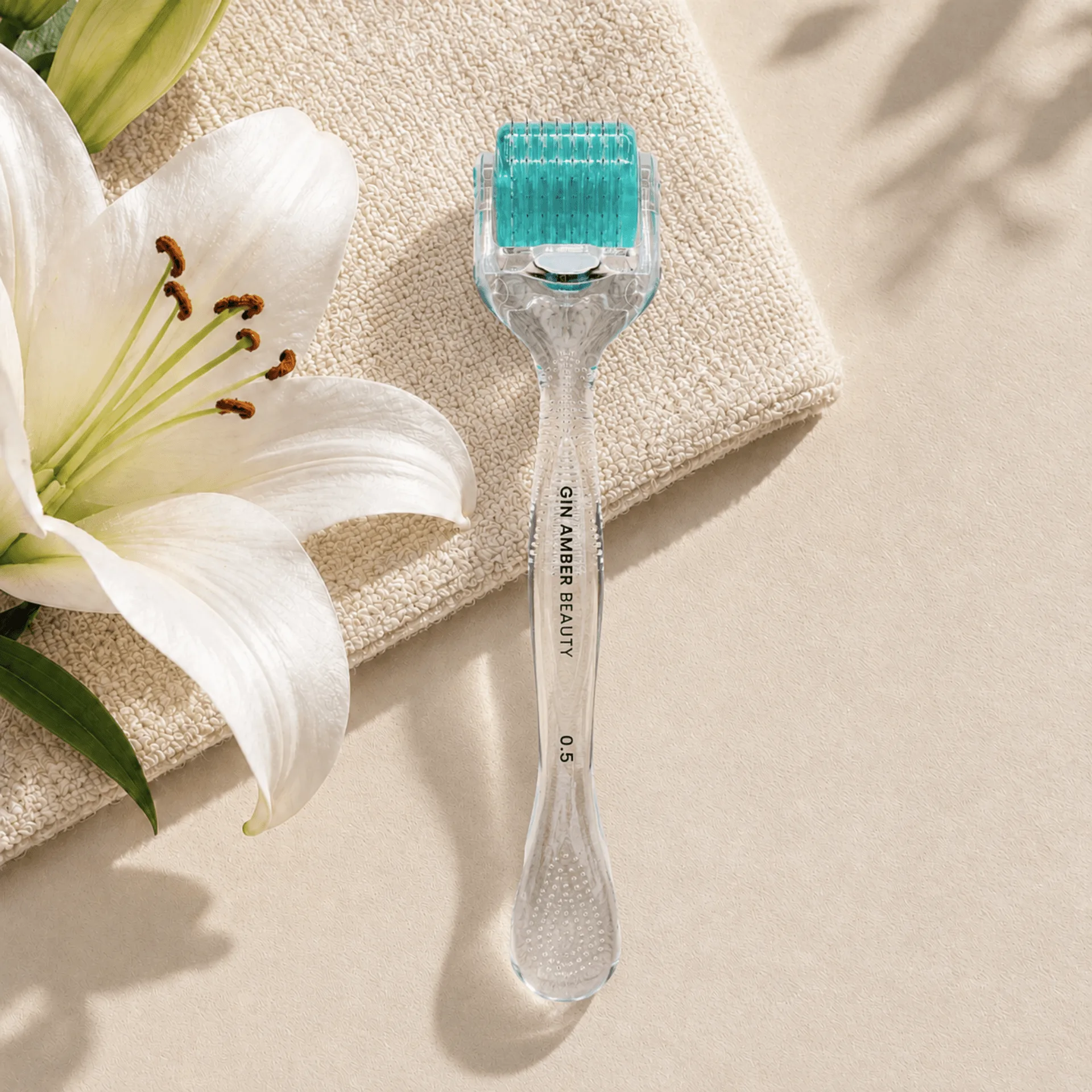
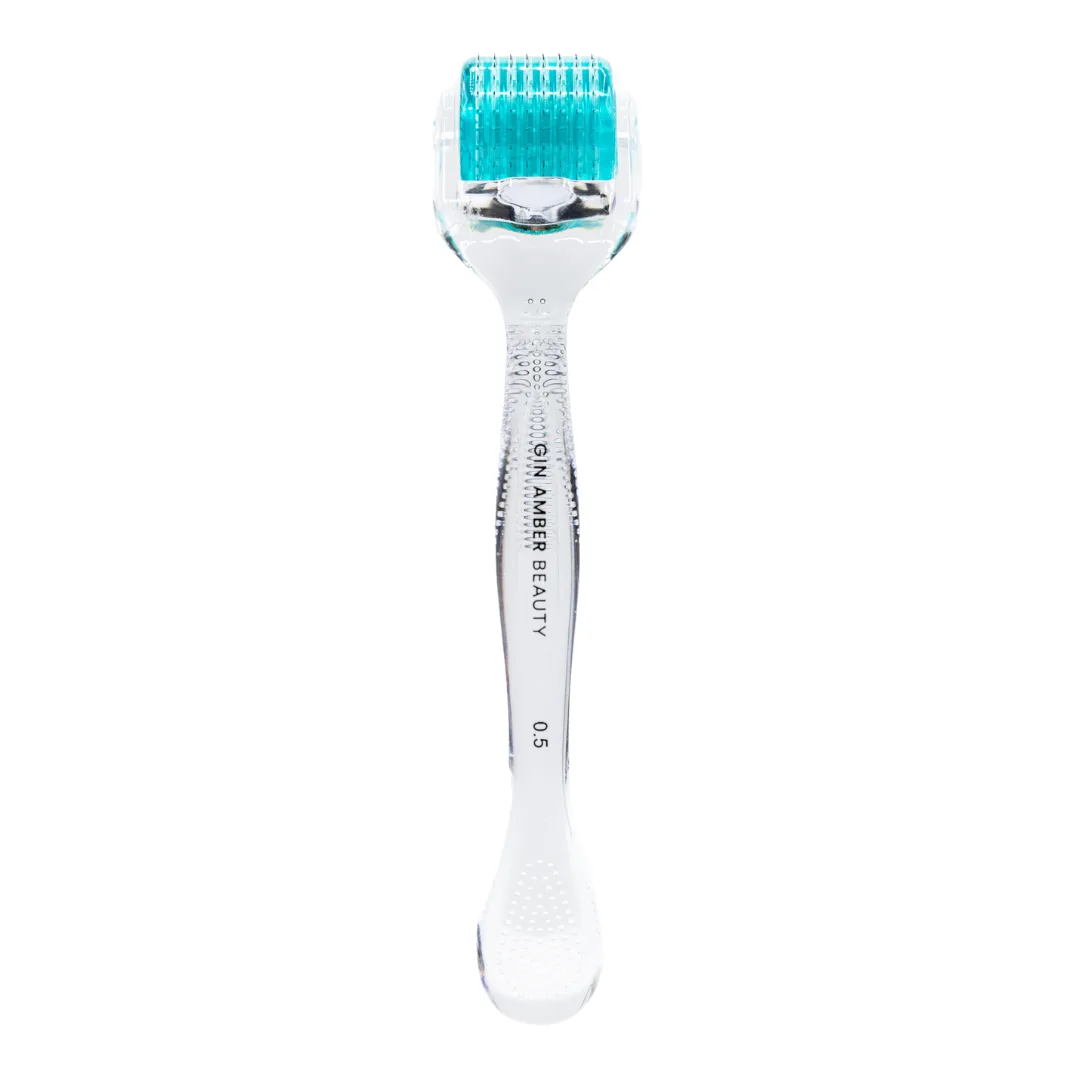
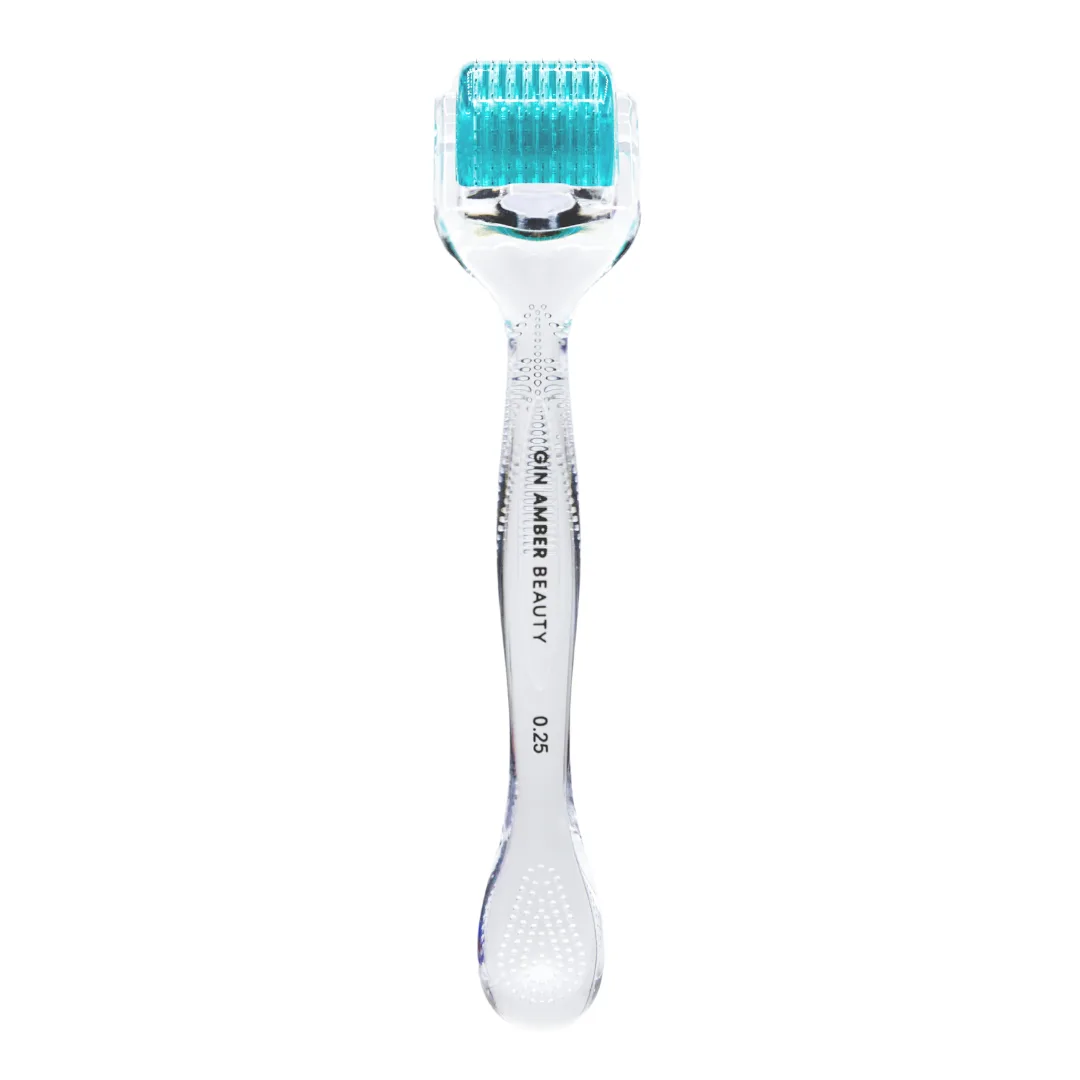
Instead, use your AHA/BHA cleanser the night before or the morning after your dermarolling session, then switch to a gentle, non-acid cleanser for the next 24 hours. This approach maximizes benefits while minimizing irritation. For dermarolling, consider a high-quality tool like the REAL INDIVIDUAL NEEDLES® 0.25mm Dermaroller for daily or every-other-day use, or the https://ginamberec.com/products/real-individual-needles-0-5mm-dermaroller-363638REAL INDIVIDUAL NEEDLES® 0.5mm Dermaroller for weekly sessions.
Common Mistakes to Avoid
One of the biggest mistakes is over-exfoliating. Using your AHA/BHA cleanser more than the recommended frequency can strip your skin barrier, leading to redness, dryness, and breakouts. Listen to your skin—if it feels tight or looks irritated, cut back to once a week.
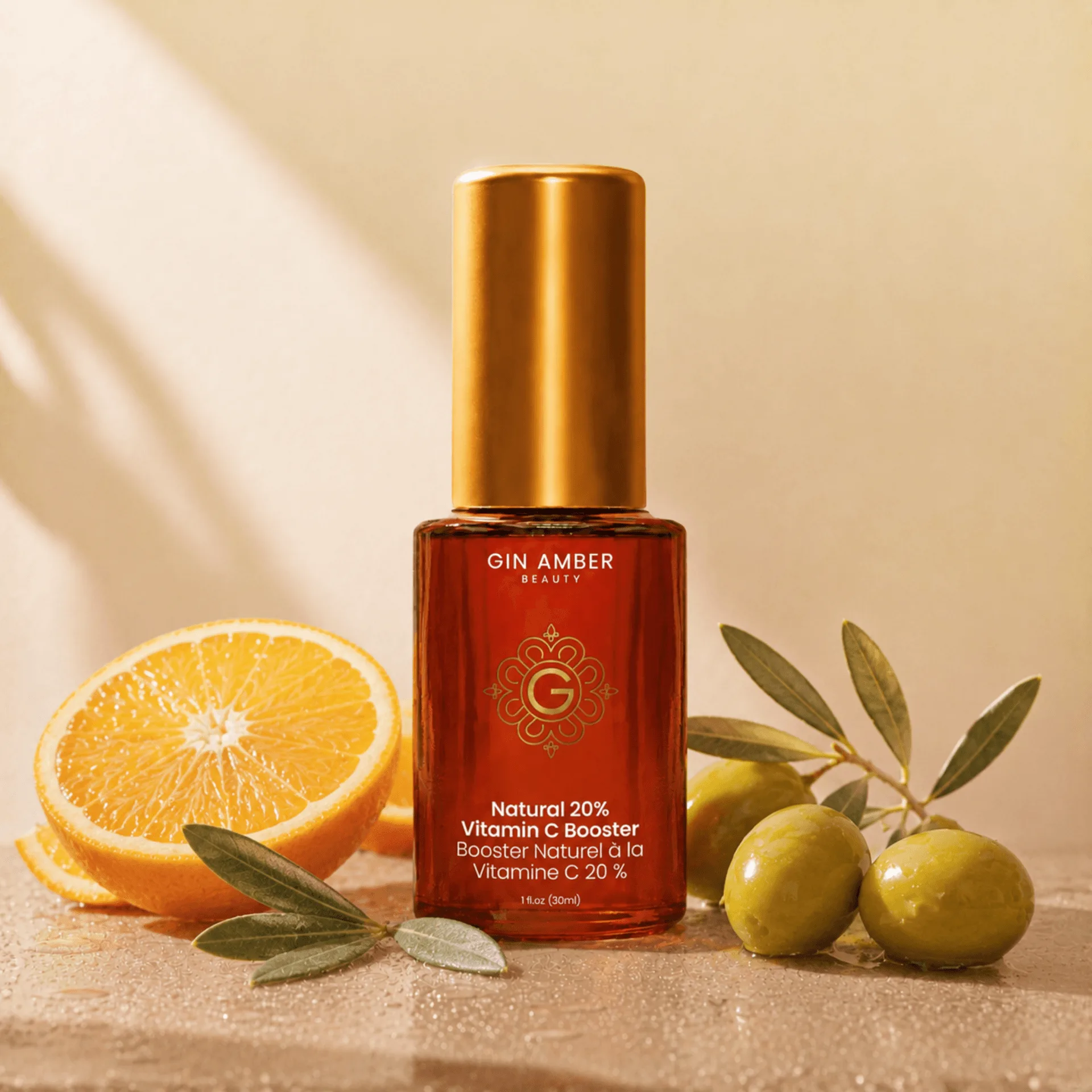
Another mistake is using the cleanser with other harsh ingredients like physical scrubs or high-strength vitamin C. While vitamin C is great for brightening, it can be too strong when paired with acids. If you use a vitamin C serum, apply it in the morning and save your acid cleanser for the evening.
Who Should Use an AHA/BHA Cleanser?
Almost anyone can benefit from a gentle AHA/BHA cleanser, but it’s especially helpful for those with dull, uneven skin, clogged pores, or early signs of aging. If you have sensitive skin, choose a formula with a lower concentration of acids (like 2% salicylic acid and 5% glycolic acid) and start with once a week.
Pregnant or nursing women should consult their doctor before using salicylic acid, and those with active infections or open wounds should avoid exfoliating altogether. When in doubt, patch test first.
Incorporating an AHA/BHA exfoliating cleanser into your routine is a simple yet powerful way to achieve smoother, more radiant skin. Remember to start slow, always follow with moisturizer and SPF, and consider pairing it with dermarolling for enhanced benefits. Ready to elevate your skincare game? Explore our Natural 20% Vitamin C Booster (Brightening) to complement your exfoliating routine and boost your glow.