Quick Answer
Choose airbrush nail art if you want fast, smooth gradients and soft effects with minimal hand steadiness. Choose hand-painted nail art if you crave intricate detail, fine lines, and full creative control. Both techniques have a learning curve, but airbrushing tends to be quicker for full coverage, while hand painting shines for custom artwork.
Airbrush Nail Art: Pros and Cons
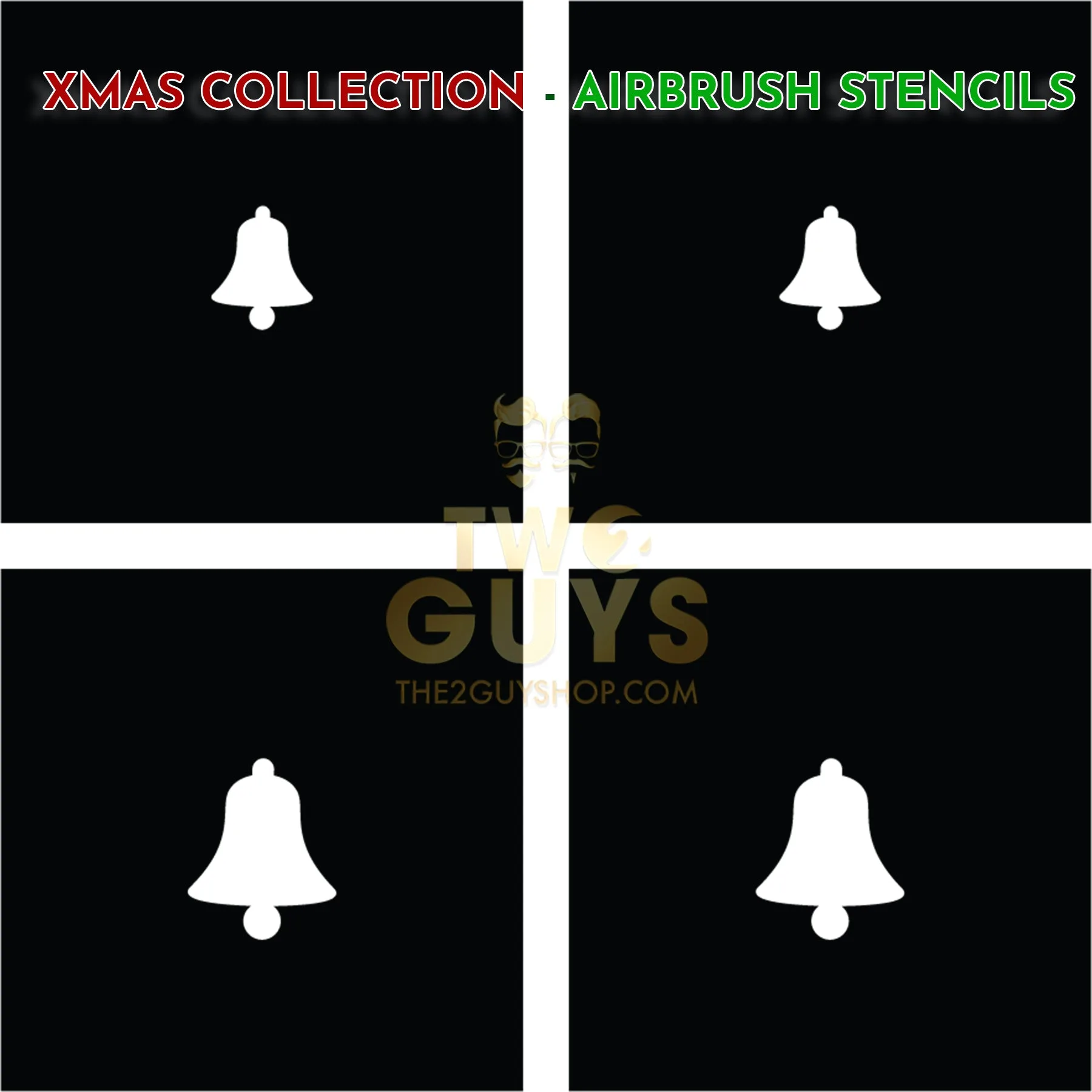
Airbrush nail art uses a small spray gun to apply fine mist of paint, creating smooth gradients, ombré effects, and soft color transitions that are hard to achieve by hand. It's also faster for covering large areas, making it ideal for full sets or festival nail art. However, airbrushing requires equipment setup, practice to control overspray, and more cleanup. For beginners, the initial cost and learning curve can be a hurdle, but the results are often worth it.
- Fast application for full coverage and gradients
- Smooth, airy effects that are difficult to replicate by hand
- Requires equipment, setup, and practice to master
- Overspray can be messy if not controlled
Hand-Painted Nail Art: Pros and Cons
Hand-painted nail art uses brushes, dotting tools, and acrylic paints to create detailed designs, fine lines, and custom artwork. It offers complete creative control, allowing for intricate patterns, portraits, and tiny details that airbrushing cannot achieve. Hand painting is also more portable and less expensive to start—just a few brushes and paints. The downside is that it takes steady hands and time, especially for complex designs, and may require more practice to achieve precision.
- Unlimited creative potential for custom designs
- Low start-up cost—just brushes and paints
- Time-consuming for detailed work
- Requires steady hands and practice for clean lines
Key Differences and How to Choose
The main difference lies in speed versus detail. Airbrushing excels at covering large areas quickly with soft gradients, while hand painting allows for precise, intricate details. If you're a beginner, airbrush nail art might feel more forgiving for achieving smooth effects, but you'll need to invest in equipment. Hand painting is easier to start on a budget but demands more manual skill. Consider your typical nail art style: if you love ombré and soft blends, airbrush is your friend; if you prefer line art and tiny florals, hand painting is the way.
Trade-Offs at a Glance
- Speed vs. Detail: Airbrushing covers large areas quickly but struggles with fine lines. Hand painting excels at intricate details but takes longer. Pick airbrush for full sets, hand paint for custom art.
- Cost vs. Portability: Airbrush kits are more expensive and bulky. Hand painting requires only brushes and paints, which are cheaper and travel-friendly. Start with hand painting if budget or space is a concern.
- Learning Curve: Airbrushing requires learning to control overspray and equipment maintenance. Hand painting demands steady hands and brush control. Practice on tips before committing to a technique.
Products That Support Both Techniques
- NB07 BARELY BLOOM - NANO BUILDER GEL: 2Guys NANO BUILDER GEL is a non-leveling formula that holds shape beautifully and releases cleanly, making it ideal for flawless Dual Form applications. A non-leveling builder gel gives you control while sculpting, so you can create a smooth canvas for either airbrushed gradients or hand-painted details without worrying about flooding.
- FD16 - Fairy Dust: FD16 - Fairy Dust is a light-purple nail glitter that delivers a fine, shimmering dust for a delicate sparkle. A subtle glitter can elevate both airbrushed and hand-painted designs, adding a magical finish to your nail art without overwhelming the design.
Which Technique Fits You?
Best For
- Nail techs who want fast, smooth gradients and ombré effects for full sets
- Beginners who want to achieve soft blends without precise brush control
Not For
- Those who love intricate line work and detailed custom art
- Nail artists on a tight budget or with limited workspace