Quick Answer
If you want a handle you can tighten or disassemble for cleaning, choose Allen bolts. If you prioritize a seamless, decorative look and never plan to take the knife apart, mosaic pins are the better fit. Both are durable; the right choice depends on how you use and maintain your knife.
What Are Allen Bolts and Mosaic Pins?
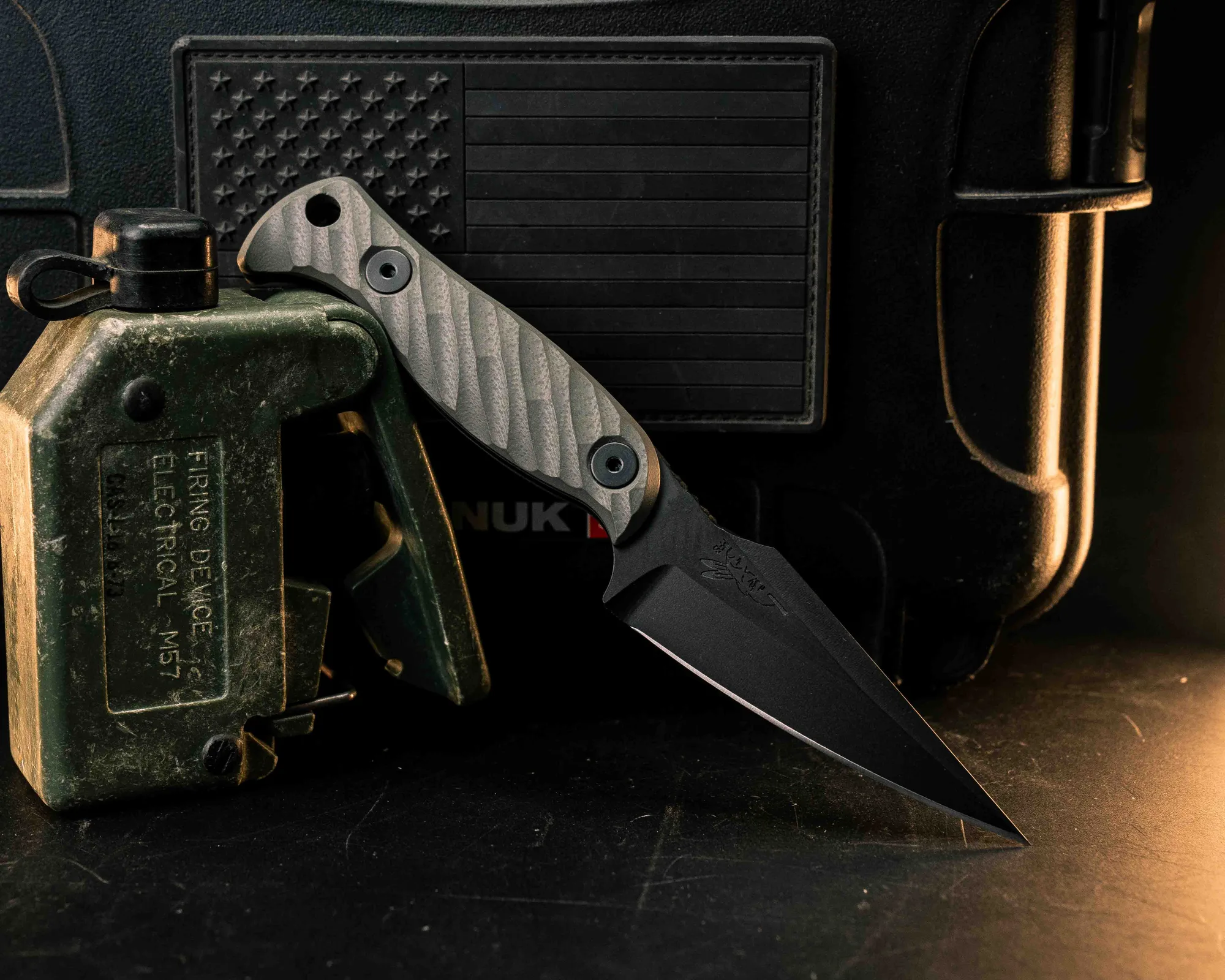
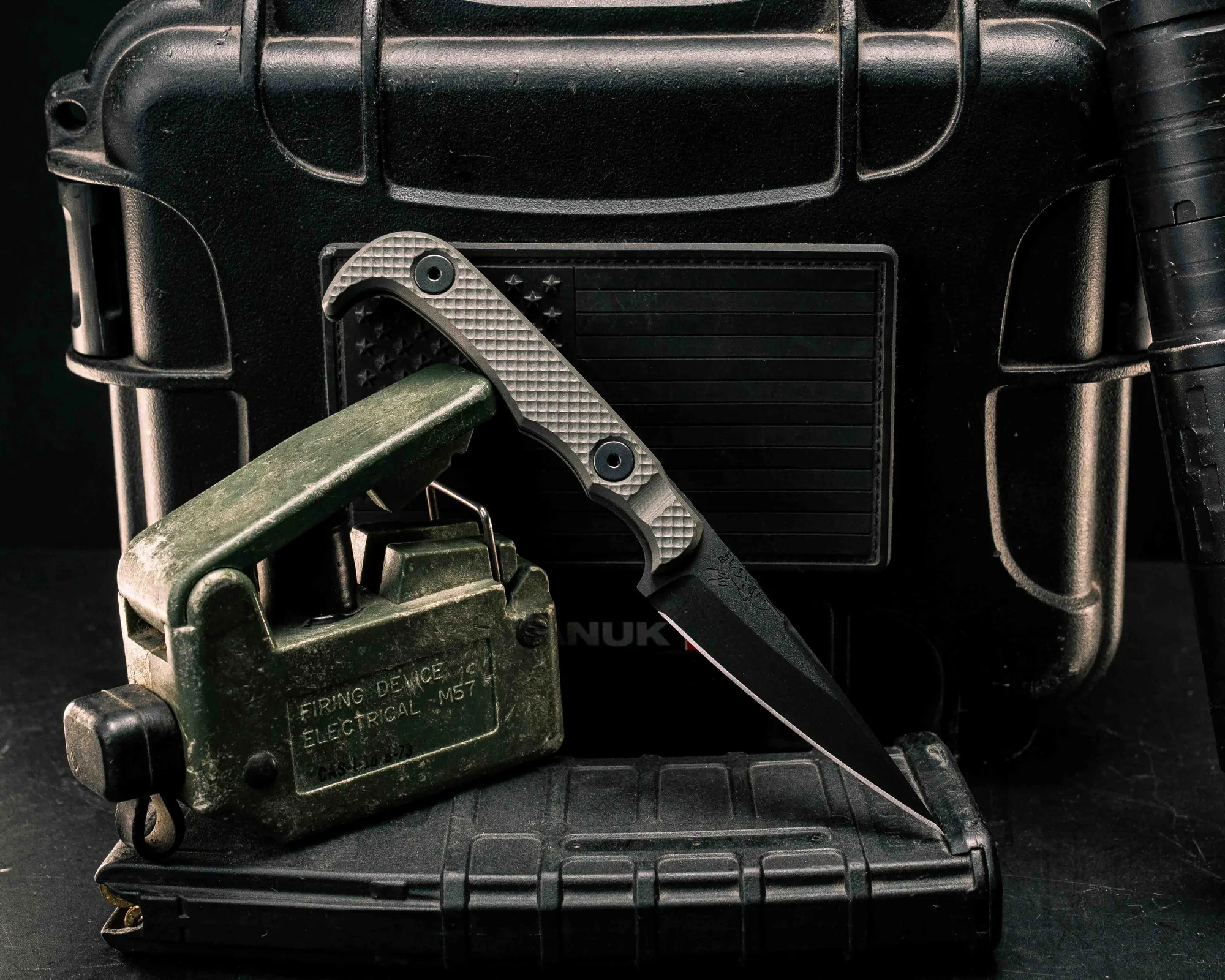
Allen bolts are threaded fasteners with a hexagonal socket head. They pass through the handle scales and blade tang, secured with a nut or threaded insert. On Half Face Blades knives, models like the Slender Man and Gulo Gulo use Allen bolts to hold the grey or black G10 scales in place. This hardware allows you to tighten the handle if it loosens and remove the scales for deep cleaning or replacement.
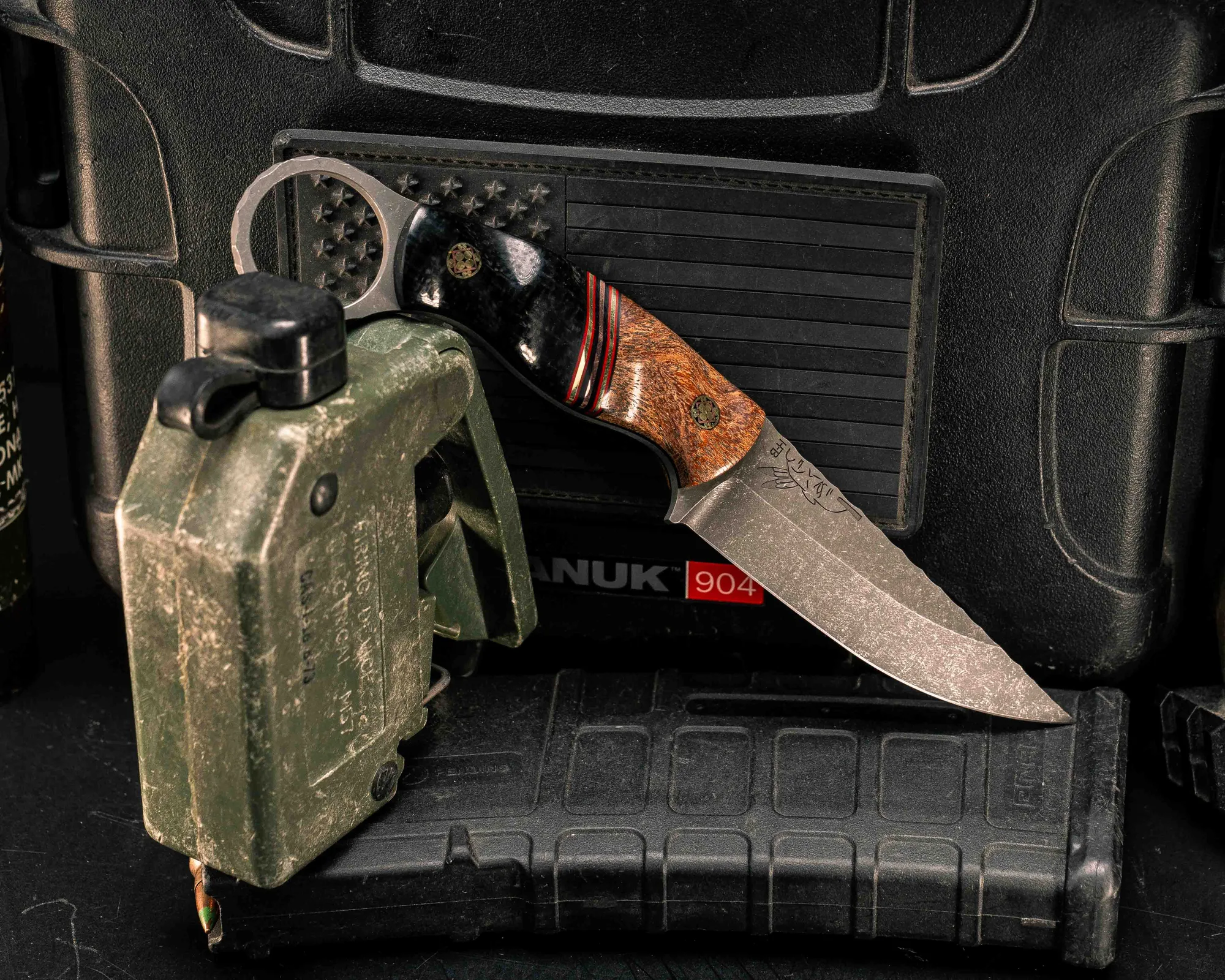
Mosaic pins are solid rods, often made of brass, copper, or stainless steel, arranged in a decorative pattern and set into the handle. They are epoxied in place and are not meant to be removed. The Osoraku 3" Mini features mosaic pins along with brass and copper split details, adding a distinctive look to its Honduran Mahogany and G10 handle.
Maintenance and Adjustability
Allen bolts win on adjustability. You can tighten them with a hex key if the handle develops play, and you can remove the scales to clean debris or rust that accumulates underneath. This is especially useful if you use your knife in wet or dirty environments. However, bolts can loosen over time with heavy vibration, so periodic checking is wise.
Mosaic pins are permanent. Once set, they do not require tightening, and there are no exposed threads to strip or snag. The trade-off is that you cannot easily disassemble the handle. If the handle gets damaged or you want to change the scales, a knifemaker will need to drill out the pins, which risks damaging the handle material. For most users, this is a non-issue because the epoxy bond is extremely strong and the pins themselves are corrosion-resistant.
Aesthetics and Grip Feel
Mosaic pins are decorative. They add a custom, artisanal touch, especially when combined with materials like Honduran Mahogany, brass, and copper. The Osoraku 3" Mini uses this combination to create a visually striking handle that stands out in a collection. The smooth surface of mosaic pins can also feel more comfortable in the hand because there are no bolt heads protruding.
Allen bolts have a more utilitarian, tactical appearance. They are functional and low-profile, but the heads are visible and can create slight hotspots during extended use. On the other hand, bolts allow for a wider range of handle materials because you can swap scales without destroying them. If you prefer a rugged, modular look, bolts are the way to go.
Durability and Long-Term Reliability
Both hardware types are durable when properly installed. Allen bolts are typically made of stainless steel or titanium and are resistant to corrosion. The main risk is stripping the socket head if you over-tighten or use a worn hex key. Using the correct size key and moderate torque prevents this.
Mosaic pins are solid and epoxied, so they have no moving parts to fail. They are less likely to loosen because there is no threaded connection. However, if the epoxy bond fails due to extreme heat or solvent exposure, the pins could shift. This is rare in normal use. For a knife that sees hard use and frequent cleaning, bolts offer the advantage of being serviceable.
Which Should You Choose?
Choose Allen bolts if you value the ability to maintain, tighten, or customize your handle. They are ideal for users who take their knives apart for cleaning, or who want to swap scales later. Half Face Blades models like the Slender Man and Gulo Gulo come with Allen bolts, making them a practical choice for daily carry and hard use.
Choose mosaic pins if you want a maintenance-free, aesthetically pleasing handle and never plan to disassemble your knife. The Osoraku 3" Mini is a prime example, with its mosaic pins and decorative split accents. It suits collectors and users who appreciate craftsmanship and don't need to fiddle with hardware.
Trade-Offs at a Glance
- Adjustability: Allen bolts can be tightened or removed; mosaic pins are permanent. Choose bolts if you want to maintain or customize your handle.
- Aesthetics: Mosaic pins offer a decorative, seamless look; Allen bolts are utilitarian and visible. Choose pins if visual craftsmanship matters most.
- Durability: Both are durable, but bolts can loosen; pins have no moving parts. Check bolts periodically; pins require no maintenance.
Product Facts
- Osoraku 3" Mini- Honduran Mahogany, Black G10, Cherry G10, Brass and Copper Split, Black Burlap Micarta, Mosaic Pins, Textured Grip: The Osoraku 3" Mini features a Honduran Mahogany handle with black G10 and cherry G10 accents, along with brass and copper split details, black burlap micarta, and mosaic pins for a distinctive look. This model showcases mosaic pins as part of a decorative, multi-material handle that emphasizes visual appeal over modularity.
- Slender Man- Grey G10, Armor Black Cerakote, Allen Bolts, Textured Grip: The Slender Man has a 3-inch blade, overall length of 6.7 inches, and S45VN American steel, with grey G10 handle and Allen bolts. The Allen bolts allow for tightening and disassembly, making this knife a practical choice for users who prioritize maintenance and adjustability.
- Gulo Gulo- Grey G10, Armor Black Cerakote, Allen Bolts, Textured Grip: The Gulo Gulo features a 3-inch blade, overall length of 7.1 inches, blade thickness of .14 inches, S45VN American steel, Armor Black Cerakote finish, and grey G10 handle with Allen bolts. The Allen bolts on this model provide a secure, textured grip that can be serviced if needed, suiting hard-use tasks.
Which Handle Hardware Fits You?
Best for
- Users who want to disassemble and clean their knife regularly
- Those who may want to swap handle scales in the future
- People who prefer a tactical, modular look
Not for
- Collectors who prioritize a seamless, decorative finish
- Users who never plan to maintain or modify the handle
- Those who dislike visible hardware on the handle