The world of import action figures is dominated by two heavyweights: Amazing Yamaguchi (part of the Revoltech line) and Figma. Both have passionate fan bases, but they offer very different experiences. If you're trying to decide which line deserves your shelf space (and budget), this comparison breaks down everything you need to know—from articulation and sculpt to accessories and durability.
We'll look at what each line does best, where they fall short, and how they handle popular licenses like Spider-Man, Chainsaw Man, and Transformers. By the end, you'll know whether Amazing Yamaguchi or Figma is the superior choice for your collection.
Articulation and Posability: The Core of the Hobby
The biggest difference between Amazing Yamaguchi and Figma is their approach to articulation. Amazing Yamaguchi, designed by Katsuhisa Yamaguchi, is famous for its over-the-top, dynamic joints that allow for extreme poses. The Revoltech joints are ratcheted and highly visible, giving figures a mechanical, almost skeletal look. This is perfect for characters who need dramatic, action-packed stances—think Spider-Man or a snarling Denji from Chainsaw Man.
Figma, on the other hand, prioritizes smooth, natural movement. The joints are smaller and more concealed, which helps preserve the character's silhouette. Figma figures are ideal for more grounded poses and subtle expressions. However, they often sacrifice some range of motion compared to Amazing Yamaguchi. If you love recreating iconic action scenes, Amazing Yamaguchi's flexibility is unmatched, but if you prefer museum-style stances, Figma's subtlety may win you over.
- Amazing Yamaguchi: ratcheted joints, extreme range, visible joints
- Figma: smooth joints, hidden design, more natural range
Sculpt and Aesthetics: Stylized vs. Anime-Accurate
Aesthetics are subjective, but there's a clear divide. Amazing Yamaguchi figures are heavily stylized. The exaggerated proportions and muscular anatomy make characters look like they jumped out of a comic book splash page. This works brilliantly for superheroes and characters with bold designs. For example, the upcoming S.H. Figuarts Spider-Man: Across the Spider-Verse - Miles G. Morales shows how a more anime-accurate approach can also capture a stylized look, but Amazing Yamaguchi takes it further with its signature 'Yamaguchi pose' flair.

S.H. Figuarts Spider-Man: Across the Spider-Verse - Miles G. Morales
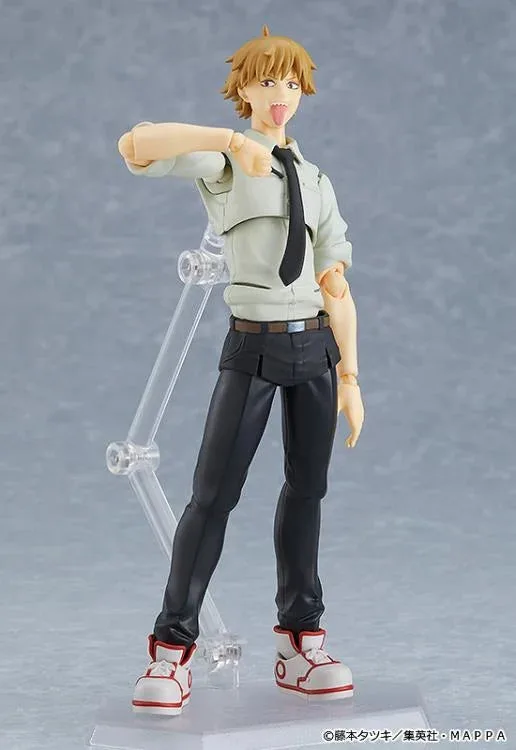
Figma aims for anime-accurate proportions, faithfully translating 2D designs into 3D. This makes Figma the go-to for fans of manga and anime series like Chainsaw Man. The Figma Denji figure, for instance, captures the gritty, detailed look of the character perfectly. If you want a figure that looks like it stepped off the screen, Figma is your best bet. If you want a figure that feels like a dynamic interpretation, Amazing Yamaguchi delivers.
- Amazing Yamaguchi: stylized, exaggerated, comic-like
- Figma: anime-accurate, faithful to source material
Accessories and Play Value
Accessories can make or break a figure for many collectors. Amazing Yamaguchi figures typically come with a generous array of interchangeable hands, effect parts, and display stands. The brand encourages you to experiment with poses, and the accessories are designed to complement that. For example, the Transformers Studio Series 86 - Deluxe Kranix might not be from this line, but it shows how Transformers collectors value accessories and alternate modes—a trait shared with Amazing Yamaguchi's approach.
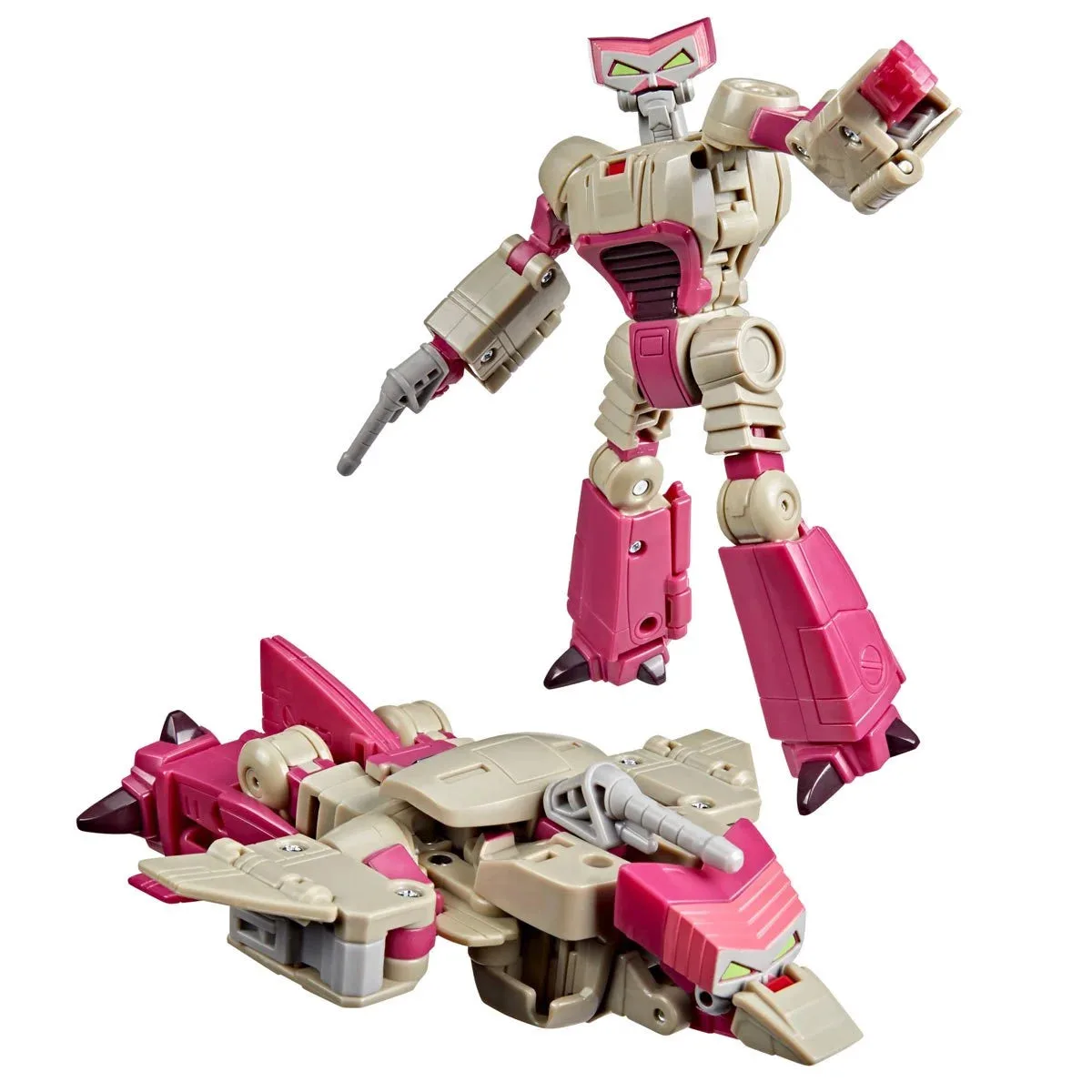
Transformers Studio Series 86 - Deluxe Kranix
Figma figures also include a solid set of accessories, often with multiple face plates and optional parts. However, they tend to be more conservative—focused on what the character actually uses in the series. Figma's stands are reliable but less flashy. If you love diorama-style displays, Amazing Yamaguchi's extra effects and dynamic stands give you more to play with. If you prefer a clean, straightforward display, Figma's accessories are sufficient.
- Amazing Yamaguchi: more effect parts, dynamic stands, encourages creativity
- Figma: character-specific accessories, multiple face plates, simpler stands
Durability and Build Quality
Durability is a critical factor, especially if you like to handle your figures often. Amazing Yamaguchi's ratcheted joints are sturdy but can be stiff out of the box, and some collectors worry about wear over time. The visible joints are also more prone to stress marks if you're too aggressive. However, they're designed for heavy posing, and with careful handling, they last for years.
Figma's smaller joints are more delicate. They're less likely to break from normal posing, but they can pop off if you're not gentle. The softer plastic used for some parts (like skirts or capes) can also limit movement. Overall, both lines are well-built, but Amazing Yamaguchi feels more robust for dynamic play, while Figma requires a lighter touch. If you're a collector who likes to swap parts frequently, Figma's design is more forgiving; if you're a poser who loves extreme stances, Amazing Yamaguchi is built for you.
- Amazing Yamaguchi: sturdy, stiff joints, can withstand heavy posing
- Figma: delicate, smooth, but needs careful handling
Price and Value: What Are You Paying For?
Price is often the deciding factor. Amazing Yamaguchi figures are typically priced higher than Figma, reflecting their larger size and more complex joint systems. For example, the X-Transbots Master X - MX-44 Gravedigger is a third-party figure that commands a premium, but even mainline Amazing Yamaguchi releases like the Revoltech line are usually in the $80-$100 range. Figma figures, on the other hand, often sit around $60-$80, depending on the character and accessories.
Value depends on what you prioritize. If you want a figure that offers maximum articulation and a bold presence, the higher price of Amazing Yamaguchi is justified. If you're a fan of a specific anime and want an accurate representation, Figma's lower price point and faithful sculpt might be more appealing. Keep an eye out for pre-orders and sales—both lines frequently get re-releases, so patience can save you money.
- Amazing Yamaguchi: higher price, larger scale, more joints
- Figma: more affordable, smaller scale, but still high quality
Licenses and Character Selection
The characters each line produces can heavily influence your choice. Amazing Yamaguchi has a strong lineup of superheroes and iconic action characters, including Spider-Man, Batman, and various Transformers-inspired designs. They also branch into anime and manga, like the upcoming Chainsaw Man Figma No.586 - Denji, which actually belongs to Figma's lineup. Figma excels in anime and game characters, with an extensive catalog from series like Fate, Attack on Titan, and Persona.
If you're a Marvel or DC fan, Amazing Yamaguchi likely has your favorite characters. If you're into Japanese anime and games, Figma is the clear winner. There's some overlap, but each line has its own strengths. For instance, the S.H. Figuarts line (a separate brand) also competes, but for this comparison, we're focusing on these two. Check the available figures at your favorite store to see which line has the characters you love most.
- Amazing Yamaguchi: superhero-heavy, with some anime licenses
- Figma: anime and game-centric, with occasional Western licenses
Which One Should You Choose?
There's no universal 'superior' line—it all depends on your taste and collecting style. If you love dynamic, over-the-top poses and want figures that look like they're mid-action, Amazing Yamaguchi is the way to go. The visible joints might be a turn-off for some, but for others, they're part of the charm. On the other hand, if you prefer anime-accurate figures that look great in any pose, Figma is your best bet.
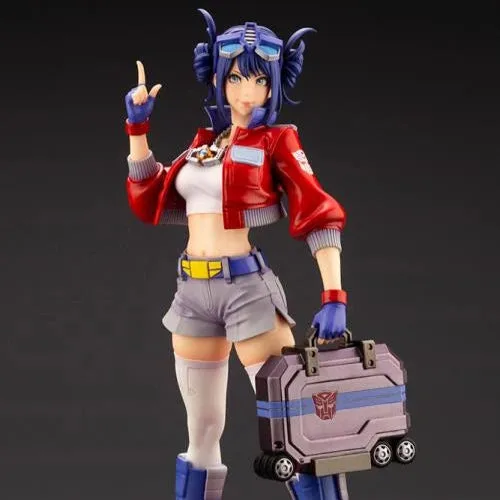
Consider your budget, the characters you want, and how you plan to display them. If you're still unsure, try one from each line and see which feels right. Both are excellent examples of Japanese engineering and design, and either will be a standout in your collection. For those who want a mix of both, look for figures like the Kotobukiya Bishoujo Transformers - Optimus Prime Statue, which offers a different take on a beloved character.
- Choose Amazing Yamaguchi for extreme articulation and dynamic poses
- Choose Figma for anime accuracy and subtle, natural movement
In the battle of Amazing Yamaguchi vs Figma, there's no clear winner—only what fits your personal collecting goals. Both lines offer exceptional quality, and your choice should be guided by the characters you love and the way you like to pose them. If you're ready to start or expand your import figure collection, check out the latest arrivals at ToyDojo, like the S.H. Figuarts Spider-Man: Across the Spider-Verse - Miles G. Morales, to see what's available in this exciting world of action figures.