Quick answer
Choose a digital piano if you need silent practice, portability, or stable tuning in a small space. Choose an analog (acoustic) piano if you want the unamplified resonance and touch that only strings and hammers provide and you can commit to tuning and climate care. For most home players, a digital piano with weighted keys and at least 88 keys is the practical starting point.
Touch and action: what your hands learn
An analog piano's action is a mechanical chain of keys, hammers, and strings. The resistance changes as you press, and the sound begins the moment the hammer strikes. A digital piano uses sensors and speakers to recreate that response. The key specification to look for is weighted keys, which mimic the heavier touch of an acoustic action. Weighted keys digital piano models also often include graded weighting, where lower keys feel heavier than higher ones. If you plan to switch between instruments, prioritize a digital model with a realistic weighted action rather than synth-style light keys.
Tone, tuning, and room acoustics
An analog piano produces sound from a wooden soundboard and strings, so its tone depends on the room, humidity, and regular tuning. A digital piano produces a stable, consistent tone through speakers or headphones and never needs tuning. That consistency is an advantage for recording and late-night practice, but some players find the unamplified resonance of an acoustic instrument more expressive. If your room has hard floors and bare walls, an acoustic piano may sound louder and brighter than expected; a digital piano lets you adjust volume and use headphones.
Space, weight, and maintenance
Analog pianos are heavy and need floor space, a stable humidity level, and periodic tuning. Digital pianos are lighter, often assemble from a few parts, and can be moved by one or two people. They also need far less maintenance, though you may eventually replace worn key contacts or speakers. For apartments, shared walls, or rooms that double as offices, a digital piano's size and volume control are decisive advantages. For a dedicated music room with stable climate, an analog piano rewards the commitment with a living acoustic response.
Key count and features that matter
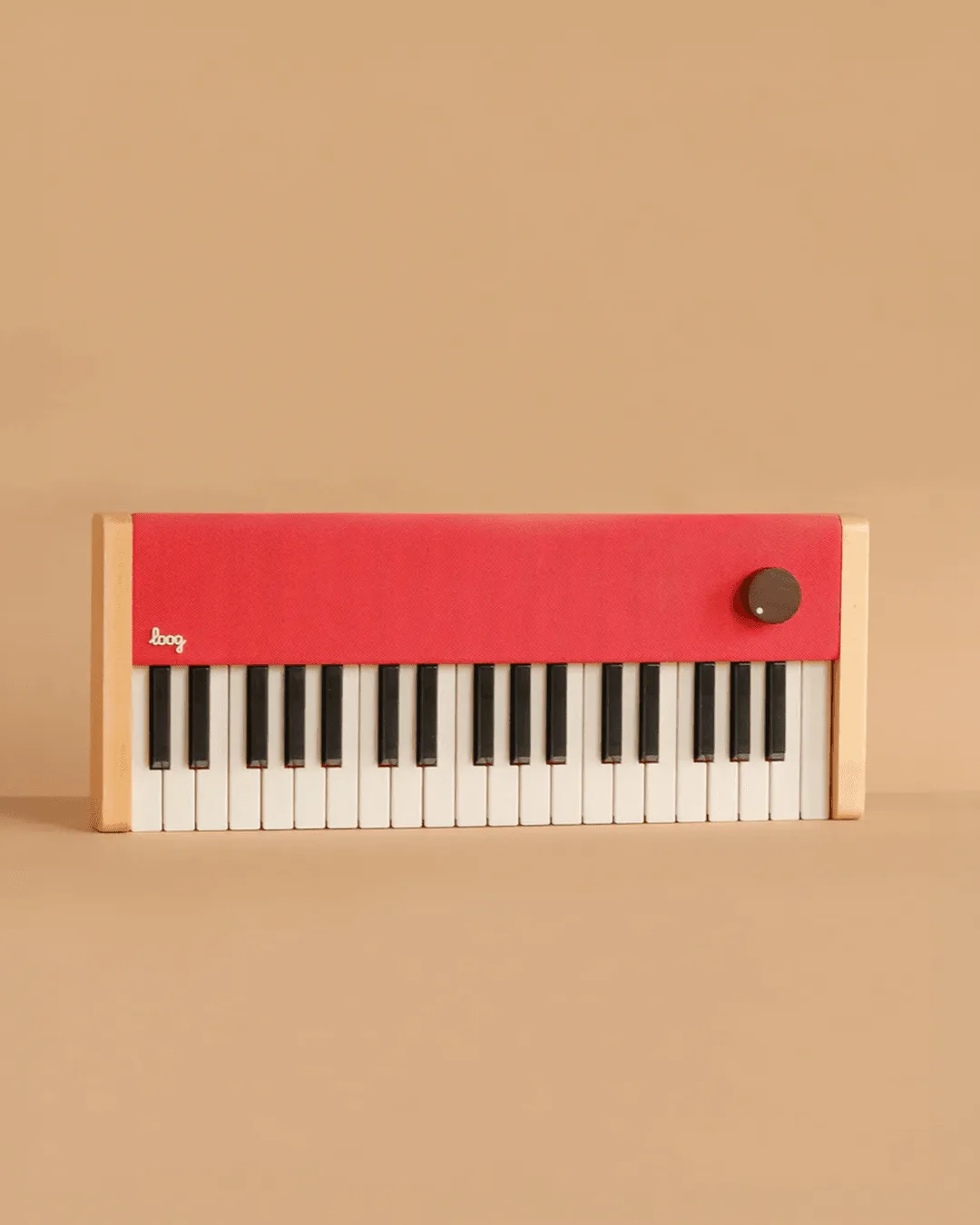
Digital piano key count usually falls into 61, 76, or 88 keys. An 88-key layout matches the full range of an acoustic piano and is the safest choice if you plan to play classical repertoire or take graded exams. Fewer keys save space and cost but limit some pieces. Other features to weigh: built-in rhythms and voices, recording, Bluetooth MIDI, and pedal quality. A single sustain pedal is fine for beginners, but a three-pedal unit supports more advanced technique. Decide which features you will actually use rather than paying for a long list you ignore.
Budget and long-term value
Analog pianos carry higher upfront and ongoing costs: purchase, delivery, tuning, and possible repairs. Digital pianos cost less to own and hold their value differently; technology can date, but a well-built weighted-key model remains useful for years. Set a budget that includes a stand, bench, and headphones if needed. If your budget is tight, a quality digital piano with weighted keys and 88 keys will take you further than a worn acoustic piano that needs immediate repairs.
Decision rules for choosing your piano
- If you practice at night or live in an apartment: Choose a digital piano with volume control and headphone output. You can play without disturbing neighbors and still hear yourself clearly. Silent practice is the deciding factor.
- If you plan to perform classical repertoire or take exams: Choose an 88-key digital piano with weighted, graded action, or an acoustic piano if your budget and space allow. Key count and action realism matter most.
- If you want the simplest ownership experience: Choose a digital piano. It stays in tune, needs no climate control, and is easy to move. Low maintenance points to digital.
- If you crave unamplified resonance and touch: Choose an analog piano and budget for tuning, humidity control, and professional moving. Acoustic rewards commitment with living sound.
Product facts
- Lessmore Illusion Bowls: Inspired by the famous Jastrow Illusion, these unique ceramic bowls appear to grow and shrink before your eyes. A playful optical illusion for your tabletop, showing how perception can be tricked—just like the feel of weighted keys versus light synth keys.
- Hopscotch: Challenge your powers of deduction with this handsome update to a classic tabletop game. A strategy game that builds focus and pattern recognition, useful for musicians who want to train mental stamina away from the keyboard.
- Dalí Tarot Book and Deck: Surrealism meets symbolism in Salvador Dalí’s tarot deck. A creative deck for interpretation and storytelling, offering a low-pressure way to explore symbolism and narrative—skills that can enrich musical expression.
- Teamwork Game: This game is designed to turn individuals into a team. 100 question cards playfully and sensitively introduce conversation topics about everything from childhood to value systems. A conversation game that helps families and coworkers connect, useful for building a supportive practice environment or lesson rapport.
Who should choose which
Best for
- Beginners who need silent practice and a consistent, in-tune instrument.
- Small homes, apartments, and shared spaces where volume control is essential.
- Players who want portability or plan to move frequently.
- Anyone who wants to record or use MIDI without extra equipment.
Not for
- Players who prioritize unamplified acoustic resonance and are ready for tuning and climate care.
- Those who want the tactile feedback of a mechanical action and have a dedicated, climate-stable room.
- Buyers who prefer the long-term serviceability of a traditional acoustic instrument over electronic components.