Quick Answer
Choose an animal puzzle if your child is fascinated by creatures and enjoys storytelling through play. Choose a nature puzzle if you want to build broader world knowledge and introduce landscapes, seasons, or habitats.
Why Theme Matters for Young Learners
Animal puzzles tap into a child's natural curiosity about living things. They often feature familiar pets, farm animals, or exotic wildlife, which can spark conversations about sounds, colors, and behaviors.
Nature puzzles, on the other hand, cover wider topics like forests, oceans, or weather. They help children understand how environments work and how animals fit into them. The choice depends on what you want your child to explore first.
Animal vs. Nature: Tradeoffs at a Glance
- Animal Puzzles: Focus on specific animals, their features, and habitats. Great for building vocabulary about creatures and encouraging imaginative play.
- Nature Puzzles: Cover broader themes like landscapes, seasons, and ecosystems. Help children understand the world beyond individual animals.
- Combined Options: Puzzles like the Glow-in-the-Dark Unicorn Floor Puzzle blend animal and nature themes, offering both creature appeal and a rich background scene. If you're unsure, a puzzle that includes both elements can be a safe starting point.
Product Facts
-
Glow-in-the-Dark Unicorn Floor Puzzle - 48 Pieces: Glow-in-the-Dark Unicorn Floor Puzzle - 48 Pieces features jumbo cardboard pieces and a whimsical scene with a castle, rainbow, and playful animals. This floor puzzle combines animal and nature elements, making it a versatile choice for children who love magical creatures and outdoor settings.
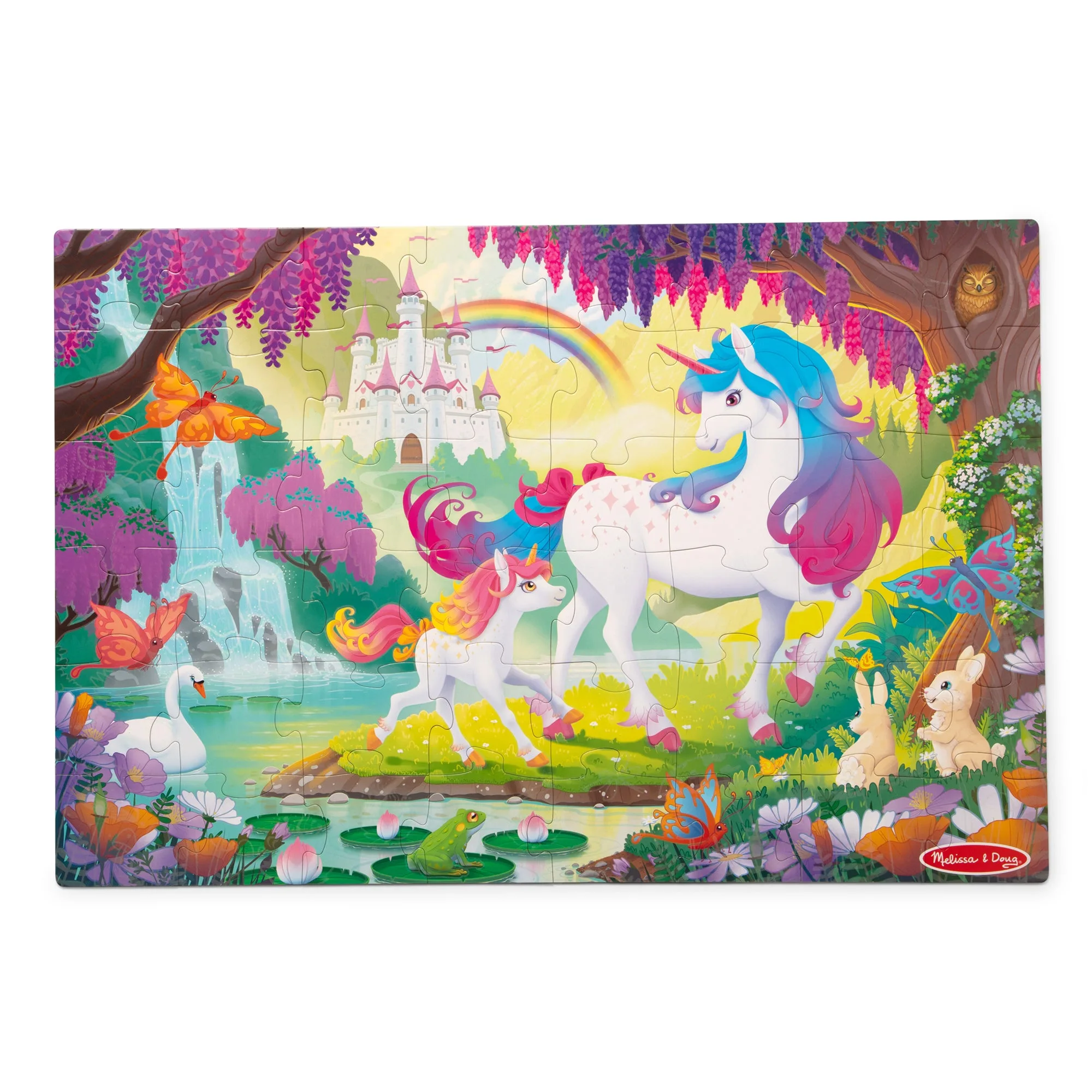
Glow-in-the-Dark Unicorn Floor Puzzle - 48 Pieces
Which One Fits Your Child?
Best For
- Children who are obsessed with animals and love naming and imitating them.
- Parents who want to start with a familiar, high-interest theme.
Not For
- Children who are ready to learn about broader environmental concepts like weather, seasons, or ecosystems.