Quick Answer
Anime figures are typically smaller, mass-produced PVC or ABS collectibles with lower price points and more playability. Statues are larger, limited-run resin or polystone pieces with higher detail, weight, and cost. Choose a figure for affordability and a statue for premium display presence.
Material and Build Quality
PVC and ABS are the standard materials for most anime figures. They are lightweight, durable, and allow for complex poses and accessories. Statues use resin or polystone, which are heavier and more brittle but capture finer sculpt details and paint gradients. The trade-off is that while resin statues offer superior detail, they are more prone to chipping or breaking if dropped.
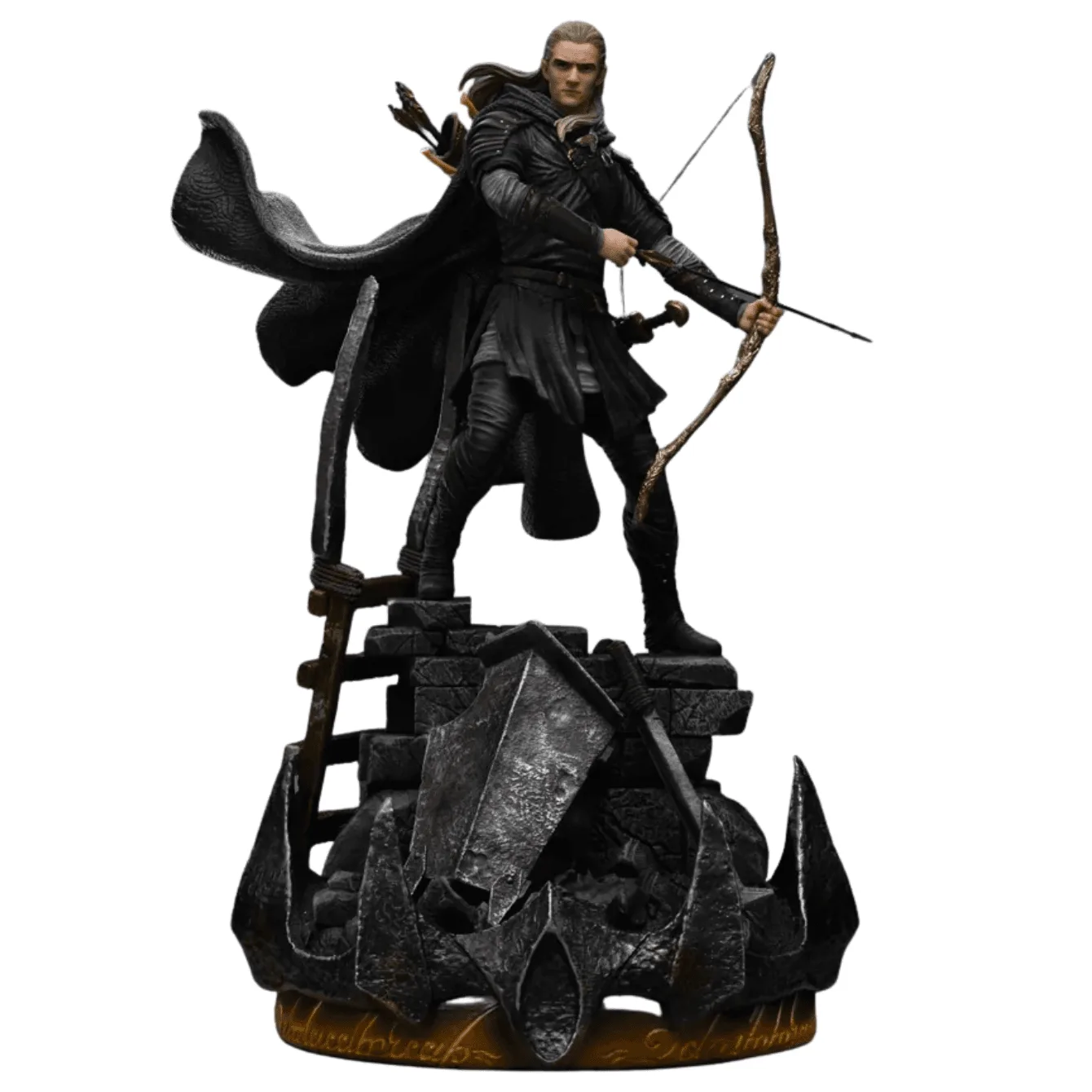
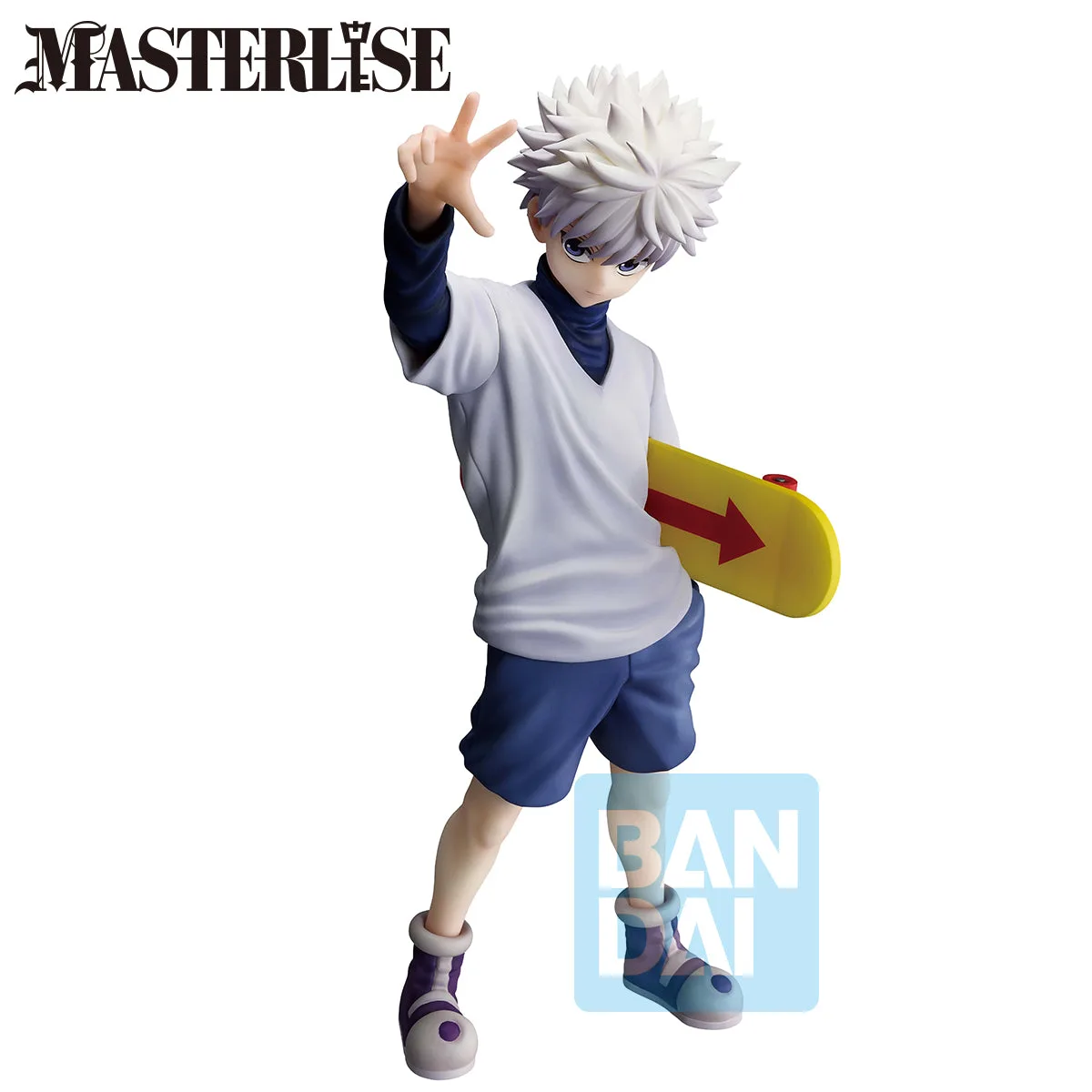
For example, the Bandai Killua Zaoldyeck figure is a PVC Masterlise piece that balances detail with durability at a lower price point. In contrast, the Iron Studios Legolas Unleashed statue uses resin in a 1:10 scale, delivering museum-grade texture but requiring careful handling and a sturdy shelf.
Scale, Size, and Display Impact
Figures commonly come in non-standard or smaller scales like 1:8 or 1:12, making them easier to fit on a desk or in a detolf cabinet. Statues often follow strict scales such as 1:10 or 1:4, which demand more vertical and horizontal space. A statue like the He-Man Unleashed 1:10 piece from Iron Studios commands attention as a centerpiece, while a figure like the One Piece MEGA World Collectable Figure (5.1 inches) can be grouped with others in a compact display.
The practical takeaway: if you have limited shelf space or plan to rotate displays frequently, figures offer more flexibility. If you want a single statement piece that anchors a room, a statue delivers more visual weight.
Price and Collector Value
Price is a clear dividing line. Figures like the Bandai Killua ($37.62) or the One Piece Luffy vs Borsalino set ($22.04) are accessible entry points. Statues such as the Legolas Unleashed ($241.49) or He-Man Unleashed ($182.69) represent a bigger investment. The higher cost reflects limited production runs, hand-painted details, and larger material volume.
For new collectors, starting with figures lets you build a varied collection without a large upfront cost. Seasoned collectors often add statues as anchor pieces, valuing their exclusivity and artistry over quantity.
Figure vs Statue: Trade-offs at a Glance
- Material Durability: PVC figures resist drops but show less sculpt precision. Resin statues capture micro-details but crack under impact. Choose PVC for active handling; resin for static display.
- Scale and Space: Figures fit small shelves and allow dense groupings. Statues need dedicated space but create a focal point. Measure your display area before choosing scale.
- Cost per Piece: Figures cost $20–$50, enabling broad collections. Statues start above $150, favoring curated, high-impact selections. Budget for figures to explore; invest in statues for centerpieces.
Featured Collectibles
- Bandai Killua Zaoldyeck Zaoldyeck Family "Hunter x Hunter" Ichibansho Masterlise Figure: Bandai Ichibansho Hunter x Hunter Killua Zoldyck (Zoldyck Family) Masterlise Figure. PVC construction, battle-ready pose, in-stock at $37.62. Shows how a mid-range figure delivers character likeness and dynamic posing at a budget-friendly price, ideal for fans wanting quality without a statue commitment.
- PRE-ORDER Iron Studios The Lord of the Rings Legolas Unleashed 1:10 Scale Statue: Iron Studios The Lord of the Rings Legolas Unleashed 1:10 Scale Statue. Resin/polystone material, dynamic battle pose, pre-order at $241.49. Demonstrates the premium detail, scale accuracy, and display presence that justify a statue's higher price for serious collectors.
Which One Fits Your Collection?
Best For
- Collectors on a budget who want variety and frequent new additions
- Fans who enjoy posing figures or rearranging displays often
Not Ideal For
- Collectors seeking a single, museum-quality centerpiece that commands attention
- Those with limited shelf space who prefer a dense, uniform look