Quick answer
To brew anise seed tea for digestion, lightly crush 1 teaspoon of anise seeds per cup, steep in freshly boiled water for 5–7 minutes, then strain. Drink it warm after meals. For a caffeine-free evening cup, try Valerian Root Tea if you want a grounding, additive-free infusion.
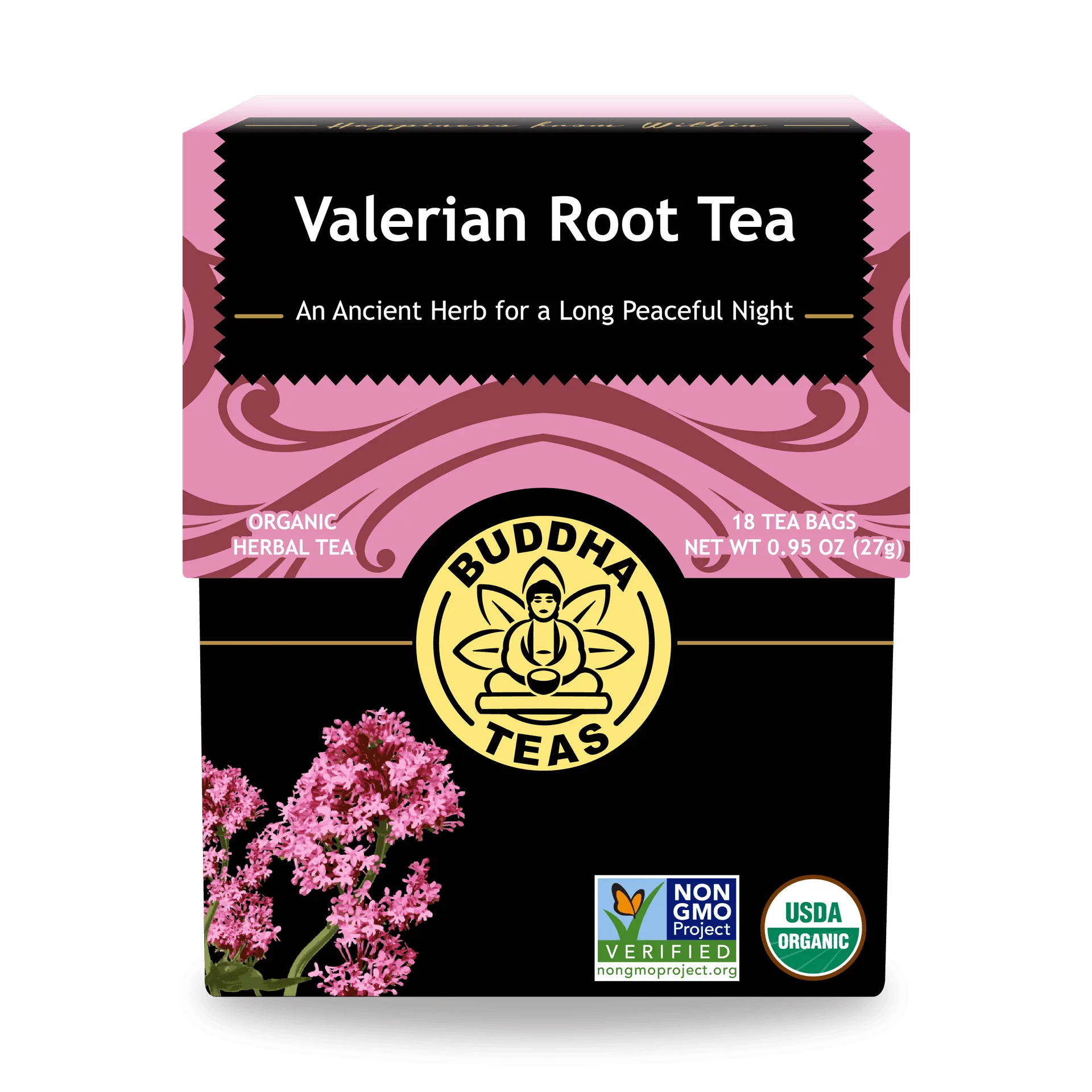
Valerian Root Tea
Why anise seed tea supports digestion
Anise seed (Pimpinella anisum) has been used for centuries as a soothing after-dinner herb. Its volatile oils, especially anethole, give it a sweet, licorice-like aroma and are the reason it’s often served to ease occasional bloating or a heavy feeling after eating. Unlike many digestive aids, anise is gentle enough for daily use and pairs well with other carminative herbs like fennel or ginger.
Choosing and storing anise seeds
Whole anise seeds keep their flavor much longer than pre-ground powder. Buy from a supplier with good turnover, and store seeds in an airtight container away from light and heat. If you only have ground anise, use half the amount and expect a stronger, faster infusion. For a clean, single-ingredient option, Buddha Teas offers Organic Mugwort Tea, which follows a similar pure-botanical approach—though mugwort is not a digestive herb and should not be substituted for anise.
Anise tea recipe with variations
Basic recipe: For one 8-ounce cup, measure 1 teaspoon whole anise seeds. Gently crush them with the back of a spoon or a mortar and pestle—this releases more flavor. Place in a tea infuser or teapot, pour freshly boiled water (about 200–212°F) over the seeds, cover, and steep for 5–7 minutes. Strain and sip warm. For a sweeter cup, add a teaspoon of honey or a slice of fresh ginger. For a chai-like twist, simmer the seeds with a few cardamom pods and a cinnamon stick for 10 minutes, then strain. If you prefer a caffeine-free blend with a warming profile, Sacral Chakra Tea combines calendula and ginger in bleach-free, plastic-free bags—a convenient alternative when you don’t want to measure loose seeds.
chai
How to brew anise seed tea: step-by-step
- Measure the seeds: Use 1 teaspoon of whole anise seeds per 8 ounces of water. If you’re making a larger batch, scale up but keep the ratio consistent. Checkpoint: Too many seeds make the tea bitter; too few taste watery. Start with 1 teaspoon and adjust next time.
- Crush the seeds lightly: Press the seeds with the back of a spoon or a mortar and pestle just until they crack. This exposes the oils inside. Common mistake: Grinding to a fine powder. That clouds the tea and releases harsh compounds. Aim for a coarse crush.
- Heat the water: Bring fresh water to a boil (200–212°F). Let it cool for 30 seconds if you’re using a delicate infuser. Checkpoint: Water that’s too cool won’t extract the anise flavor; water that’s too hot can scald the seeds and taste flat.
- Steep covered: Pour the hot water over the crushed seeds, cover the cup or pot, and steep for 5–7 minutes. Common mistake: Steeping uncovered. The volatile oils evaporate, leaving a weaker cup. Keep a lid on.
- Strain and serve: Strain the tea into a mug. Sip warm, ideally after a meal. You can add honey or lemon if you like. Next step: For a caffeine-free evening tea, try Valerian Root Tea—another pure-botanical option from Buddha Teas.
Product facts
- Mugwort Tea: Organic Mugwort Tea is a single-ingredient, wild-harvested infusion with no additives or perfumes, in plastic-free packaging. If you value a pure, unadulterated herbal experience, this reflects the same clean sourcing philosophy you can look for in anise seeds. Note: mugwort is not a digestive herb and is not a substitute for anise.
- Sacral Chakra Tea: Sacral Chakra Tea is a caffeine-free blend of calendula and ginger in bleach-free, plastic-free tea bags. A convenient, warming option when you want a pre-bagged herbal tea without measuring loose seeds. Ginger is a traditional digestive aid, making this a practical alternative if you enjoy anise’s after-meal role but prefer a different flavor.