Quick answer
To apply leadership lessons from Humble Power, start by reframing humility as a strategic strength, then practice active listening, share credit, and seek feedback to build trust and influence.
Why humble leadership works
In a culture that often rewards loud voices, humility can seem like a weakness. But research shows that humble leaders build stronger teams, foster innovation, and earn lasting loyalty. Humble Power makes this case with stories and evidence, showing that true humility isn't self-deprecation—it's a confident openness to learning from others.
Steps to apply humble leadership
- Reframe humility as strength: Start by changing your internal narrative. Instead of seeing humility as weakness, view it as a strategic choice to stay curious and open. Read the first chapters of Humble Power to see how successful leaders use humility to learn faster and connect deeper. Common mistake: Confusing humility with self-doubt. Real humility is confidence in your ability to grow, not a lack of it.
- Practice active listening daily: In meetings or one-on-ones, focus entirely on understanding the speaker before forming your response. Ask clarifying questions and paraphrase what you heard. This builds trust and surfaces insights you might otherwise miss. Checkpoint: After each conversation, note one thing you learned that you wouldn't have if you had been talking.
- Share credit generously: When your team succeeds, publicly acknowledge individual contributions. Resist the urge to take credit or frame success as your own. This reinforces a culture of collaboration and psychological safety. Common mistake: Sharing credit feels risky if you worry about looking less competent. In practice, it raises your reputation as a fair and effective leader.
- Seek and act on feedback: Regularly ask for feedback from peers, team members, and even direct reports. Use a simple prompt: 'What could I do differently to support you better?' Then follow through visibly. This shows that you value growth over ego. Checkpoint: Set a monthly reminder to request feedback from at least two people. Track what you changed as a result.
Product facts
-
Humble Power: A research-backed, story-driven guide that shows how humility—properly understood—multiplies personal growth, connection, and influence—from the co-author of The One-Minute Entrepreneur and Prosper. This book gives you concrete examples and frameworks to practice humble leadership, not just theory.
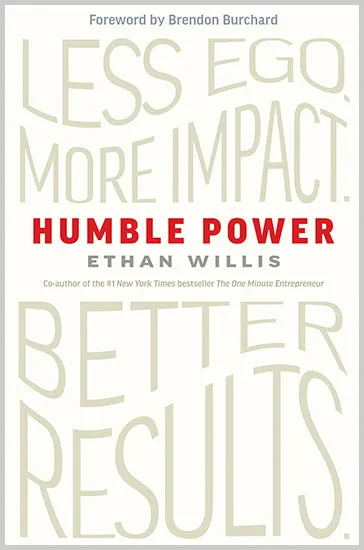
Humble Power