Quick answer
Buy an aprons 6 pack when you need consistent coverage for a small team, a class, or a recurring event, because matching aprons look intentional and reduce reordering. Choose the pack only if the fabric, pocket layout, and fit suit your busiest user, since one weak apron multiplied by six is a costly mistake.
A single apron is easy to buy. Six matching aprons is a decision about your team, your event, or your workflow. That is why this apron buying guide focuses on the questions that actually change your order: who wears them, how often they get washed, and whether you need one style across the whole group.
Bulk aprons make the most sense when consistency matters more than individual preference. If you run a bakery counter, a cooking class, a market stall, or a pop-up, a six-pack covers a shift rotation without leaving anyone in a T-shirt. The trade-off is that you commit to one design, so it pays to check the details before you buy.
When an aprons 6 pack is the smarter buy
The math is simple: if you regularly have three to six people working in the same space, a six-pack keeps everyone covered while some aprons are in the wash. That rotation matters in food settings, where aprons get dirty fast and you rarely want to do laundry mid-shift. Buying singles works fine for one person, but it gets expensive and inconsistent once a second or third person joins.
Events change the calculation. A one-day market, a pop-up, or a class series needs aprons that match in photos and look deliberate from across the room. A pack lets you hand out the same style to staff and volunteers without hunting for identical singles later. If your group is larger than six, treat the pack as a base unit and order multiples rather than mixing styles.
- Count your busiest shift, not your average day, when deciding pack size.
- If aprons get washed daily, a six-pack covers roughly three people comfortably.
- For events, order before you finalize the guest or vendor list so nobody is left out.
What to check before you order bulk aprons
Start with fabric and construction, because those decide how the apron feels after the tenth wash. Look for a clear material description and pocket layout in the listing. If a specification is missing, treat that as a decision limitation rather than guessing. For example, the Aprons 6 pk listing describes an indigo and cream striped denim kitchen apron with a double pocket, handmade in America, but does not state a fabric weight or adjustable neck strap, so you cannot assume either one.
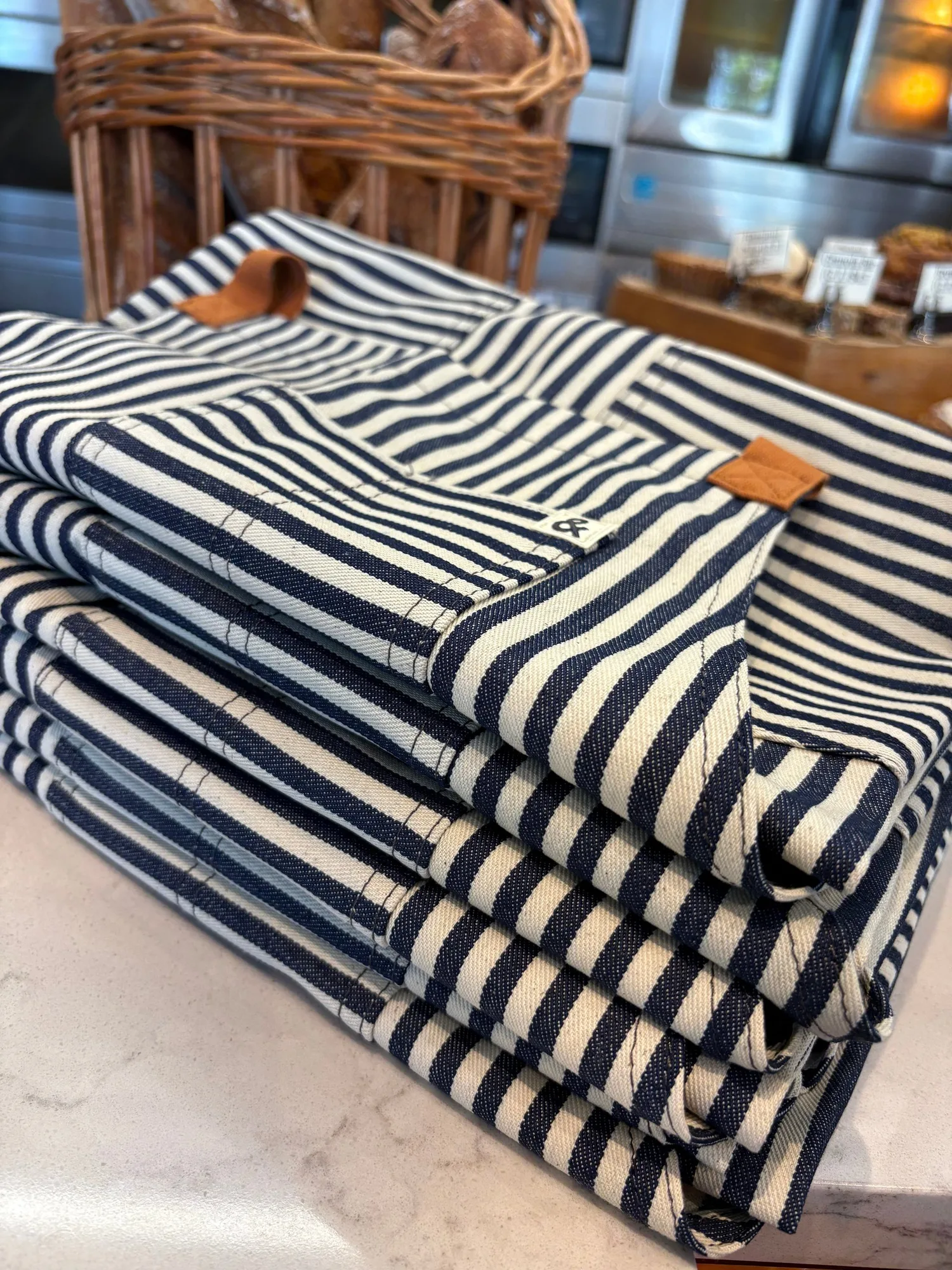
Aprons 6 pk
Second, check whether the listing is retail or wholesale-only. Some bulk items are tagged for commissary, retail, or wholesale buyers, which affects who can order and how you plan replenishment. Third, confirm the pack quantity in the title and description. A six-pack and a twelve-pack can look similar in a thumbnail, and the difference matters when you are equipping a team.
- Read the pack quantity in the product title, not just the photo.
- Note any wholesale-only or commissary tags before you build a recurring order.
- If you need a specific strap or pocket style, ask before ordering six.
Fit guidance for one-size and shared aprons
Shared aprons live or die on adjustability. A one-size-fits-all design is convenient for mixed teams, but it works best when the neck strap and waist ties can be adjusted. If the listing does not mention adjustability, plan for some wearers to find the fit loose or short. Measure the apron length against the wearer's torso rather than guessing from a model photo.
For a team, pick the fit that suits your shortest and tallest regular wearer, then accept that everyone in between will be fine. If you need a precise fit for one person, buy a single apron for them and keep the pack for shared use. The Coffee Cup Hat 6 pk is a useful reminder that one-size-fits-all is a common approach in this catalog, but it is a hat, not an apron, so do not transfer that fit assumption to aprons without checking the apron listing.
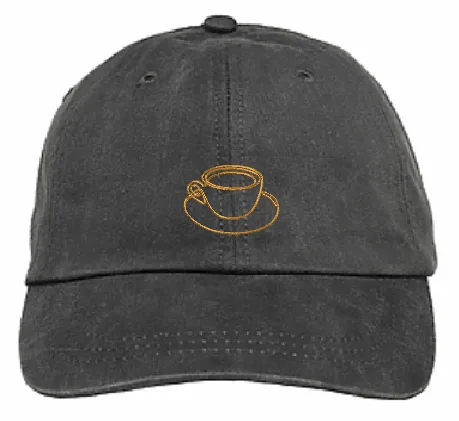
Coffee Cup Hat 6 pk
- Ask your tallest and shortest wearer to try one apron before you commit to six.
- Adjustable ties matter more than a perfect chest measurement for shared aprons.
- If fit is critical for one person, buy their apron separately from the team pack.
Wholesale aprons, pricing, and replenishment
Wholesale aprons are usually about repeatability, not just the lowest unit price. A consistent pack means you can reorder the same style next season and keep your team looking the same in photos and on the floor. That consistency is worth more than a small saving on mismatched singles. Check whether the item is tagged wholesale-only, because that tells you whether it is designed for ongoing business ordering.
Plan replenishment around your wash cycle and turnover. If you lose or damage one apron a month, a six-pack buys you time before the next order. Keep one spare apron unopened so a new hire or a last-minute volunteer is never without one. The goal is not to hoard aprons; it is to avoid a scramble before a busy weekend.
- Keep one spare apron in the pack unopened for new hires or volunteers.
- Reorder the same style so team photos and uniforms stay consistent.
- Check wholesale-only tags if you plan to order regularly rather than once.
How aprons fit into a larger bakery or cafe setup
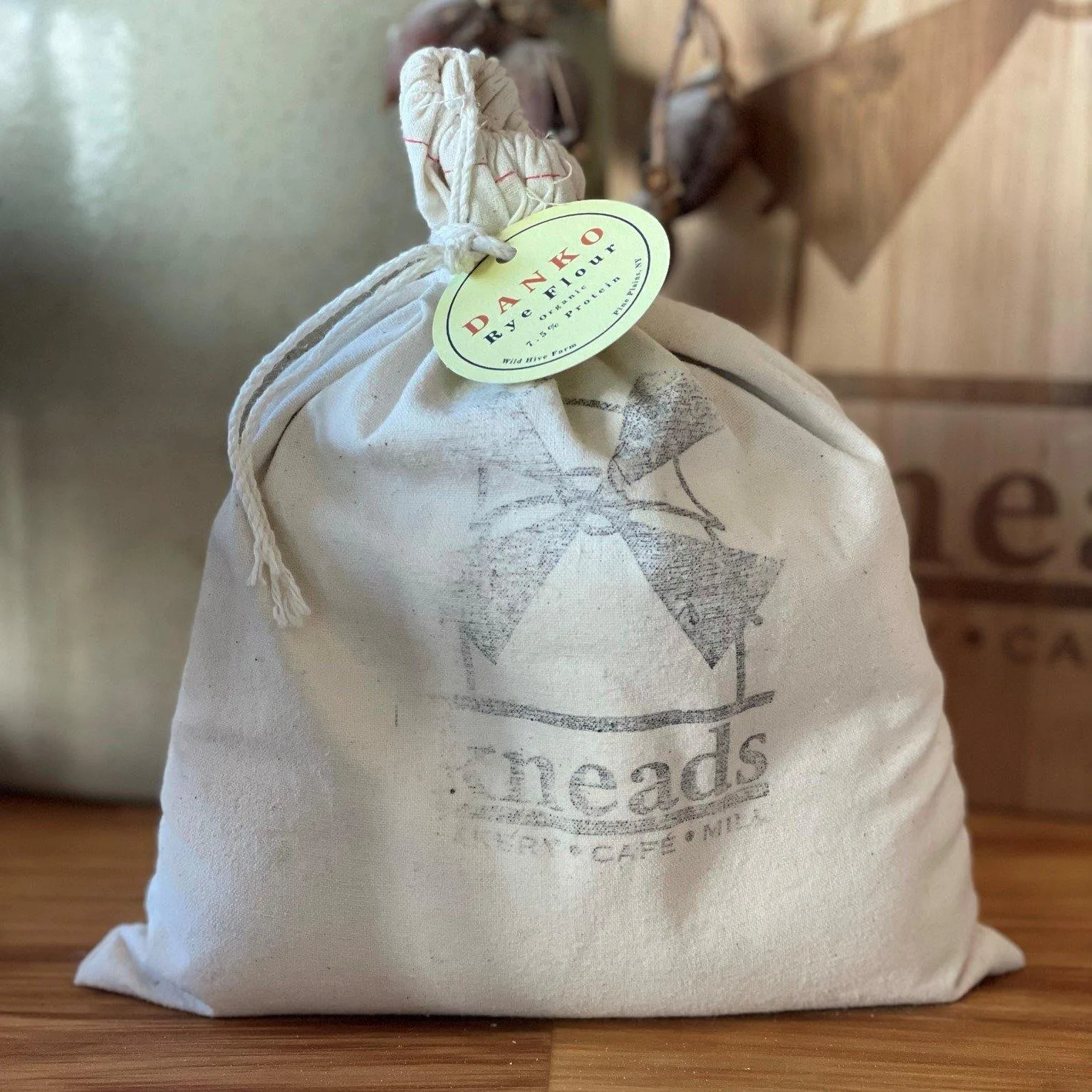
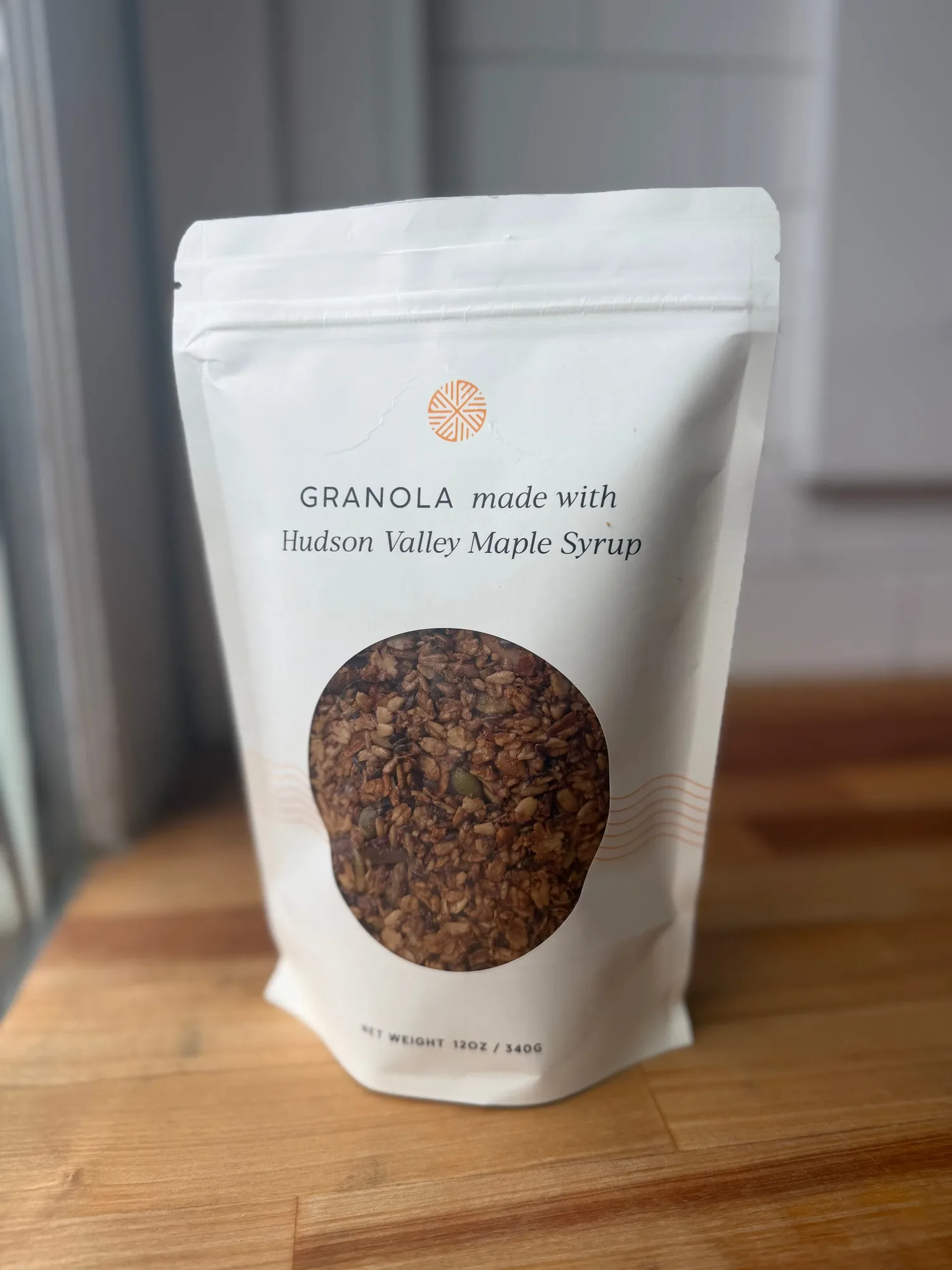
Aprons rarely get bought alone. If you are equipping a kitchen, you may also be ordering flour, bakeware, or retail items in the same purchase. The Whole Grain Rye Flour Retail 6 pk is freshly milled in store on a New American Stone Mill and comes as a six-pack with each bag at 2 lbs (908 g), so it follows the same bulk logic as aprons: buy the pack when you know you will use it steadily. The granola-12-pk-4863554c2a79377497cdcf97-1645795">Retail Granola 12 pk is another pack-format item, though it is tagged wholesale-only and commissary, so it is aimed at a different buyer than a home baker.
The practical point is to group your bulk orders by how you will store and use them. Aprons need a hook or drawer near the wash area. Flour needs a cool, dry spot. Granola needs airtight storage. If you cannot store a pack well, a smaller quantity is the better buy even if the unit price looks higher.
- Match pack size to storage space, not just to unit price.
- Keep aprons near the wash area so they actually get reused.
- If a bulk item is wholesale-only, confirm it fits your buying situation first.
Decision rules for choosing an apron pack
- Rule 1: Buy a pack when three or more people share aprons: A six-pack covers a small team with room for washing rotation. If only one or two people wear aprons, buy singles and choose the fit individually. Checkpoint: count your busiest shift, not your average day.
- Rule 2: Confirm the pack is retail or wholesale before ordering: Some bulk listings carry wholesale-only or commissary tags. If you are ordering for a home kitchen or a one-time event, make sure the listing is open to you. Checkpoint: read the tags, not just the price.
- Rule 3: Treat missing specifications as a reason to ask: If fabric weight, strap adjustability, or exact dimensions are not stated, do not assume them. Ask before committing to six aprons that may not fit your team. Checkpoint: one unanswered fit question can multiply by six.
- Rule 4: Match pack size to storage and wash cycle: A larger pack only saves money if you can store it and wash it regularly. If storage is tight, a smaller pack or singles will serve you better. Checkpoint: if you cannot store it, do not buy the bulk pack.
Product facts that inform your decision
- Aprons 6 pk: This listing is for a six-pack of aprons, described as an indigo and cream striped denim kitchen apron with a double pocket, handmade in America, and listed under Commissary with Retail and Wholesale-Only tags. The six-pack quantity and double pocket suit shared kitchen use, while the wholesale-only tag tells you to confirm your buying situation before ordering. The listing does not state fabric weight or strap adjustability, so check those if fit is critical.
- Coffee Cup Hat 6 pk: A peppercorn-colored hat in a one-size-fits-all design, offered as a six-pack. It shows the catalog's pack format for team gear, but it is a hat rather than an apron, so use it as a comparison for bulk buying, not as evidence about apron fit.
- Whole Grain Rye Flour Retail 6 pk: Whole grain rye flour freshly milled in store on a New American Stone Mill, sold as a retail six-pack with each bag at 2 lbs (908 g). A useful example of pack buying for a kitchen: the six-pack works when you bake steadily and can store flour properly, not simply because the pack price is lower.
- Retail Granola 12 pk: A 12-pack retail granola listing tagged Commissary and Wholesale-Only. It shows that some bulk items are aimed at wholesale buyers rather than home use, so check tags before assuming a pack is right for you.
Is a bulk apron pack right for you?
Best for
- Small bakery, cafe, or kitchen teams that need matching aprons across a shift
- Cooking classes, pop-ups, and events where staff or volunteers should look consistent
- Buyers who can store and wash several aprons on a regular rotation
Not for
- One-person home kitchens that only need a single apron in a specific fit
- Buyers who need a guaranteed adjustable or sized fit that the listing does not state
- Anyone who cannot store or launder six aprons and would waste the pack
An aprons 6 pack is a team purchase, not a bigger version of a single apron. Decide based on how many people wear aprons at once, whether the listing is open to your buying situation, and whether the stated fabric and fit actually suit your busiest user. If those line up, the pack saves you reordering and keeps your team consistent. If not, buy one apron that fits well and skip the bulk commitment.