Quick answer
Jerky dog treats can be a healthy choice when the label shows a named meat first, limited additives, and a protein level that matches your dog's needs. They are not automatically better than other treats, so check the ingredient list, guaranteed analysis, and calorie density before buying. For most dogs, jerky works best as a high-value reward in small amounts, not as a meal replacement.
What the front of the bag won't tell you
Marketing words like natural, premium, and human-grade are not regulated the same way as nutritional adequacy statements. Turn the bag over and look for a guaranteed analysis with minimum protein and fat percentages, plus a calorie statement per treat or per ounce. Without those numbers, you cannot compare one jerky product to another or judge how much it adds to your dog's daily intake.
Check whether the treat is intended for intermittent or supplemental feeding. Most jerky treats are not complete diets, so they should not replace balanced meals. If the label makes a health claim, look for a corresponding ingredient or nutrient amount that supports it rather than a vague phrase.
Ingredient list: what to look for and what to question
A strong jerky label starts with a named animal protein such as beef, chicken, or turkey. Ingredients are listed by weight before processing, so a meat first is a useful signal but not proof of final protein content. Look for short lists where you recognize the components, and be cautious with vague terms like meat meal or animal digest when no species is named.
Watch for added sugars, syrups, and artificial colors or preservatives if your dog is sensitive or you are managing weight. Some dogs do fine with small amounts of these, but they add calories without nutritional benefit. If your dog has a diagnosed condition, ask your veterinarian before adding any new treat, especially one with high fat or sodium.
Texture, size, and how jerky fits your dog
Jerky sticks and strips range from soft and chewy to firm and fibrous. Soft jerky is easier to tear into training-size pieces, while firmer sticks last longer for power chewers. Match the texture to your dog's chewing style: gulpers may need pieces torn small, and senior dogs with dental issues often do better with softer textures.
Portion control matters more than the label's protein number for most pet owners. A high-protein treat still carries calories, so subtract treat calories from the daily total rather than adding them on top. For a small dog, half a stick may be a full day's treat allowance; for a large dog, it may be a light reward.
How to compare two jerky products side by side
Line up the guaranteed analysis, calorie content, and first five ingredients. A higher minimum protein percentage is not automatically better if the fat and calorie levels are also high or if the protein comes from a source your dog does not tolerate. Compare cost per ounce of actual treat, not just sticker price, because bag sizes vary.
If the label omits the calorie statement or lists ingredients without species names, treat that as a limitation rather than a green light. You can still buy it, but you will have less information to judge fit. When two products look similar, choose the one with clearer sourcing and a shorter additive list.
Decision rules for choosing a jerky treat
- Named protein first: Look for a specific animal protein as the first ingredient, such as beef, chicken, or turkey, rather than a generic meat term. If the species is unclear, keep looking.
- Calorie statement present: Find the calories per treat or per ounce and compare it with your dog's daily allowance. No calorie information means you are guessing on portions.
- Short, recognizable ingredient list: Fewer added sugars, syrups, and artificial colors make it easier to judge fit, especially for dogs with sensitivities. A longer list is not automatically bad, but it needs a reason.
- Texture matches your dog: Soft jerky tears easily for training; firm sticks suit dogs that chew slowly and need longer-lasting rewards. Tear all jerky into pieces sized for your dog before handing it over.
- One change at a time: When trying a new jerky, introduce it alone for several days before adding other new foods or supplements. This makes it easier to spot a reaction.
Product facts that help your decision
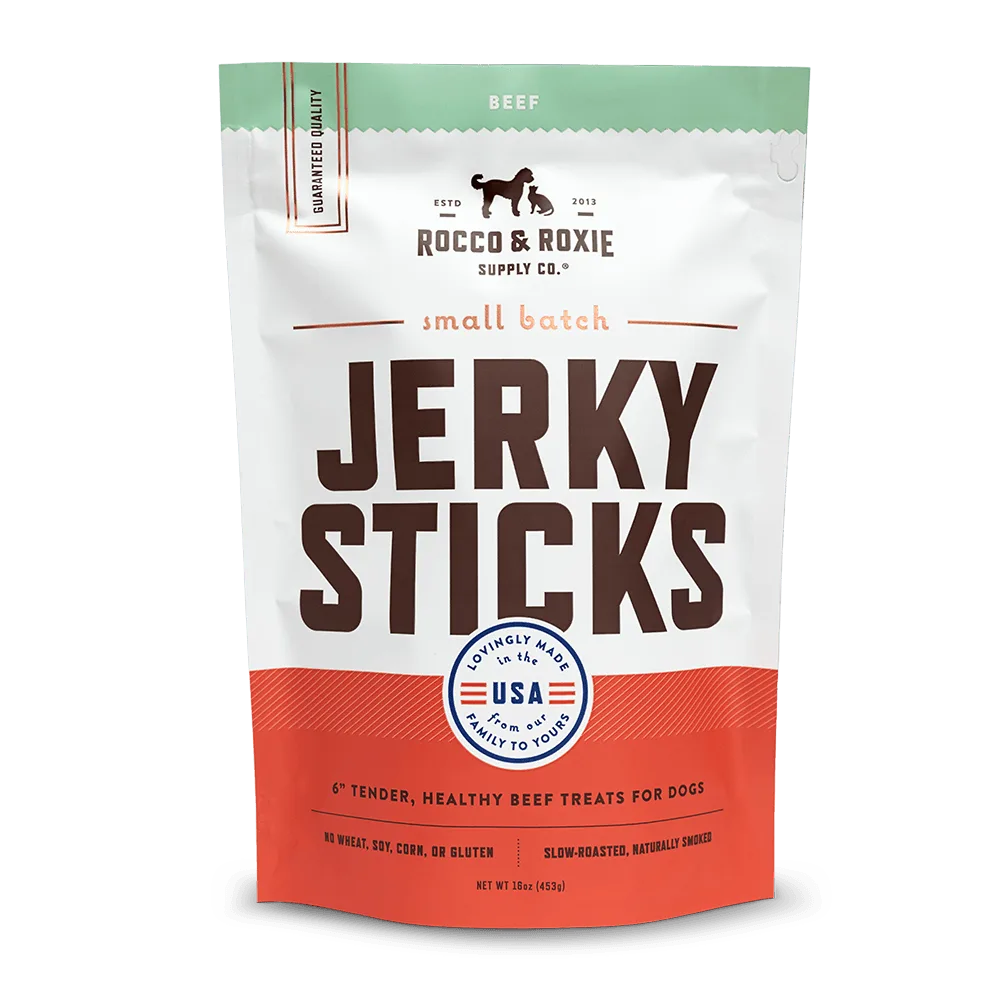
- Jerky Sticks Dog Treats: Rocco & Roxie Jerky Sticks Dog Treats are described as a premium jerky treat with a meaty, natural aroma and flavor, available in multiple flavors. A strong meaty aroma and flavor can make jerky a high-value reward for training or recall, but it also means you should tear sticks into small pieces to control calories.
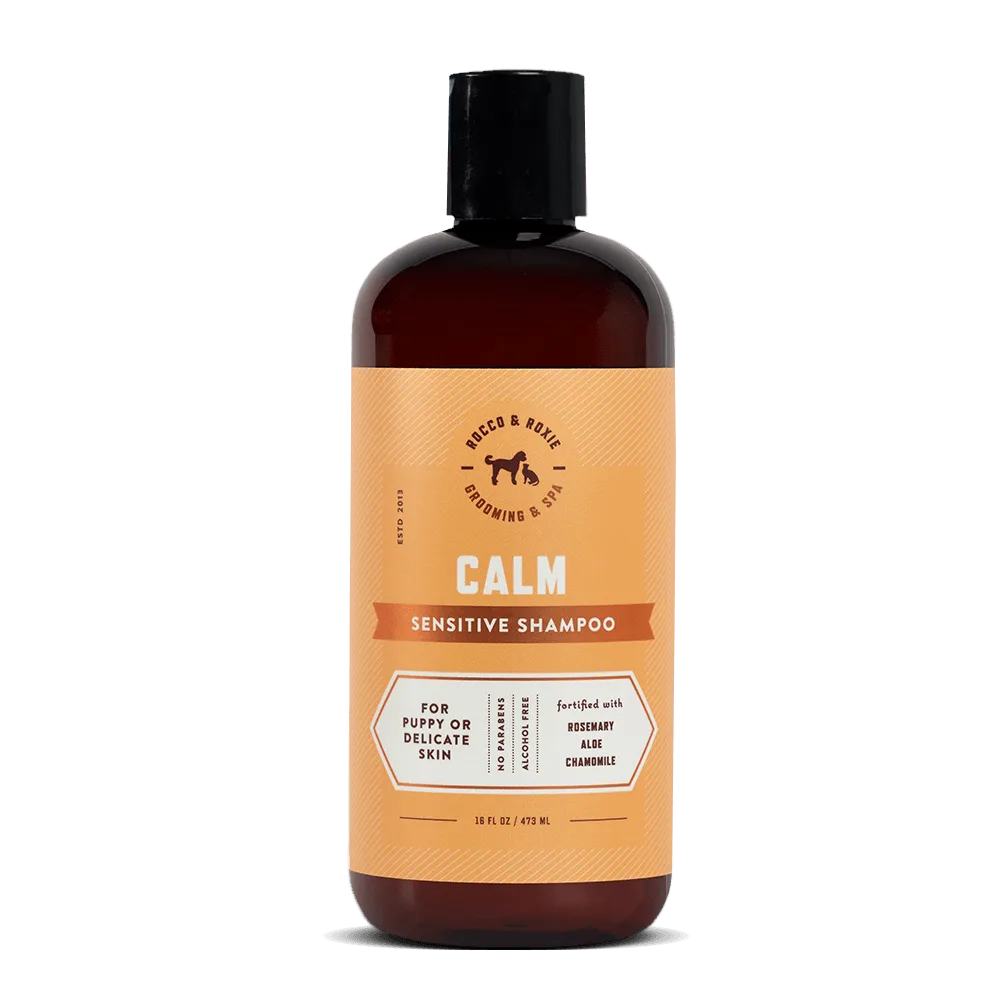
- Calm Sensitive Shampoo: Calm Sensitive Shampoo is formulated for tender skin and comes in multiple sizes. If your dog's skin is sensitive, pair treat choices with a gentle bath routine and avoid introducing several new products at once so you can tell what caused any reaction.
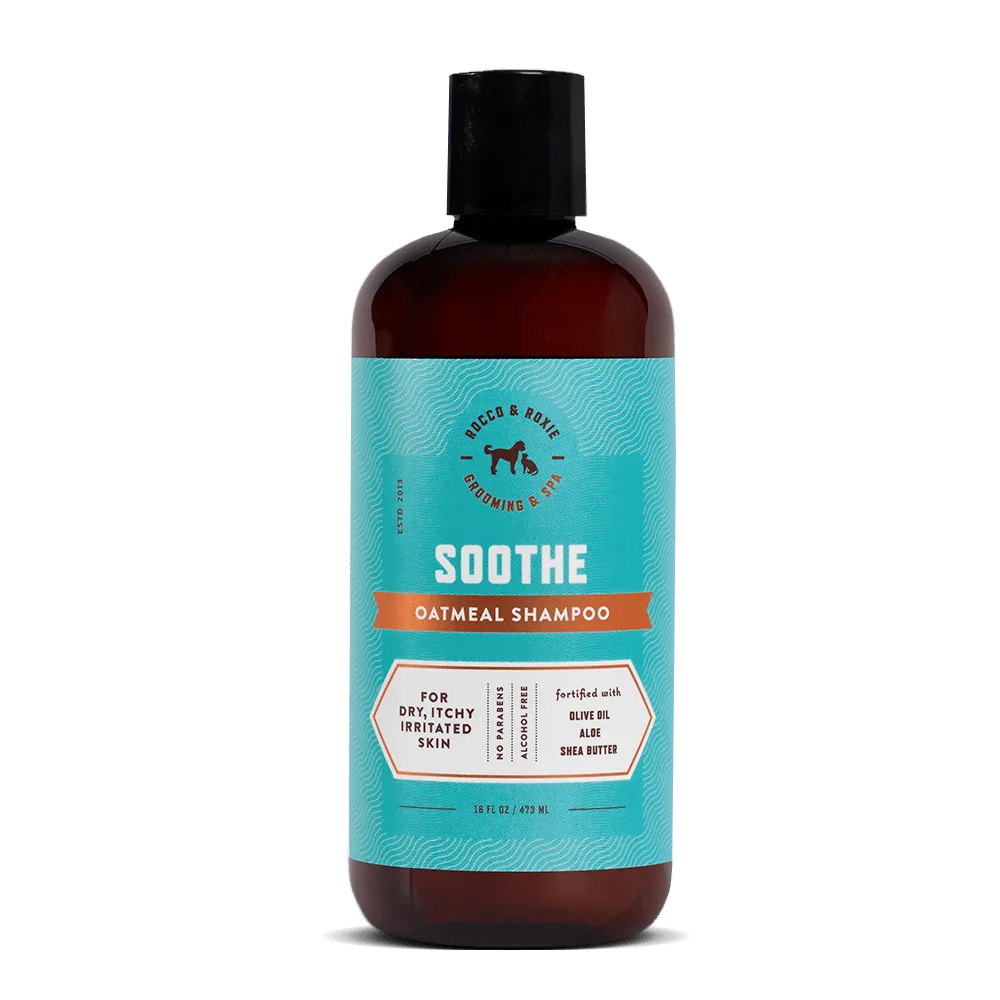
- Soothe Oatmeal Shampoo: Soothe Oatmeal Shampoo is designed for dogs with itchy, sensitive skin and is available in multiple sizes. Itchy skin can be worsened by food sensitivities, so if you are trialing a new jerky, change one thing at a time and keep a simple log of treats and symptoms.
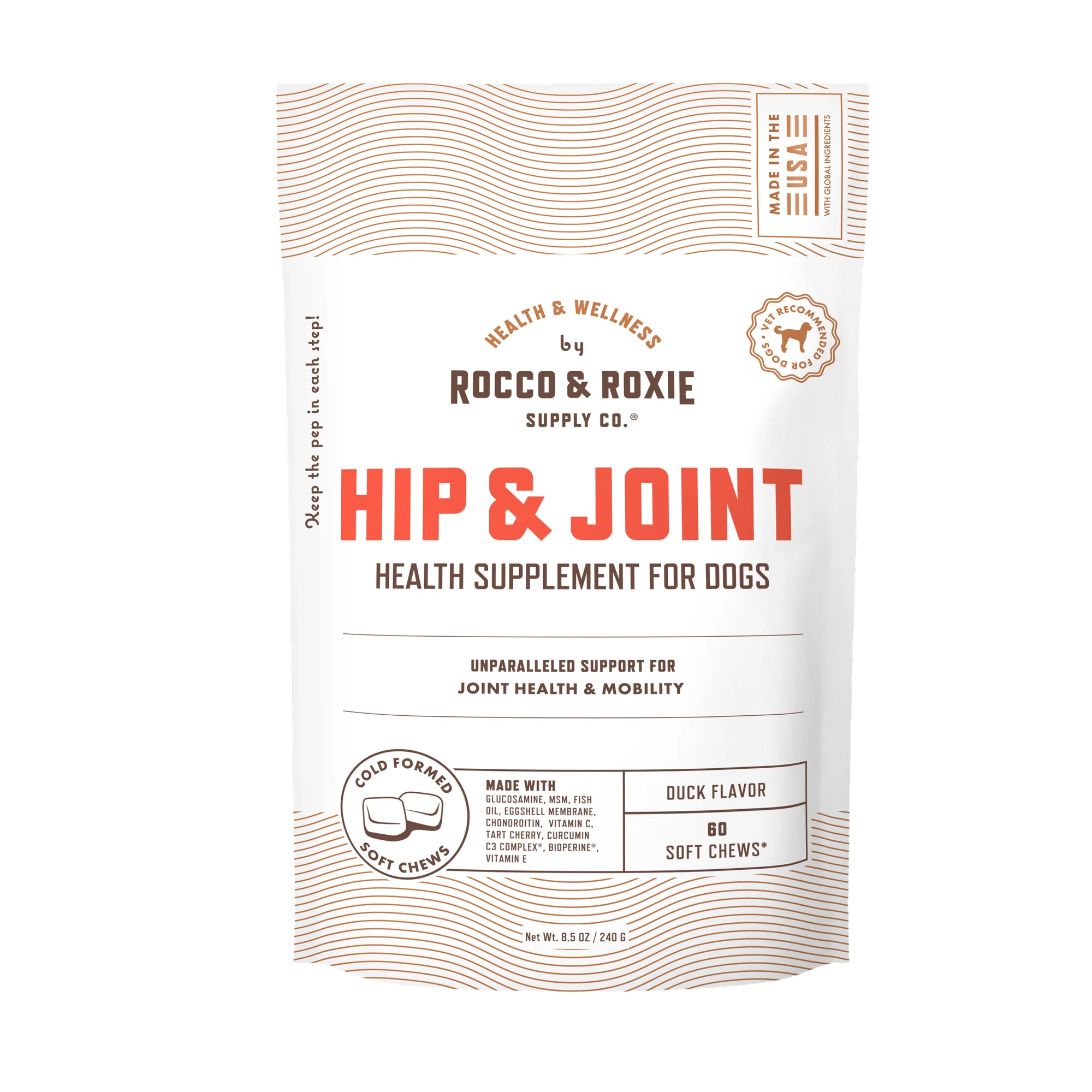
- Rocco & Roxie Hip & Joint Dog Chew: Rocco & Roxie Hip & Joint Dog Chew combines glucosamine HCl, chondroitin, and MSM with fish oil from Menhaden. If your dog needs joint support, a dedicated supplement is a more targeted choice than assuming a jerky treat will cover joint health.
Is jerky the right treat for your dog?
Best for
- Dogs that need a high-value reward for training or recall
- Owners who want a meat-based treat they can tear into small pieces
- Dogs without diagnosed food sensitivities who tolerate jerky ingredients
Not for
- Dogs on a veterinarian-prescribed diet without vet approval
- Dogs that gulp treats whole without chewing, unless pieces are torn small
- Owners looking for a complete meal replacement rather than a reward