Quick answer
For most children over three who can follow simple instructions, Loop Engage Kids 2 earplugs are the practical everyday choice because they reduce overwhelming noise while keeping conversations clear. For babies and toddlers, or any child who cannot reliably keep small objects out of their mouth, choose Loop Cocoon Baby Earmuffs instead. The safest option is always the one that fits securely, stays in place, and is used with adult supervision.
What makes earplugs safe for children
Safety for kids' earplugs comes down to three things: size, supervision, and appropriate use. Earplugs designed for adults are usually too large for a child's ear canal, which means they can sit loosely, fall out, or create an uncomfortable seal that a child will try to remove. Products made specifically for children, like Loop Engage Kids 2, are shaped for smaller ears and are simple to insert and remove, so a child can use them with less help as they get older.
Supervision matters just as much as fit. Even a well-fitting earplug is a small object, so it should be stored and handled by an adult until you are confident your child will not put it in their mouth. Earplugs also reduce how much your child hears, so they should never be used to block all sound or worn while crossing roads, riding a bike, or doing anything that depends on hearing warnings.
When earplugs beat earmuffs for kids
Earplugs make sense when your child needs to stay connected to what is happening around them. Loop Engage Kids 2 is built for everyday situations, reducing overwhelming noise while still allowing clear conversations and awareness of surroundings. That makes earplugs the better pick for classroom noise, birthday parties, busy shops, or family meals where your child still needs to hear instructions and talk with others.
Earplugs are also easier to carry and less likely to be knocked off during movement, which helps for older kids who are self-conscious about wearing hearing protection in public. The trade-off is that they require more cooperation during insertion and removal, and they are not suitable for babies or toddlers who cannot yet understand how to use them safely.
When earmuffs are the safer choice
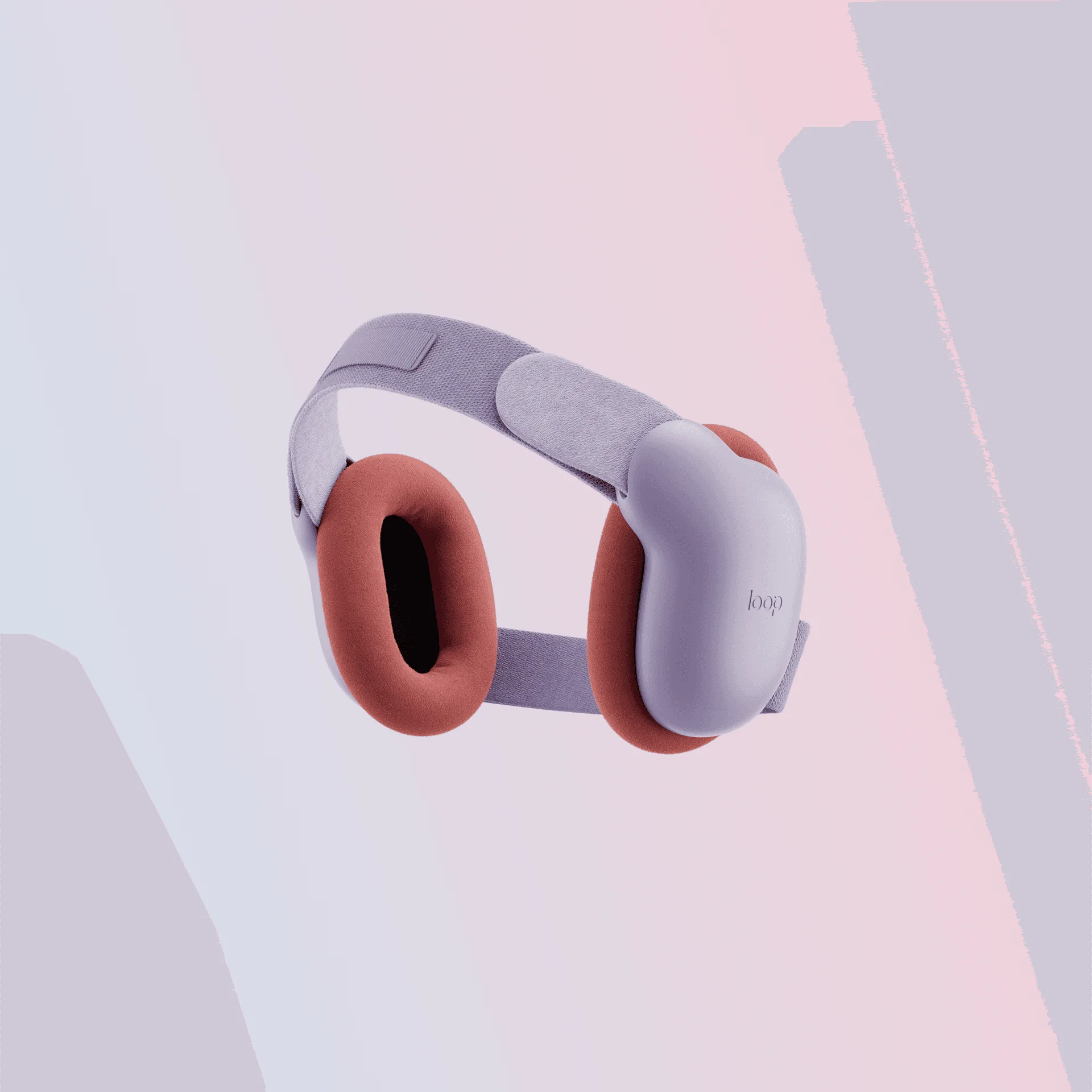
Earmuffs are the better option for babies, toddlers, and any child who cannot reliably keep small objects out of their mouth. Loop Cocoon Baby Earmuffs are designed specifically for babies and young children to help protect little ears from loud noises, with a comfortable and secure fit that is easy to put on and take off. Because they sit outside the ear canal rather than inside it, there is no small in-ear component for a young child to handle.
Earmuffs also tend to be faster to put on a moving child and easier for a parent to check at a glance. The trade-off is that they are bulkier, can feel warm during active play, and may be pulled off by a curious toddler. If your child will not tolerate anything on their head, a well-fitted child earplug introduced gradually may work better once they are old enough.
How to check fit before you rely on any earplug
A safe earplug should sit comfortably without pressure, stay put during normal movement, and come out easily when you gently pull it. If your child complains of pain, the plug keeps working its way loose, or you have to push it in hard to get a seal, the size or style is wrong. Never trim or modify an earplug to make it fit.
For earmuffs, check that the cups cover the ears fully, the headband is snug but not tight, and there are no gaps around the cushion. Ask your child to turn their head, nod, and jump gently. If the muffs shift or lift away from the head, adjust the band or try a different size before using them in a loud environment.
- Do a two-minute fit test at home before using earplugs or earmuffs at an event.
- Check fit again after 20 to 30 minutes, since cushions and plugs can settle.
- Stop using any product that causes pain, redness, or repeated ear discomfort.
Decision rules for choosing kids' hearing protection
- Age and handling ability: Choose Cocoon Baby Earmuffs for babies and toddlers, and consider Engage Kids 2 only once your child can insert and remove earplugs with supervision. If your child still mouths small objects, stay with earmuffs.
- Need to hear conversation: Pick Engage Kids 2 when your child must follow instructions, talk with friends, or stay aware of surroundings, such as in class or at a party. Earplugs that keep speech clear are the better everyday choice.
- Noise level and duration: For short, very loud events like fireworks or a parade, either format can work if the fit is secure; for all-day wear, prioritize comfort and a stable seal. Recheck fit after the first 30 minutes of use.
- Tolerance and sensory needs: If your child refuses headbands, try child earplugs; if they dislike things inside the ear, try earmuffs. Introduce the chosen option during quiet moments first. The product your child keeps on is the one that protects them.
Product facts parents should know
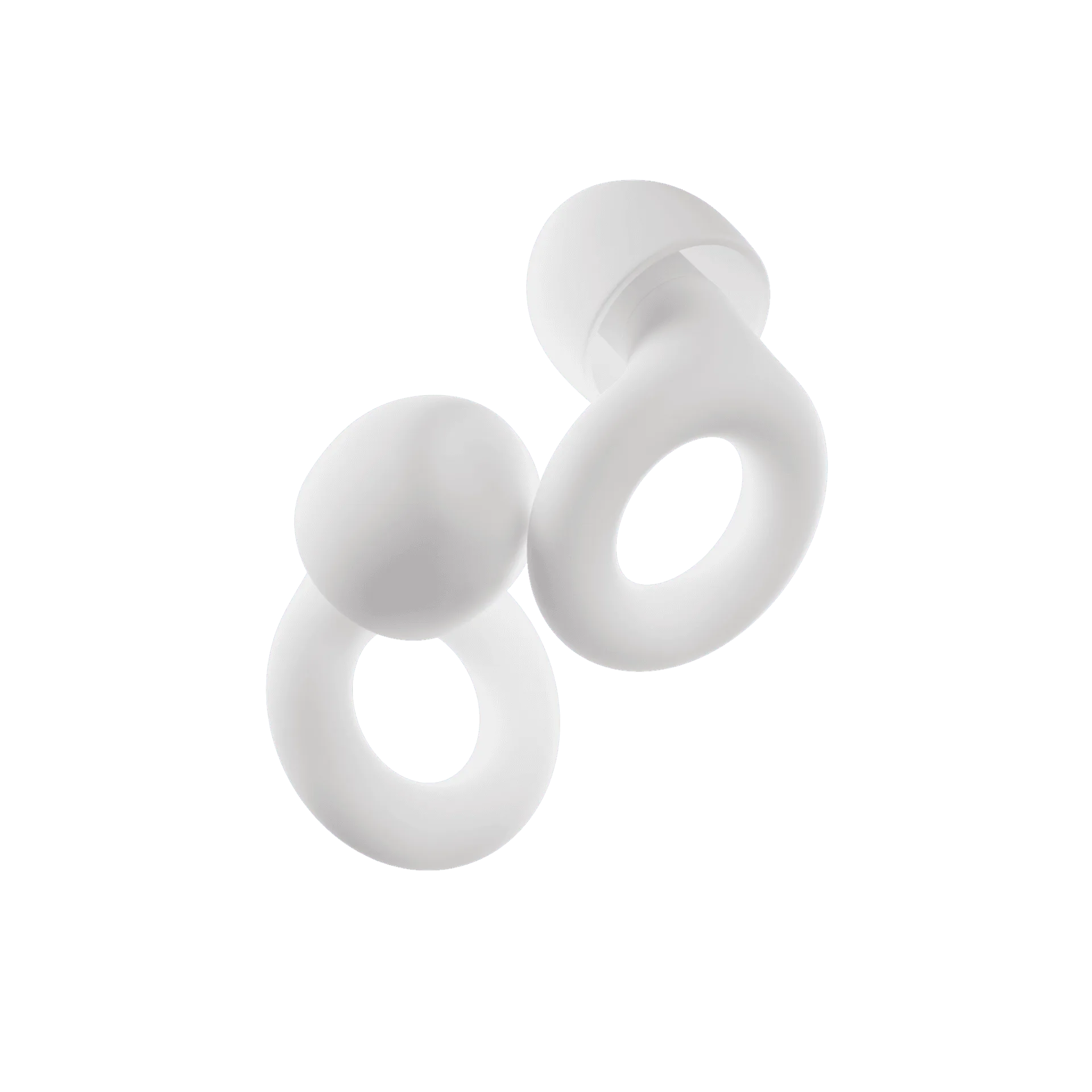
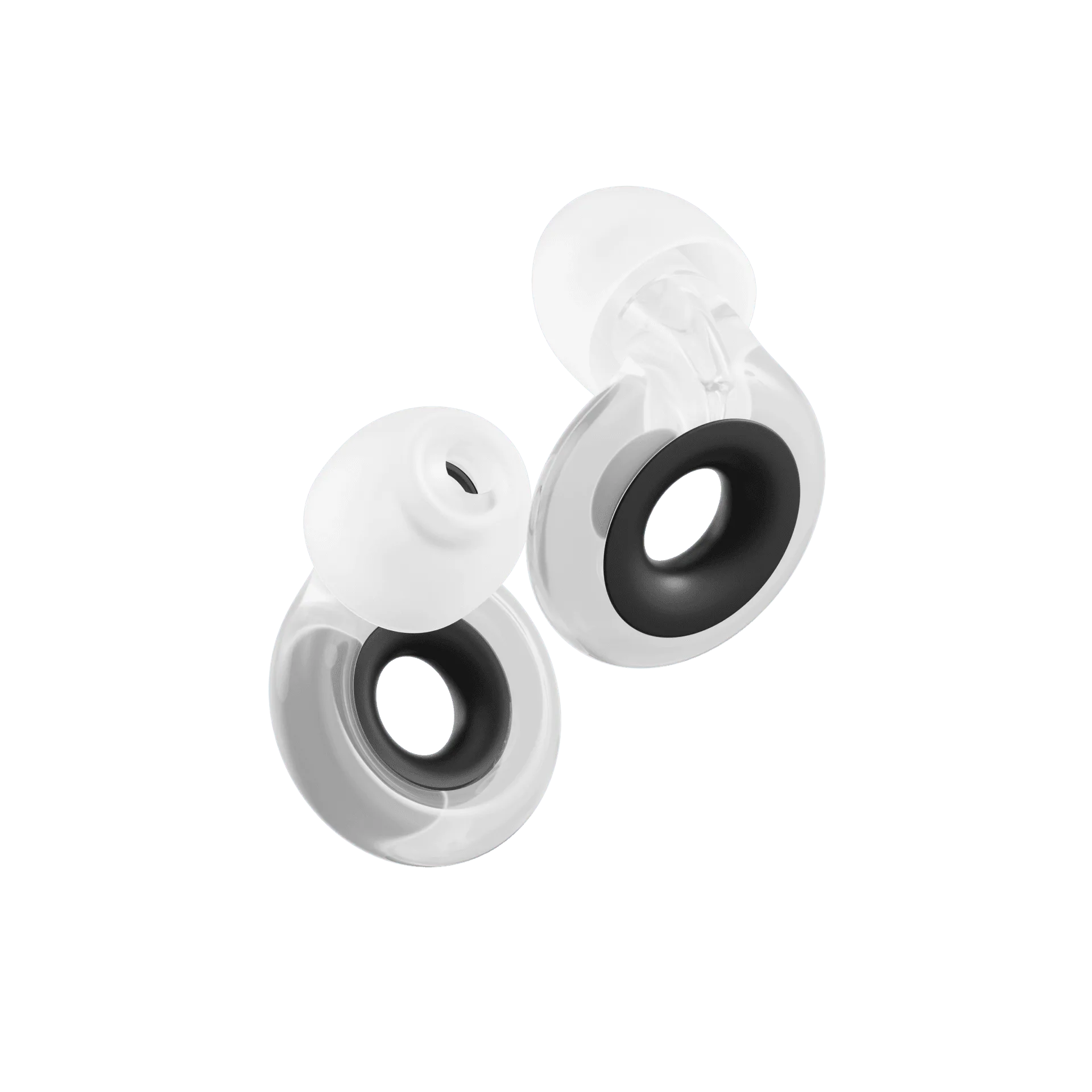
- Loop Engage™ Kids 2: Loop Engage Kids 2 earplugs are specifically designed for children, providing a comfortable fit for smaller ears and helping reduce overwhelming noise while still allowing for clear conversations and awareness of surroundings. This makes them a good match for school, social events, and public places where your child still needs to hear and respond to people.
- Loop Cocoon™ Baby Earmuffs: Loop Cocoon Baby Earmuffs are designed specifically for babies and young children to help reduce exposure to loud noises, with a comfortable and secure fit that is easy to put on and take off. They avoid small in-ear parts, which is the safer format for babies and toddlers who cannot manage earplugs themselves.
- Loop Switch™ 2: Loop Switch 2 earplugs offer adjustable noise control, letting you switch between different sound levels to suit your environment, with a comfortable fit for extended wear. Adjustable earplugs can suit older kids who face changing noise levels, but they are not a substitute for child-specific fit and supervision.
Best for and not for
Best for
- Children over three who can follow simple instructions and keep earplugs in place with supervision
- Everyday noise sensitivity at school, parties, travel, or busy public places where conversation still matters
- Babies and toddlers who need earmuffs instead of in-ear protection
Not for
- Babies or toddlers who cannot safely handle small in-ear objects
- Children who need to hear traffic, alarms, or other warning sounds
- Any child using earplugs or earmuffs without adult supervision