Quick answer
Miniature toy sets are not automatically a choking hazard — the real risk is an age mismatch. Small toys are designed for kids past the mouthing stage, and toy age warnings exist to match the toy to the child. Check the age rating, keep small pieces away from children under three, and supervise play.
Walk down any toy aisle and you'll see two very different reactions to miniature toys: collectors who love the detail, and parents who see a hundred tiny pieces headed for the carpet. The worry is understandable, but it often gets aimed at the wrong thing. A small toy isn't dangerous by itself — it becomes risky when it lands in the hands of a child who still puts everything in their mouth.
This article tackles the most common claims parents make about miniature toy safety, gives each one a straight verdict, and explains what actually matters: age warnings, supervision, and storage. No scare tactics, no invented statistics — just the facts you can act on before your next purchase.
Myth: If a toy is small, it's a choking hazard
Verdict: False as stated. Size alone doesn't determine hazard — age and behavior do. A miniature figurine is a choking risk primarily for children who are still mouthing objects, which is typical of the under-three crowd. That's exactly why toy age warnings exist: they're a matchmaking tool between a toy and a developmental stage, not a warning label to ignore.
The practical takeaway is simple. If a toy is labeled for ages 3 and up, treat that as a hard boundary for younger siblings, not a suggestion. For older kids who no longer mouth toys, small parts are a fine motor skill opportunity, not a hazard. The toy didn't change — the child did.
- Read the age rating before you buy, not after you open the box.
- Keep small toys in a separate bin from baby and toddler toys.
- If a younger sibling is in the house, play with miniatures at a table, not on the floor.
Myth: Miniature toy sets are only for collectors, not kids
Verdict: False. Many miniature lines are built for play as well as display. Take the Good Luck Dragon Toy, part of the dragon line: its catalog description notes it's a symbol of good fortune and one of the friendliest dragons known, with six legs and a slightly lion-like look. That's a character kids can invent stories around, not just a shelf piece.
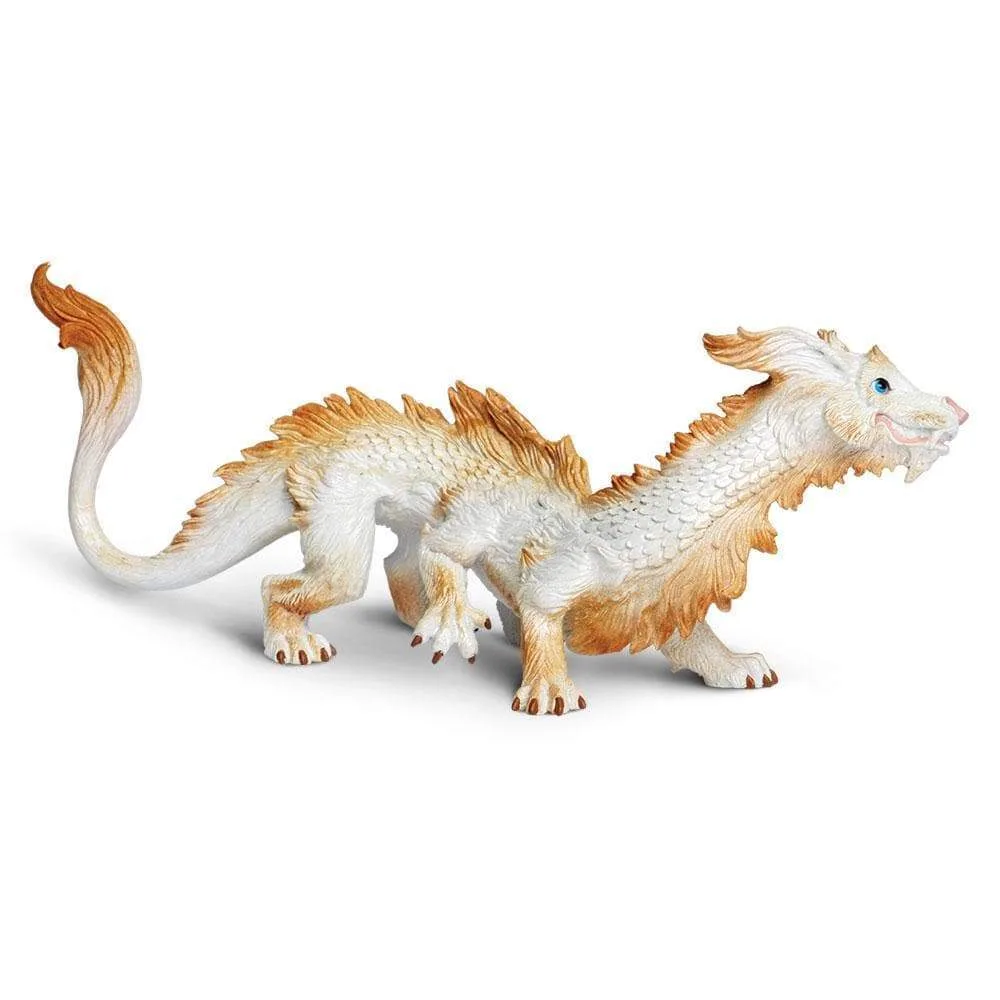
Good Luck Dragon Toy
The same goes for mini toy formats like TOOBS mini toys, which package small figures together for play, sorting, and collecting. The distinction that matters isn't collector versus kid — it's whether the child has passed the mouthing stage. Once they have, miniature sets become storytelling tools, counting games, and diorama builders.
- Miniature figures work well for sorting, counting, and story prompts.
- A shallow tray keeps small pieces contained during play.
- Collector-minded kids can display favorites and play with the rest.
Myth: Age warnings are just legal cover, so you can ignore them
Verdict: False. Age warnings are the single most useful safety signal on the box. They reflect developmental stages — particularly mouthing behavior — rather than a child's intelligence or maturity. A four-year-old who 'never puts things in their mouth' is still a four-year-old, and the rating for a 3+ toy already accounts for that.
Where parents get into trouble is hand-me-downs and mixed bins. A toy that was safe for your first child at five can end up in a two-year-old's hands by accident. The fix isn't banning miniature toys — it's separating them by age and storing them where the youngest child can't reach.
- Sort toy bins by age group, not by theme.
- Store miniatures on a high shelf or in a latched box.
- Re-check the age rating whenever a toy changes hands.
Myth: Small toys and sensory play don't mix
Verdict: Partly true, and it depends on the material. Loose small parts in a sensory bin are a genuine concern for mouthing children. But some sensory products are explicitly designed as fillers rather than standalone small toys, which changes how you use them. The Glo Pals Fairy Fun Sensory Filler Pack is labeled for ages 3+ and is meant to be sprinkled into a sensory bin, water, rice, slime, or play-dough.
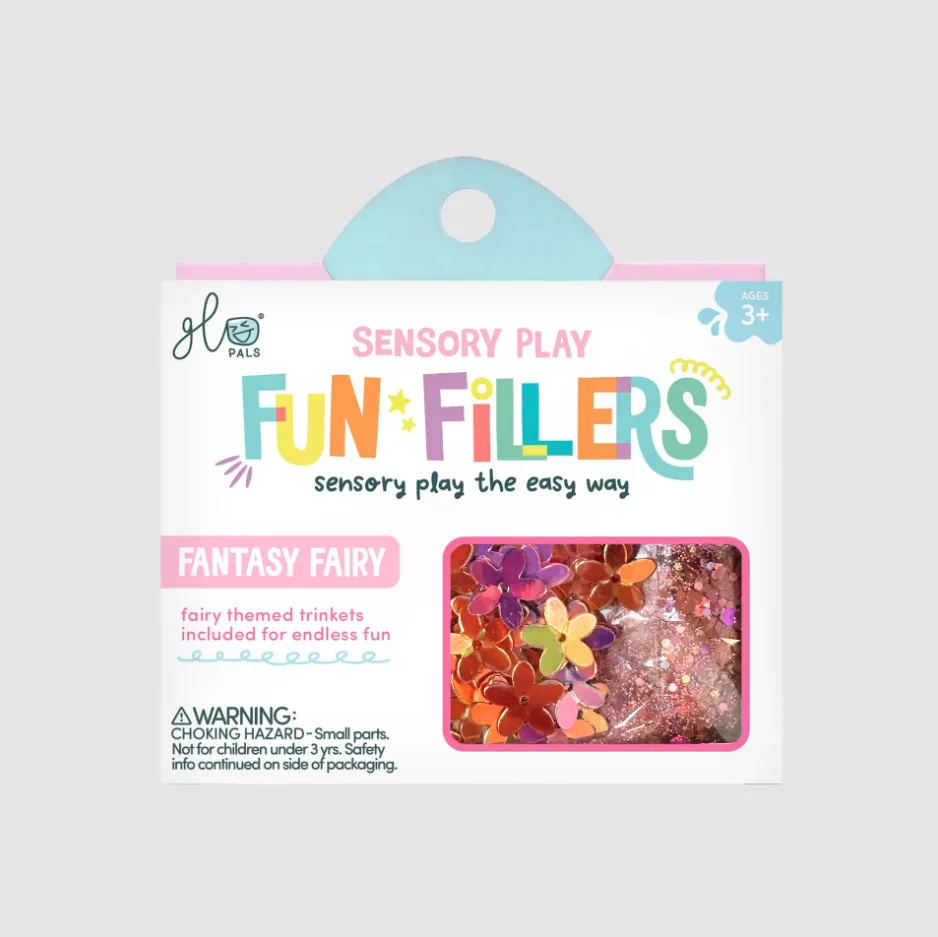
Glo Pals Fairy Fun Sensory Filler Pack
The key is following the intended use. A filler that's mixed into a base material behaves differently from a loose figurine rolling across the floor. Still, the 3+ rating is the gate: if your child is under three, this isn't the activity for them yet.
- Use sensory fillers only with children who meet the age rating.
- Supervise bin play and pack fillers away afterward.
- Choose larger base materials for younger siblings nearby.
Myth: Once you've checked the age label, you're done
Verdict: False. The label is the starting point, not the finish line. Supervision, storage, and household rules do the rest of the work. A toy rated 3+ can still end up in a one-year-old's mouth if it's left on the living room floor after play.
A simple routine solves most of this: play at a table or tray, count pieces back into the container, and put the container out of reach. That habit protects younger siblings and also keeps miniature sets from disappearing into couch cushions — a practical bonus for anyone who has stepped on a tiny figure barefoot.
- Do a two-minute piece count after each play session.
- Keep a dedicated container for each miniature set.
- Teach older kids to play with minis away from crawling siblings.
Verdicts at a glance
- Small size equals choking hazard: Size alone doesn't determine risk; age and mouthing behavior do. Age warnings exist to match the toy to the child's stage. Verdict: False as stated — follow the age rating instead.
- Miniature sets are collector-only: Many miniature lines are made for play, storytelling, and sorting as well as display, and are fine for kids past the mouthing stage. Verdict: False — play value depends on the child, not the size.
- Age warnings are optional: They're the most useful safety signal on the box and reflect developmental stages. Hand-me-downs and mixed bins are where mistakes happen. Verdict: False — sort bins by age and re-check when toys change hands.
- Small toys and sensory play don't mix: It depends on intended use. Fillers designed to be mixed into a sensory base and rated 3+ are used differently from loose figurines. Verdict: Partly true — match the product to its rating and use.
- A label check is enough: Supervision, storage, and a piece-count routine do the rest of the work, especially with younger siblings in the house. Verdict: False — pair the label with household habits.
Catalog facts that help you decide
- Good Luck Dragon Toy: Catalog description: slightly resembling a lion, it's the only known dragon species with mammalian characteristics, and it's described as one of the friendliest dragons known, a symbol of good fortune. This is a character-driven miniature that invites storytelling and display, so it suits kids past the mouthing stage who want a figure with personality rather than a generic piece.
- Glo Pals Fairy Fun Sensory Filler Pack: Catalog description: fairy-themed sensory fillers meant to be added to a sensory bin or activity, and they work in water, rice, slime, and play-dough. Age: 3+. The 3+ age rating and the intended-use instruction tell you exactly who this is for and how to use it safely — as a filler mixed into a base, not as a loose small toy for toddlers.
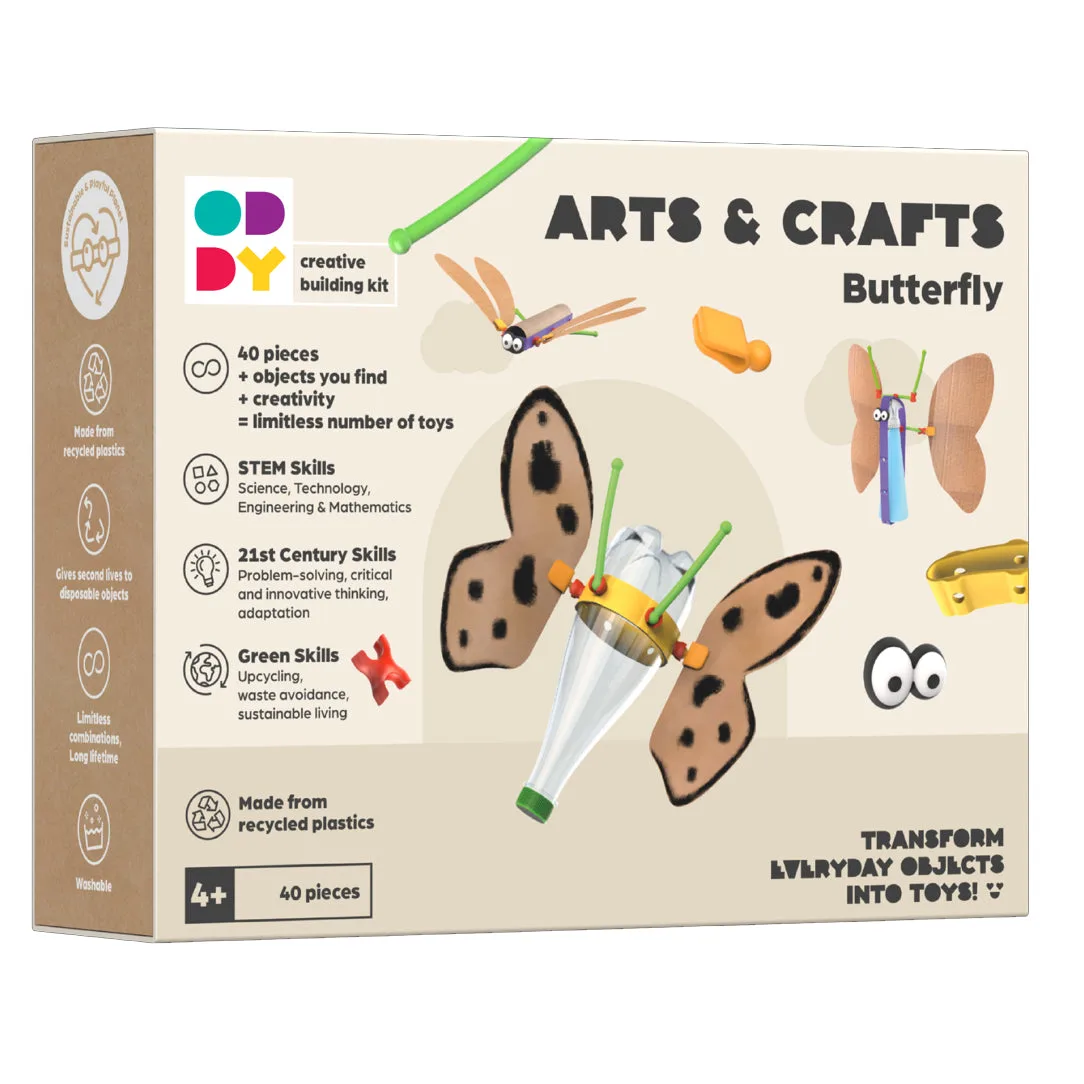
- Oddy Arts and Crafts Butterfly Building Kit: Catalog description: a 40-piece kit that lets kids transform everyday objects into toys, using household items such as boxes, bottles, and cardboard tubes to build butterfly and insect toys. Household items are not included. Because the pieces interlock and connect, this kit keeps small components organized around a build project, which makes supervised table play easier to manage than loose miniatures.
Miniature toys aren't the villain here — age mismatch is. Check the rating, keep small pieces separate from younger siblings, and supervise table play. Do that, and miniature toy safety becomes a habit rather than a worry.