Quick Answer
A prong collar is not cruel by design, but it can be used cruelly. The tool works through blunt, evenly distributed pressure rather than sharp points, and its safety depends almost entirely on correct sizing, fit, and handling. If you are not willing to learn proper technique or work with a qualified trainer, choose a different training approach.
Few dog training tools divide people like the prong collar. Search online and you will find confident claims on both sides, often with little explanation of where the tool came from, how it actually sits on a dog, or what separates a correct fit from a harmful one.
This article does not try to win an argument. It walks through the most common prong collar myths, gives each one a straight verdict, and explains the reasoning using what we actually know about how these collars are built and fitted. Where a question depends on your individual dog, we say so instead of pretending there is one universal answer.
Myth: Prong collars work by stabbing your dog
This is the single most repeated claim, and it misunderstands the hardware. Prong collars use blunt-tipped links that close evenly around the neck when tension is applied. The pressure is spread across multiple contact points rather than concentrated on one small area, which is why the design is sometimes described as a blunt pressure tool rather than a sharp one.
That distinction matters for the cruelty question. A tool that distributes pressure is not automatically gentle, and a tool with rounded tips can still be misused. The honest verdict is that the stabbing description is inaccurate, but accuracy about the mechanism does not excuse poor handling.
- Judge the collar by how it is fitted and used, not by an exaggerated description of its tips.
- If a collar is sized wrong or worn too low on the neck, even a well-made tool can cause discomfort.
Myth: One size fits every dog
Prong collars are not one-size-fits-all, and treating them that way is where a lot of real harm happens. Herm Sprenger Ultra-Plus collars are built as link systems, which means the collar is adjusted by adding or removing individual links until it sits correctly. A collar that is too loose slides down the neck and loses even pressure; one that is too tight sits constantly snug.
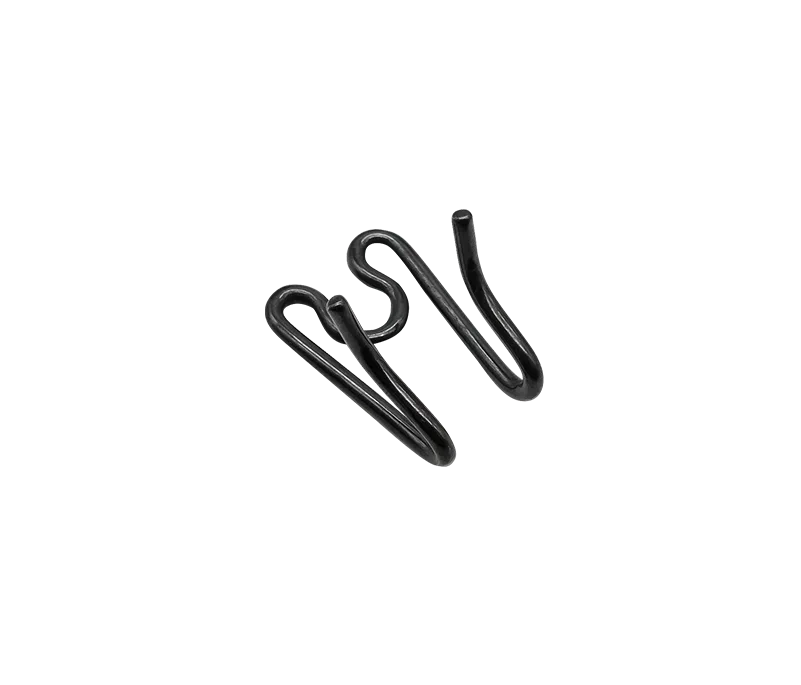
This is also why replacement links exist as separate products. The 4.0mm Black Stainless Herm Sprenger Ultra-Plus Prong Training Dog Collar Replacement Links and the 2.25mm Curgoan Herm Sprenger Ultra-Plus Prong Training Dog Collar Replacement Links both attach to existing links to add length for a perfect fit. The two sizes are not interchangeable, so match the link to your collar's gauge before ordering.
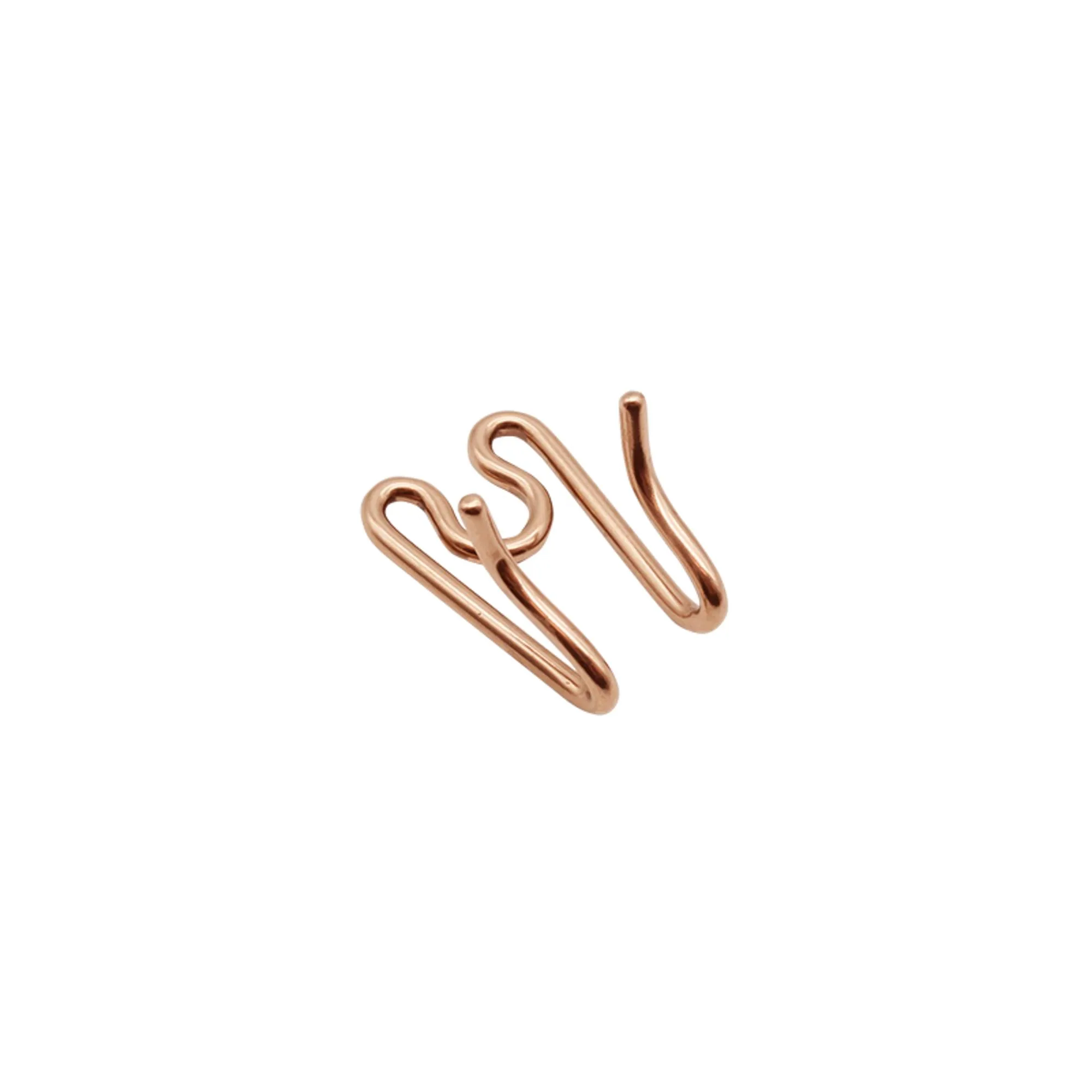
2.25mm Curgoan Herm Sprenger Ultra-Plus Prong Training Dog Collar Replacement Links
- Measure and test fit before trusting the collar in a training session.
- Keep spare links on hand so fit can be adjusted as your dog's coat changes with the seasons.
Myth: Anyone can slap one on and get results
Prong collars are a technique-dependent tool. The collar itself does not train a dog; timing, leash handling, and clear communication do. Used with poor timing or as a way to yank a dog around, the same collar that could be a precise communication tool becomes a source of confusion and stress.
This is the strongest argument in the controversy, and it deserves to be taken seriously. If you are not prepared to learn correct placement, leash pressure, and release timing, or to work with a qualified trainer, the responsible choice is a different tool or a reward-based plan. That is not a knock on the collar; it is an honest limit on who should use it.
- Get hands-on guidance for your first sessions rather than learning from short videos alone.
- Never use a prong collar as a punishment device or for leash correction out of frustration.
Myth: A prong collar is the only tool for strong dogs
Strong, determined dogs do need equipment that holds up, but a prong collar is not the only option. Heavy-duty collars, well-fitted harnesses, and structured training plans can all play a role depending on the dog and the behavior being addressed. The right answer depends on the specific problem, not on the dog's size alone.
Where prong collars do have a clear place is in precise, low-latency communication for dogs who already understand basic obedience and need finer feedback. If your dog has no foundation yet, the collar is not a shortcut around that foundation.
- Match the tool to the behavior you are changing, not just to the dog's weight.
- Reassess regularly; a tool that was right six months ago may not be right now.
Myth: Any metal collar is basically the same
Construction details vary a lot between products, and those details affect both durability and how the collar feels in use. Stainless steel resists rust and corrosion, which matters for dogs who swim, work in wet conditions, or live in humid climates. Coating and finish choices also affect how the collar wears over time.
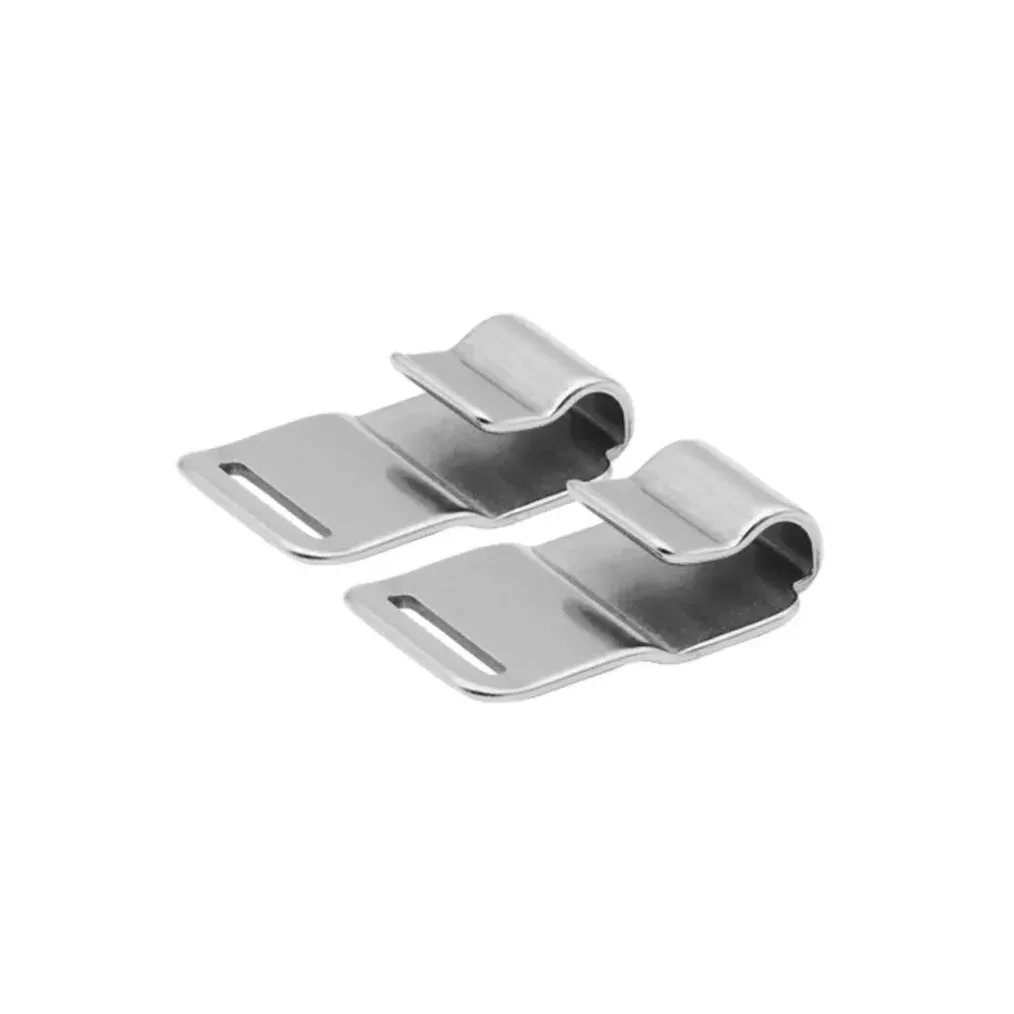
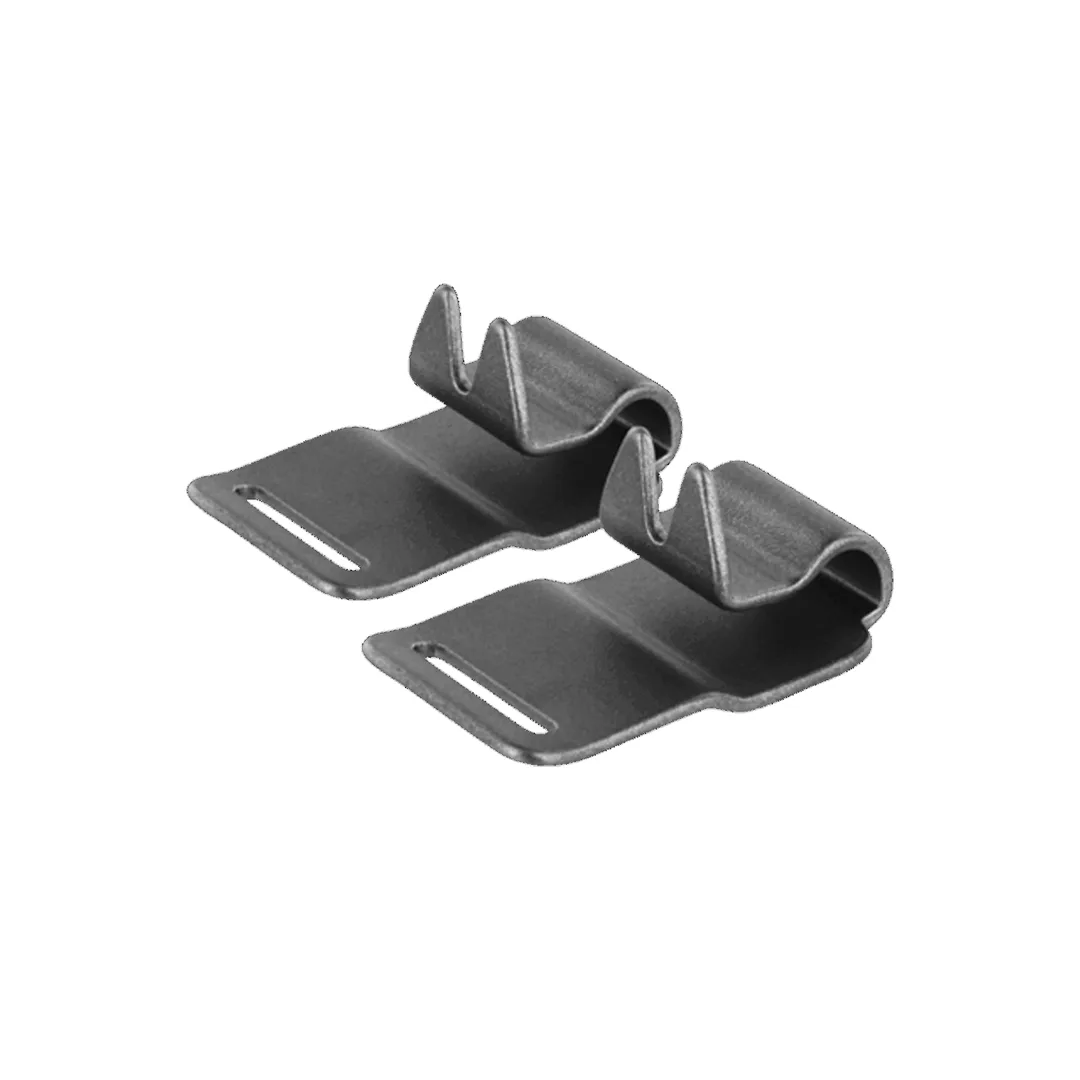
The Herm Sprenger NeckTech Fun Extra Stainless Steel Links come in sets of two and each link adds 1.25 inches (3 cm) to the collar's total length. The Herm Sprenger NeckTech Sport Black Stainless Links offer the same 1.25-inch addition per link in a black matte stainless finish. Both are made of stainless steel to prevent rust or corrosion and let you customize a Neck-Tech collar for a perfect fit by adding or removing links.
- Check the gauge and finish against your existing collar before buying extra links.
- Stainless steel is worth prioritizing if your dog is regularly in water or mud.
What humane use actually requires
Strip away the myths and humane prong collar use comes down to a short list of non-negotiables: correct gauge for the dog, correct fit on the neck, correct placement high and snug rather than low and loose, and correct handling with calm, well-timed pressure. Miss any one of those and the tool stops being a communication aid.
It also requires a plan for fading the tool. A prong collar that becomes permanent equipment is usually a sign that the underlying training has not generalized. The goal should be a dog who responds to normal cues and everyday collars, with the prong collar as a temporary bridge.
- Fit high on the neck, snug enough that it does not slide, never tight enough to restrict breathing.
- Pair every pressure moment with a clear release and reward so the dog understands the off-switch.
- Set a review date to check whether you still need the tool at all.
Myth Verdicts at a Glance
- Myth: Prong collars stab dogs: The links are blunt-tipped and distribute pressure across multiple contact points rather than concentrating it on a point. Verdict: Myth. The mechanism is blunt pressure, but that does not make misuse acceptable.
- Myth: One size fits all dogs: Prong collars are link-based systems that must be adjusted to the individual dog, with replacement links available in different gauges such as 4.0mm and 2.25mm. Verdict: Myth. Fit is the single biggest factor in whether the tool is used humanely.
- Myth: Anyone can use one without training: The collar does not train the dog; timing, placement, and handling do. Poor technique turns a precision tool into a source of stress. Verdict: Partly true. Get qualified guidance or choose a different approach.
- Myth: It is the only tool for strong dogs: Heavy-duty collars, harnesses, and structured training plans are all legitimate options depending on the behavior being addressed. Verdict: Myth. Match the tool to the problem, not just the dog's size.
- Myth: All metal collars are the same: Gauge, finish, and link length vary. Stainless steel resists rust and corrosion, and Neck-Tech links add 1.25 inches (3 cm) each. Verdict: Myth. Construction details affect durability and fit precision.
Product Facts That Matter Here
- 4.0mm Black Stainless Herm Sprenger Ultra-Plus Prong Training Dog Collar Replacement Links: These links add length to Herm Sprenger Ultra-Plus Prong Training Dog Collars and attach easily to existing links for a perfect fit, with a blunt design. Correct fit is central to the cruelty question, and these links let you adjust a 4.0mm collar rather than forcing a poor fit.
- 2.25mm Curgoan Herm Sprenger Ultra-Plus Prong Training Dog Collar Replacement Links: These links add length to Herm Sprenger Ultra-Plus Prong Training Dog Collars and attach easily to existing links for a perfect fit, with a blunt design. This is the smaller gauge option, so owners of lighter collars can adjust fit without mismatching link sizes.
- Herm Sprenger NeckTech Sport Black Stainless Links (2): Sold in packs of 2, made of stainless steel to prevent rust or corrosion, and each link adds 1.25 inches (3 cm) to the total length of the collar. Precise length adjustment in 1.25-inch increments makes it easier to hit a correct fit instead of settling for close enough.
- Herm Sprenger NeckTech Fun Extra Stainless Steel Links (2): Made of stainless steel to prevent rust or corrosion, sold as 2 links per set, and each link adds 1.25 inches (3 cm) to the total length of the collar. Stainless construction holds up in wet conditions, and the two-link sets let you fine-tune a Neck-Tech collar over time.
Are prong collars cruel? Not by design, and not automatically in practice, but the tool demands correct gauge, correct fit, and correct handling. If you can commit to all three, a prong collar can be a precise communication aid. If you cannot, the humane choice is a different tool and a different plan.