Quick answer
Scale75 paints are not pre-thinned for every technique. They come ready to use for many brush applications, but you will still thin them for glazes, smooth layers, and airbrush work. Treat the bottle as a starting point, not a fixed consistency.
Scale75 paints have a reputation for rich pigment and a thicker body than some hobby lines. That leads to a common question: are Scale75 paints pre-thinned? The honest answer is that they are usable out of the bottle for some jobs, but they are not formulated as a universal ready-to-spray or ready-to-glaze medium.
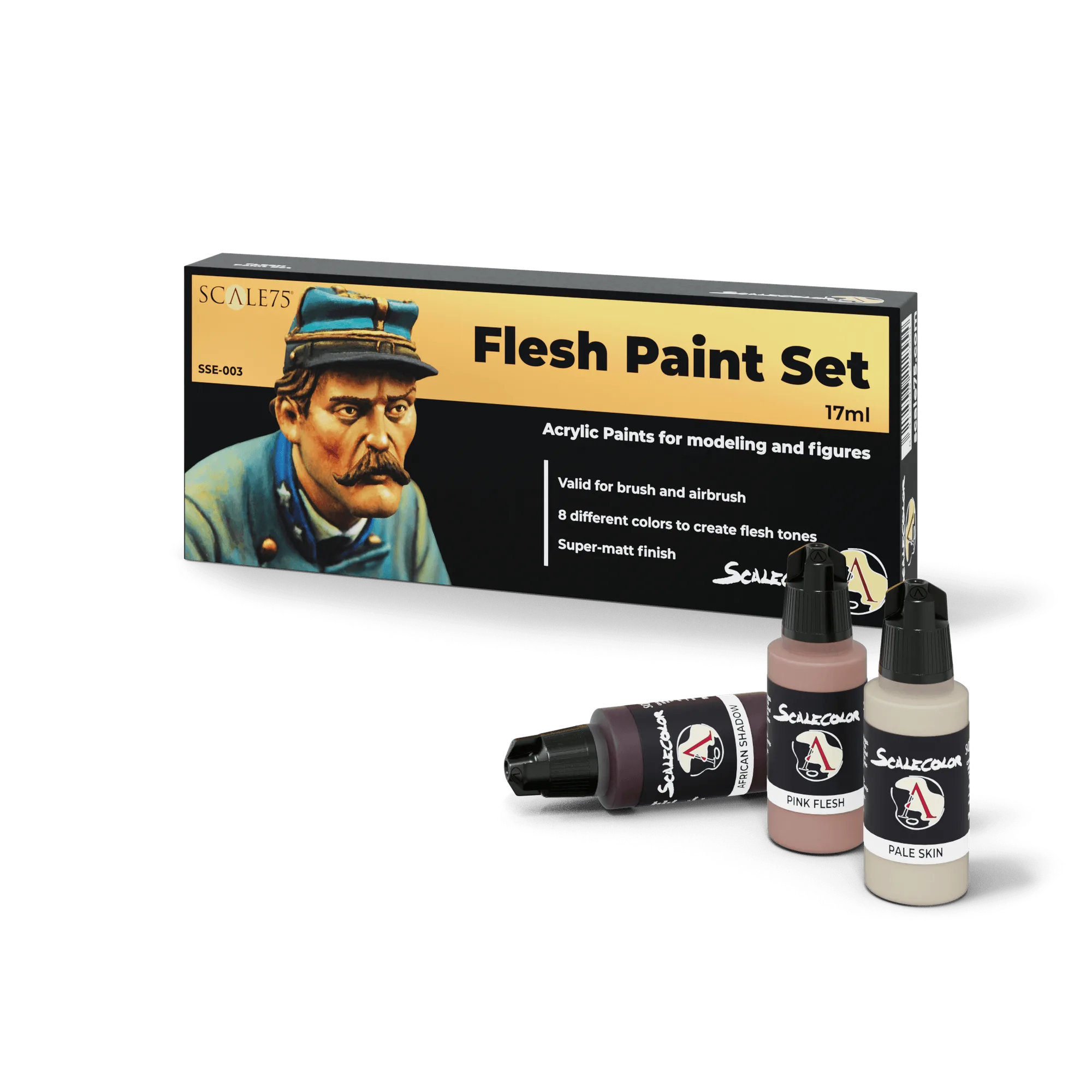
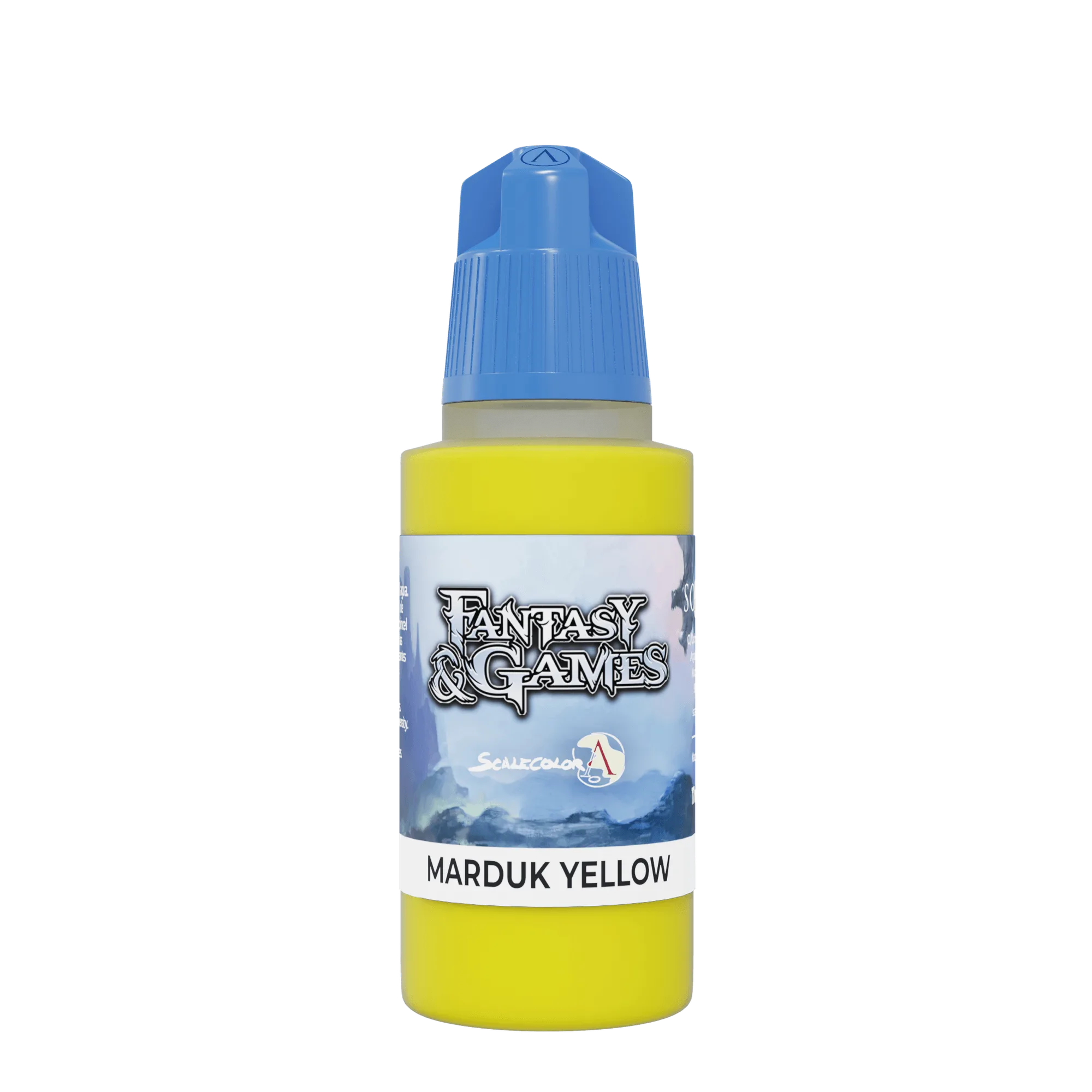
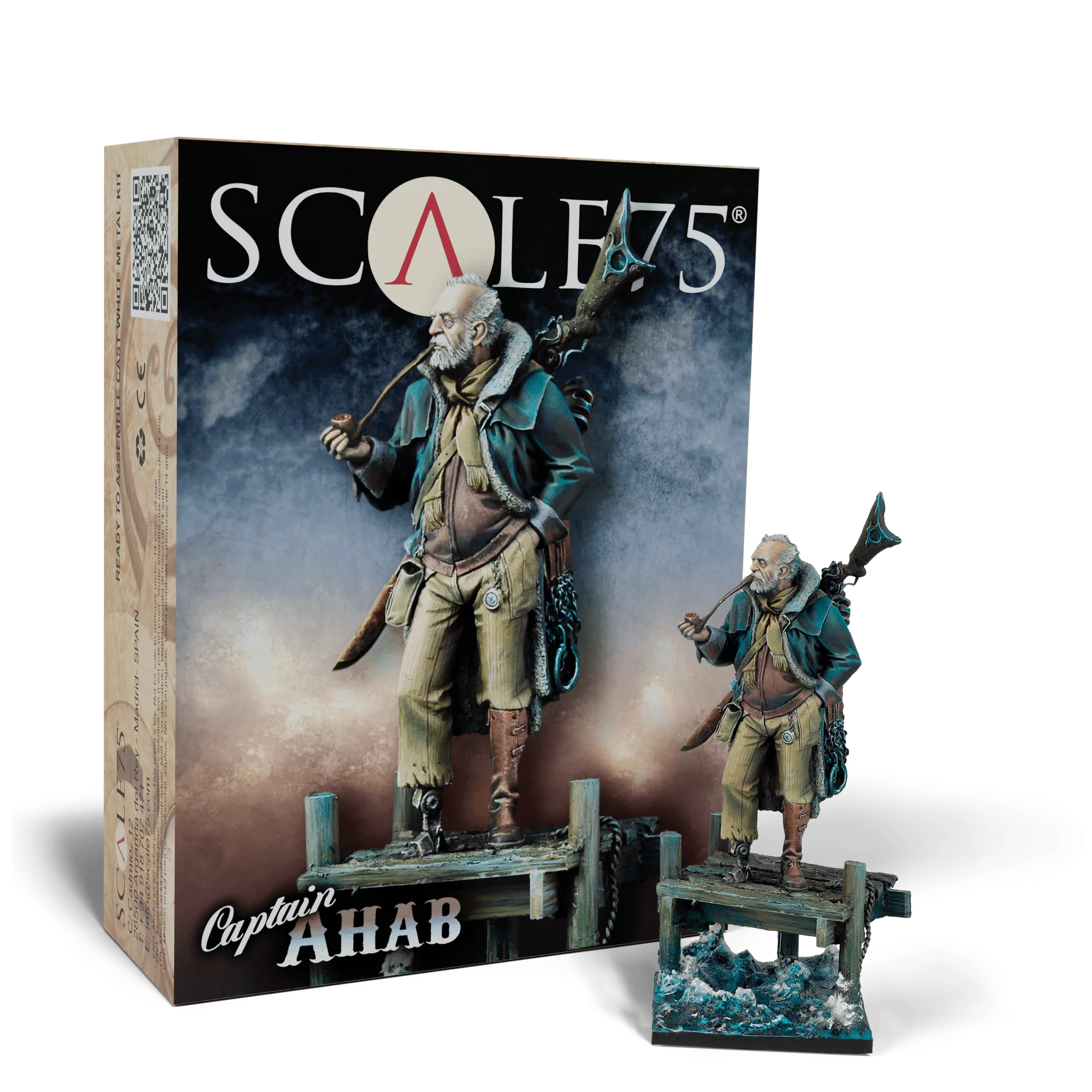
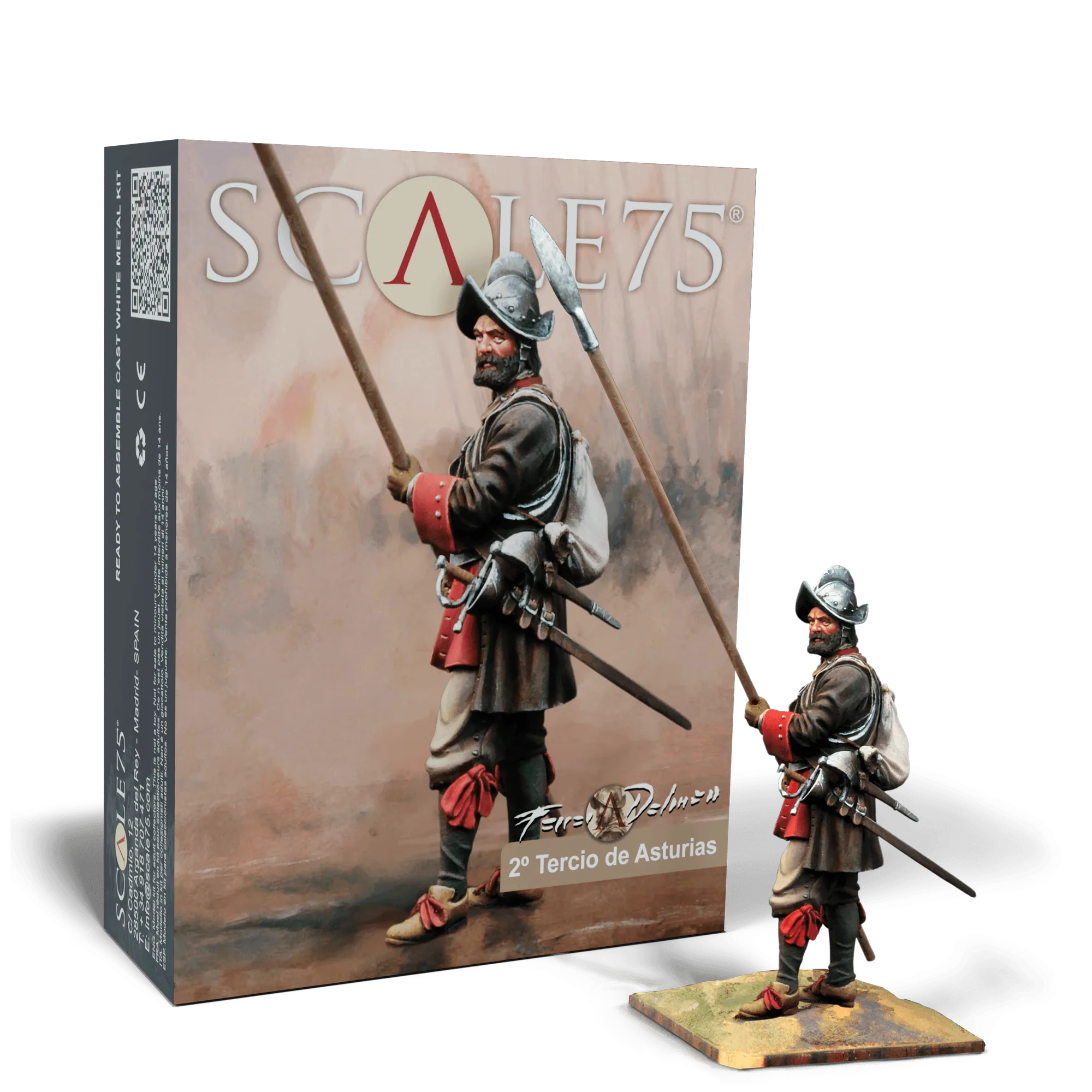
This FAQ covers what to expect from Scale75 paint consistency, when to thin, and how to adjust paint for brushing. You will also see how specific products in the range behave, including the FLESH Paint Set, MARDUK YELLOW, COLOR BOOST, and the 75mm figures https://scale75sx.com/products/capitan-ahab-9601c4740693af72e5af007d-1815930Captain Ahab and 2 Third of Asturias.
What consistency should you expect from Scale75 paint out of the bottle?
Most Scale75 acrylics leave the bottle with a creamy, medium-bodied consistency. They flow from the brush without being watery, and they hold a line well on a palette. For basecoating and many block-in steps, that consistency is already workable. You can load a brush and apply color without immediately reaching for water or medium.
That said, bottle consistency varies by color and range. Some pigments are naturally thicker, while others feel more fluid. The FLESH Paint Set is described as allowing you to easily create glazes or obtain a completely opaque layer, which tells you the formulation is designed to be adjusted rather than locked to one thickness. The same logic applies across the range: expect a usable starting point, then tune it to the task.
- Shake or stir the bottle before judging consistency; settled pigment can make paint look thicker than it is.
- Test on a primed surface or palette first, especially with strong colors like MARDUK YELLOW.
Do you thin miniature paints for brushing, or use them straight?
For basecoats and coverage work, many painters use Scale75 paints straight from the bottle or with only a touch of water. The paint is designed to brush on and can reach an opaque layer without excessive thinning. If you thin too aggressively at this stage, you risk poor coverage and a patchy first coat.
For layering, glazing, and smooth transitions, thinning is expected. The FLESH Paint Set specifically notes that its formulation lets you easily create glazes or obtain a completely opaque layer, so the same bottle can serve both ends of the spectrum. Add water or acrylic medium gradually. It is easier to thin more than to rescue paint that has become too runny.
If you are working over a large area, a slightly thicker mix saves time. For fine detail and edge work, a thinner mix gives you more control. The right answer depends on the technique, not on a single rule.
- Start with a 1:1 paint-to-water mix for glazes, then adjust down if coverage suffers.
- Use a dedicated thinning medium when you want to preserve binder strength and finish.
Can you airbrush Scale75 paints without extra thinning?
Scale75 paints are described as valid for brush and airbrush, but that does not mean every color sprays perfectly straight from the bottle. Airbrush work usually needs additional thinning and sometimes a flow improver. The exact ratio depends on your nozzle size, air pressure, and the specific paint.
A practical starting point is to thin until the paint moves like skim milk and sprays a fine line without spattering. If you are using a 0.2 mm nozzle, you will need a thinner mix than with a 0.4 mm setup. Always test on paper or a scrap model before committing to a miniature.
Because the catalog does not list a specific airbrush thinning ratio for each product, treat any ratio as a starting point rather than a manufacturer specification. Adjust based on what you see at the nozzle.
- Add thinner in small drops and stir; do not shake vigorously if you have already loaded a cup.
- If the paint dries on the needle tip, add a small amount of flow improver rather than more water alone.
Does paint thickness change what you can do with wargame miniatures?
MARDUK YELLOW is described as designed for painting all types of miniatures, but especially for wargame miniatures, with a formulation that achieves a finish resistant to handling of the figures for use on the game board. That durability matters when you are painting rank-and-file models that will be touched often.
For wargame figures, you generally want a consistency that covers quickly without obscuring detail. A slightly thicker mix than a display-painting glaze is often the right call. You can still thin for shading and highlights, but the base layers can stay closer to bottle consistency.
If you are painting a full unit, mix enough paint for several figures at once. Consistency drift between batches is one of the most common reasons a unit looks uneven under game-store lighting.
- Keep a spare pot of your mixed base color to touch up chips after handling.
- Satin finishes like MARDUK YELLOW can show brush marks if over-thinned; aim for smooth, even layers.
How do you thin Scale75 paints without ruining the finish?
Use clean water for small adjustments and an acrylic medium for larger ones. Water alone can break down the binder if you add too much, leading to a chalky or weak finish. A medium keeps the paint film intact while improving flow.
Add liquid to the paint, not the other way around. Put a drop of paint on your palette, then add water or medium a little at a time. Stir with a brush or palette knife until the consistency is even. If you see separation or a grainy texture, you have likely added too much water or not mixed thoroughly.
COLOR BOOST is a collection that brings together the INKTENSITY and FX EFFECT ranges so you can enhance the color of your miniatures through acrylic inks and fluorescent effects. It features 24 colors and includes 3 booklets with painting tutorials. Inks and effects often need different handling than standard acrylics, so follow the included guidance rather than assuming one thinning rule fits all.
- Use a wet palette to keep mixed paint workable during a long session.
- Never return thinned paint to the original bottle; it can spoil the remaining stock.
Do you need to thin paint for 75mm figures differently than for small miniatures?
Larger figures like Captain Ahab and 2 Third of Asturias are 75mm scale and made of high quality resin and white metal, respectively. Unpainted and requiring assembly, they offer more surface area than a 28mm miniature. That changes your working rhythm: you can use slightly thinner mixes for smooth blends across large areas, but you also need enough body for coverage on textured surfaces.
Both figures include a SCALE75 painting reference in the box to inspire your artistic creations, giving you the freedom to customize the figures and apply your own painting styles. Those references are a useful guide for the intended look, but they are not a thinning chart. Use them to plan color choices, then adjust consistency to your own brush control.
For resin and white metal, always wash the parts before painting and prime appropriately. Thinning decisions come after preparation, not before.
- On large skin areas, build color in thin layers rather than one thick coat.
- Keep a second brush loaded with clean water for quick edge cleanup on metal figures.
Consistency checkpoints for Scale75 paints
Out of the bottle
Creamy and medium-bodied; usable for basecoats and block-in work without immediate thinning. If it covers evenly and holds a line, you do not need to add water.
For glazing and layering
Thin gradually with water or acrylic medium until the paint is translucent and flows off the brush without pooling. The FLESH Paint Set is explicitly formulated to make glazes easy, so start there for skin and cloth.
For airbrush
Thin further than for brushing and test at your working pressure before spraying a model. No universal ratio is supplied; adjust by nozzle size and observed spray pattern.
For wargame handling
Keep base layers slightly thicker to preserve the handling-resistant finish described for MARDUK YELLOW. Thin for shading, not for the first coat on game pieces.
Product facts that answer consistency questions
- FLESH Paint Set: Designed for professional and amateur miniature painters. Its formulation allows us to easily create glazes or obtain a completely opaque layer, thus achieving excellent results. Valid for brush and airbrush. This set is built to be adjusted: you can thin it for glazes or use it more opaque for coverage, and it works for both brush and airbrush.
- MARDUK YELLOW: Designed for painting all types of miniatures, but especially for wargame miniatures. Its formulation allows us to achieve a finish that is resistant to handling of the figures for use on the game board. Valid for brush and airbrush. Satin finish acrylic paint 17ml. A handling-resistant satin finish is useful for game pieces, but over-thinning can weaken that durability, so keep base layers closer to bottle consistency.
- COLOR BOOST: The ranges that complement each other perfectly. A collection that brings together the INKTENSITY and FX EFFECT ranges so you can enhance the color of your miniatures through acrylic inks and fluorescent effects. The collection features 24 colors and includes 3 booklets with painting tutorials. Inks and fluorescent effects often need different thinning than standard acrylics, and the included booklets give you a starting method rather than guesswork.
- Captain Ahab: 75mm scale Figure made of high quality resin and white metal. Unpainted figure Assembly required. In each box, you'll find a SCALE75 painting reference to inspire your artistic creations, giving you the freedom to customize the figures and apply your own painting styles. A larger resin-and-metal figure rewards thin, layered painting on skin and cloth, but the included reference is a style guide, not a thinning ratio.
Scale75 paints are not pre-thinned as a one-size-fits-all product, but they are flexible enough to brush, glaze, and airbrush once you learn to adjust them. Start near bottle consistency, thin in small increments, and let the technique decide the mix.