Quick Answer
Argan oil is not a guaranteed pore-clogger. Its high vitamin E and fatty acid content means it can hydrate and soften skin, and many people with acne-prone skin tolerate it well when they use it sparingly as a final step. The catch is that argan oil is still an oil, so it can feel heavy or trigger congestion if you layer too much or skip cleansing. Start with a few drops at night, patch test first, and treat it as a moisturizing support, not an acne treatment.
The Claim: "Argan Oil Is Non-Comedogenic, So It Can't Break You Out"
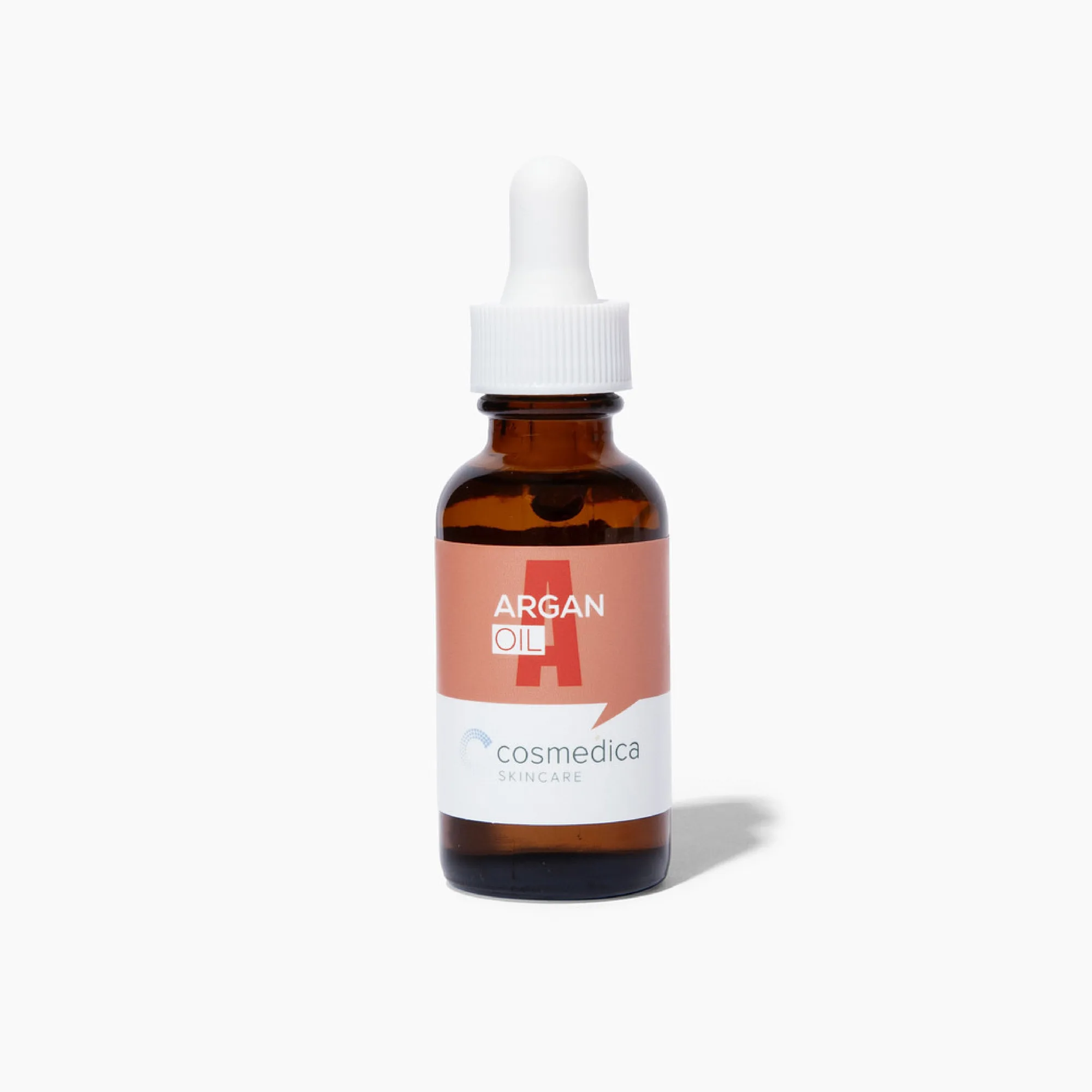
Verdict: Not proven. No oil is universally non-comedogenic. Argan oil is often described as low on the comedogenic scale, but that scale is a rough guide, not a guarantee. The catalog for our pure Argan Oil highlights its vitamin E and fatty acid content for moisturizing and softening, but it does not claim to be non-comedogenic. If you are acne-prone, the safer approach is to assume any oil can contribute to congestion until your own skin says otherwise. Introduce it alone, once, and watch for new closed bumps over the next week.
The Claim: "Argan Oil Will Clear Up Blemishes"
Verdict: False. Argan oil is not an acne treatment. It does not contain ingredients that unclog pores or reduce acne bacteria. What it can do is hydrate and soften skin, which matters because many acne treatments leave skin tight and flaky. If your blemishes are active and inflamed, argan oil will not resolve them. Use it only after your treatment step has done its job, and only if your skin feels dry rather than oily.
The Claim: "Oily Skin Should Avoid All Face Oils"
Verdict: Overly broad. Oily skin can still be dehydrated, and a light oil can help seal in water without the weight of a thick cream. The key is amount and placement. One to three drops pressed over a damp face at night is very different from a full pump rubbed in on dry skin. If you are already using a hydrating serum, apply it first, then use argan oil as the last step. If your skin feels greasy by morning, reduce to one drop or use it every other night.
The Claim: "You Can Use Argan Oil Instead of Moisturizer"
Verdict: Depends on your skin. Argan oil is an oil, not a water-based moisturizer. It can soften and help reduce water loss, but it does not add water to the skin the way a humectant-rich moisturizer does. For very dry, acne-prone skin, you may still want a moisturizer underneath. For oily, breakout-prone skin, argan oil alone at night can be enough. If you use a retinol night cream, apply it first and let it absorb, then add argan oil only if you feel dry.
How to Use Argan Oil on Acne-Prone Skin Without Guessing
Start with a patch test on your jawline for three nights. If no new bumps appear, add one drop to your nighttime routine after cleansing and treating. Press it in rather than rubbing. Keep your morning routine oil-free if you wear sunscreen or makeup, since oil can make those products slide. If you use a peptide serum, apply it before argan oil so the water-based formula can absorb first. Stop using argan oil if you notice more closed bumps or tiny textured spots within a week.
Myth-Busting Verdicts: Argan Oil and Acne
- Argan oil is non-comedogenic: No oil is guaranteed non-comedogenic. Our pure Argan Oil is described as moisturizing and softening, not as non-comedogenic. Patch test and introduce it alone. Verdict: Not proven. Treat it as potentially comedogenic until your skin proves otherwise.
- Argan oil clears blemishes: Argan oil is not an acne treatment. It has no ingredients that unclog pores or fight acne bacteria. It can only hydrate and soften. Verdict: False. Keep using a real treatment step if you have active blemishes.
- Oily skin must avoid argan oil: Oily skin can be dehydrated. One to three drops at night after a water-based serum can help without feeling heavy. Reduce the amount if you wake up greasy. Verdict: Overly broad. Use less, not none, if your skin feels tight.
- Argan oil replaces moisturizer: Argan oil is an oil, not a water-based moisturizer. It can reduce water loss but does not add water. If you use a hydrating serum or retinol cream, apply that first. Verdict: Depends on your skin. Layer it over water-based steps for the best result.
Product Facts That Matter for This Decision
- Argan Oil: 100% pure Argan Oil (Argania Spinosa), rich in vitamin E and fatty acids, described as moisturizing and softening for skin. This tells you it is a single-ingredient oil, so you can judge tolerance without wondering about added fragrance or fillers. The vitamin E and fatty acid content explains the softening effect, but it also means the oil stays on the surface, so use it sparingly if you are acne-prone.
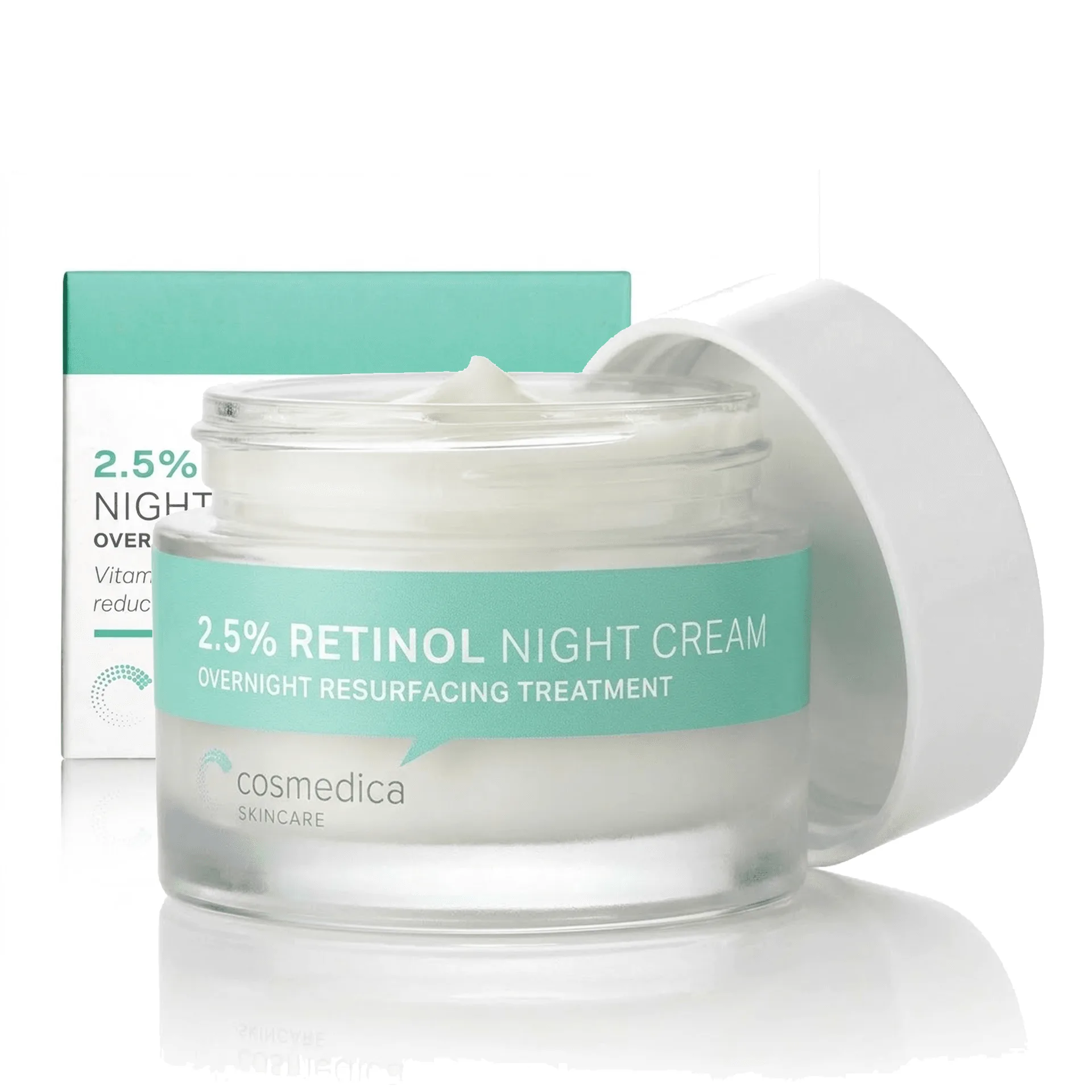
- Cosmedica Skincare Retinol Night Cream – Anti Aging Face Moisturizer with Retinol (Vitamin A) & Hyaluronic Acid – Wrinkle Repair Cream for Acne, Fine Lines & Dark Spots – Night Cream for Face, 1.7 oz: Cosmedica Skincare Retinol Night Cream is an anti-aging moisturizer with retinol (vitamin A) and hyaluronic acid, designed to improve texture and tone and help unclog pores. If you are using retinol for blemishes, this is your treatment step. Argan oil can be layered after it at night if your skin feels dry, but do not mix them in the same layer. Let the retinol cream absorb first.
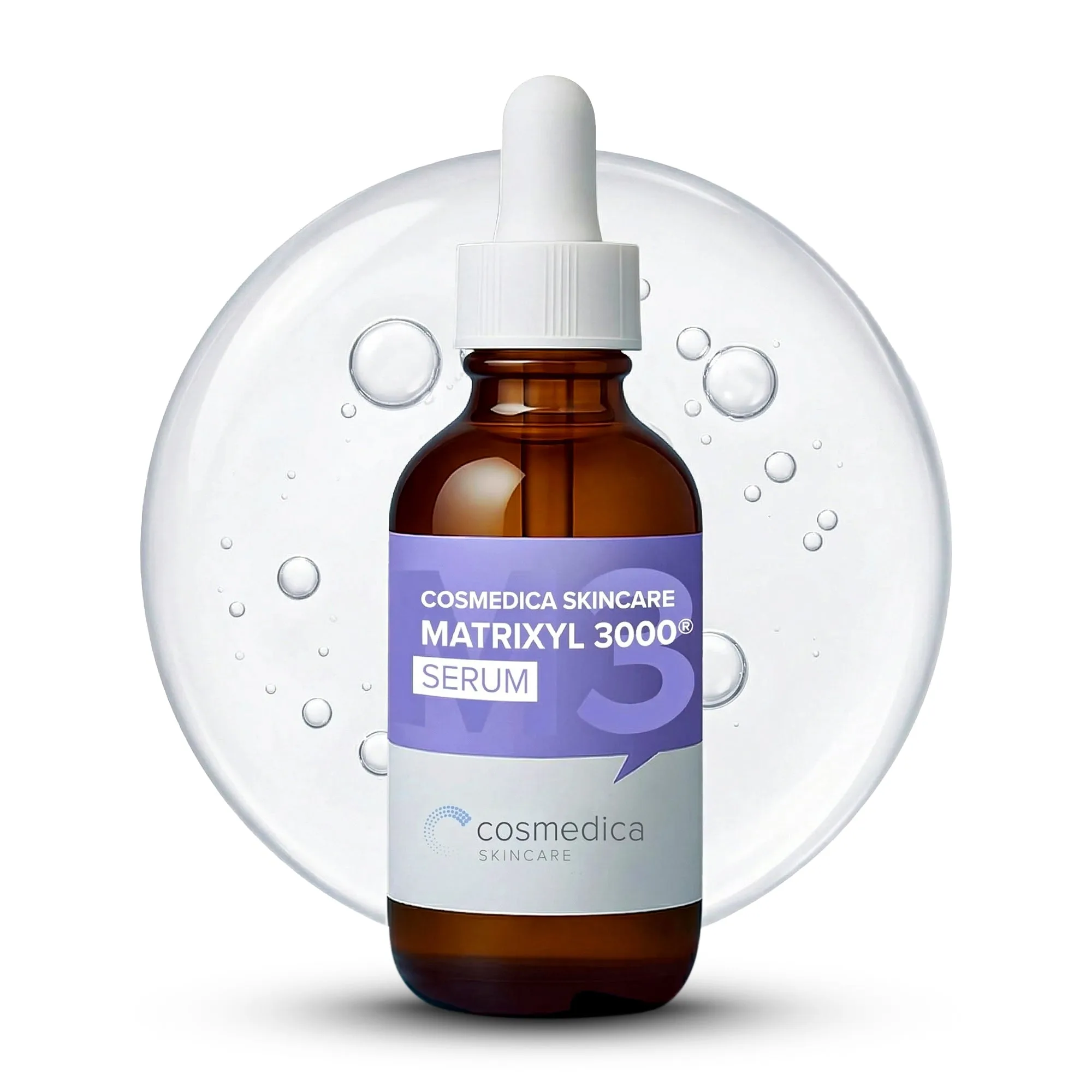
- Cosmedica Skincare Matrixyl 3000 Peptide Serum with Hyaluronic Acid | Hydrating Lightweight Face Serum for Sensitive Skin | Firming Serum with Aloe Vera Vitamin E | 2oz: Cosmedica Skincare Matrixyl 3000 Peptide Serum with hyaluronic acid is a lightweight hydrating serum for sensitive skin, formulated to boost collagen and firm skin. This is a water-based hydrating option that can go under argan oil. If you want moisture without extra oil, start here. If you still feel dry, seal it with one drop of argan oil.