Quick answer
Peeling gel polish usually comes from prep mistakes, thick layers, or incomplete curing. Fix each step to stop lifting and extend wear.
Why prep matters most
Gel polish bonds to the nail plate. If natural oils, dust, or moisture remain, the gel can't adhere properly. Many people skip gentle buffing or use a dehydrator incorrectly, leading to early peeling.
Layer thickness and curing
Applying gel polish too thickly traps uncured product underneath, which later lifts. Thin, even coats cure more reliably. Always check that your lamp's wattage matches the gel brand's requirements.
Diagnosis: find and fix your peeling problem
- Symptom: gel lifts at the free edge after 1-3 days: Likely cause: insufficient nail dehydration or oily nail plates. Corrective action: wipe nails with alcohol or a dedicated dehydrator before primer. Avoid touching the nail after cleaning.
- Symptom: gel lifts in patches near the cuticle: Likely cause: gel touched the skin or cuticle during application. Corrective action: leave a 1mm gap around the cuticle. Use a thin brush to keep product off skin. If this continues, check if your cuticle is fully pushed back. If lifting recurs, consider switching to a gel with a thicker consistency for better control.
- Symptom: gel peels off in one sheet after a few days: Likely cause: thick application or under-curing. Corrective action: apply thinner layers and cure each coat fully. Ensure your lamp's wattage is at least 36W for UV or 48W for LED. Test a small patch before full application. If the problem persists, your lamp may need replacement or your gel may not be compatible with your lamp type.
Product facts
-
Sunbeam - Gel Polish: Sunbeam is a soak-off gel polish with an anti-spread formula and extreme pigment. Its anti-spread formula helps you apply thin, even coats, reducing the risk of peeling from thick layers.
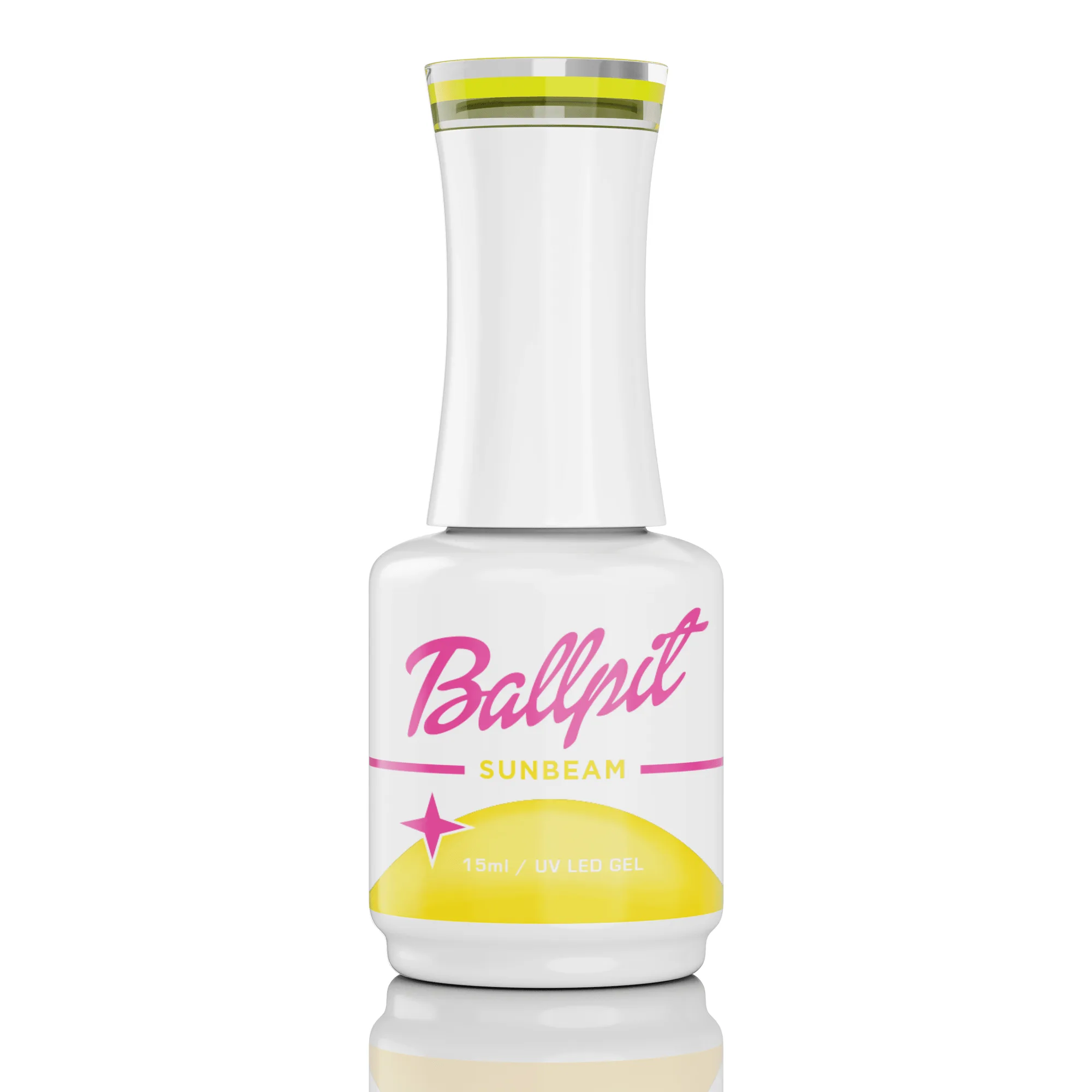
Sunbeam - Gel Polish