Quick answer
Inspect your Sandhawk 5.5" fins before every flight for cracks, delamination, or loose joints. Most damage can be fixed with epoxy and sanding, but replace the fin if the root is fractured or the through-the-wall tab is compromised.
Why the Sandhawk 5.5" fins need special attention
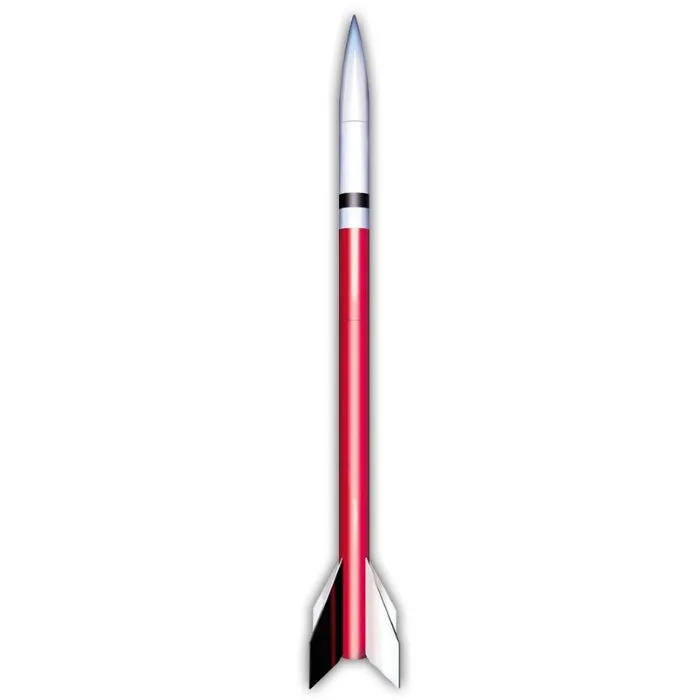
The Yank Sandhawk 5.5" is one of the tallest production kits at 9'10" and uses 3/8" laser-cut plywood fins with through-the-wall construction. That long airframe puts extra leverage on the fins during boost and landing, especially if the parachute drifts into a hard surface. The 78" rip-stop nylon parachute and tubular nylon shock cord handle descent well, but a gusty day can still swing the rocket into the ground.
The pre-slotted airframe and 1/4" centering rings make the initial build strong, but over time the fin-to-body joint is the first place stress shows. Catching a fin edge on the launch rail or a hard landing can crack the epoxy fillet or the fin itself.
Diagnosis and repair guide
- Symptom: Fin wobbles or moves when pressed: Likely cause: The epoxy fillet between the fin and the airframe has cracked or separated. This often happens after a hard landing or a side impact on the launch rail. Stop flying immediately. A loose fin can detach mid-flight.
- Corrective action: Re-bond the fin: Sand the old fillet area with 80-grit paper to remove paint and loose epoxy. Clean with isopropyl alcohol. Apply a fresh layer of slow-cure epoxy (30-minute or longer) into the joint, forming a new fillet with a popsicle stick. Let cure 24 hours before sanding smooth and repainting. Check the opposite fin for similar cracks after the repair.
- Symptom: Fin has a visible crack through the plywood, not at the joint: Likely cause: A direct impact on the fin tip or edge. The 3/8" plywood can split if the rocket lands on a rock or the fin hits the rail hard. If the crack extends into the through-the-wall tab or the root edge, replace the fin. Surface cracks shorter than 1 inch can be repaired.
- Corrective action: Repair a surface crack: Wick thin CA glue into the crack and clamp lightly. After it dries, sand the area flush and apply a layer of medium epoxy over the repair. For deeper cracks, drill a small hole at each end of the crack to stop it from spreading, then fill with epoxy. If the crack reappears after one flight, the fin is fatigued and should be replaced.
- Symptom: Fin tip is chipped or frayed: Likely cause: Abrasion from the launch rail or a rough landing surface. The tip is the thinnest part of the fin and takes the most cosmetic damage. This is usually cosmetic and does not affect flight safety if the chip is less than 1/4 inch deep.
- Corrective action: Repair a chipped tip: Sand the chipped area to a smooth shape. Mix a small batch of epoxy with microballoons to create a filler paste, and shape it to match the original profile. Sand smooth after cure and repaint. For chips deeper than 1/2 inch, consider cutting the tip back and reshaping both fins symmetrically.
Product facts
-
Yank Sandhawk 5.5": The Sandhawk 5.5" includes 3/8" laser-cut fins, 1/4" centering rings, and 1/4" bulkheads for durability. The thick fins and rings mean you have enough material to sand and re-epoxy a damaged joint without compromising strength.
Yank Sandhawk 5.5"