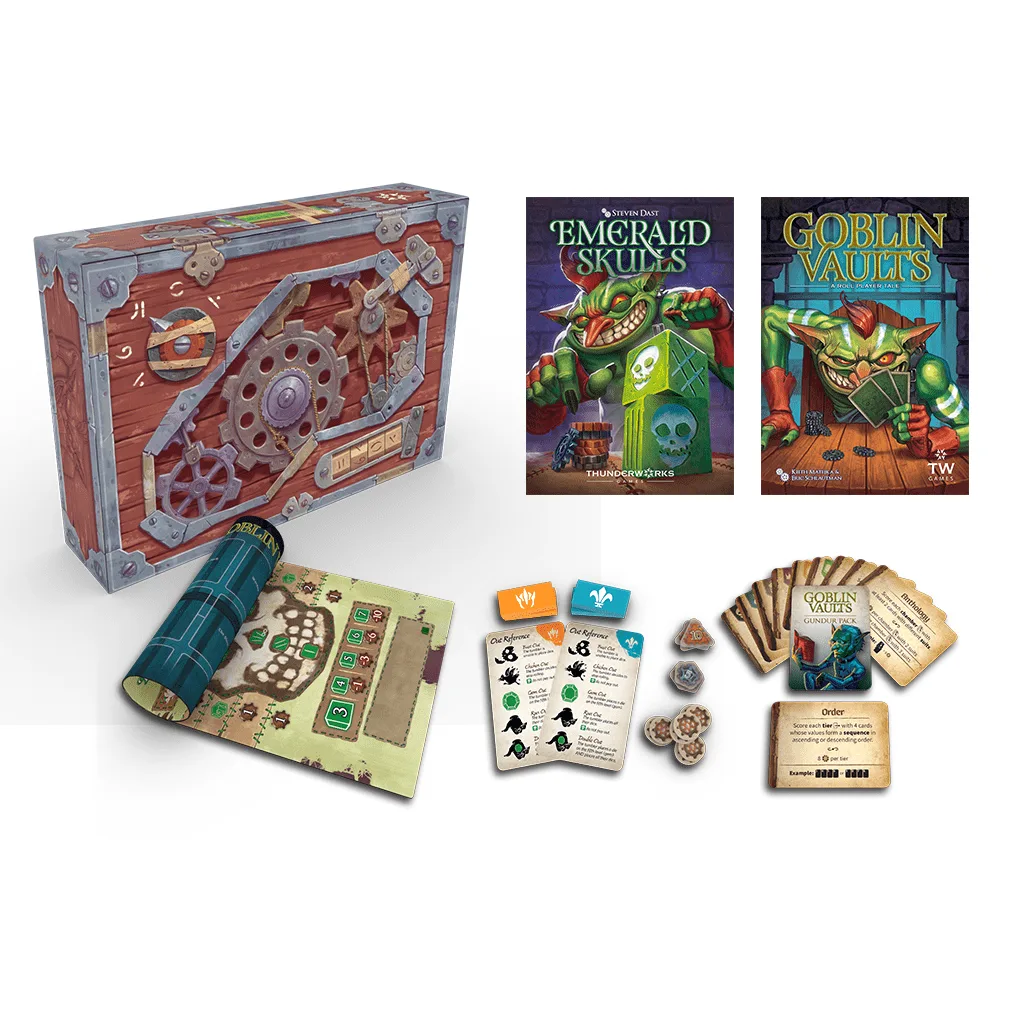
Cardistry is more than just shuffling cards—it's a visual art form that transforms a simple deck into a canvas for creativity. With roots in magic and gambling, cardistry has evolved into a global community of artists who push the boundaries of what's possible with a pack of cards. Whether you're a beginner or a seasoned enthusiast, learning to use playing cards creatively can be both meditative and exhilarating.
In this guide, we'll explore the fundamentals of cardistry, from choosing the right deck to mastering basic flourishes. We'll also share tips on how to develop your own style and where to find inspiration. By the end, you'll have the tools to start your own journey into the art of cardistry.
What is Cardistry?
Cardistry, short for card artistry, is the performance art of manipulating playing cards to create visually stunning displays. Unlike magic, which relies on secret techniques to fool the eye, cardistry focuses on the beauty of the movement itself. Flourishes, cuts, and twirls are performed in rhythm, often set to music, to create a mesmerizing spectacle.
The term 'cardistry' was coined in the early 2000s, but the practice dates back to the 19th century when magicians began incorporating fancy shuffles into their acts. Today, cardistry is a global phenomenon with its own competitions, online communities, and even dedicated card designs optimized for performance.
- Cardistry emphasizes visual appeal over deception, distinguishing it from magic.
- It's an accessible art form—you only need a deck of cards and practice.
Choosing the Right Deck for Cardistry
Not all playing cards are created equal. For cardistry, you need decks that are durable, flexible, and have a smooth finish. Standard Bicycle cards are a classic choice, but many cardists prefer specialized decks that offer better handling and unique designs. The Philtre deck is a favorite among enthusiasts for its elegant design and superior performance.
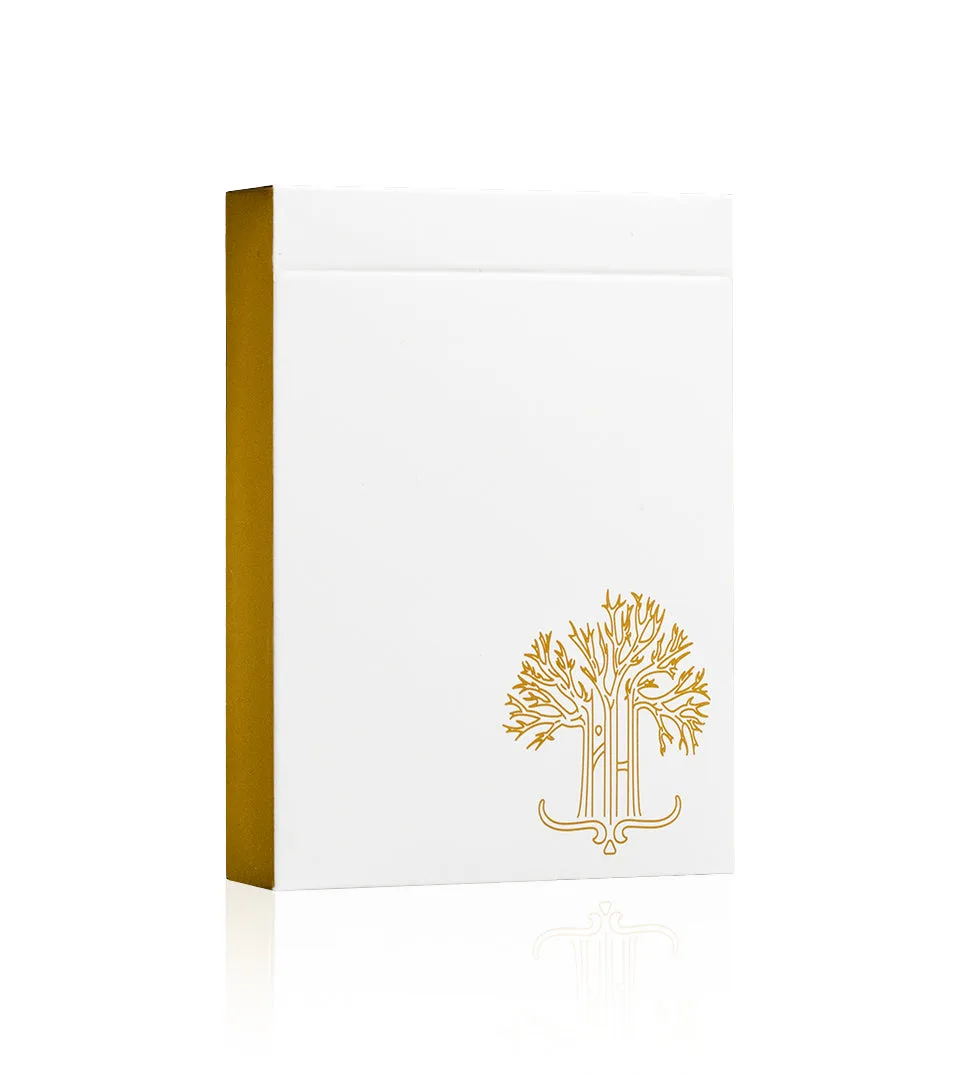
Philtre
Another excellent option is the Solidarity Navy Blue Edition, which features a striking color scheme and a finish that's perfect for fans and springs. When choosing a deck, consider the card stock, finish, and design—these factors can significantly affect your performance.

Solidarity Navy Blue Edition
- Look for decks with a durable, flexible card stock that can withstand repeated bending.
- A smooth finish (like air-cushion or premium) ensures smooth fanning and cuts.
- Choose a design that inspires you—cardistry is about expression, so pick decks that resonate with your style.
Essential Cardistry Moves for Beginners
Starting with the basics is crucial. The Charlier Cut is a classic one-handed cut that forms the foundation for many advanced moves. The Swivel Cut is another essential, involving a smooth rotation of the deck in one hand. The Spring is a crowd-pleaser that involves bending the deck and releasing cards in a rapid cascade.
Once you've mastered these, you can explore more complex flourishes like the Revolution Cut, the One-Hand Fan, and the Anaconda Dribble. Each move requires patience and practice, but the satisfaction of nailing a new flourish is unparalleled.
- Practice each move slowly at first, focusing on precision over speed.
- Use a mirror or record yourself to identify areas for improvement.
- Don't get discouraged—muscle memory takes time to build.
Developing Your Own Style
As you become more comfortable with basic moves, you'll start to develop your own style. Cardistry is an art form, so don't be afraid to experiment. Try combining different moves, adding your own twists, or even creating new flourishes. The The Grand Chinatown deck, with its vibrant design, can inspire your creativity and add a unique flair to your performances.
Watching other cardists online is a great way to learn and get inspired. Platforms like Instagram and YouTube are filled with tutorials and performances. Analyze their techniques, but always strive to make the moves your own.
- Record your practice sessions to track your progress.
- Join online communities to share your work and get feedback.
- Experiment with different music to find what matches your flow.
Caring for Your Cardistry Decks
Cardistry decks take a beating. Constant bending, fanning, and dropping can wear them out quickly. To extend the life of your decks, handle them with clean, dry hands and store them in a cool, dry place. Using a card clip can help keep your decks flat and prevent warping.
When a deck becomes too worn for performance, consider repurposing it for practice or displaying it in your collection. Many cardists rotate through multiple decks to keep them fresh. The Smoke & Mirrors V9 - Orange deck is a durable and stylish choice that can withstand heavy use.
- Avoid bending cards beyond their natural flex to prevent creases.
- Use a fanning powder to keep cards slick if they start to stick.
- Keep a dedicated practice deck so your favorite decks stay pristine.
Cardistry is a rewarding art that combines creativity, skill, and a simple deck of cards. Whether you're drawn to the visual spectacle or the meditative practice, there's always something new to learn. Start with the basics, choose a deck that inspires you, and let your imagination run wild. Ready to begin your cardistry journey? Explore our collection of premium playing cards and find the perfect deck to express your style.