Quick answer
Introduce your dog to a new dog house gradually with positive reinforcement: place the shelter in a familiar spot, add comfortable bedding, and encourage short visits with treats.
Why a gradual introduction matters
Dogs are creatures of habit, and a new outdoor shelter can feel unfamiliar or intimidating. Rushing the process may cause your pet to avoid the house entirely. By taking it slow, you build positive associations that make the dog house a welcome retreat.
Choosing the right location
Place the dog house in a spot your dog already enjoys spending time, such as near a favorite sunning area or under a shaded tree. Avoid high-traffic areas or places with strong drafts. For shelters like the Aspen Pet Petbarn 3, the extended roof rim and raised interior floor help keep the interior dry even in rainy weather.
Accessorizing for comfort
Adding familiar bedding (like a blanket that carries your scent) can make the space feel safe. If your dog house has a door opening, consider an optional door, such as the Petmate Indigo Door, to help regulate temperature and block rain. Its flexible vinyl construction provides insulation while remaining easy for your dog to push through.
Step-by-step introduction process
- Step 1: Let your dog investigate the house: Place the dog house where your pet can approach freely. Leave the door open (or remove any door flap) so your dog can sniff and explore the interior without pressure. Toss a treat or a favorite toy inside to encourage entry. Do not force your dog inside; let them enter and exit at will.
- Step 2: Create a cozy interior: Add comfortable bedding, such as a crate mat or an old blanket. Ensure the bedding stays dry; for the Aspen Pet Petbarn 3, the raised floor helps, but check after rain. If using a door like the Petmate Indigo Door, install it only after your dog is comfortable entering the shelter. Avoid thick bedding that blocks the doorway—your dog needs a clear exit path.
- Step 3: Use positive reinforcement: Feed meals or offer high-value treats near and eventually inside the dog house. Praise your dog when they go inside voluntarily. Gradually increase the time the door is closed (if you have a door) until your dog stays relaxed inside. Never use the dog house as punishment—that creates negative associations.
- Step 4: Practice short stays: Start with the door closed for just a minute while you are nearby. Slowly extend the duration over several days. Eventually, leave your dog inside for short periods while you are out of sight (e.g., inside the house). If your dog whines or scratches, shorten the time and return to step 3.
- Step 5: Transition to unsupervised use: Once your dog willingly enters and rests inside with the door closed, leave them alone for longer stretches. Check that the house stays dry and clean. Over time, your dog will treat the shelter as a safe den. Monitor the first few unsupervised sessions from a window to ensure no anxiety.
Products that help
-
Aspen Pet Petbarn 3 Dog House: The Aspen Pet Petbarn 3 has an extended roof rim over the door to divert rain and a raised interior floor for dryness. These features keep the sleeping area dry and comfortable, reducing hesitation from a wet interior.
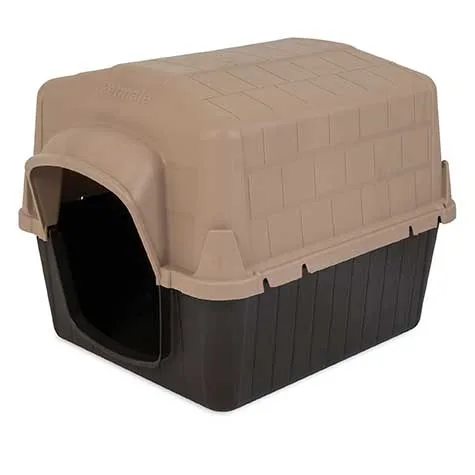
Aspen Pet Petbarn 3 Dog House
-
Petmate Indigo Door: The Petmate Indigo Door is made of heavy-duty, flexible vinyl that insulates the shelter. Adding this door helps maintain warmth and blocks rain, making the house more inviting during cooler weather.
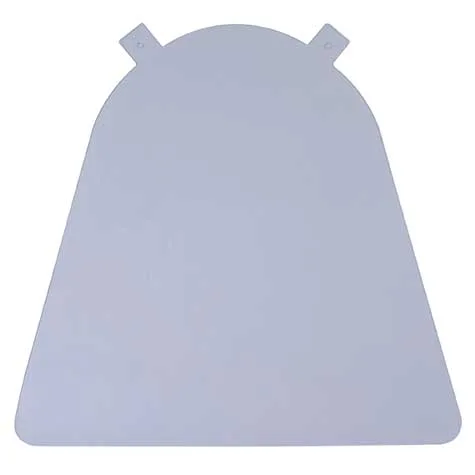
Petmate Indigo Door