Quick answer
To fit a preschool sports safety helmet correctly, measure the child's head circumference, adjust the sizing pads for a snug fit, and set the chin strap so it is tight enough that only one finger fits between the strap and the child's chin.
Why a proper fit matters more than you think
A helmet that is too loose can shift during a fall, leaving the forehead or sides exposed. A helmet that is too tight can cause discomfort and make the child resist wearing it. The goal is a fit that is secure enough to stay in place during active play but comfortable enough for the child to keep on.
Preschoolers' heads grow quickly, so check the fit every few months. A helmet that fit perfectly in spring may be too small by fall.
What to look for in a preschool helmet
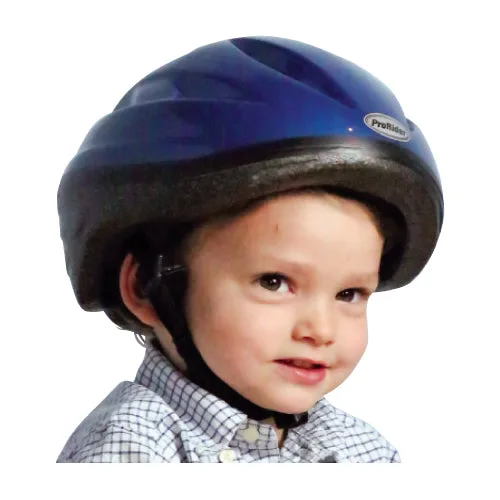
Look for a lightweight model that meets US CPSC Helmet Standards, like the Preschool Sports Safety Helmet. Multiple vents help keep the child cool during active play, and removable sizing pads allow you to customize the fit as the child grows.
Avoid helmets that are marketed for older children or adults—they will be too heavy and the fit adjustments may not work for a small head.
Step-by-step fitting guide
- Measure head circumference: Use a soft measuring tape just above the eyebrows and around the largest part of the head. Write down the measurement in centimeters or inches. Common mistake: measuring too loosely. The tape should lie flat and snug against the skin.
- Choose the right size and adjust the pads: Select a helmet that matches the head measurement. Insert or remove the included sizing pads so the helmet fits snugly without pressure points. The helmet should not rock side to side or front to back. Checkpoint: after adjusting, shake your head gently—the helmet should stay in place.
- Position the helmet correctly: Place the helmet level on the child's head. The front edge should sit about one to two finger-widths above the eyebrows. The straps should form a V shape just below the ears. Common mistake: tilting the helmet backward, which exposes the forehead.
- Adjust the chin strap: Fasten the quick-release buckle and tighten the strap until it is snug. You should be able to fit only one finger between the strap and the child's chin. The strap must not be loose enough to pull away from the chin. Checkpoint: ask the child to open their mouth wide—the helmet should pull down slightly. If it does not, the strap is too tight.
- Test the fit: Have the child shake their head, nod, and look around. The helmet should stay in place without shifting. If it moves, repeat the sizing pad and strap adjustments. Final check: the helmet should not be able to be pulled off the child's head when the strap is fastened.
Product facts
-
Preschool Sports Safety Helmet: This lightweight preschool helmet meets or exceeds US CPSC Helmet Standards and features multiple vents and sizing pads. The sizing pads let you adjust the fit for a snug, comfortable feel, and the vents help prevent overheating during active outdoor play.
Preschool Sports Safety Helmet