Quick Answer
Collaboration cards are a simple yet powerful tool for team building. By prompting structured conversations, they help colleagues understand each other better, improve communication, and foster a more harmonious workplace. Use them in regular team meetings or dedicated sessions to unlock deeper connections.
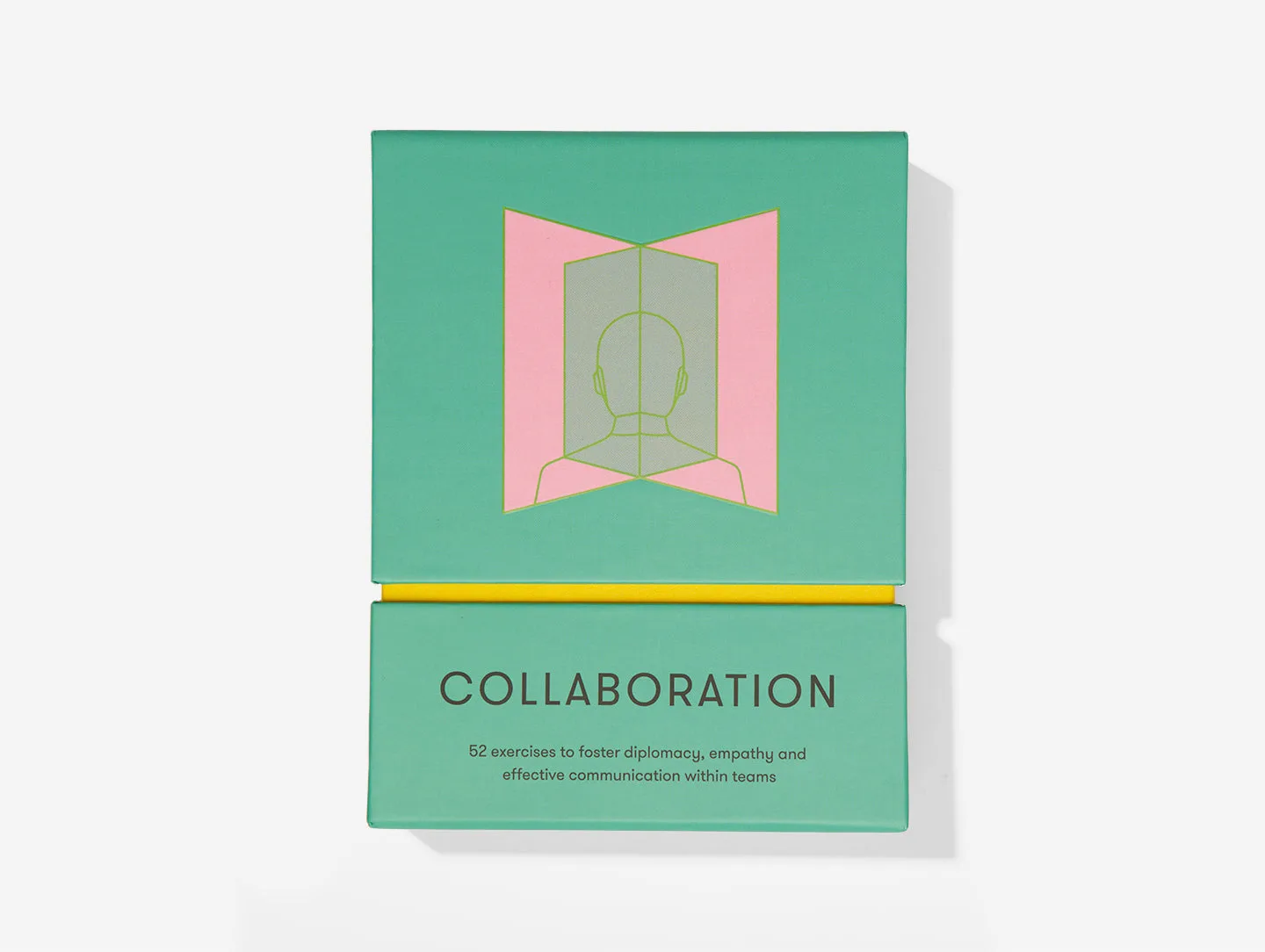
Collaboration cards
Effective teamwork depends on more than just shared goals; it requires genuine understanding and open communication. Yet, in the busy flow of work, we rarely make time for the conversations that truly build trust. That's where collaboration cards come in—they provide a gentle structure to help teams talk about what matters.
Whether you're a team leader, HR professional, or simply a colleague who wants to improve working relationships, this guide will walk you through using collaboration cards for effective team building. We'll cover everything from setting the right atmosphere to turning insights into action.
relationships
Why Use Collaboration Cards?
Collaboration cards are designed to bypass the small talk and get to the heart of what makes teams work. They ask questions that encourage reflection and vulnerability, which are essential for building psychological safety. By sharing personal perspectives, team members discover common ground and learn to appreciate their differences.
In a work environment, this translates to better problem-solving, fewer misunderstandings, and increased empathy. Cards like the 'https://theschooloflifeiu.com/products/know-yourself-prompt-cards-0423035d7b236c6a9749abcd-880615Know Yourself' prompt cards help individuals understand their own motivations, which in turn makes them more effective communicators. When we know ourselves, we can better articulate our needs and listen to others.
- Use cards to break the ice at the start of a meeting or retreat.
- Pair cards with a team check-in to encourage honest sharing.
Setting the Right Atmosphere
For collaboration cards to work, participants need to feel safe and heard. Choose a neutral, comfortable space where everyone can sit in a circle. Establish ground rules: what's shared in the room stays in the room, and everyone has the right to pass. Emphasize that there are no wrong answers—the goal is understanding, not agreement.
As a facilitator, model openness by answering the first question yourself. Keep the tone light and non-judgmental. If someone shares something vulnerable, thank them for their honesty. This sets the precedent that the team values authenticity over perfection.
- Set a time limit for each round to keep the pace lively.
- Encourage everyone to speak, but never force participation.
Choosing the Right Questions
The power of collaboration cards lies in the questions they ask. Look for cards that prompt reflection on work style, values, and emotions. For example, 'How to Get On With Your Colleagues' is a book that offers insights into workplace psychology, which can complement card sessions by providing a shared vocabulary for discussing collaboration.
Avoid questions that are too personal or unrelated to work. Instead, focus on topics like 'What motivates you?' or 'How do you prefer to receive feedback?' These questions open doors to practical insights that can improve daily teamwork. You can also create your own cards tailored to your team's specific challenges.
- Mix fun questions with deeper ones to maintain engagement.
- Use a card like 'What Are You Feeling?' to help team members articulate their emotional state.
Structuring the Session
A typical session lasts 45–60 minutes. Start with a brief introduction, then divide the team into small groups of 3–4 people. Each group draws a card and takes turns answering. After 15 minutes, rotate groups or cards to maximize interaction. Close with a group debrief where each person shares one key takeaway.
If you're using cards like 'Resilience Cards', you can focus on building emotional strength. These cards remind us that we are more capable than we think, which is a powerful message for teams facing challenges. Use them to spark conversations about overcoming obstacles and supporting each other through tough times.
- Keep groups small to ensure everyone has time to speak.
- Have a notetaker capture insights for future reference.
Turning Insights into Action
The real value of collaboration cards emerges when you act on what you learn. After the session, summarize the key themes and share them with the team. Identify one or two concrete changes you can implement, such as adjusting meeting formats or improving feedback processes. Follow up in the next team meeting to see how these changes are working.
Make collaboration cards a regular part of your team's routine—not just a one-off activity. Weekly or monthly sessions can help sustain the benefits. Over time, you'll notice improved communication, reduced conflict, and a more cohesive team culture.
- Create an action plan with clear owner and deadline.
- Schedule a follow-up session to review progress.
How to Run a Collaboration Card Session: Step-by-Step
- Choose the right cards: Select cards that align with your team's goals. For general team building, 'Know Yourself' works well. For resilience, use 'Resilience Cards'. Ensure the questions are appropriate for your group. Check: Do the cards cover topics your team is comfortable discussing?
- Set the ground rules: Explain the purpose and establish confidentiality. Everyone has the right to pass. Emphasize listening without judgment. Check: Does everyone feel safe to share?
- Facilitate the conversation: Start with a simple icebreaker question. Then let each person draw a card and answer. Keep the pace steady and ensure everyone gets a turn. Check: Is the conversation balanced? Are quieter voices being heard?
- Debrief and capture insights: After the session, gather key takeaways. Ask: What surprised you? What will you do differently? Record these insights. Check: Have you captured actionable insights?
- Follow up and maintain momentum: Share a summary with the team and implement one change. Schedule the next session to keep the momentum going. Check: Have you turned insights into action?
Products That Can Help
- Know Yourself: 60 cards designed to help lead you through the important task of knowing yourself a little better in life Self-awareness is the foundation of good communication. These cards help team members understand their own triggers and preferences, making it easier to express needs and collaborate effectively.
- Resilience Cards: A set of cards designed to gently remind us that we are far stronger than we imagine Workplace challenges can be daunting. These cards help teams build emotional resilience and foster a culture of mutual support.
- How to Get On With Your Colleagues: A guide to better collaboration, compressing The School of Life's learning into lessons on workplace psychology This book provides a shared framework for understanding workplace dynamics, making it a great companion to card sessions for deeper discussion.
Collaboration cards are more than just conversation starters—they are tools for building a more connected, empathetic, and effective team. By integrating them into your team building activities, you can improve communication and create a workplace where everyone feels valued. Start with a simple session and watch the conversations transform your team.