Shuffling is an essential part of any card game, but it can also be the most damaging. Over time, improper shuffling can lead to bent corners, creased edges, and worn surfaces, shortening the lifespan of your favorite deck. Whether you're a bridge enthusiast or a poker night regular, learning how to shuffle without damaging cards is key to preserving your investment.
In this guide, we'll share expert tips and techniques to help you avoid card damage during shuffling. From choosing the right shuffling method to using accessories that protect your cards, you'll discover practical ways to keep your deck in top condition for years to come.
Why Shuffling Damages Cards
Shuffling puts stress on playing cards in several ways. The most common issue is bending: when you riffle or bridge the cards, the flex can cause permanent creases, especially if the cards are thin or low-quality. Overhand shuffling, while gentler, can cause edge wear as cards slide against each other. Additionally, the friction from shuffling can wear down the coating on plastic cards, making them sticky or hard to handle.
Another factor is the surface you shuffle on. Hard surfaces like wood or glass can cause cards to slide too much, increasing friction and wear. Even the oils and dirt from your hands can transfer onto the cards, attracting grime that accelerates damage. Understanding these risks is the first step in learning how to protect your deck.
- Bending and creasing from riffle shuffles
- Edge wear from overhand shuffles
- Friction wearing down card coating
- Hard surfaces increasing slide and friction
Master the Gentle Riffle Shuffle
The riffle shuffle is a favorite among card players, but it's also the most likely to bend cards if done too aggressively. To avoid card damage, start by splitting the deck into two halves. Hold each half with your thumbs on the top and fingers on the bottom, then gently bend the cards upward slightly. Release the cards so they interlace, but avoid bending them too far—just enough to let them fall together.
Practice makes perfect. The key is to use a light touch and let the cards fall naturally rather than forcing them. If you're new to riffle shuffling, practice with an old deck first. Once you're comfortable, you'll be able to shuffle without damaging your cards, even with premium plastic decks like the Kem Arrow Bridge Black/Gold Jumbo Index 2 Deck Set, which are designed to withstand regular play but still benefit from gentle handling.
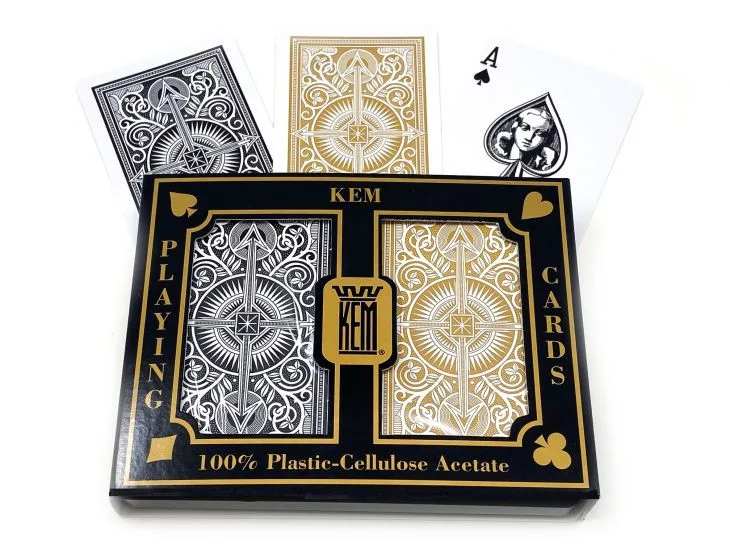
Kem Arrow Bridge Black/Gold Jumbo Index 2 Deck Set
- Bend cards only slightly, not too far
- Let cards fall naturally instead of forcing
- Practice with an old deck to perfect your technique
Use a Card Shuffler for Consistency
If you want to eliminate the risk of bending altogether, consider using a card shuffler. Manual shufflers, like the Piatnik Manual Crank Card Shuffler, provide a consistent shuffle without putting stress on your cards. They're especially useful for players with arthritis or those who struggle with manual shuffling techniques.
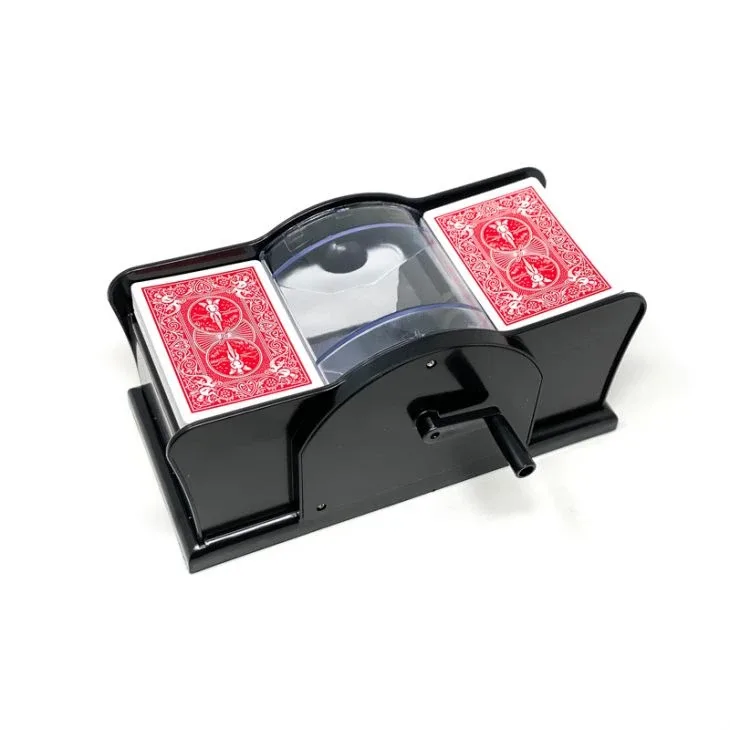
Piatnik Manual Crank Card Shuffler
When using a shuffler, make sure your cards are clean and dry before inserting them. Avoid overloading the shuffler, as this can cause jams and damage. Also, choose a shuffler that is compatible with your card size—standard bridge or poker size. A good shuffler can be a worthwhile investment for serious players who want to preserve their decks.
- Choose a shuffler compatible with your card size
- Keep cards clean and dry before shuffling
- Don't overload the shuffler to prevent jams
Protect Cards with Accessories
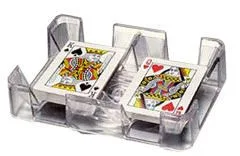
Beyond shuffling technique, using the right accessories can significantly reduce card wear. A card tray, for instance, keeps your cards organized and prevents them from sliding around on the table. The Card Tray: Plastic, Clear is a simple yet effective way to hold cards during play, minimizing unnecessary handling.
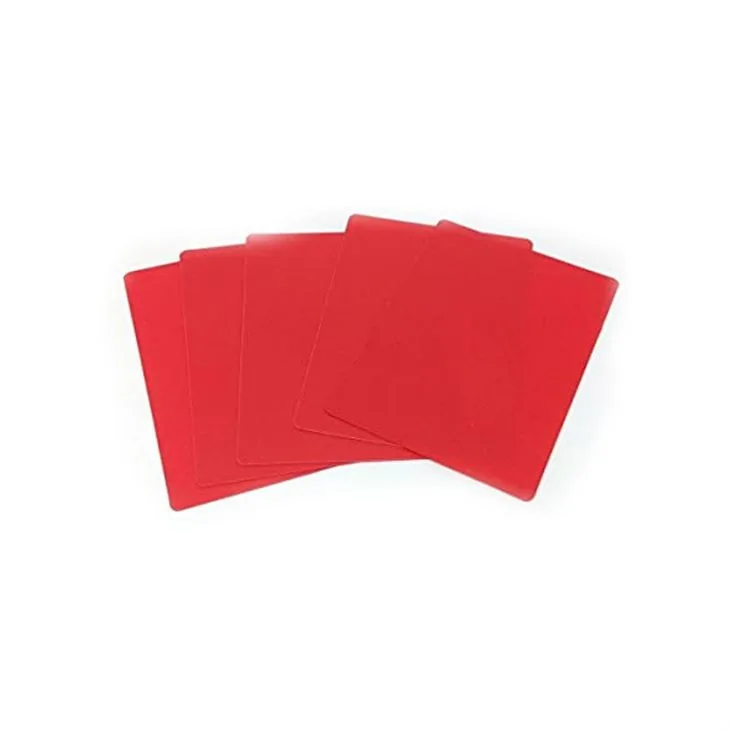
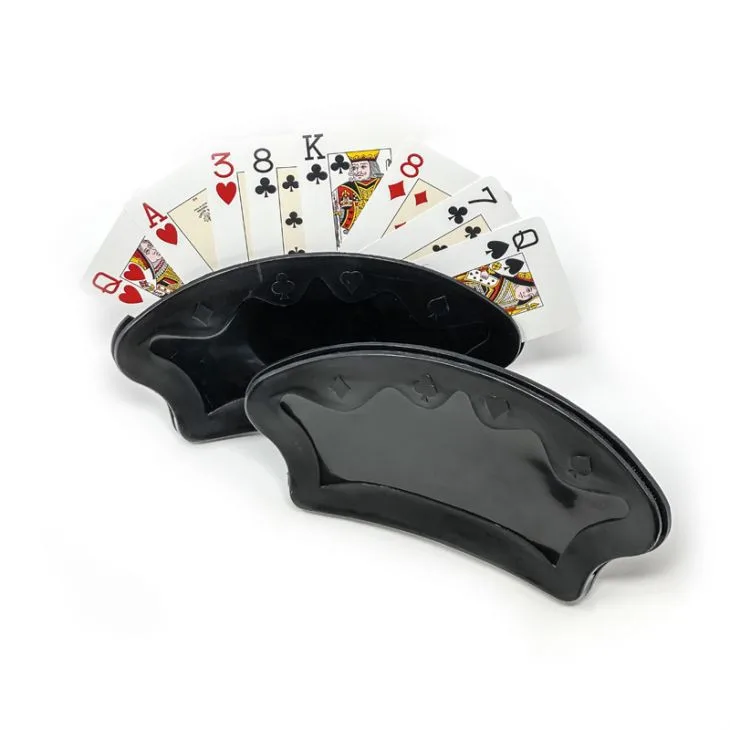
Card holders are another great option, especially for games that require you to hold many cards. The Card Holders: Handy Plastic Card Holders, Black, Set of 2 allow you to keep your cards off the table and reduce the risk of bending. Additionally, using cut cards can protect the bottom card of the deck from wear and tear. Consider the Cut Cards: Wide Size, Red (Set of 4) to add an extra layer of protection.
- Use a card tray to keep cards organized
- Card holders prevent bending while holding cards
- Cut cards protect the bottom card from wear
Develop Good Shuffling Habits
Finally, cultivating good habits can go a long way in preventing card damage. Always shuffle on a clean, smooth surface with a soft cloth or mat to reduce friction. Wash your hands before handling cards to avoid transferring oils and dirt. And when you're not playing, store your cards in a protective case or box to keep them safe from dust and moisture.
Rotate your decks regularly if you play often. This gives each deck time to rest and recover from the stress of shuffling. By incorporating these habits into your routine, you'll extend the life of your cards and keep them looking and feeling like new.
- Shuffle on a clean, smooth surface with a cloth mat
- Wash hands before handling cards
- Store cards in a protective case when not in use
- Rotate decks to reduce wear
Protecting your playing cards from damage during shuffling is all about technique, tools, and habits. By mastering a gentle riffle shuffle, using a card shuffler when needed, and leveraging accessories like card trays and holders, you can keep your deck in pristine condition. Remember to handle your cards with care and store them properly. For a deck that's built to last, check out the Kem Arrow Bridge Black/Gold Jumbo Index 2 Deck Set and enjoy worry-free shuffling for years to come.