Quick Answer
Choose Azurite when your goal is mental clarity, inner vision, or focused insight—the Azurite Specimen is a raw, display-ready cluster that works well on a desk or altar. Choose dioptase when your goal is emotional release and heart-centered healing—the Dioptase Pendant Necklace keeps that energy against your skin all day. If you can, use both: Azurite for the mind, dioptase for the heart. They share a copper base but work on different layers.
Why These Two Blue Copper Crystals Get Compared
Azurite and dioptase are both copper minerals prized for intense blue color, which is why they are often grouped as blue copper crystals. The resemblance ends at the surface. Azurite typically forms as raw clusters or nodules and is usually kept as a specimen—something you place on a shelf, hold during meditation, or set near your workspace. Dioptase is a rarer copper cyclosilicate that appears in small, brilliant emerald-to-teal-blue crystals; because the crystals are small, they are frequently set in jewelry rather than displayed as large pieces.
That structural difference matters for how you actually use them. A raw Azurite cluster invites stillness: you look at it, hold it, or rest it in a grid. A dioptase pendant lives on your body, so its energy travels with you through meetings, commutes, and difficult conversations. If you are deciding between the two, start with how you want the stone to show up in your day—on a surface or on your skin.
Azurite Crystal Properties: Mind, Vision, and Focus
Azurite has long been regarded as a priestess's stone for intuitive insight. In the supplied catalog facts, the Azurite Specimen is described as a natural antenna for the 963Hz frequency—a tone associated with activating the pineal gland, enhancing inner vision, and aligning your mind with higher wisdom. The same description notes that each cluster supports mental clarity. This is a stone people reach for when they want to think more clearly, not feel more softly.
The practical trade-off is form. Raw Azurite clusters are beautiful but fragile in the sense that they are meant to stay in one place; they are not designed to be worn or carried loose in a pocket. If you want Azurite's mental focus during a workday, place it on your desk rather than expecting it to travel with you. The Azurite Specimen is a display and meditation piece first.
Dioptase Stone Benefits: Heart Healing and Emotional Release
Dioptase is described in the supplied catalog facts as the heart's most powerful ally and the stone of the compassionate heart. Where other heart stones soothe, dioptase transforms—it works at the deepest emotional layers, dissolving old grief, healing the places you've stopped tending to, and clearing the residue of relationships and experiences that still live in your chest. That is a more active, sometimes more intense, form of heart work than simple comfort.
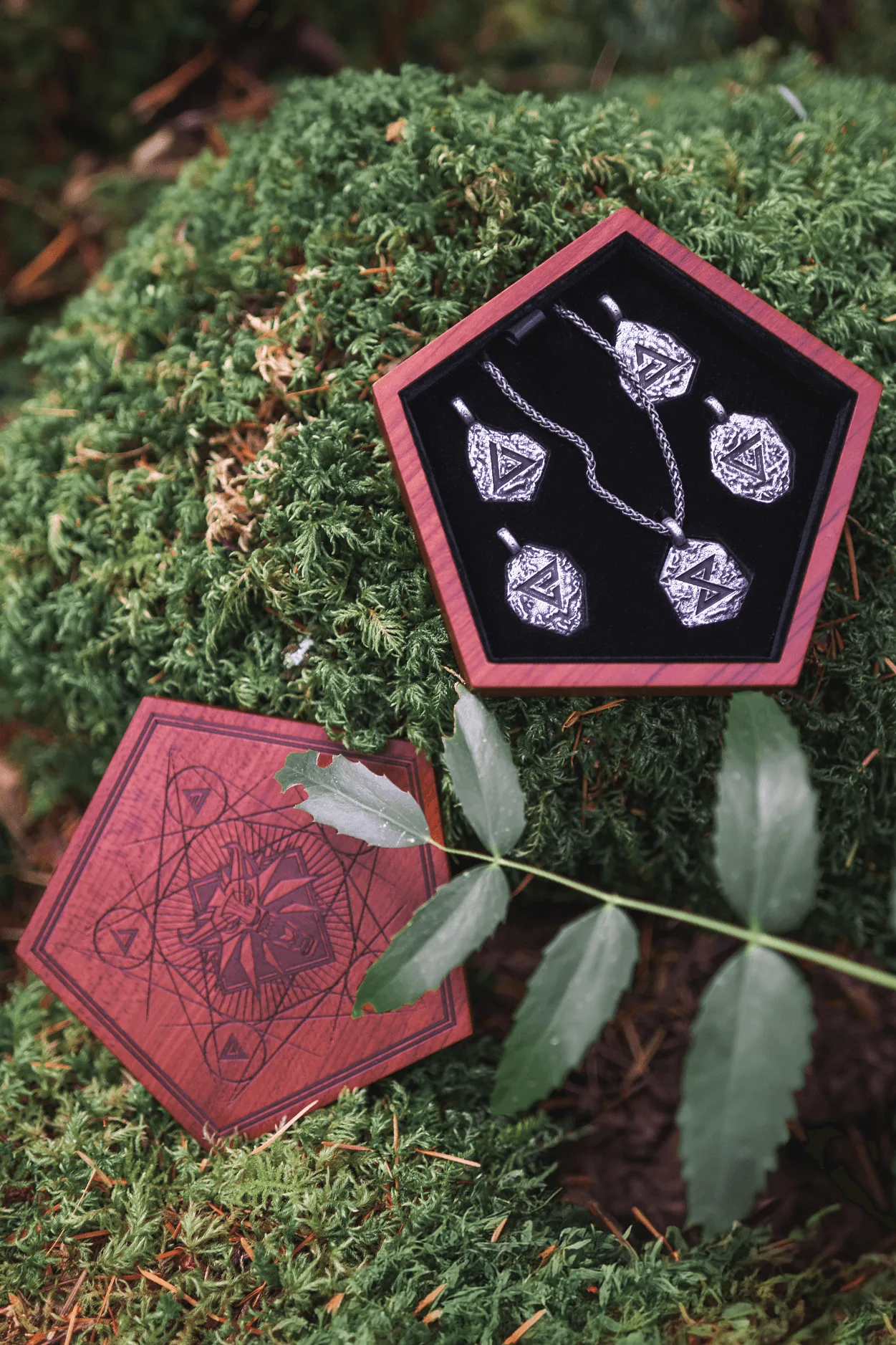
Because the Dioptase Pendant Necklace is worn, it fits a different rhythm than a specimen. You can put it on before a conversation you have been avoiding, or wear it through a season of grief work. The catalog facts do not claim dioptase is gentle; they describe it as transformative and ask you to be more open rather than smaller or stronger. If you want a heart stone that quietly calms, this may not be the one. If you want one that moves something, it is.
How to Choose Between the Azurite Specimen and the Dioptase Pendant Necklace
Match the stone to the layer you are working on. For mental clarity, decision-making, study, or meditation on insight, the Azurite Specimen is the more direct fit because its raw cluster form supports stillness and focus. For grief, relationship residue, or opening the heart, the Dioptase Pendant Necklace is the more direct fit because it is wearable and stays close to the chest.
Consider your tolerance for intensity. The supplied facts frame Azurite around clarity and higher wisdom, and dioptase around dissolving old grief and transformation. Clarity work tends to feel like sharpening; heart work tends to feel like releasing. Neither is better—they are different jobs. If you are new to either mineral, start with one and give it a few weeks of consistent use before adding the other.
- Choose Azurite if your intention is focus, insight, or mental clarity.
- Choose dioptase if your intention is heart healing, grief release, or emotional opening.
- Choose both if you want a mind-and-heart pairing and are comfortable working on two layers at once.
Practical Care and Use Notes
Raw Azurite clusters are display pieces. Keep the Azurite Specimen on a stable surface away from frequent handling and moisture, and use it during seated meditation or focused work rather than carrying it loose. Copper-based minerals can be sensitive to harsh chemicals, so clean gently and avoid soaking.
A dioptase pendant is worn, so treat it like fine jewelry: put it on after lotions and perfumes have dried, and store it separately to avoid scratches. The catalog facts do not specify chain length, metal type, or clasp style for the Dioptase Pendant Necklace, so check the product page for those details before buying if fit or material matters to you. Neither stone is described as water-safe in the supplied facts, so keep both dry.
Trade-Offs: Azurite vs Dioptase
- Azurite: focus versus fragility: Azurite gives you mental clarity and inner vision in a raw, display-worthy cluster, but it is not built to be worn or carried loose. You gain a strong meditation and workspace stone; you give up portability. Best if your practice happens in one place.
- Dioptase: heart depth versus intensity: Dioptase offers deep heart healing and emotional release in a wearable pendant, but the supplied facts describe it as transformative rather than soothing. You gain daily, on-body support; you give up the gentler comfort some heart stones provide. Best if you are ready to work on what is stored in the chest.
- Cost and rarity: Both are copper minerals, but dioptase is the rarer jewelry-form material, which is reflected in its catalog price compared with the Azurite Specimen. Azurite gives you more visual mass for less; dioptase gives you rarity in a smaller, wearable form. Decide whether you are buying presence or portability.
Product Facts at a Glance
- Azurite Specimen: Raw and powerful, these deep-blue Azurite clusters are natural antennas for the 963Hz frequency—a tone known for activating the pineal gland, enhancing inner vision, and aligning your mind with higher wisdom. This frames Azurite as a mental-clarity and insight stone, which is why it suits desk, altar, and meditation use rather than daily wear.
- Dioptase Pendant Necklace: Dioptase is the heart's most powerful ally and the stone of the compassionate heart; it works at the deepest emotional layers, dissolving old grief and clearing the residue of relationships and experiences that still live in your chest. This positions dioptase as an active heart-healing stone, so a pendant that stays against the chest matches its intended use better than a shelf piece.
- Black Tourmaline: Raw Black Tourmaline crystals are small enough to place in your purse or pocket so that you're shielded from negative vibes wherever you go. If you want a carryable companion alongside either blue copper crystal, this is the pocket-sized option; Azurite clusters and dioptase pendants serve different carry needs.
Who Each Stone Is For
Best for
- Anyone working on mental clarity, insight, or focused meditation who wants a raw specimen for a desk or altar
- Anyone drawn to the 963Hz frequency and pineal-gland-focused crystal work
- Anyone processing grief, relationship residue, or heart opening who wants a pendant to wear daily
- Collectors of rare blue crystals who want both a display piece and a wearable
Not for
- Anyone who wants a single stone to carry in a pocket all day—choose a pocket-sized raw stone like Black Tourmaline instead
- Anyone looking for a gentle, soothing heart stone rather than a transformative one
- Anyone who needs chain length, metal, or clasp details confirmed before purchase—check the product page first