Quick answer
Start offering a sippy or straw cup around 6 months, once your baby can sit with support and shows interest in taking sips. Make the full switch away from the bottle by 12 to 18 months, and move toward an open cup by age 2. If your child is still using a bottle past 18 months, replace one bottle feed at a time with a cup rather than quitting cold turkey.
When to switch from bottle to sippy cup: the age windows that matter
The bottle-to-cup transition is less about a single birthday and more about two overlapping windows. The first is readiness: most babies can start practicing with a cup between 6 and 9 months, when they can sit upright with support and bring objects to their mouth. The second is the practical deadline: pediatric guidance generally supports weaning off the bottle by 12 to 18 months, because prolonged bottle use is linked to tooth decay and can make the switch harder later.
A baby bottle to sippy cup move does not have to be all-or-nothing. A common approach is to keep the morning and bedtime bottles while introducing a cup at one daytime feed, then rotate which feed gets the cup every few days. This gives your child repeated low-pressure practice without disrupting sleep or nutrition.
- 6–9 months: offer a cup with a small amount of water or milk at meals; expect spills and play.
- 9–12 months: replace one daytime bottle with a cup; keep bedtime routine if it is working.
- 12–18 months: aim to retire the bottle entirely; if your child resists, drop the midday bottle first.
- 18 months–2 years: shift from a valve sippy to a straw or open cup to build mature drinking skills.
Sippy cup vs straw cup: choose by skill, not by age alone
A sippy cup with a spout and valve is easier for beginners because it delivers liquid with minimal suction and less spillage. That makes it a useful bridge from bottle to cup, especially for a child who is used to a bottle's fast flow. The trade-off is that a hard spout does not train the mouth muscles the same way a straw or open cup does, so many parents use a sippy cup for a few months and then move on.
A straw cup requires more coordination: your child has to seal their lips and create suction. That is exactly why it is a good next step. Straw cups also tend to be more useful long-term because they work with a wider range of drinks and are often easier to clean than a valve sippy. If your child has never used a straw, start with a soft straw cup and squeeze a little liquid into the straw so they get an immediate reward.
- Choose a sippy cup first if your child is under 12 months and still takes most calories from bottles.
- Choose a straw cup if your child is 12 months or older and already drinks well from a spout.
- Choose an open cup for practice meals once your child can hold a cup with two hands, usually around 18–24 months.
What to look for in a toddler cup: valves, parts, and cleaning
The best cups for toddlers are the ones you will actually keep clean and pack. Fewer parts means fewer places for milk residue to hide, and a cup that comes apart easily is more likely to be washed thoroughly. A one-piece nipple or valve design, for example, removes the small internal pieces that get lost or stay damp. Look for cups that are free of BPA, phthalates, lead, PVC, and similar materials if that matters to you, and check whether the cup is dishwasher-safe before you buy.
Flow rate is the other practical variable. A fast-flow spout can overwhelm a beginner, while a very slow valve can frustrate a child who is used to a bottle. If your child coughs or pushes the cup away, try a slower flow or a different cup rather than forcing it. For straw cups, a removable mesh filter can keep ice or fruit pieces from blocking the spout, which is a small feature that makes a daily difference.
- Fewer parts: easier to clean and less likely to leak because a piece is missing.
- Material: check for BPA-, phthalate-, and lead-free claims if you want to avoid those chemicals.
- Flow: start slow for beginners, then move to a straw or open cup as skills improve.
How to introduce the cup without a power struggle
Timing matters more than technique. Offer the cup when your child is calm and slightly hungry, not when they are overtired or already full. Put a small amount of liquid in the cup, demonstrate a sip yourself, and then hand it over. If they throw it, wait a few minutes and try again later. The goal in the first weeks is familiarity, not volume.
If your child is strongly attached to the bottle, change one variable at a time. Swap the bottle for a cup at the same time and in the same chair, so the routine stays familiar. Keep the bedtime bottle longest if it is part of your wind-down, and drop it last. For children who use a bottle for comfort rather than hunger, a straw cup with a soft spout can be a gentler substitute than a hard sippy.
- Offer the cup at meals first, when your child already expects to sit and eat.
- Replace one bottle feed every 3–5 days rather than all at once.
- Keep the bedtime bottle until daytime cups are established, then phase it out.
Decision rules: which cup to choose and when to move on
- Under 9 months, still on bottles for most feeds: Start with a soft-spout sippy cup with a slow valve. Offer it at meals with water or a small amount of milk. Do not expect it to replace a bottle yet. Goal: familiarity, not volume.
- 9–12 months, taking some meals and snacks: Replace one daytime bottle with a sippy cup. If your child manages it easily within a week, try a straw cup at a second meal. Drop the midday bottle first; keep morning and bedtime longest.
- 12–18 months, still using a bottle more than twice a day: Move to a straw cup for daytime drinks and set a firm date to retire the bottle. If your child refuses, change the cup rather than the routine. A different cup is often easier than a different schedule.
- 18 months–2 years, using a sippy cup well: Introduce an open cup at meals and keep a straw cup for travel. Use a sippy cup only when you need spill control, such as in the car. Open cup practice is messy but builds the skill that lasts.
- Choosing between a sippy cup and a straw cup for a toddler: Pick a sippy cup if your child needs spill control or is still learning to seal their lips. Pick a straw cup if they already drink from a spout and you want a cup that will still be useful at age 3. Sippy is a bridge; straw is a destination.
Product facts that matter for the transition
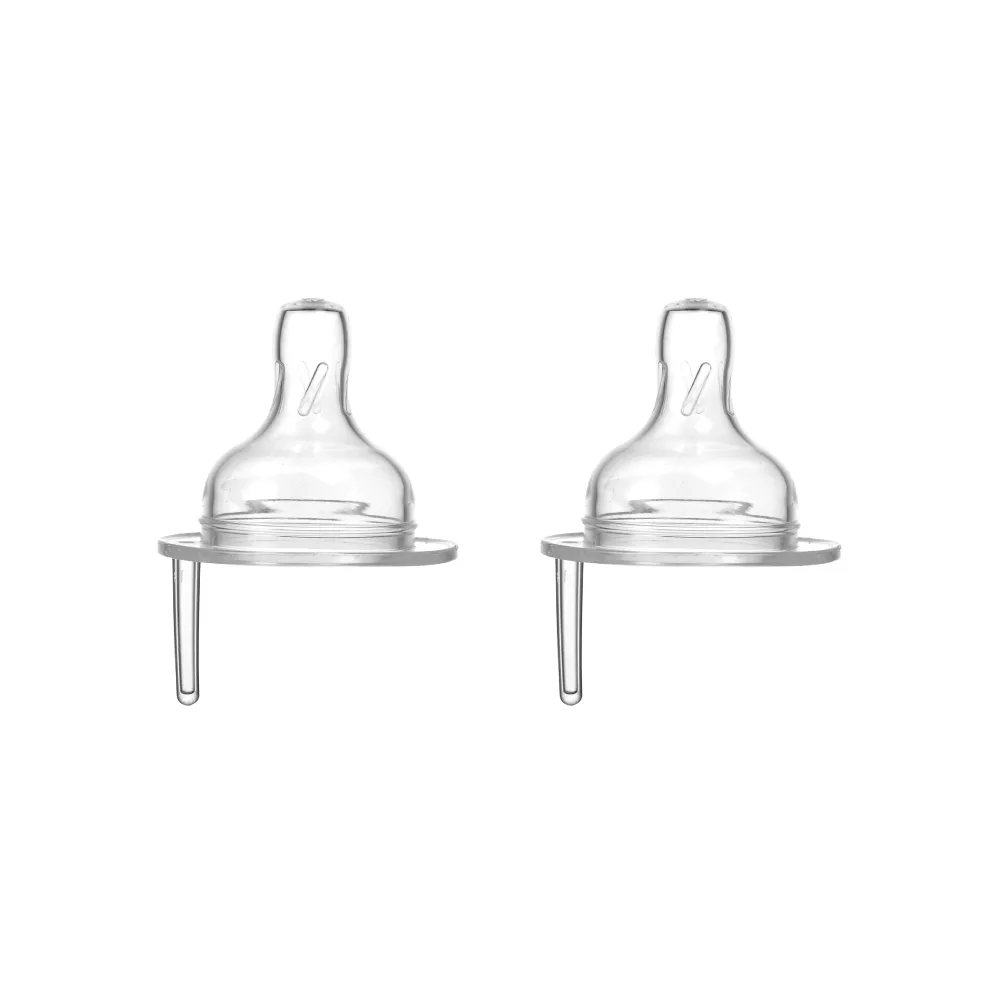
- Thinkbaby 2 Pack Cross Cut Stage B Nipples: Thinkbaby 2 Pack Cross Cut Stage B Nipples are free of BPA, phthalates, nitrosamines, lead, PVC, PET, and biologically harmful chemicals, and use a cross cut design that requires nursing to receive fluid. The cross cut flow mimics breastfeeding and can help a baby who is used to a bottle's suction, while the material claims matter if you are avoiding those chemicals in feeding gear.
- Thinkbaby 2 Pack Cross Cut Stage A Nipples: Thinkbaby 2 Pack Cross Cut Stage A Nipples share the same cross cut, no-spill design and material exclusions as Stage B, and are positioned as the earlier stage option. If your baby is still on a slower flow, Stage A lets you keep the same nipple style before moving to Stage B, which reduces one variable during the bottle-to-cup transition.
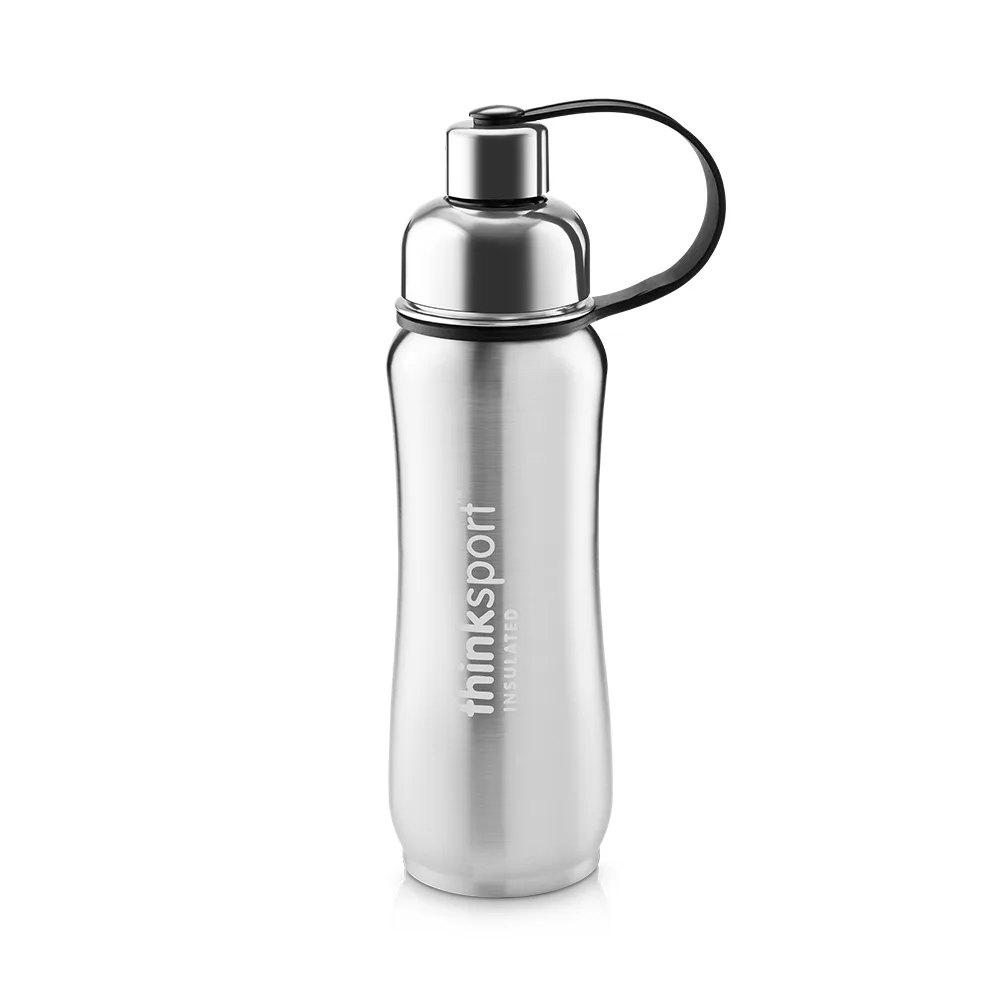
- Thinksport Insulated Sports Bottle - 17oz (500ml) - Natural Silver: Thinksport Insulated Sports Bottle - 17oz (500ml) - Natural Silver is double-walled and vacuum-sealed stainless steel, keeps contents hot or cold for hours, does not sweat with cold contents, and has a removable mesh filter that keeps ice from blocking the drinking spout. For older toddlers and parents who want one bottle for water on the go, the insulation and mesh filter solve the two most common complaints: warm water and a blocked spout.
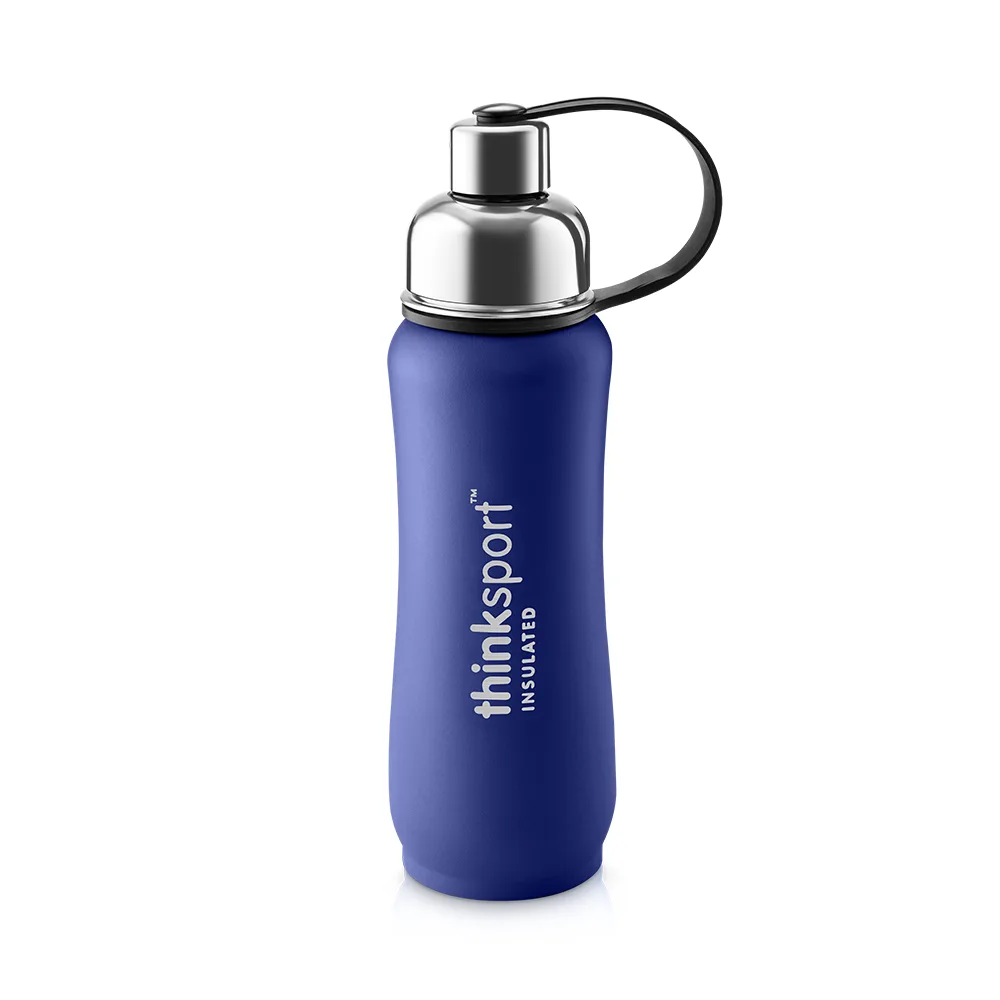
- Thinksport Insulated Sports Bottle - 17oz (500ml) - Powder Coated - Blue: Thinksport Insulated Sports Bottle - 17oz (500ml) - Powder Coated - Blue has the same double-walled vacuum-sealed stainless steel construction, hot/cold retention, no-sweat exterior, contoured design, and removable mesh filter as the Natural Silver version. The powder-coated finish is a cosmetic difference, not a performance one, so choose it if you prefer a colored bottle or want to tell family members' bottles apart.
Who this transition plan fits
Best for
- Parents of babies 6–18 months who are starting the bottle-to-cup transition
- Caregivers who want a staged plan instead of quitting the bottle cold turkey
- Families choosing between a sippy cup and a straw cup for a toddler
Not for
- Children with feeding difficulties or oral-motor concerns, who should follow a clinician's plan
- Parents looking for a single cup that works from 6 months through age 4 without changing styles
- Anyone who needs a fully leak-proof cup for a child who throws or shakes it hard