Quick answer
Reach for a baby eczema treatment (a thicker cream or ointment) during an active flare—red, itchy, rough patches—to calm inflammation and rebuild the skin barrier. Use a baby lotion for eczema-prone skin every day, head to toe, to lock in moisture and reduce the chance of the next flare. If the rash is oozing, crusted, or not improving in a few days, call your pediatrician; eczema treatments are not a substitute for medical care.
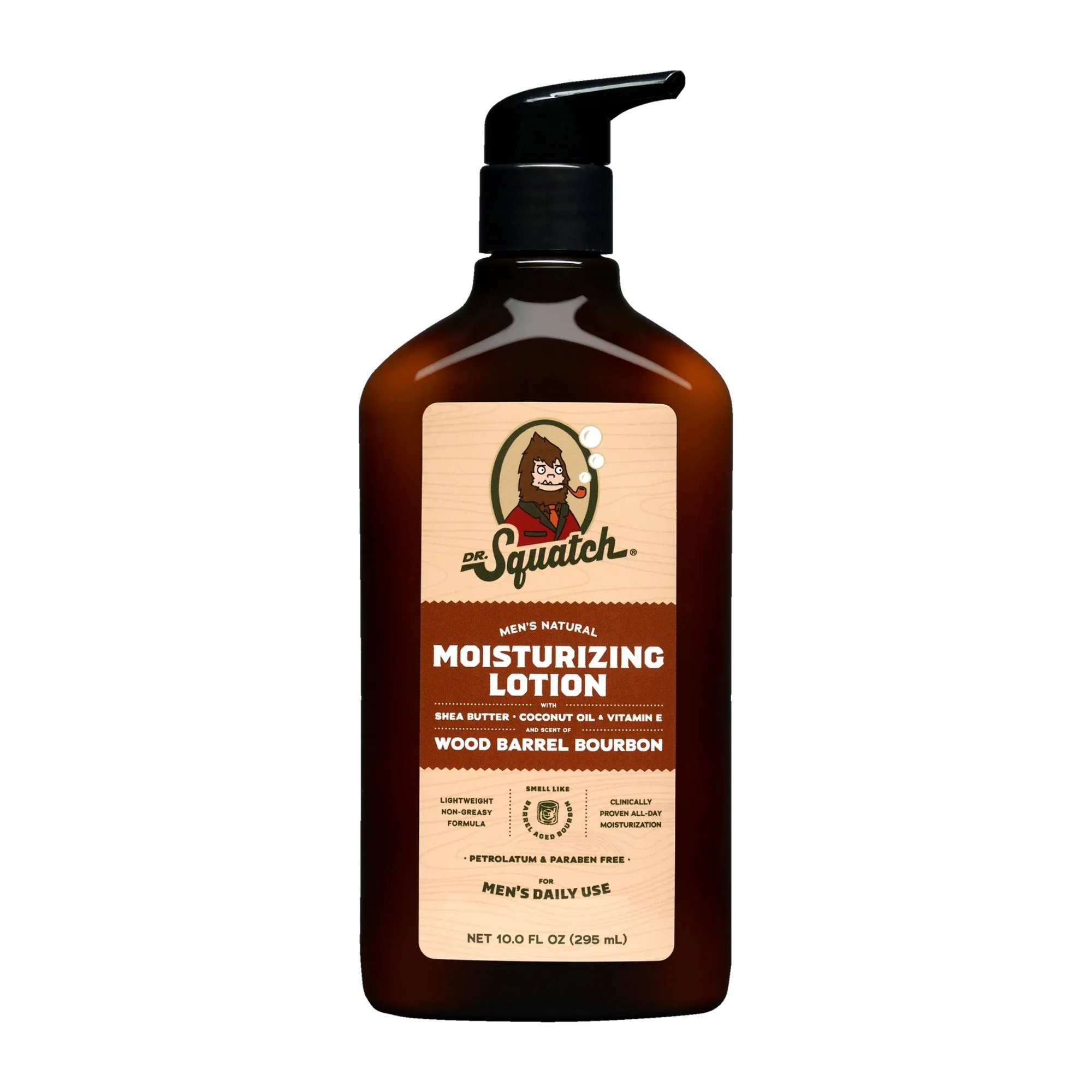
lotion
What each product actually does
Baby eczema treatments are formulated to interrupt the itch-scratch cycle. They typically contain colloidal oatmeal, ceramides, or plant oils that soothe irritation and help repair the skin barrier. They are not just thicker lotions—they are designed for short-term, targeted use on flare-ups.
Baby lotions, even those labeled for eczema-prone skin, are daily maintenance products. They keep the skin hydrated and flexible so it is less likely to crack and flare. Think of lotion as prevention and an eczema cream or ointment as treatment.
How to tell which one your baby needs right now
Look at the skin, not the calendar. If you see redness, small bumps, or dry patches that feel rough like sandpaper, that is an active flare—start with an eczema treatment. If the skin feels soft but slightly dry or tight after a bath, that is maintenance territory—use a baby lotion.
A simple test: gently press a finger on the dry area. If it leaves a faint white mark that lingers, the skin is dehydrated and needs moisture from either product. If the area is also red or warm, it is inflamed and needs the treatment first.
The order that works: treatment first, lotion second
When you are managing a flare, apply the eczema treatment to the affected areas first. Give it a minute to absorb, then smooth baby lotion over the rest of the body to keep the unaffected skin healthy. This layering approach prevents you from accidentally diluting the treatment.
During maintenance, skip the treatment and use lotion alone. Applying a thick eczema cream to clear skin every day is not necessary and can feel greasy or cause overheating.
Ingredients to look for and avoid
For eczema treatments, prioritize fragrance-free formulas with colloidal oatmeal, ceramides, shea butter, or plant oils like coconut and pumpkin seed. These ingredients support the skin barrier without stripping it.
For baby lotions, the same rule applies: fragrance-free is safest for eczema-prone skin. Avoid lotions with alcohol, essential oils, or heavy fragrances, which can sting cracked skin and trigger flares.
Trade-offs: eczema treatment vs. baby lotion
- Eczema treatment (cream or ointment): Thicker, more occlusive, and often more expensive per ounce. It can feel greasy and may stain clothing. Best used only on active flares and usually twice a day until the skin is clear. Keep a tube in the diaper bag for flare-ups, but do not use it as an all-over daily lotion.
- Baby lotion for eczema-prone skin: Lighter, absorbs quickly, and is cost-effective for daily use. It may not be thick enough to calm an active flare on its own and often needs to be reapplied after hand-washing or drool. Apply within three minutes of a bath to lock in moisture, and use it on clear skin every day.
- Combination approach: Using both products gives you the best of both worlds: treatment for flares, lotion for maintenance. The trade-off is more steps and more products to track, but it is the most effective way to reduce flare frequency. Label the treatment tube with a marker so you do not grab it for everyday use.
Products that fit this routine
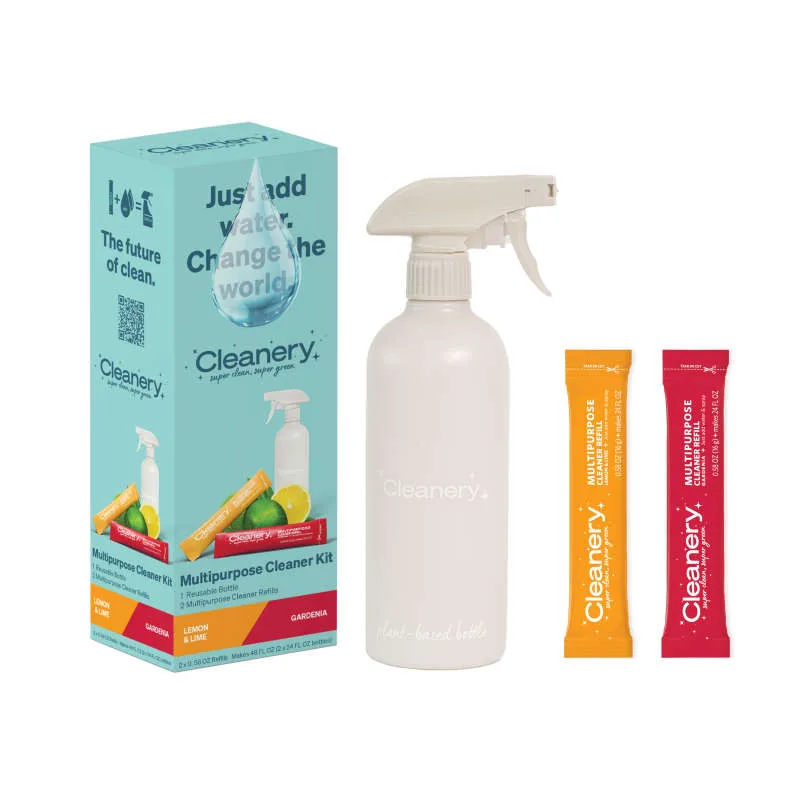
- Multipurpose Starter Kit: Multipurpose Starter Kit includes one 24 fl oz bottle plus two 0.58 oz refills (lemon & lime and gardenia) and is designed to cut through grease and stuck-on dirt. While not a skin product, this kit keeps the nursery and bath area clean without harsh residue, which matters when you are trying to reduce irritants around a baby with eczema.
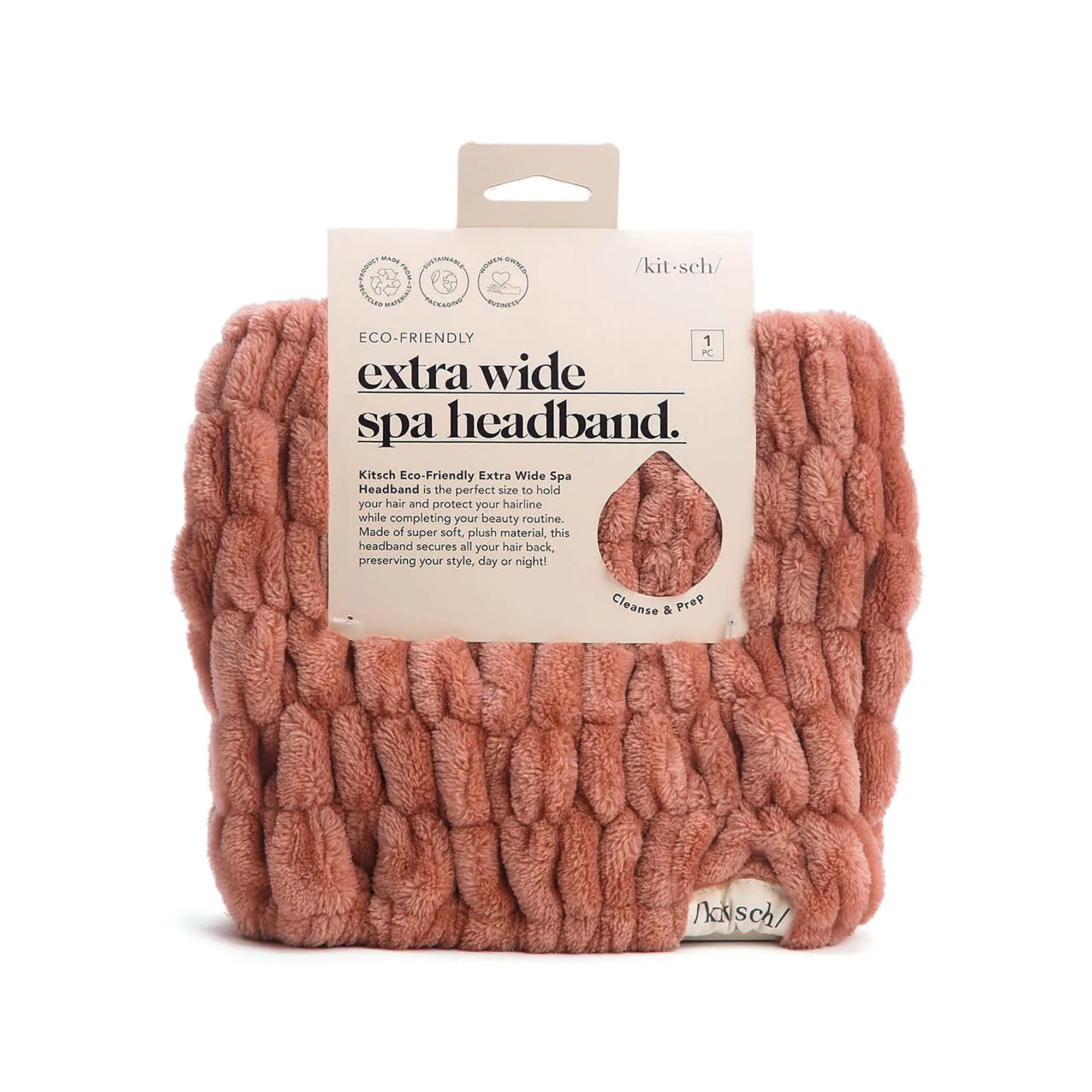
- Extra Wide Spa Headband: Extra Wide Spa Headband is made of super soft, recycled material and is sized to hold all hair back while protecting the hairline. During bath time or lotion application, keeping hair away from the face and neck prevents wet hair from irritating eczema patches and makes it easier to apply treatment evenly.
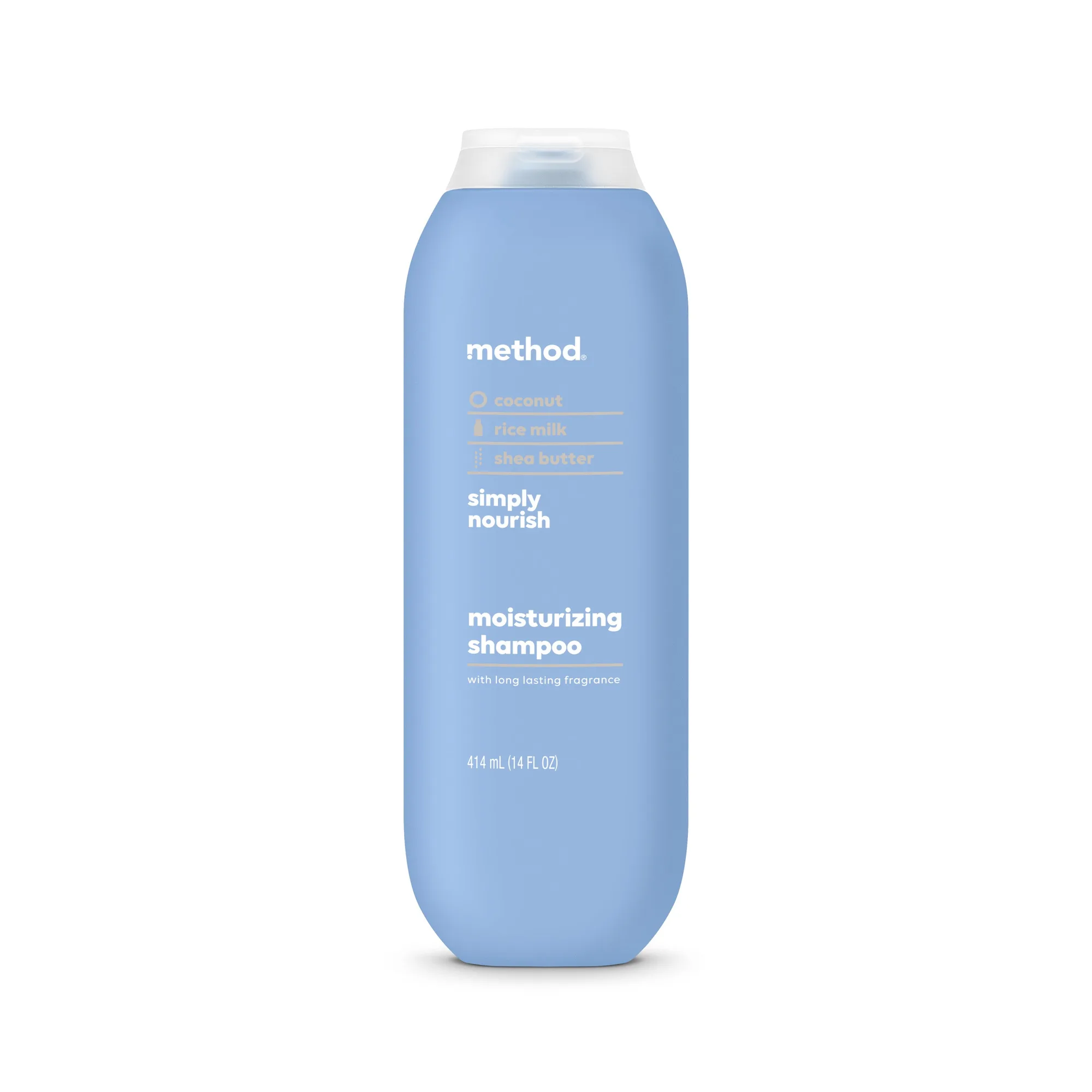
- Color Awakening Hairbath: Color Awakening Hairbath is a color-safe, gentle shampoo-03ccc7af21737357a857db26-1896378">shampoo-d491ba1081e2ad152fb63eac-1896332">shampoo made with coconut and pumpkin seed oils, shea butter, and other emollient plant ingredients. If you are caring for your own hair while managing a baby with eczema, this gentle formula shows the same emollient ingredients you look for in baby skin care, so you can avoid transferring harsh residues from your hair to your baby's skin.
Which should you choose?
Best for
- Babies with active, red, itchy patches that need calming
- Parents who need a targeted treatment for flare-ups on the face, elbows, or knees
- Families who want a daily maintenance routine to prevent future flares
Not for
- Babies with oozing, crusted, or infected-looking skin—see a pediatrician first
- Parents looking for a single product to both treat and prevent eczema
- Anyone who has not confirmed the rash is eczema rather than another skin condition