Quick answer
Suction your baby's nose only when mucus actually blocks breathing or feeding, not on a fixed schedule. Use gentle, short pulls, keep the tip at the nostril opening rather than deep inside, and stop after a few attempts per side. Over-suctioning irritates the nasal lining and can make swelling and stuffiness worse.
A stuffy nose in a newborn is common and usually not serious, but it disrupts feeding and sleep fast. The goal is not a perfectly clear nose; it is a nose clear enough for your baby to breathe and eat comfortably.
Match the symptom to the right cause before you suction
A congested baby nose can come from several different problems, and suction only helps some of them. Thin, runny mucus from a cold responds well to gentle removal. Dry, crusted mucus from indoor heating needs moisture first, not force. A blocked nose that stays blocked after suction, or one that comes with fever, poor feeding, or noisy breathing at rest, is a different situation that suction will not fix.
Check the basics before reaching for the aspirator: is the air in the room dry, is your baby feeding and producing wet diapers normally, and is the congestion worse at night or all day? These answers tell you whether you are dealing with simple mucus, dryness, or something that needs a call to your pediatrician.
- Thin, movable mucus: suction can help.
- Dry or crusted mucus: soften with saline drops first.
- Persistent blockage with fever or feeding refusal: contact your doctor.
How to use a nasal aspirator without irritating the nose
Start with saline. A drop or two of saline solution in each nostril loosens mucus so it moves toward the opening instead of clinging to the nasal wall. Wait about a minute, then suction. Position your baby upright or slightly tilted, not flat on their back, so mucus drains outward rather than backward.
Insert the tip only at the nostril opening, never deep into the nasal passage. Seal the tip gently against the nostril to create suction, release, and repeat once or twice per side. If nothing comes out after two or three tries, stop. The remaining mucus is either too far back or too thin to grab, and more suctioning will only swell the tissue.
For a newborn, keep sessions short, ideally before feeds rather than after, since suctioning can trigger gagging or spit-up. A baby who fights the aspirator hard is telling you the session is over.
- Saline first, suction second.
- Tip at the nostril opening, not inside the passage.
- Two or three gentle pulls per side, then stop.
Cleaning and storage that keep the aspirator safe to reuse
Rinse the tip and any removable parts in warm water immediately after each use so mucus does not dry and harden inside the device. Wash with mild soap, rinse thoroughly, and let all parts air-dry completely before reassembling. A damp aspirator stored closed can grow mildew, which then goes back into your baby's nose.
Check the manufacturer's instructions for whether your specific aspirator is dishwasher-safe or boil-safe; not all models are. Replace the device if the tip cracks, the suction weakens, or the interior cannot be cleaned properly, since a damaged tip can scratch delicate nasal tissue.
- Rinse right after use, before mucus dries.
- Air-dry fully before storing.
- Replace cracked or weak aspirators rather than stretching their life.
What to do when suction is not enough
If your baby's nose stays congested despite regular saline and suction, add moisture to the air with a cool-mist humidifier and keep your baby's head slightly elevated during supervised awake time. Offer smaller, more frequent feeds if feeding is interrupted by congestion, and use saline alone between suction sessions to keep mucus thin.
Do not use medicated nasal sprays, decongestants, or essential oils on a newborn unless your pediatrician specifically approves them. These are not interchangeable with saline and can cause serious reactions in infants.
- Cool-mist humidifier for dry indoor air.
- Smaller, more frequent feeds during congestion.
- No medicated sprays or oils without medical approval.
Diagnose the stuffy nose before you suction
- Thin, runny mucus that moves when your baby breathes: Typical of a mild cold or early congestion. Saline followed by two or three gentle pulls per side usually clears enough for feeding. If breathing and feeding improve after suction, keep using this routine as needed, not on a schedule.
- Dry, crusted mucus with no runny discharge: Usually caused by dry indoor air, heating, or low humidity. Suction alone will not help and may irritate the nasal lining. Use saline drops and a cool-mist humidifier first; suction only after mucus loosens.
- Blockage that persists after suction, or comes with fever, poor feeding, or noisy breathing at rest: This pattern suggests the problem is not simple surface mucus. Suctioning more often will not resolve it and may cause swelling. Stop suctioning and contact your pediatrician for guidance.
Product facts
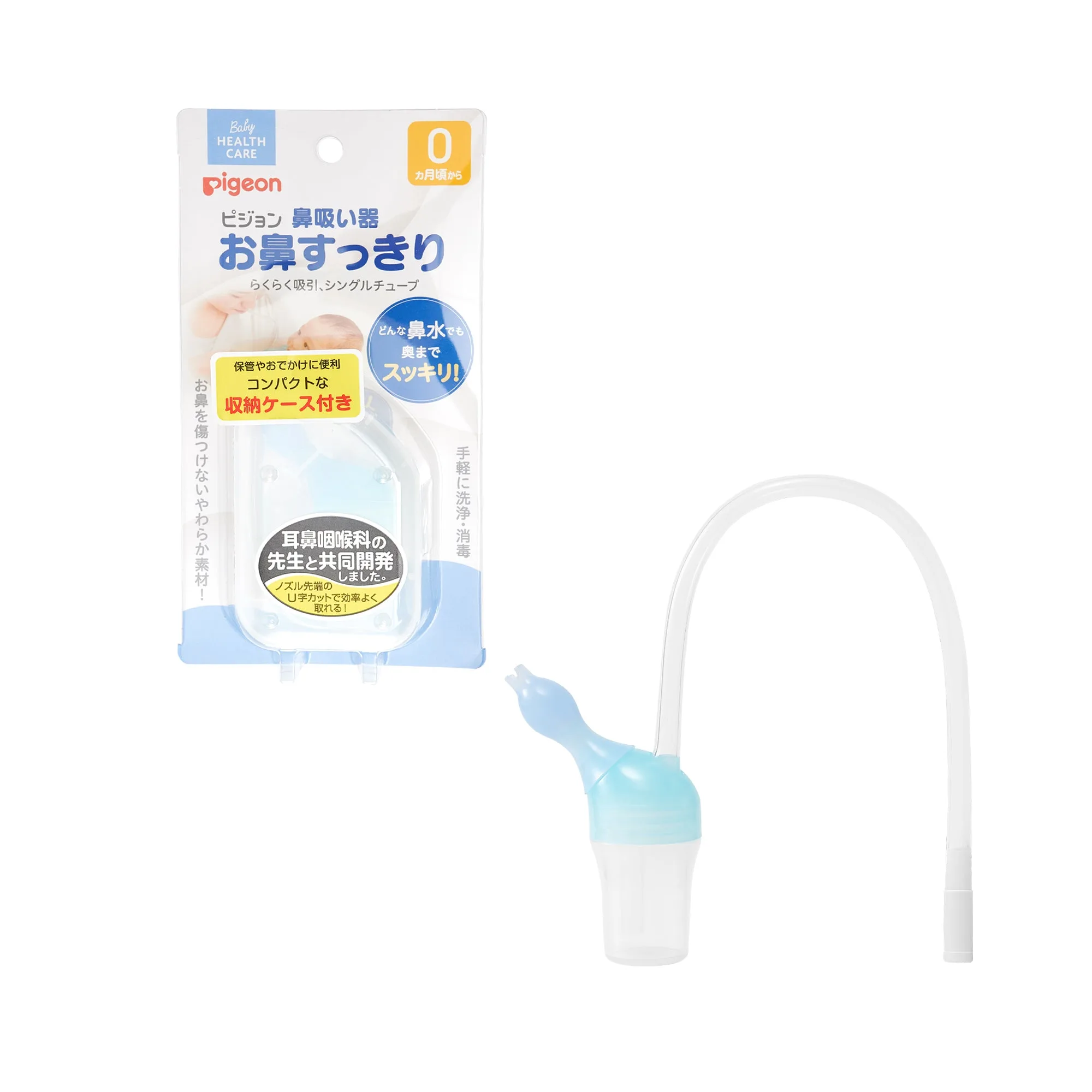
- Baby Nasal Aspirator: Pigeon's Baby Nasal Aspirator is a compact, lightweight aspirator with a simple, functional design for home or travel use, and it is currently listed at USD 7.80. The straightforward design makes it easy to rinse and dry after each session, and the small size means it fits in a diaper bag for congestion that starts away from home.
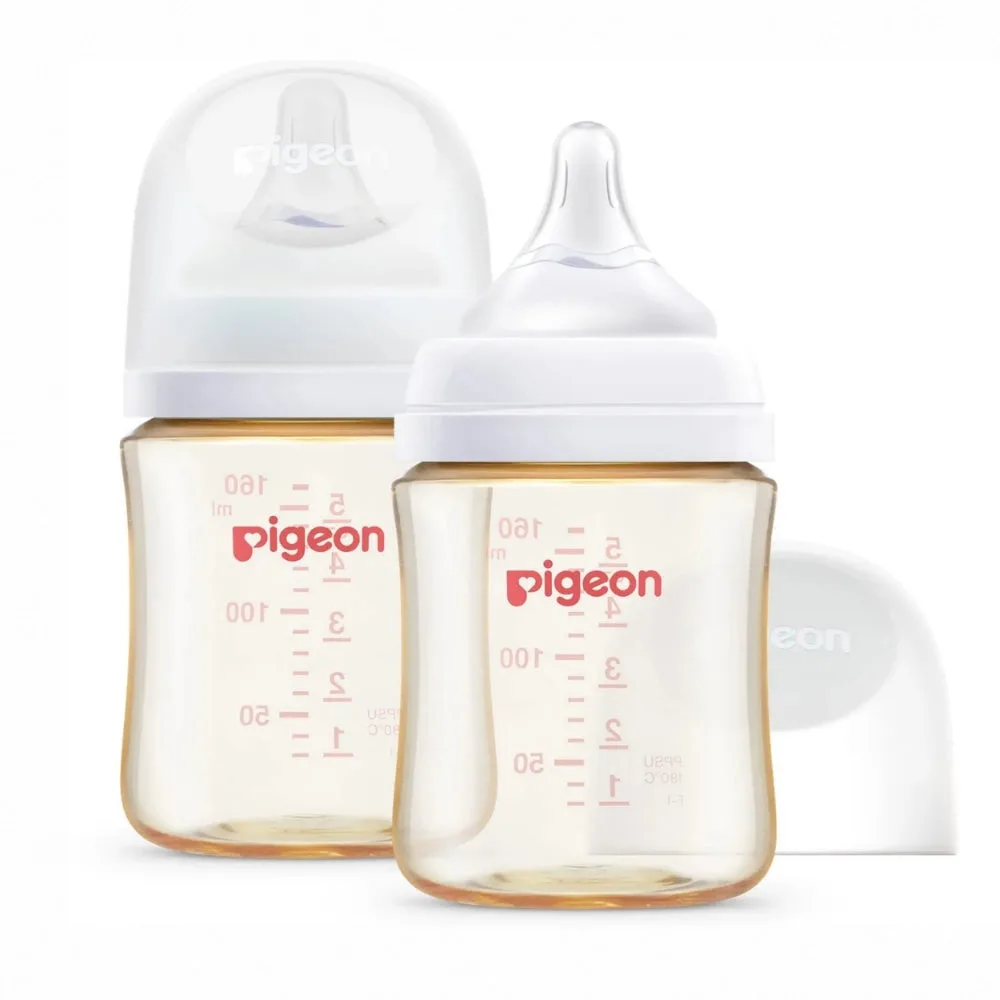
- PPSU Wide Neck Baby Bottle 2 Packs,5.4 Oz(for Newborns): The PPSU Wide Neck Baby Bottle 2 Pack is designed for newborn feeding with a wide neck that simplifies filling, mixing, and cleaning, and it is currently listed at USD 29.99. When a stuffy nose interrupts feeding, a bottle that is easy to fill and clean reduces the workload during an already tiring stretch of days.