As a new parent, you likely spend hours researching the safest products for your baby—from cribs to car seats to food. But one area that often gets overlooked is skincare. Could the lotions, washes, and wipes you use daily be linked to your baby’s risk of developing allergies? Emerging research suggests that what you put on your baby’s skin may have a profound impact on their immune system and long-term health.
Baby skin is thinner, more permeable, and less acidic than adult skin, making it more vulnerable to irritants and allergens. Many conventional baby products contain fragrances, preservatives, and harsh surfactants that can disrupt the skin barrier. When the skin barrier is compromised, allergens can penetrate more easily, potentially triggering allergic reactions or sensitizing the immune system. This article explores the science behind baby skincare and allergies, and offers practical guidance on choosing products that support your baby’s delicate skin.
How Baby Skin Differs from Adult Skin
A baby’s skin is not simply a smaller version of adult skin. At birth, the skin barrier is still developing and may be up to 30% thinner than adult skin. This means that substances applied topically are absorbed more readily into the bloodstream. Additionally, the natural pH of baby skin is higher (less acidic), which can make it less effective at fighting off bacteria and allergens.
The stratum corneum—the outermost layer of the skin—plays a critical role in keeping irritants out and moisture in. In newborns, this layer is still maturing, which is why their skin is prone to dryness, irritation, and rashes. Using products that strip natural oils or disrupt the pH balance can weaken this barrier, potentially increasing the risk of allergic sensitization.
- Baby skin is 20–30% thinner than adult skin, allowing greater absorption of topical ingredients.
- The skin barrier matures over the first few months of life, making early skincare choices especially important.
The Role of the Skin Barrier in Allergy Prevention
Recent studies have highlighted a concept known as the 'skin barrier hypothesis' for allergies. This theory suggests that when the skin barrier is compromised, allergens (such as dust mites, pet dander, or food proteins) can penetrate the skin and come into contact with immune cells. This can lead to a type of immune response that promotes allergic inflammation, potentially increasing the risk of eczema, food allergies, and even asthma.
In fact, infants with eczema—a condition characterized by a damaged skin barrier—are at significantly higher risk of developing food allergies. This has led experts to recommend early, consistent moisturization with gentle, fragrance-free products as a preventive strategy. By maintaining a healthy skin barrier, you may reduce the likelihood of allergens entering the body through the skin.
- Moisturizing daily with a gentle, hypoallergenic lotion can help strengthen the skin barrier.
- Avoid products with fragrances, parabens, and phthalates, which can irritate sensitive skin.
Choosing Hypoallergenic and Gentle Baby Products
When selecting baby skincare products, look for labels that say 'hypoallergenic,' 'fragrance-free,' and 'dermatologist-tested.' However, keep in mind that these terms are not strictly regulated, so it's important to read ingredient lists carefully. Common irritants to avoid include synthetic fragrances, essential oils (which can be sensitizing), sodium lauryl sulfate (SLS), and alcohol.
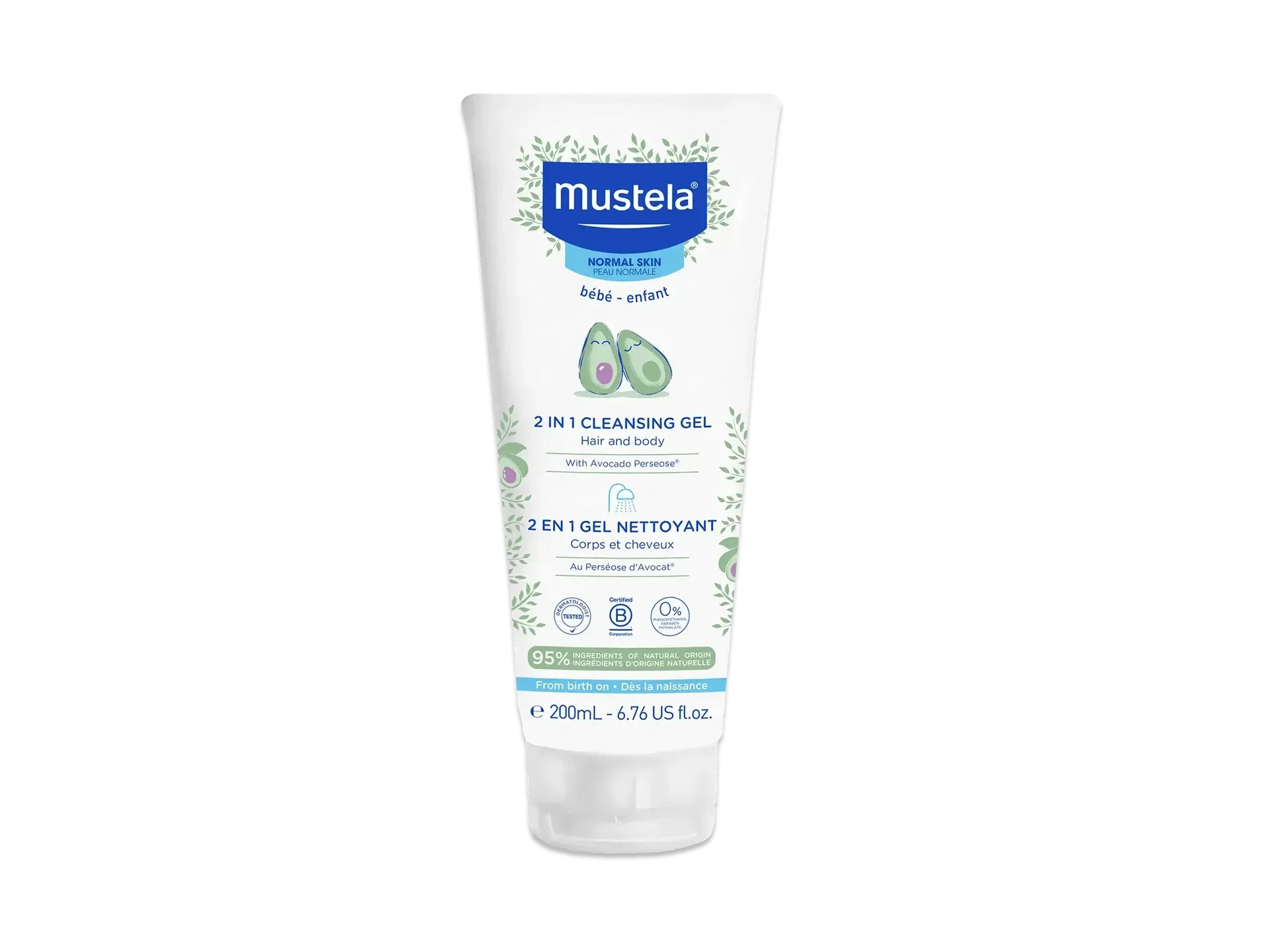
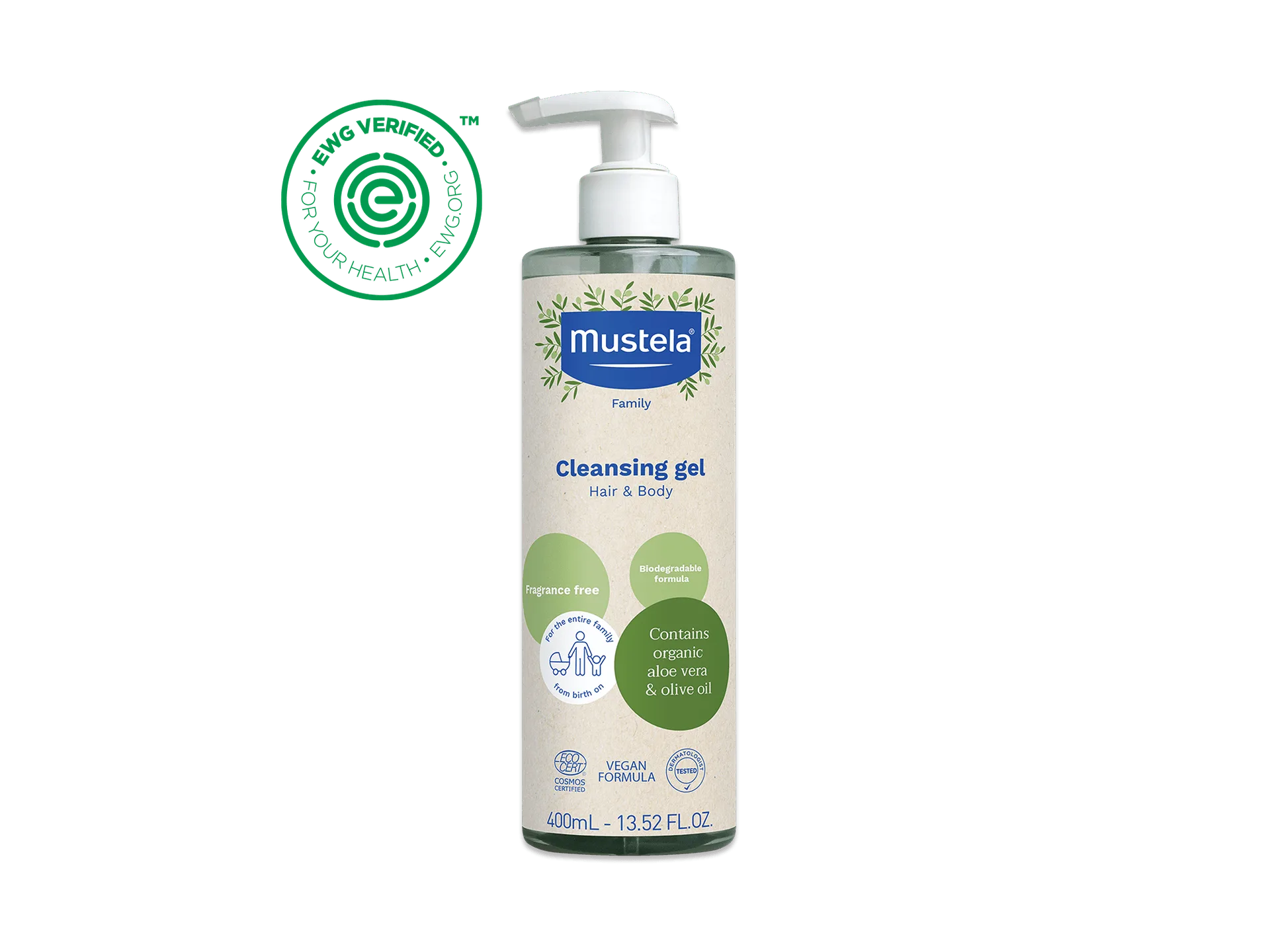
Mustela offers a range of products specifically formulated for delicate, allergy-prone skin. For example, the Gentle cleansing gel is a soap-free, fragrance-free cleanser that gently removes impurities without stripping the skin's natural protective barrier. It is enriched with natural ingredients like avocado extract, which helps soothe and moisturize. Another excellent option is the Diaper rash cream 1 2 3, which provides a protective barrier against wetness and irritation, reducing the risk of diaper-related allergic reactions.
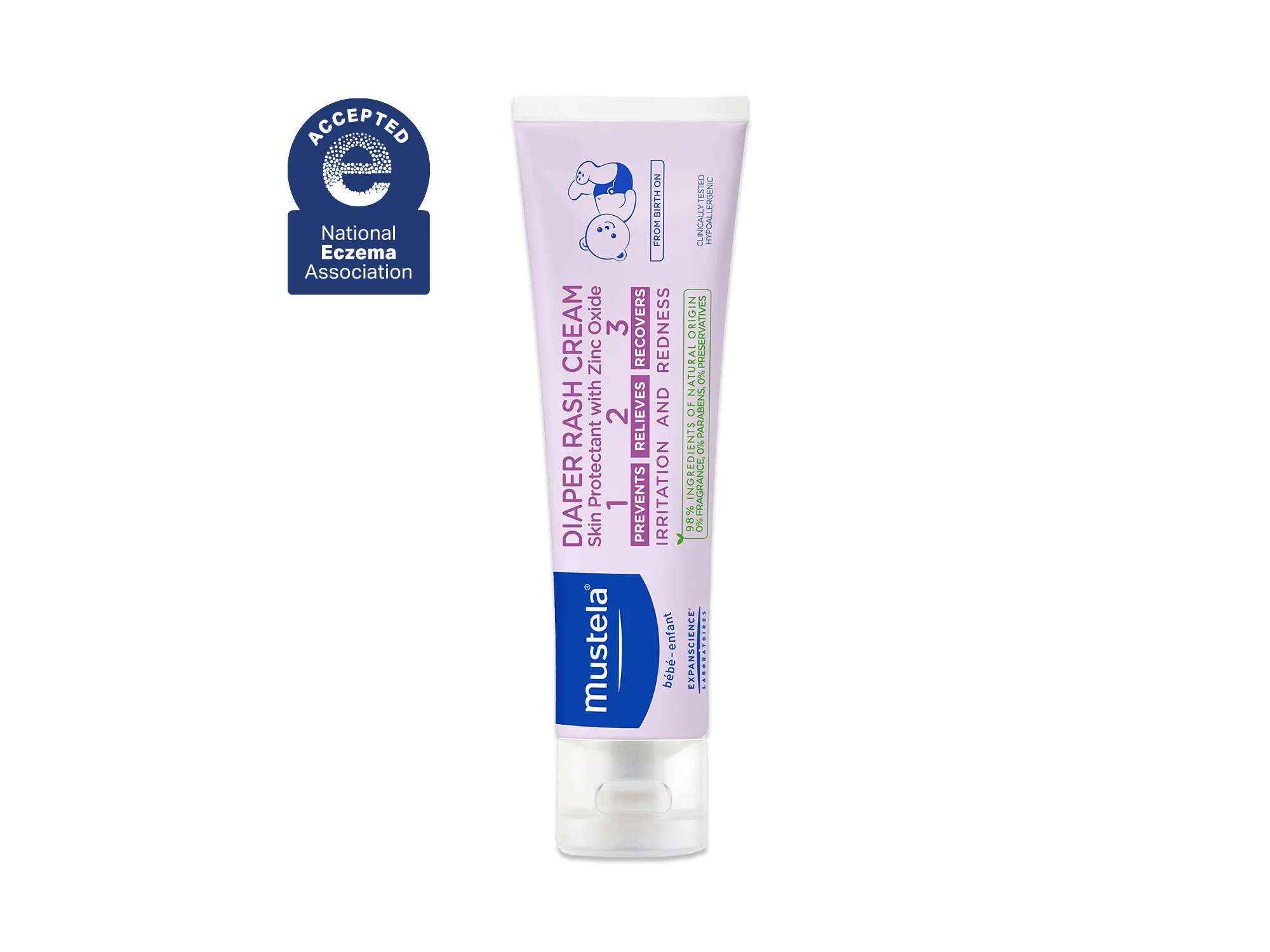
Diaper rash cream 1 2 3
- Choose cleansers that are soap-free and pH-balanced for baby skin.
- Opt for moisturizers with ceramides or plant-based oils to support barrier repair.
The Importance of Bath Time Routines
Bath time is a daily opportunity to bond with your baby, but it can also be a source of skin irritation if not done correctly. Over-bathing or using hot water can strip the skin of natural oils, while harsh soaps can disrupt the acid mantle. The American Academy of Pediatrics recommends short, lukewarm baths (no longer than 10 minutes) followed by immediate moisturization.
Using a mild, fragrance-free shampoo like the Gentle shampoo can help cleanse your baby’s scalp and hair without causing dryness or irritation. After the bath, gently pat the skin dry (don’t rub) and apply a hypoallergenic moisturizer while the skin is still slightly damp to lock in hydration. This simple routine can go a long way in maintaining a healthy skin barrier and reducing the risk of allergic reactions.
- Limit baths to 2–3 times per week for newborns, and daily for older babies if needed.
- Always test new products on a small patch of skin before full use.
When to Consult a Pediatric Dermatologist
If your baby develops persistent redness, itching, dry patches, or hives after using a new product, it may be a sign of contact dermatitis or an allergic reaction. In such cases, discontinue use immediately and consult your pediatrician or a pediatric dermatologist. They can help identify the trigger and recommend safe alternatives.
For babies with a family history of allergies, eczema, or asthma, taking extra precautions with skincare is especially important. Early intervention with gentle, hypoallergenic products may help delay or prevent the onset of allergic conditions. Remember, your baby’s skin is their first line of defense—treat it with care.
- Keep a diary of products used and any skin reactions to help identify triggers.
- Look for products that are free from common allergens like nuts, gluten, and dairy.
Protecting your baby’s skin from allergens starts with the products you choose every day. By understanding the link between baby skincare and allergies, you can make informed decisions that support your little one’s health and comfort. Explore Mustela’s gentle, hypoallergenic range—like the Gentle cleansing gel and Diaper rash cream 1 2 3—to give your baby the soothing care they deserve. Your baby’s skin will thank you.