Quick Answer
For a safe handmade knit toy, choose certified organic cotton, tightly crocheted or knitted parts, and secure, non-detachable details that can withstand chewing and washing.
Why Materials Matter for Infant Safety
Babies explore the world through their mouths, so every material in a toy comes into contact with sensitive skin and developing gums. Organic cotton is grown without synthetic pesticides, making it a gentler choice for newborns and a safer option for parents who want to minimize chemical exposure.
Natural dyes and low-impact dyes are another layer of consideration. They reduce the risk of skin irritation while still delivering the bright colors that capture a baby's attention.
Construction: What to Inspect Before You Buy
A handmade toy is only as safe as its construction. Look for tight stitching, secure seams, and firmly attached ears, limbs, or caps. Loose threads or gaps can become trapping hazards or break off into small pieces.
Size also plays a role. A toy that is too large may be unwieldy for a newborn, while one that is too small could pose a choking risk. The right size fits comfortably in a baby's hand without being easily swallowed.
Washability matters because toys get dirty fast. Machine-washable options make it easier to keep them hygienic, but always follow the care instructions to preserve the toy's shape and safety.
The Trade-Off: Heirloom Quality vs. Everyday Use
Heirloom toys are designed to last for generations, but that durability often means a higher price. If you're looking for a keepsake that can be passed down, investing in a premium knit toy makes sense. However, if you need a practical, everyday rattle that can handle rough play and frequent washes, a simpler, more affordable option may be a better fit.
Remember that no toy is indestructible. Even the best-made knit toy will show wear over time, so inspect it regularly for loose threads or damage and retire it if it becomes unsafe.
Decision Rules for Choosing a Safe Handmade Knit Toy
- Check the material: Choose toys made from certified organic cotton and natural or low-impact dyes to minimize chemical exposure. Look for the certification label on the product page.
- Inspect the construction: Ensure all parts are securely attached, seams are tight, and there are no loose threads or small parts that could detach. Give the toy a gentle tug on ears, limbs, and decorative elements before giving it to a baby.
- Match size to age: For newborns, pick a rattle that fits comfortably in a small hand, like a 4-6 inch toy. For older babies, larger plush toys are safer. Avoid toys with parts smaller than a baby's mouth.
- Consider washability: Machine-washable toys are easier to keep hygienic, but always follow the care instructions to avoid damaging the knit. Wash new toys before first use and after heavy play.
Handmade Knit Toy Options from TANE organics
-
Cone Cap Mushroom Rattle: This rattle is hand crocheted from 100% certified organic cotton with a recycled polyester filling, and the stem is sized for little hands. The organic cotton and secure construction make it a safe, mouth-friendly choice for newborns, while the rattle hidden in the cap adds sensory fun.
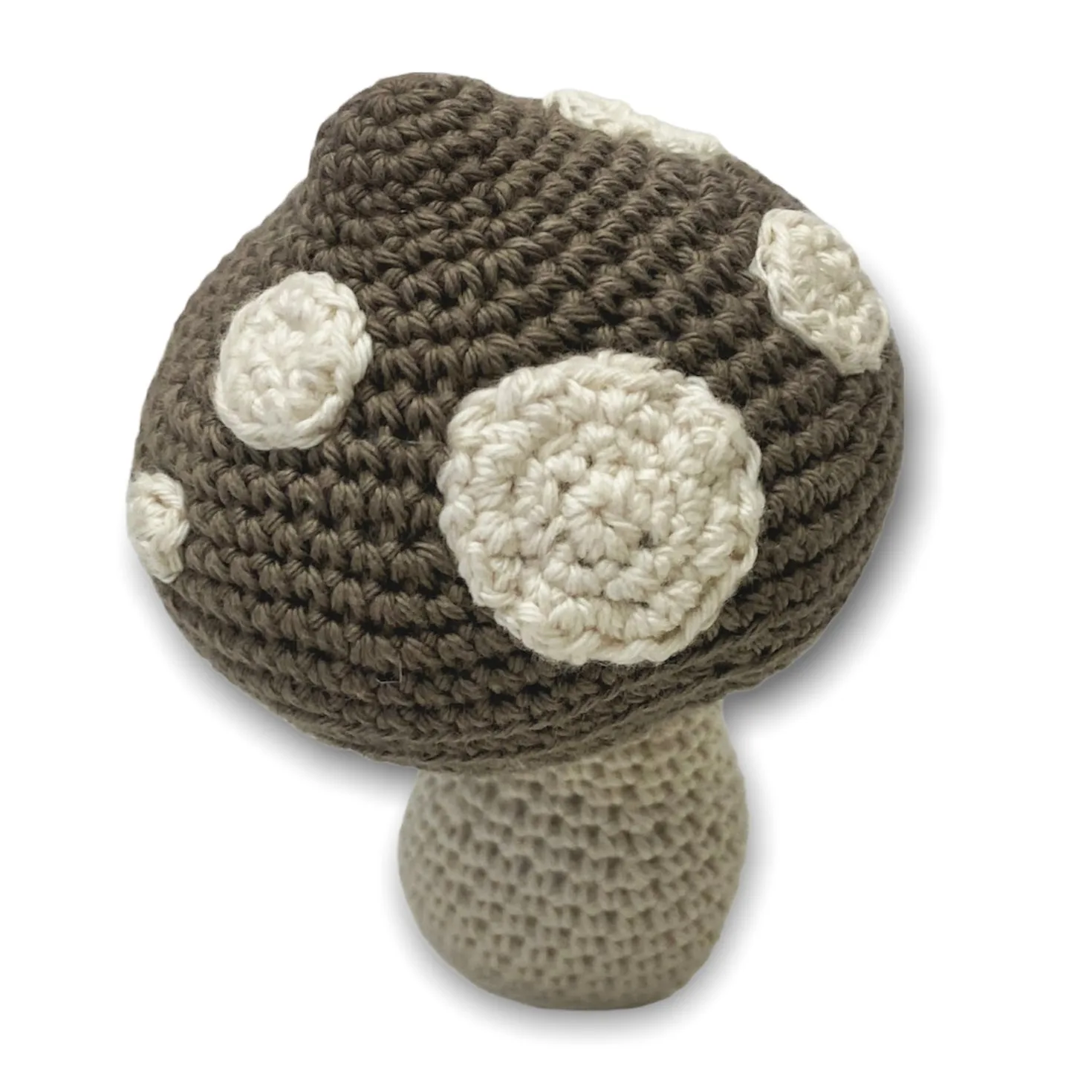
Cone Cap Mushroom Rattle
-
Snuggle Bunny: This hand knit heirloom toy is made from organic cotton, stands 11 inches tall, and is poly filled for delicate machine washing. Its larger size and soft, huggable design are ideal for toddlers, and the machine-washable feature keeps it clean and safe for daily cuddles.
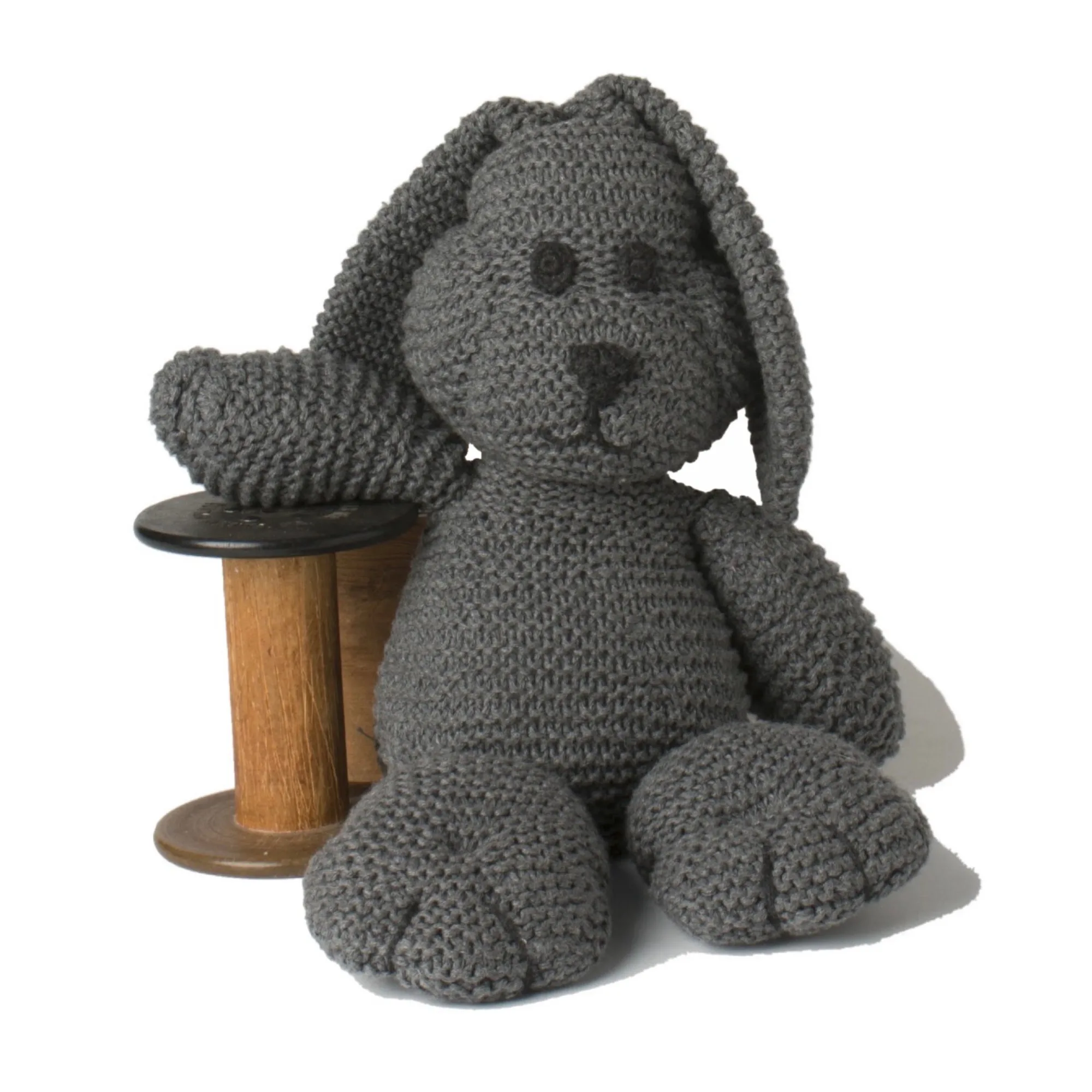
Snuggle Bunny
Who Should Choose Which Toy
Best For
- Newborns and young infants who need a lightweight, graspable rattle with safe organic materials
- Families who value heirloom-quality toys that can be passed down and are willing to care for them
Not For
- Toddlers who may chew aggressively on small parts, unless the toy is specifically designed for teething
- Parents seeking a budget-friendly disposable toy that can be replaced frequently