Quick Answer
Choose a backing plate that matches your polisher's spindle (5/16" for most dual action, M14 for most rotary) and the diameter of your pad, keeping the pad slightly larger than the plate. For dual action machines, a 5-inch plate with 5.5-inch pads is the most versatile; for rotary polishers, match the plate to the pad size you already use.
Why Backing Plate Size Matters
The backing plate transfers the polisher's motion to the pad. If the plate is too large, it can overhang the pad and strike the paint, causing damage. If it's too small, the pad may flex excessively, reducing cutting efficiency and leaving uneven results.
The spindle thread must also match your polisher. Most dual action polishers use a 5/16" thread, while many rotary polishers use M14. Some machines have proprietary mounts, so always check your polisher's manual before buying a plate.
Dual Action vs. Rotary: Different Sizing Logic
Dual action polishers have a random orbital motion, so they are more forgiving of size mismatches. A slightly smaller plate (e.g., 5-inch plate with 5.5-inch pad) is common because it allows the pad to 'float' and conform to curves.
Rotary polishers spin in a fixed orbit, so the plate and pad must be matched more precisely. An overhanging pad can 'chatter' or vibrate, while an undersized pad may not cover the plate, risking direct paint contact. Always use a pad that is the same size or slightly larger than the plate.
Common Sizes and Their Uses
3-inch plates are for tight areas like bumpers, mirrors, and door jambs. 5-inch plates are the most popular for general paint correction on panels. 6-inch plates cover larger areas faster but are harder to control on curves.
If you own multiple sizes, you can switch plates to match the job. Some polishers allow quick plate changes, making this easier. Consider buying a plate for each size you need rather than relying on a single compromise.
Decision Rules for Backing Plate Sizes
- Check your polisher's spindle: Look up your polisher's manual to confirm the spindle thread (e.g., 5/16" for most dual action, M14 for many rotary). If you have a rotary plate and a dual action polisher, consider an adapter like the Good Screw Dual Action Adapter. Write down your polisher's thread type before shopping.
- Match plate to pad diameter: Choose a plate that is slightly smaller than your pad. For example, use a 5-inch plate with 5.5-inch pads for dual action. For rotary, use a plate that matches the pad size exactly or is slightly smaller. Never let the plate be larger than the pad.
- Select size by job: Use 3-inch plates for tight areas, 5-inch for general correction, and 6-inch for large flat panels. If you only want one plate, 5-inch is the most versatile for dual action. Consider buying multiple sizes for different tasks.
Products That Help
-
Good Screw Dual Action Adapter for Rotary Backing Plates: The Good Screw Dual Action Adapter allows you to attach any rotary polisher backing plate to a dual action polisher that accepts 5/16'' spindle thread accessories. If you already own rotary plates, this adapter lets you use them on a dual action machine, saving money and expanding your options.
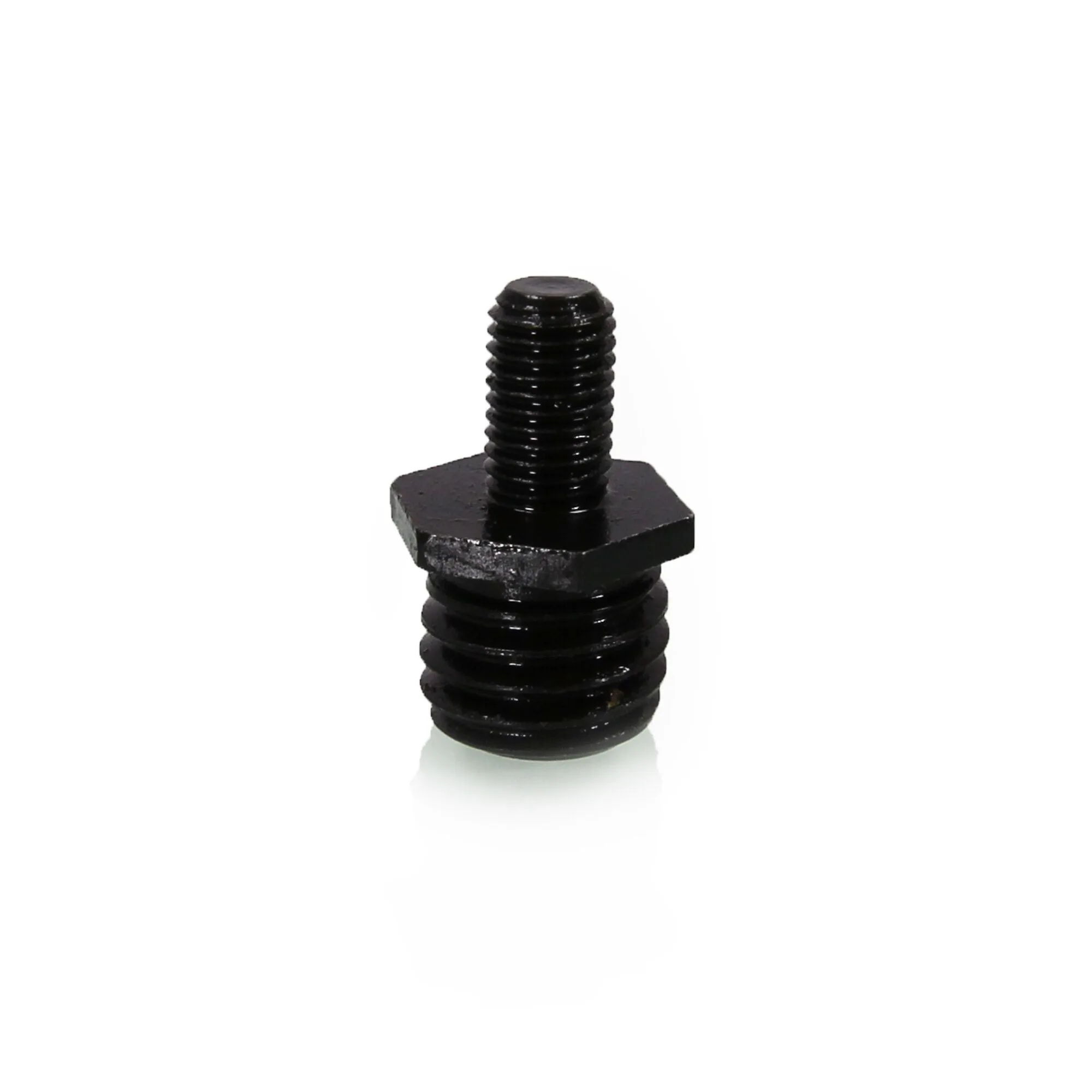
Good Screw Dual Action Adapter for Rotary Backing Plates
-
TORQ R5 Dual Action Backing Plate with Hyper Flex Technology: TORQ R5 Dual Action Backing Plates are available in 3'', 5'', and 6'' sizes and use Hyper Flex Technology to conform to curves and contours. Choosing the right size among these options ensures your pad makes even contact with the panel, improving correction and reducing the risk of damage.
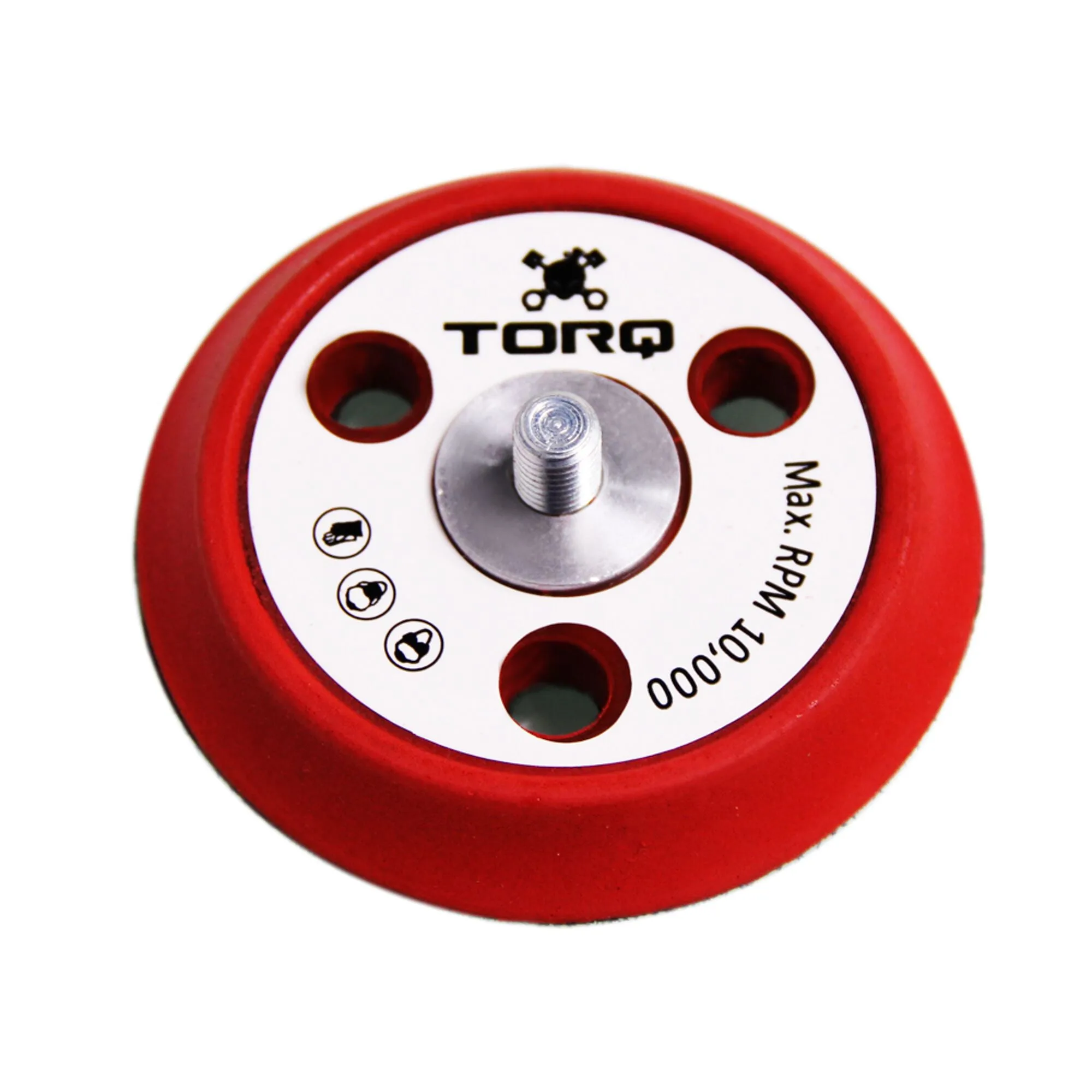
TORQ R5 Dual Action Backing Plate with Hyper Flex Technology
Who Should Choose Which Size?
Best For
- Detailers who want maximum versatility with a dual action polisher: a 5-inch plate with 5.5-inch pads.
- Professionals working on large flat surfaces like hoods and roofs: a 6-inch plate to cover more area per pass.
Not For
- Tight areas like door jambs and bumpers: a 6-inch plate is too large; use a 3-inch plate instead.